It’s been a while since we did the last one Hope’s everyone’s had a good month since the last time this was posted, ideally this becomes more a regular feature on Ex-Plain, because there’s no shortage of interesting things to find on the internet, and the proverbial file cabinet we’re putting those things in is getting a bit full. Without further explanation, let’s get right into it.
1. Miles Davis in Malibu
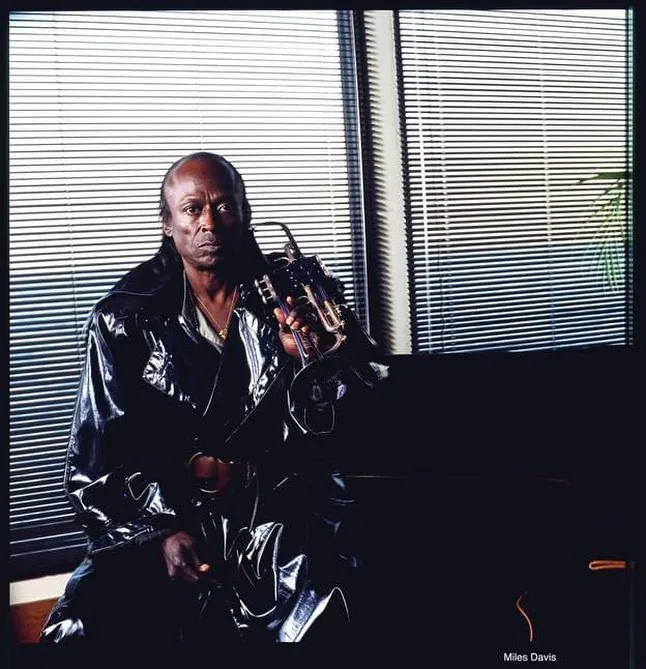
Miles Davis in Malibu, 1985. Photo by Anthony Barboza.
Barboza, one of the primary photographers of the late jazz legend, remembers his encounters with Davis as follows: “I never became close to anyone I photographed because I didn’t want to. I was just there to do a job. But Miles Davis picked me out. I was told to photograph him in 1971. I’d never met him before. I asked people what he was like because I heard a lot of stories about how he could be really rough. I heard he let some photographers stand outside his brownstone for I don’t know how many hours. But it just so happened that his hairdresser was his friend and knew me. So I got in right away and spent the whole day in his house doing whatever I wanted, photographing him everywhere.
After that, he called me every day. “Barboza, what you doing?” After that I met his ex-wife, Betty Davis, and photographed her a lot. Later I was sent to his place in Malibu by the New York Times because they figured Barboza is the only one who can get along with Miles. I was doing the shooting, but he wanted to go swimming, and his hair got tangled because he had rubber bands in it. He’d asked me to take out the rubber bands, but I couldn’t — they got stuck in there! Oh gee. So I did that photograph in Malibu. When he passed away, I cried because I was really close to him. I created that background from yarn or string. There’s a gold plate with his birth and death. They put it on the cover of their magazine.”
2. Thoughts on Nu Metal from 2001
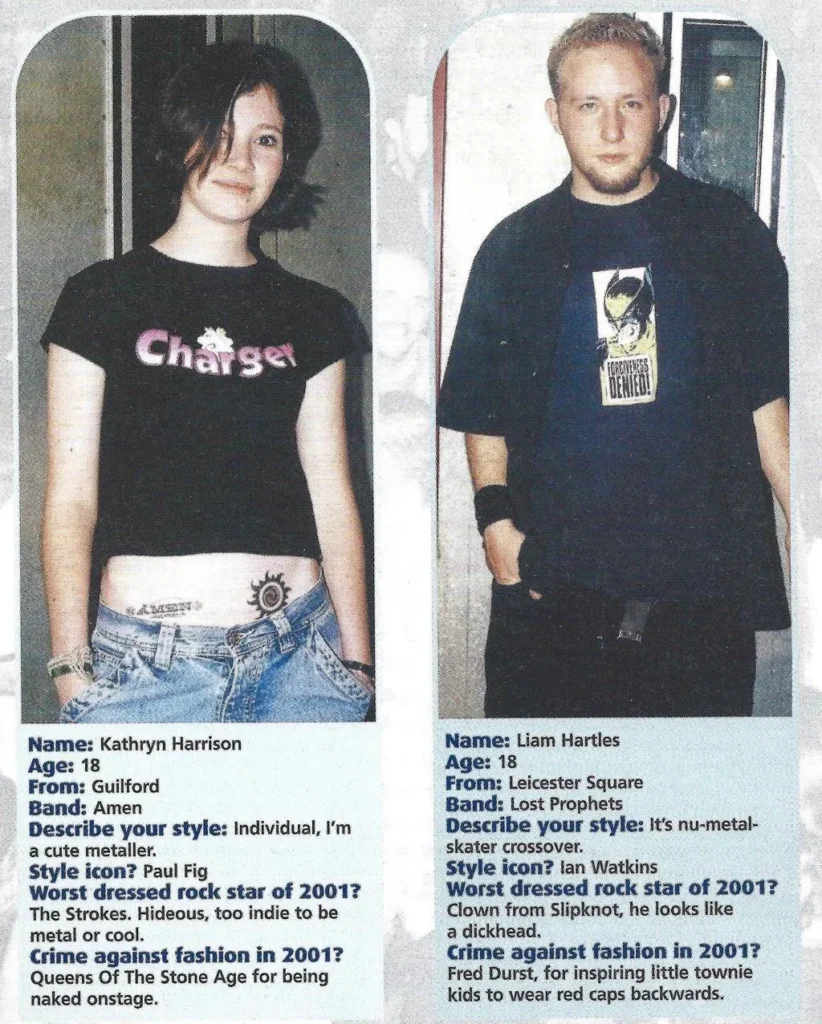
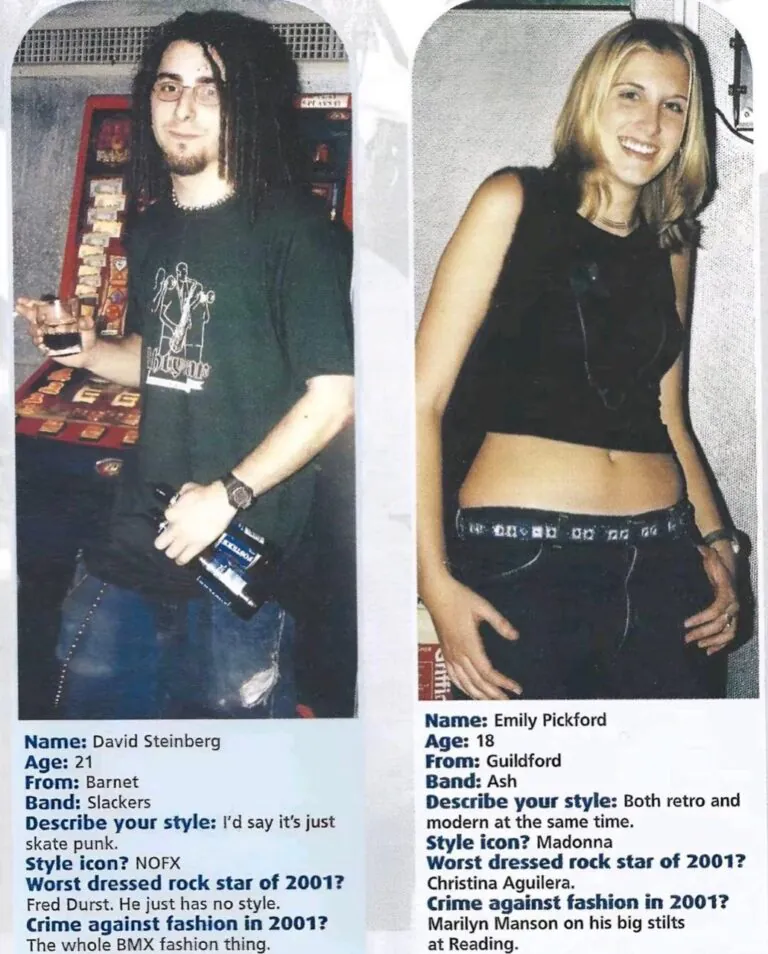
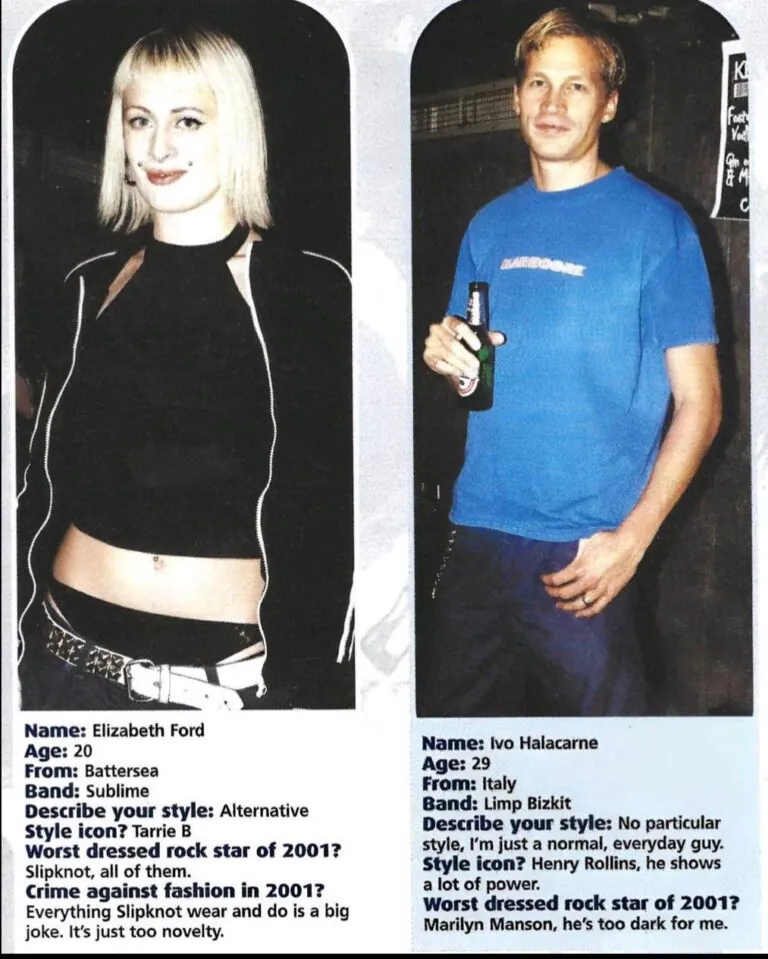
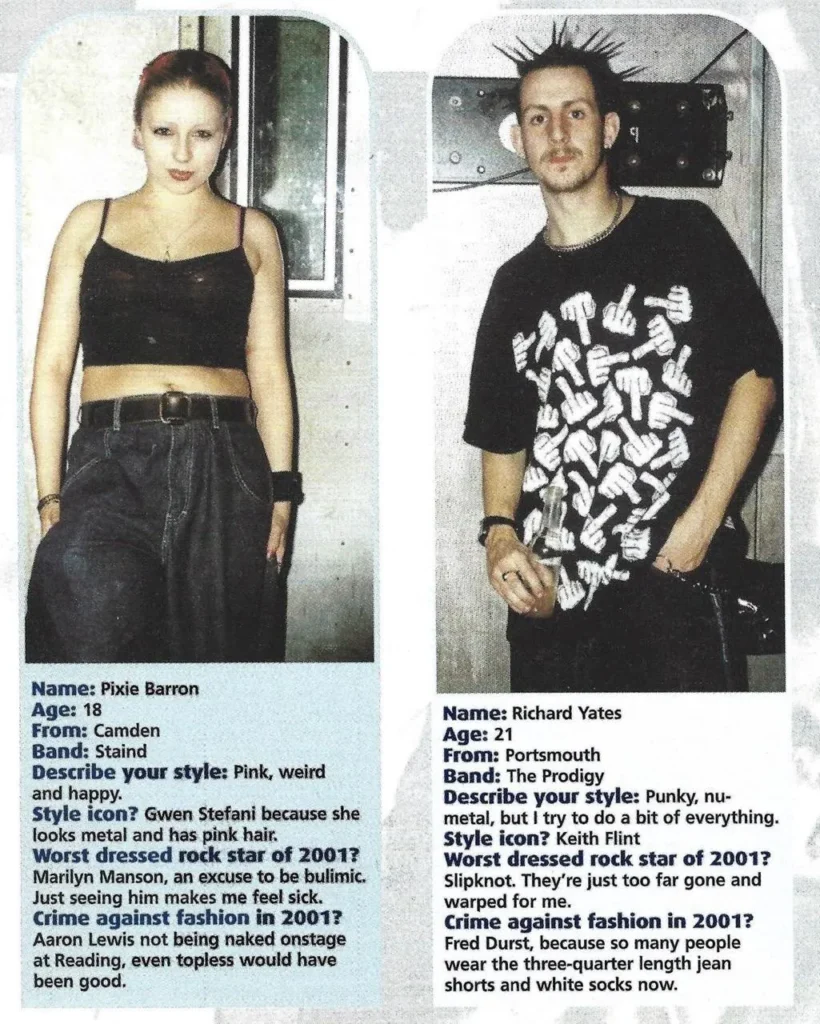
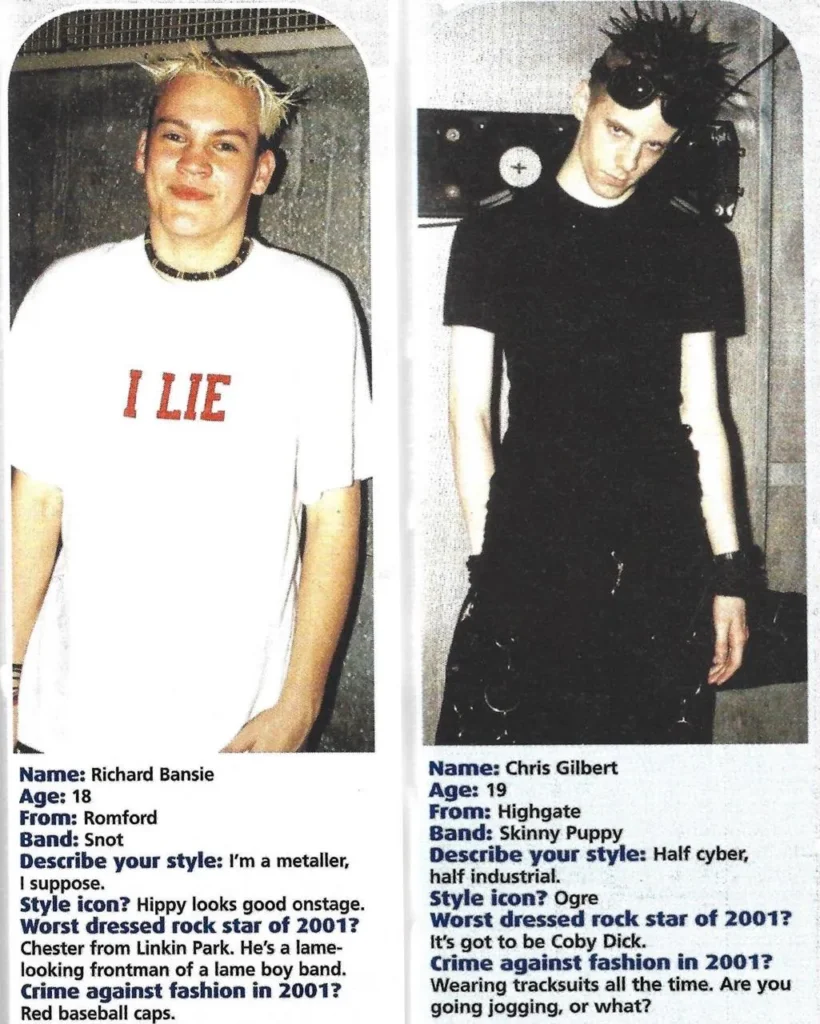
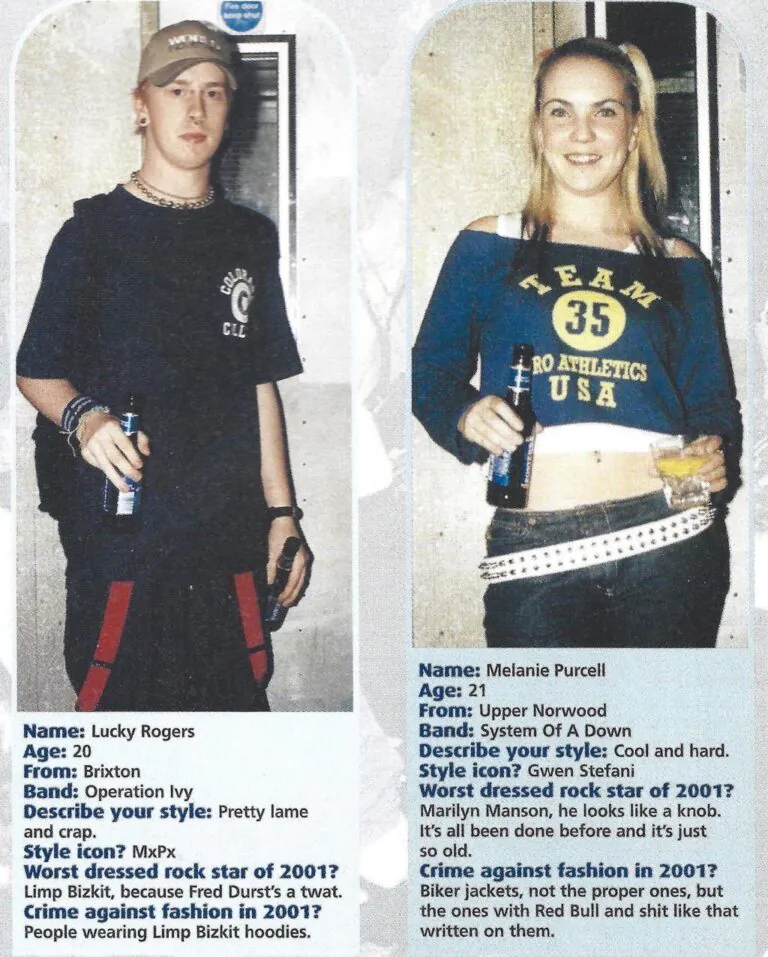
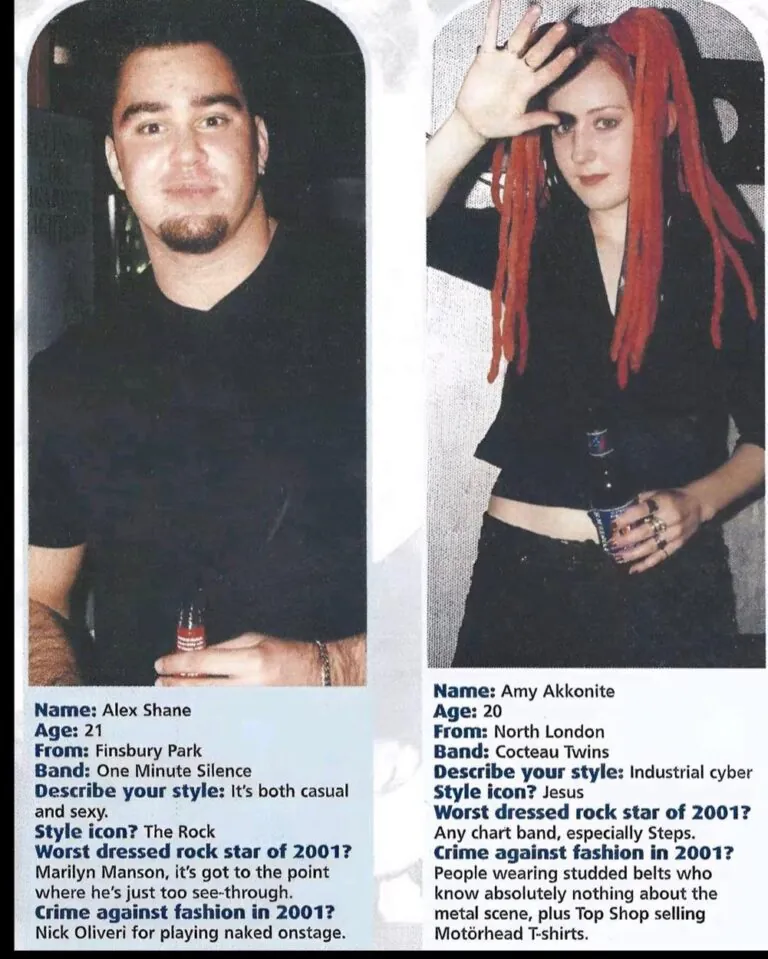
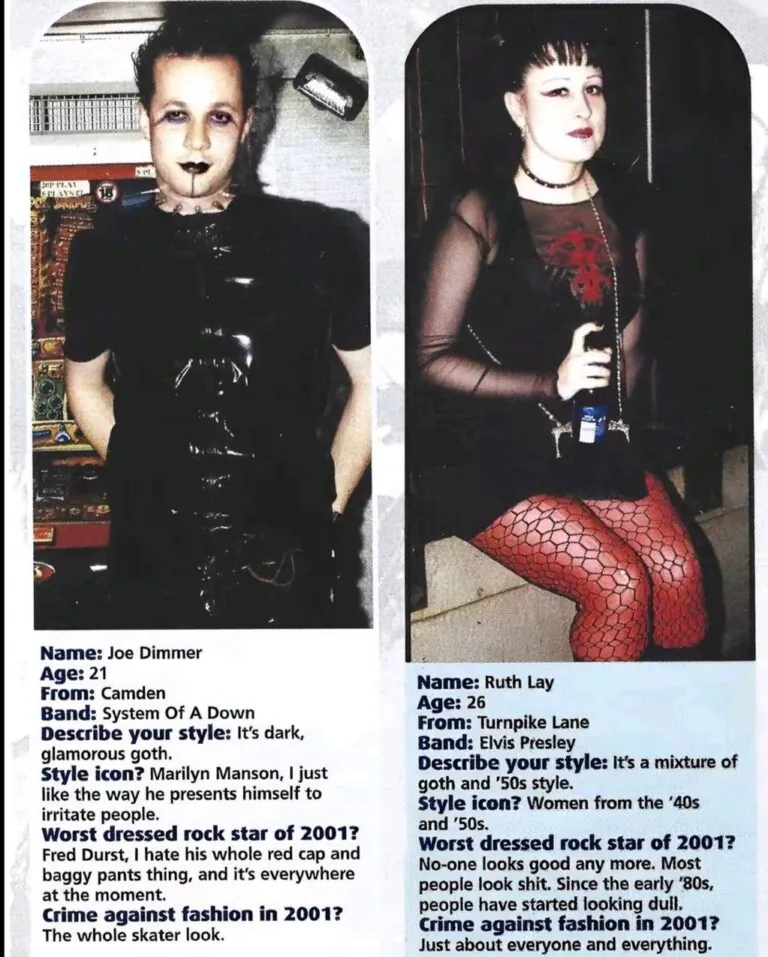
Styles and thoughts from rock music fans in and around London, from Kerrang magazine’s 2001 yearbook section. Very strong opinions about Marilyn Manson and Fred Durst in particular.
3. Tracey Thorn and Ben Watt of Everything But The Girl
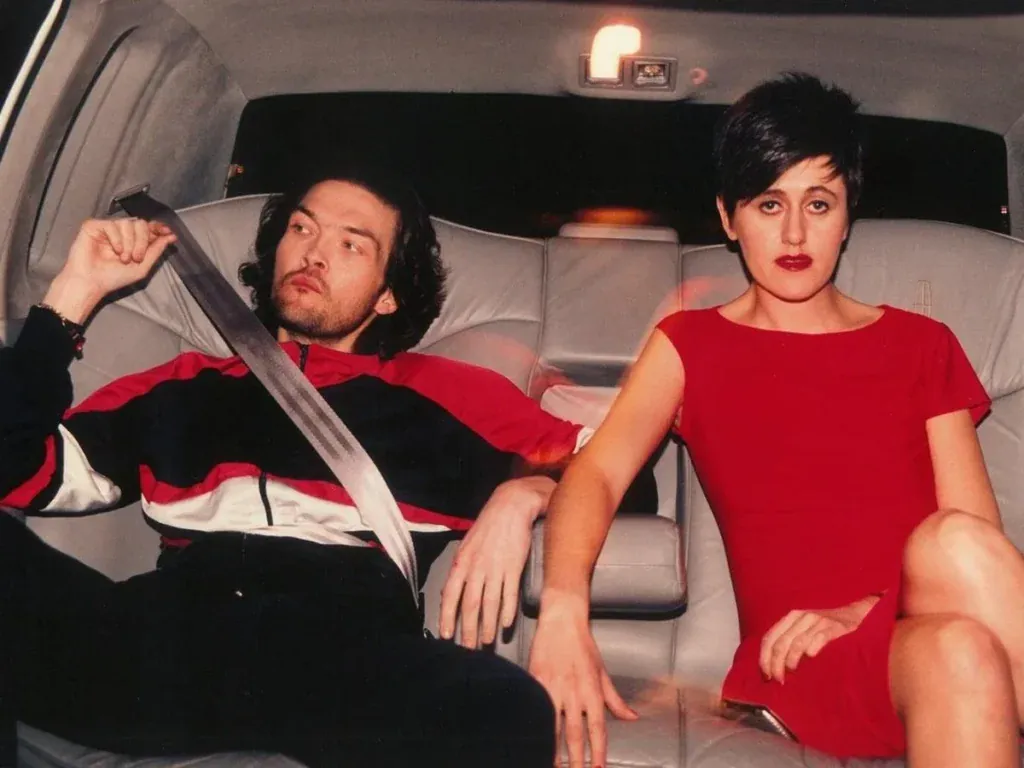
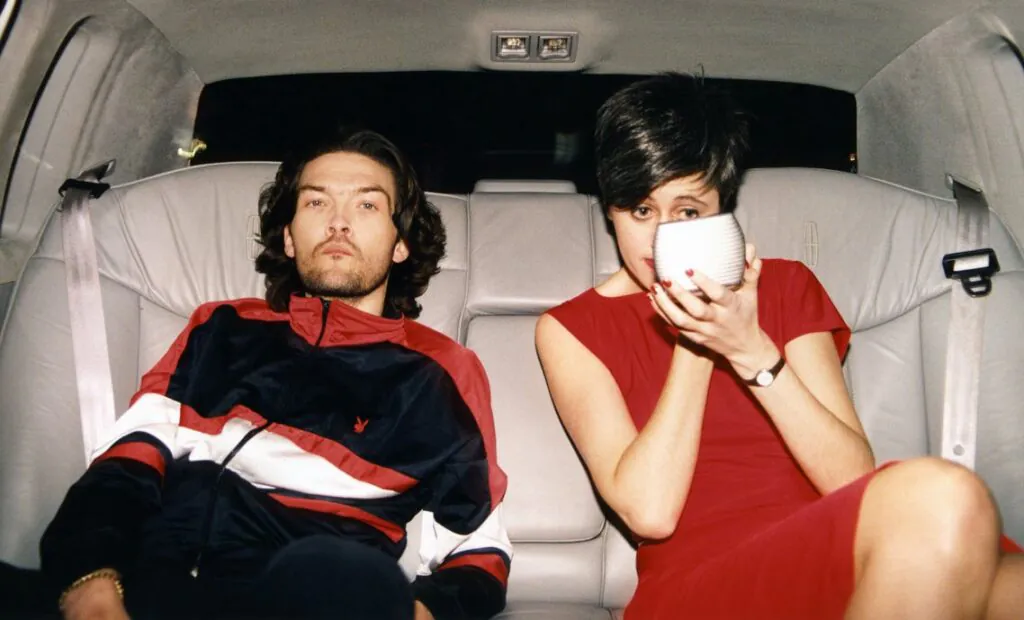
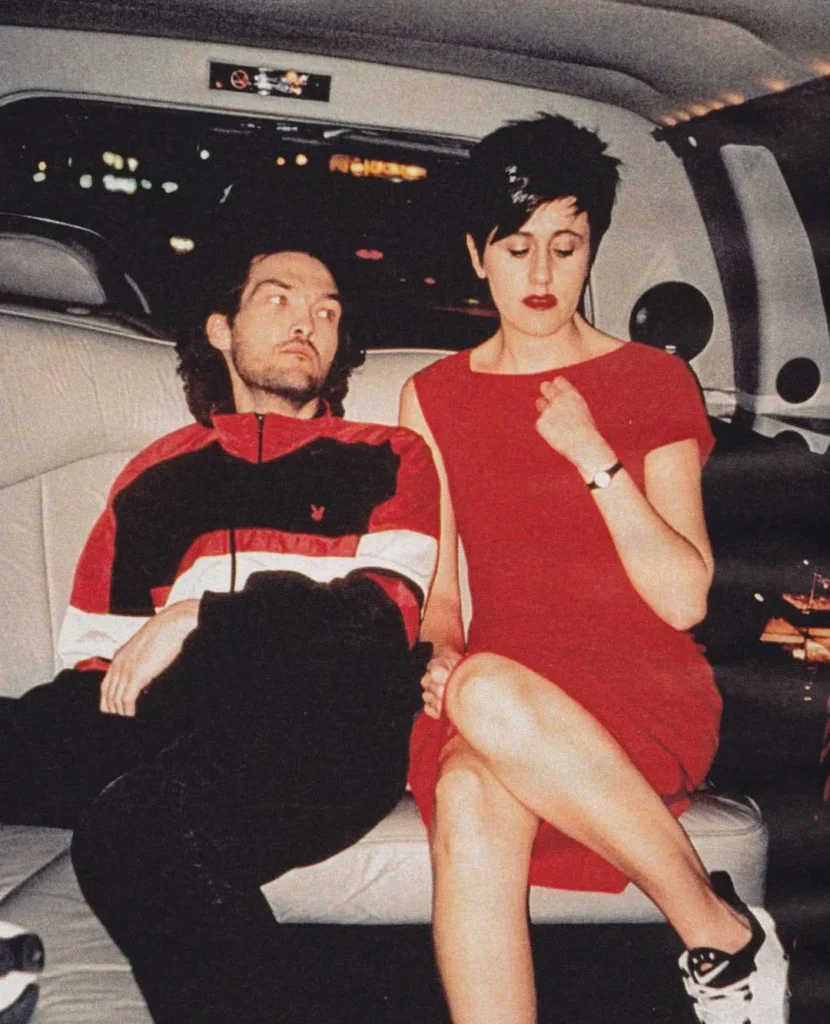
Tracey Thorn and Ben Watt of Everything But The Girl photographed by Marcelo Krasilcic for the cover of the album Walking Wounded, 1996. It’s just a great album from a very special era of electronic music, everyone should give it a listen.
4. The Art of Tishan Hsu
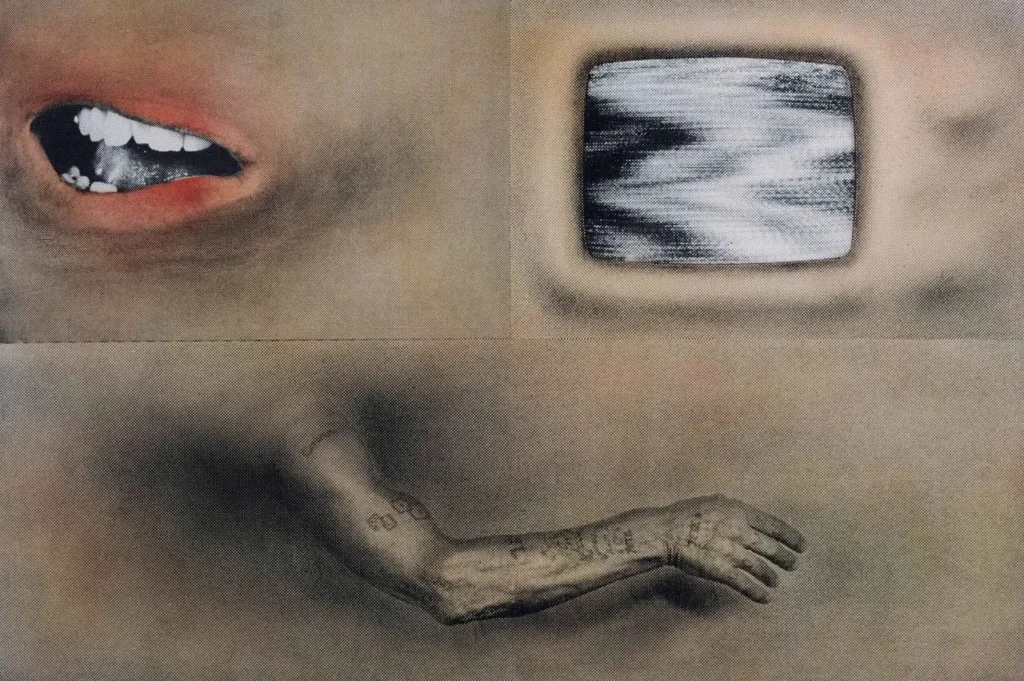
Above is a painting from 1997 titled “Lip Service” by American artist Tishan Hsu.
Tishan Hsu’s art was (and maybe still is) way ahead of its time, he explores the merging of the human body with technological systems, anticipating themes that would later become central to digital culture. Emerging in the early 1980s, his paintings depict biomorphic forms that resemble organs, circuitry, skin, and mechanical components fused into ambiguous hybrid structures.
Hsu’s work reflects anxieties and transformations associated with early computing, biotechnology, and cybernetic theory, presenting the body not as a fixed biological entity but as something porous, modifiable, and networked. Long before body horror became a big trend in film and art, Hsu’s paintings visualized a world in which flesh, machines, and information systems collapsed into one another. I think one day we’ll write an entire piece on his work, there’s definitely a lot to say.
5. Damo Suzuki’s Style
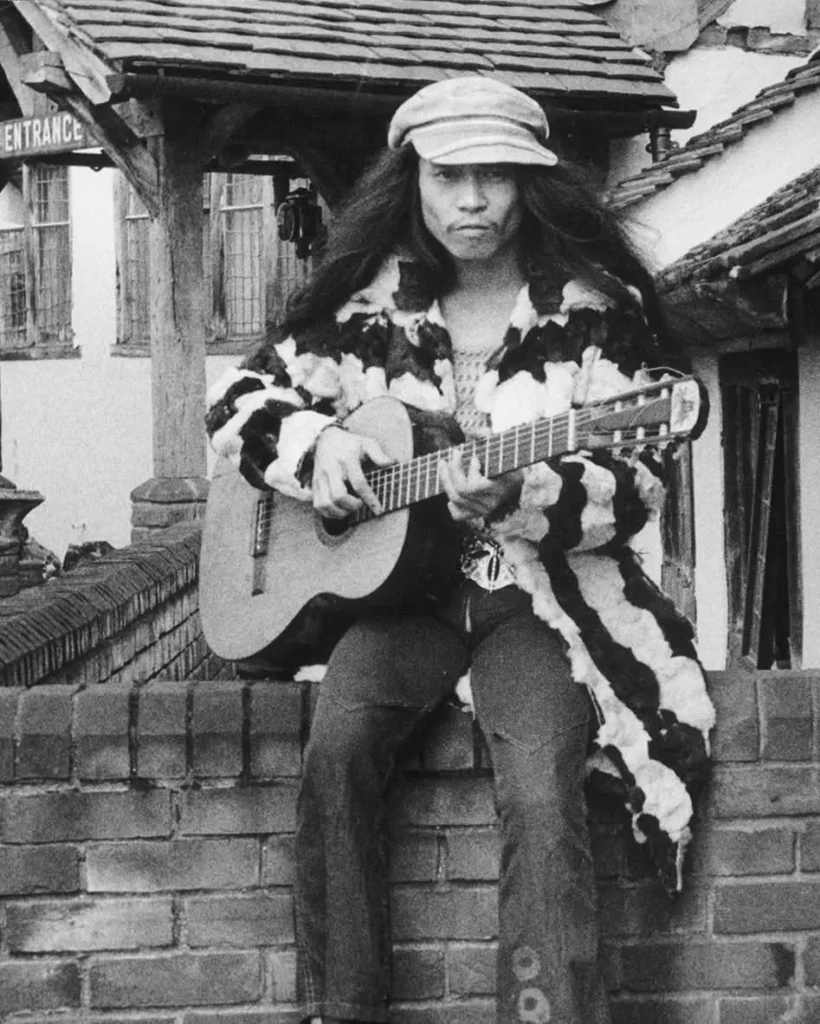
Damo Suzuki of the German experimental rock band Can. The exact date and photographer unknown. What is known, however, is that that fit is incredible, quintessentially 70s.
6. This Power Line Clothing Rack
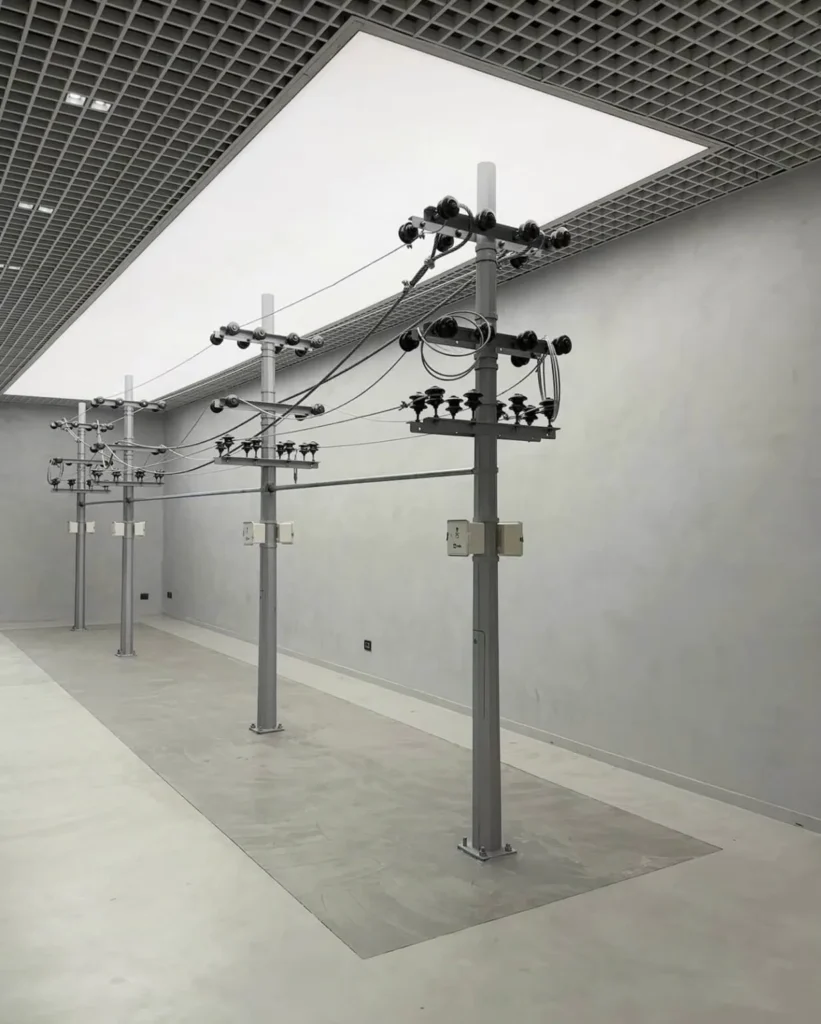
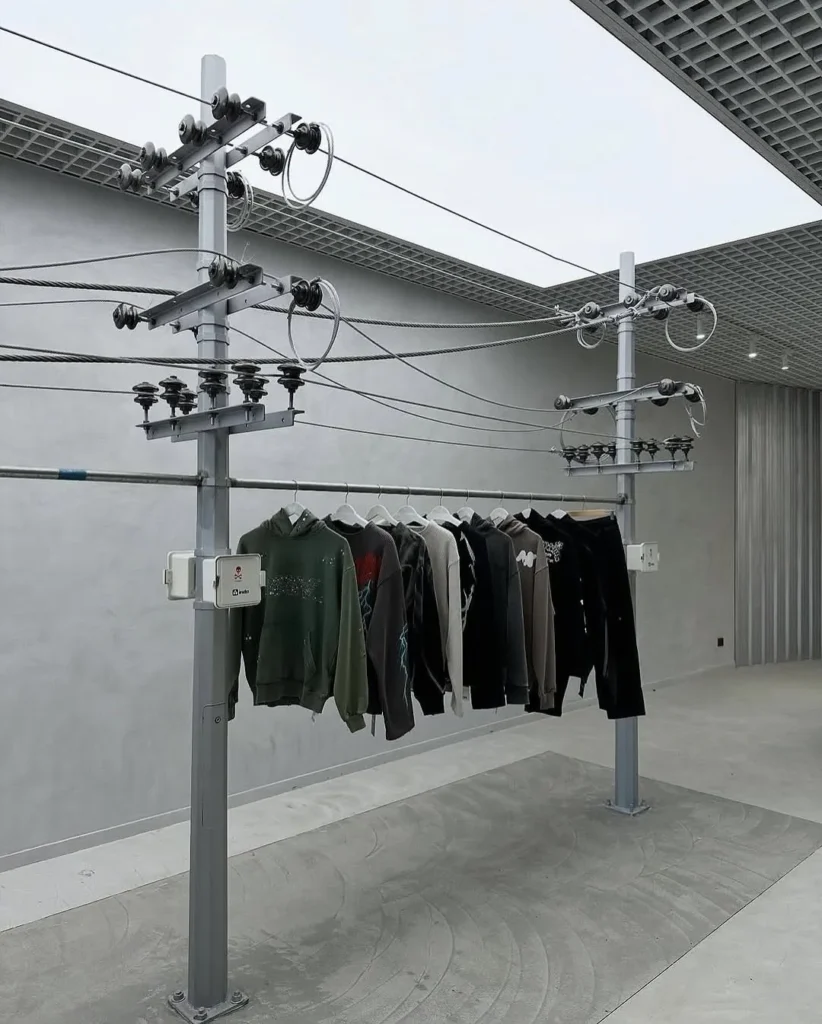
Jaywalking, a streetwear fashion house in Mumbai founded by Jay Jajal, installed a clothing rack at its store designed to resemble an electrical power line. This innovative installation transforms the basic retail garment rail into a striking centerpiece, in line with Jaywalking’s experimental approach to fashion and visual storytelling.
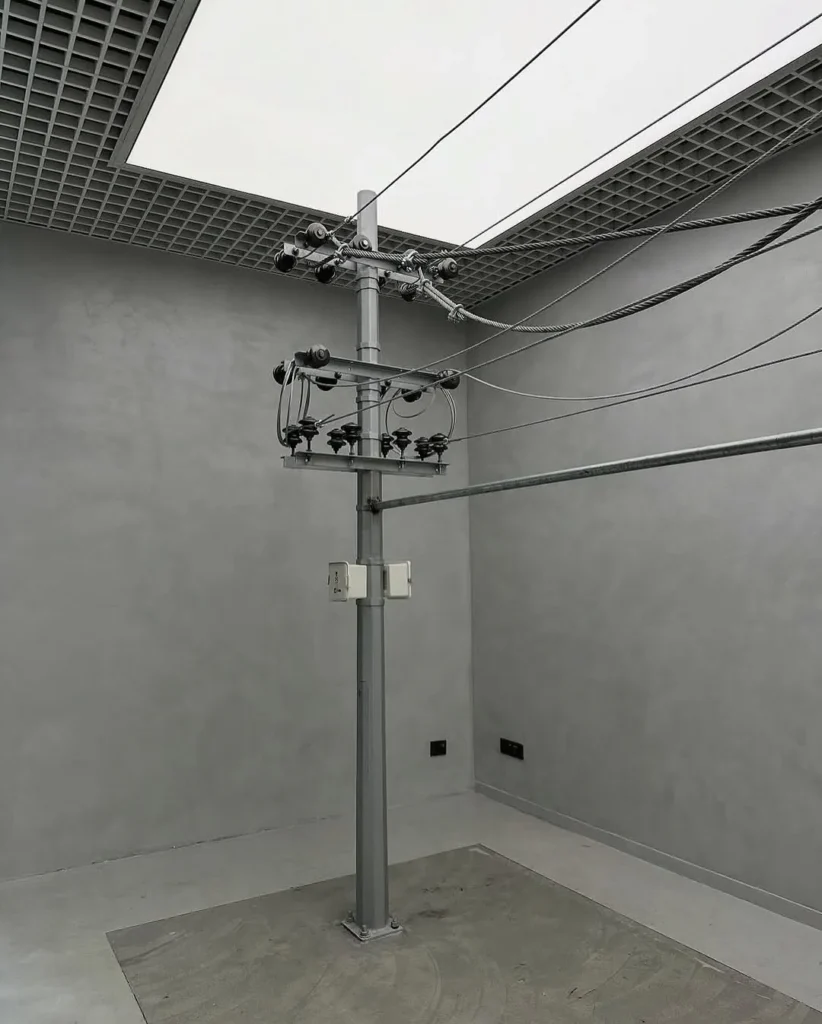
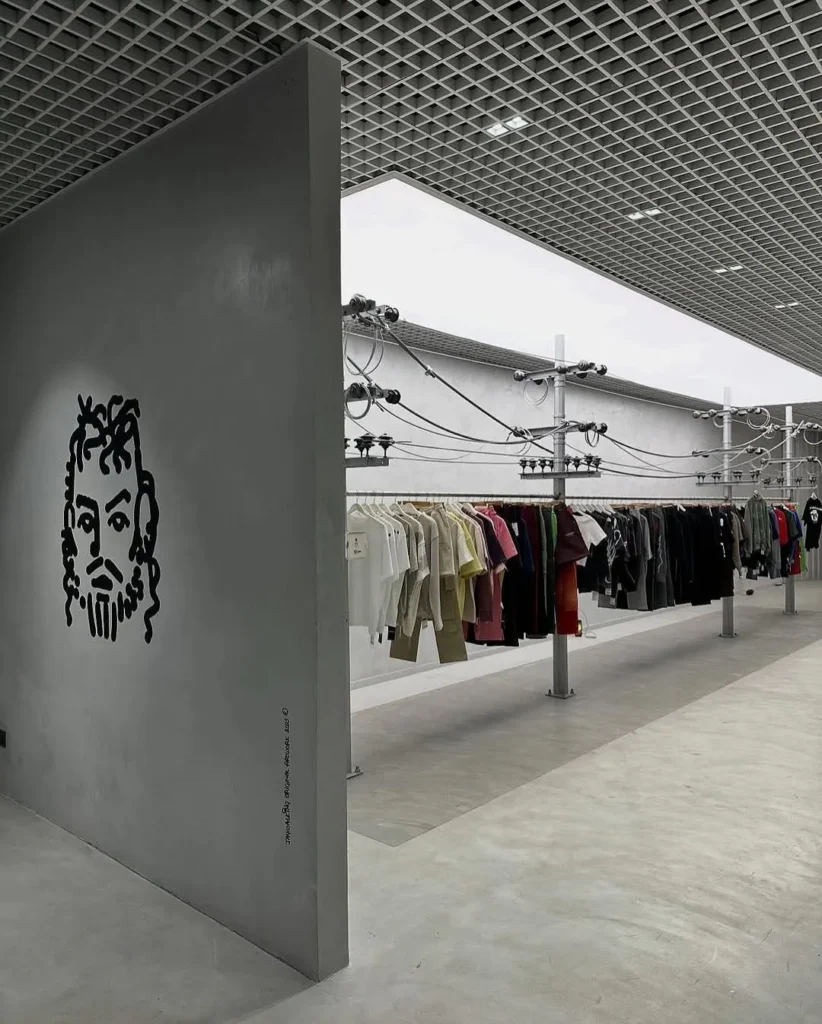

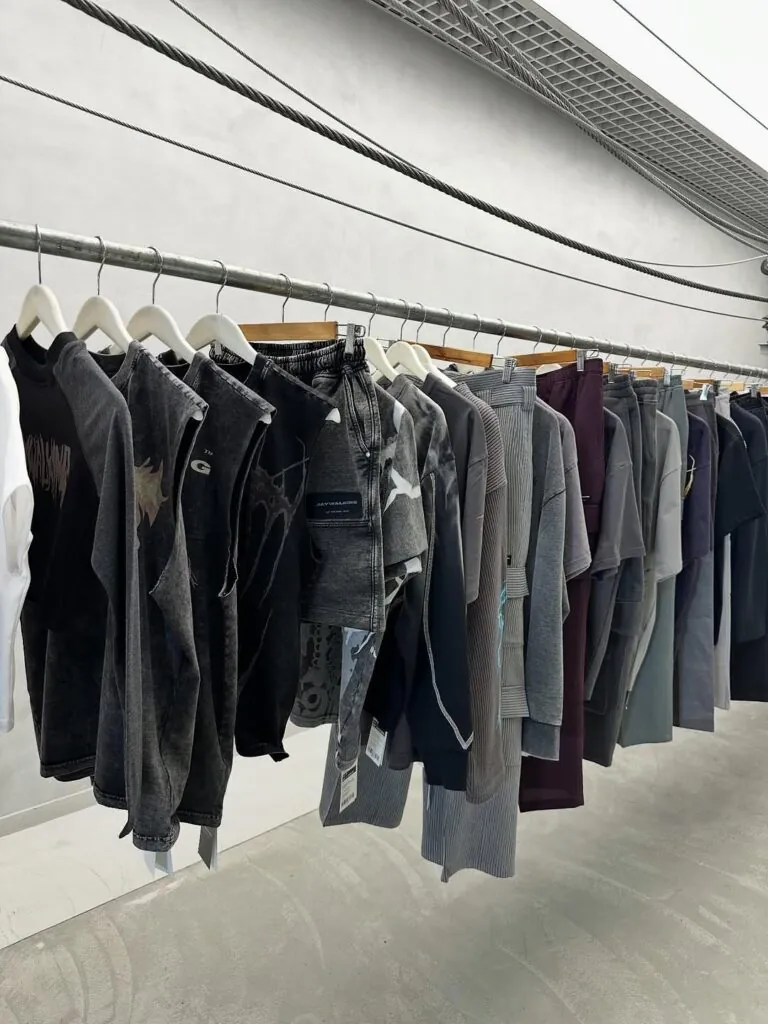

Rather than displaying clothes with conventional racks and shelving, the power line rack elevates garments by suspending them in a bold, industrial-inspired structure that visually echoes the local urban landscape, where people will sometimes (unadvisedly) hang their laundry out to dry on real power lines. The choice to meet the luxury with the ordinary and highlight a peculiar, if risky, local practice is an interesting example of how a brand can subvert aesthetic expectations through something as simple as a rack, in addition to giving a sense of place.
7. A Morbid 80’s Anti-Drug Ad
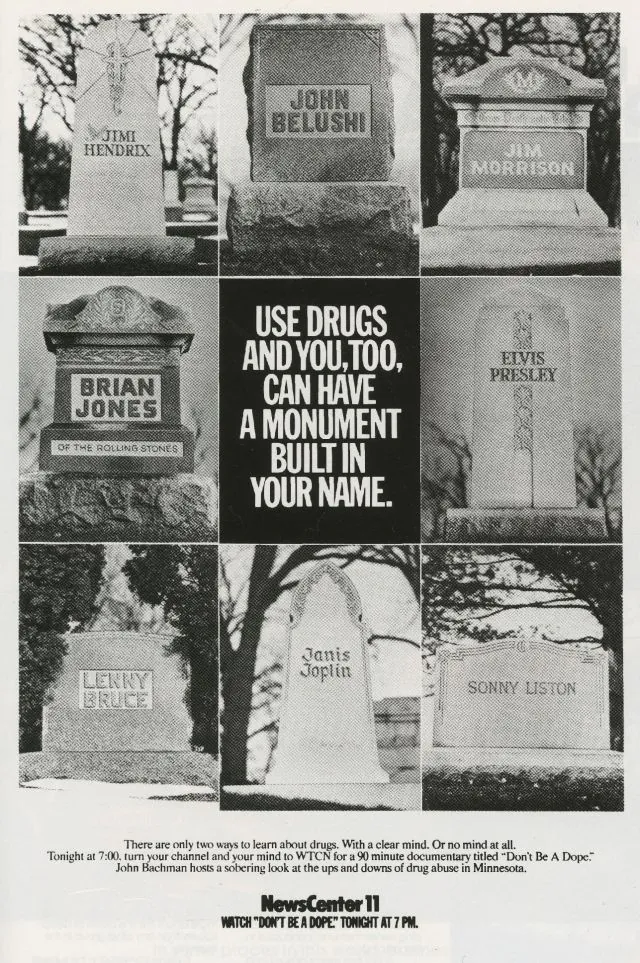
“Use drugs and you, too, can have a monument built in your name.”
The graves of famous celebrities including Brian Jones, Elvis Presley, and Jimi Hendrix are shown in an ad designed by copywriter Tom McElligott for a 1983 anti-drug TV documentary titled “Don’t be a Dope” hosted by John Bachman, evidently focusing on the problem of drug abuse in Minnesota.
8. Russian Criminals Getting Baptized in the 90s
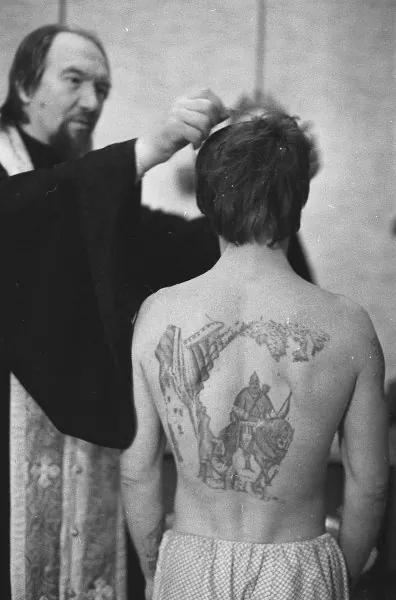
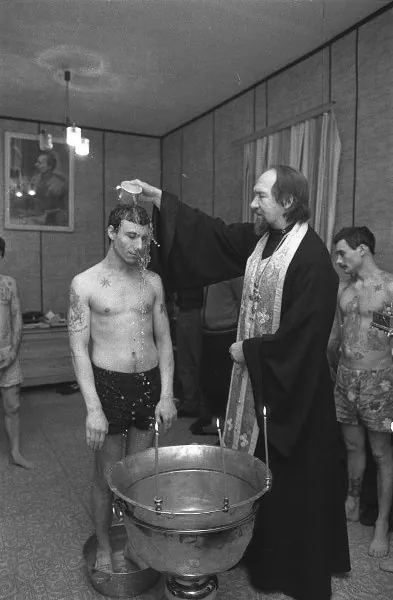
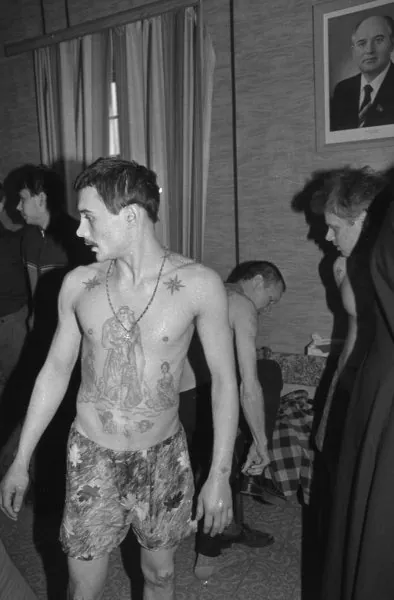
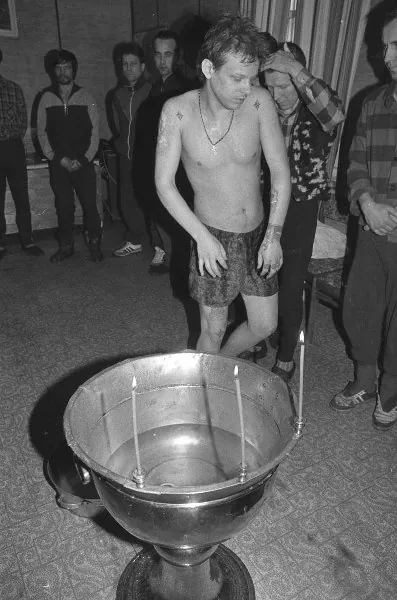
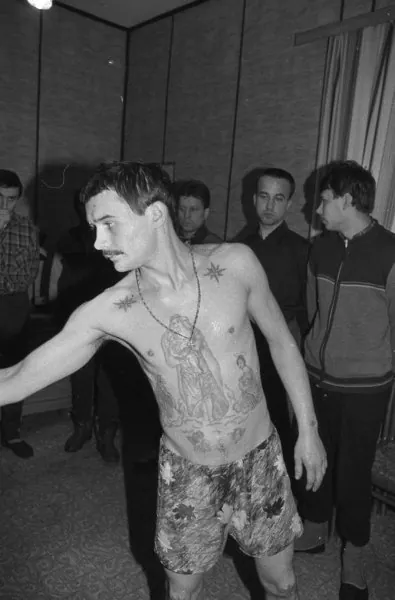
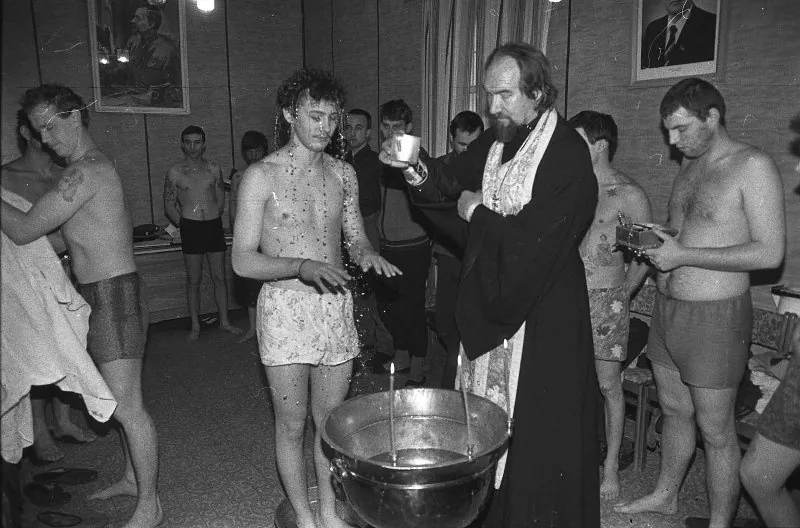
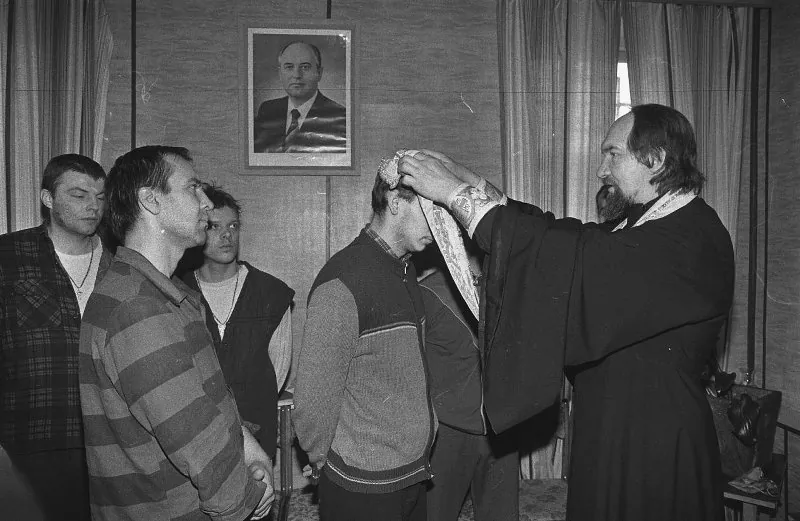
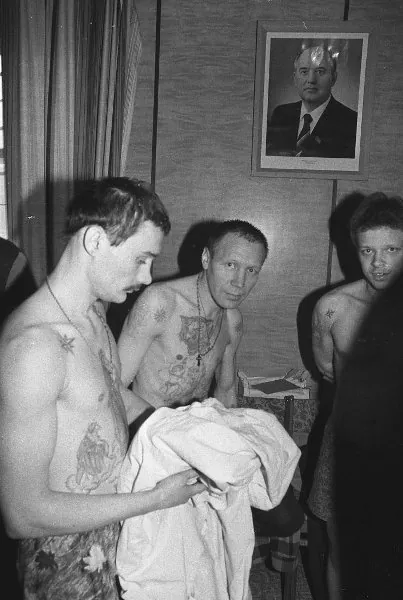
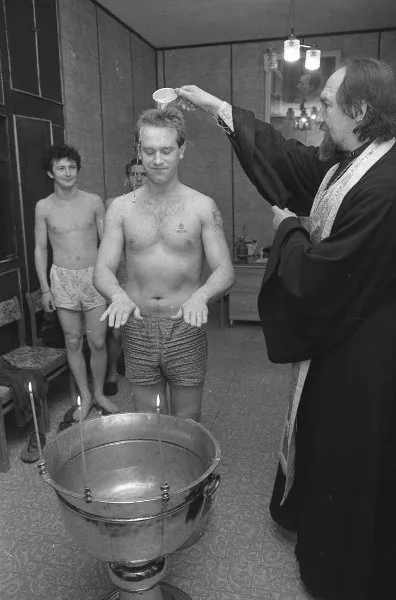
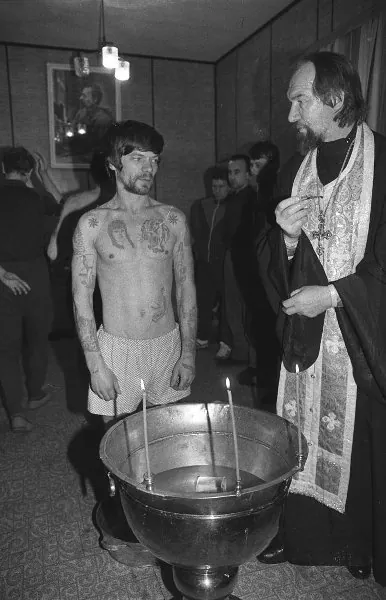
Tattooed Russian prisoners being baptised in Volokolamsk near Moscow, December 1990. This comes from a series of photographs taken by Yury Rybchinsky titled “Father Nikolai in the Volokolamsk Prison.” There are too many photos to post here, but the full series is worth seeing as as it shows the life of a prison chaplain just a year before the official end of the Soviet Union.
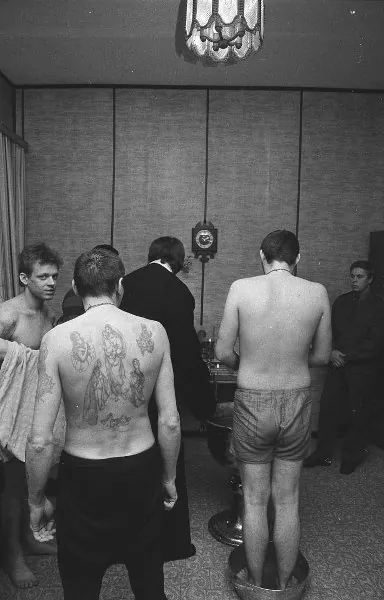
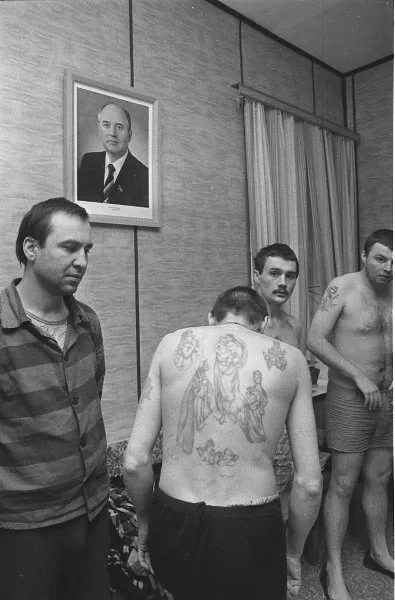
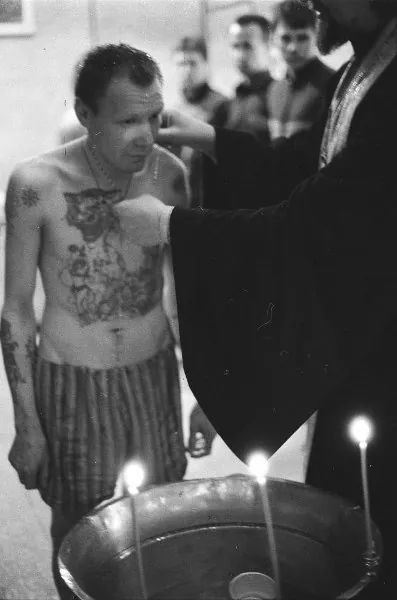
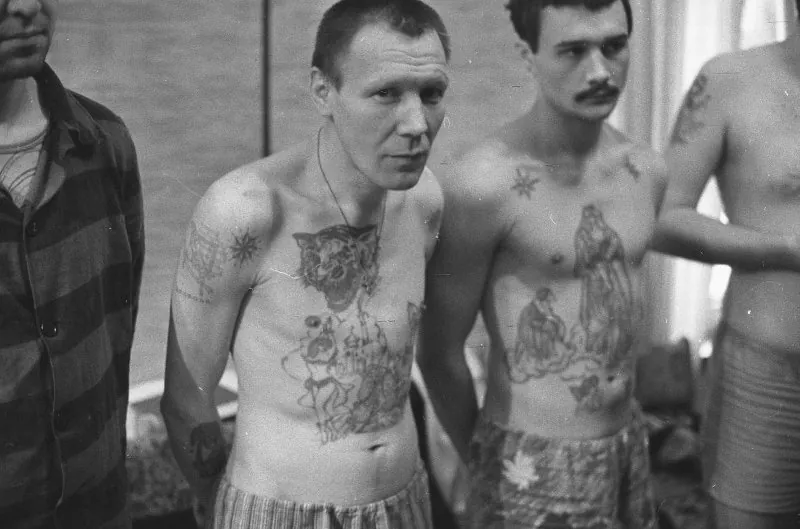
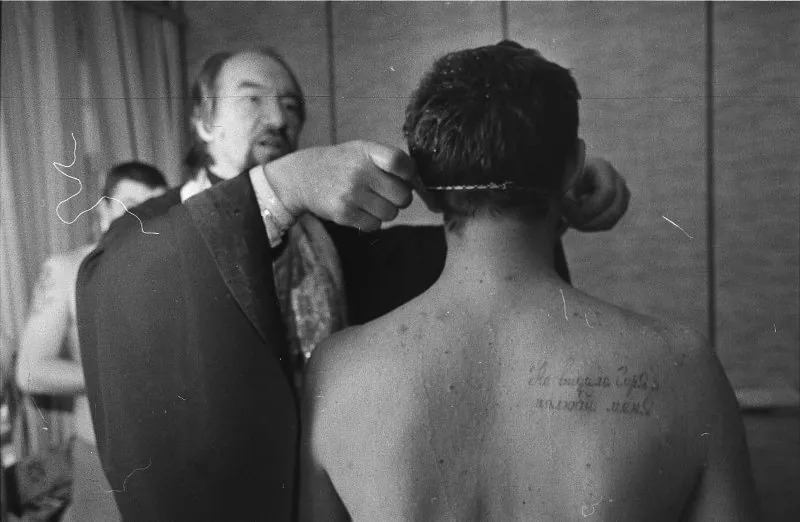
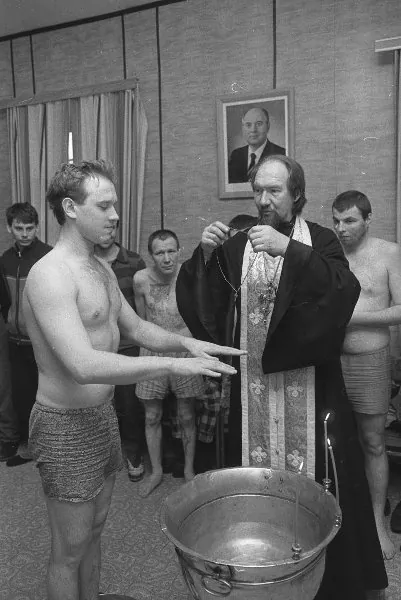
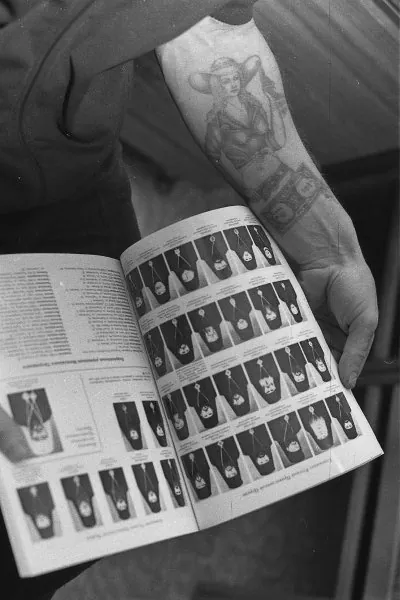
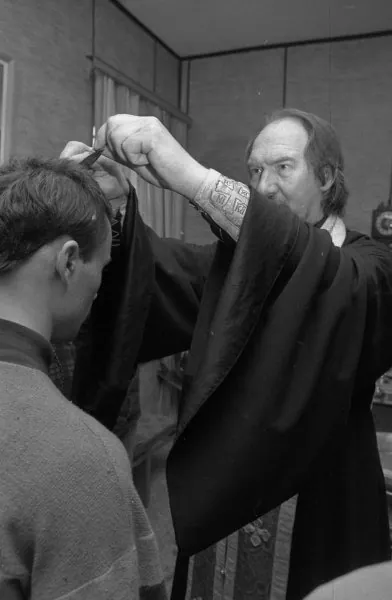
In the Russian Orthodox Church, baptism is understood not simply as a symbolic act but as a full spiritual rebirth, and the ritual reflects this intensity even when performed in improvised environments such as prisons. The traditional form involves triple immersion in water in the name of the Father, Son, and Holy Spirit, symbolizing death to the old life and entry into the Christian community. In prisons across Russia, where chaplains or visiting priests conduct services with limited resources, the ceremony is often carried out in makeshift settings, a plastic basin, a metal tub, or even a bucket used in place of a baptismal font.
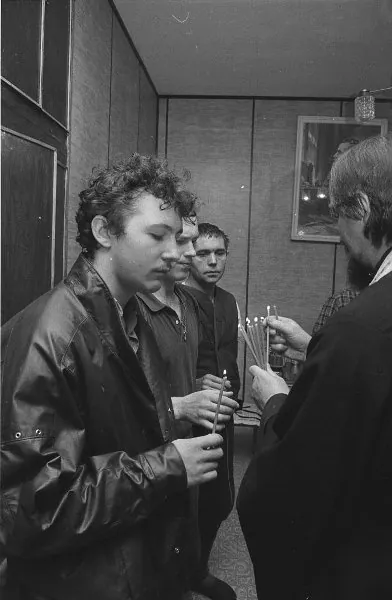
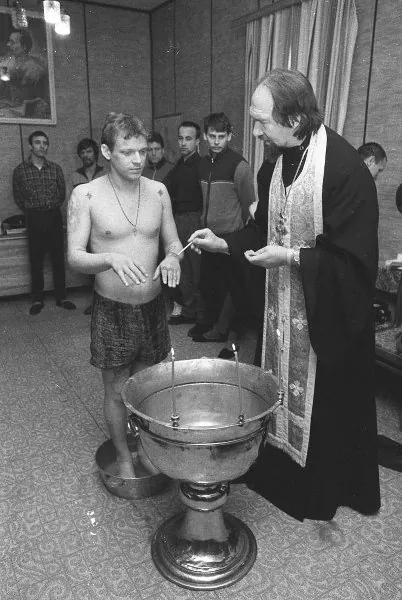
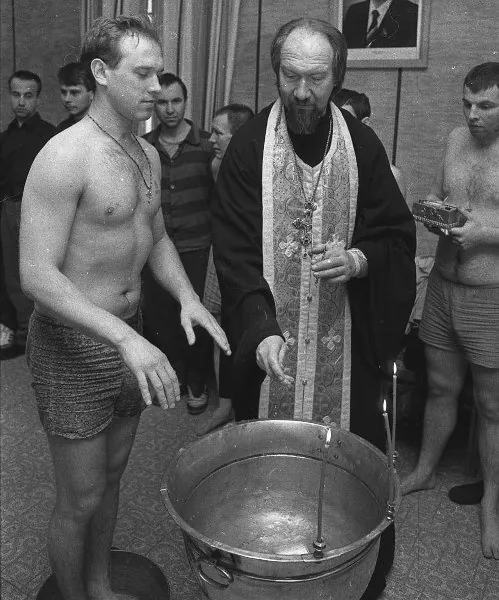
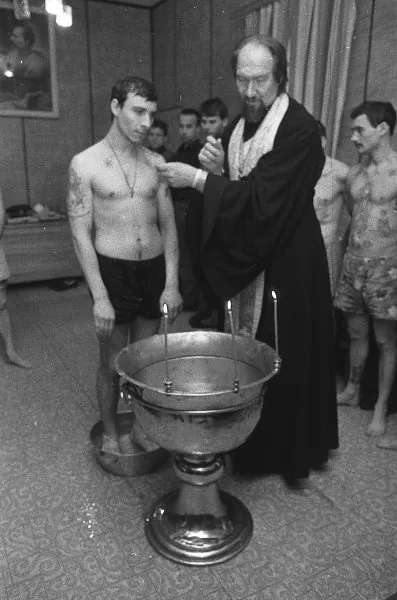
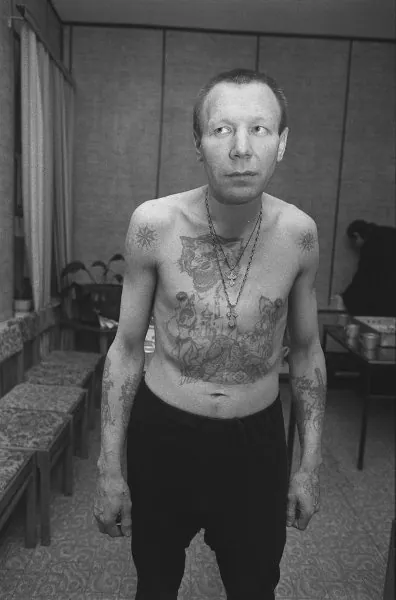
As seen here, prison baptisms are often collective, with groups of inmates waiting quietly as each man steps forward, sometimes shirtless or in prison-issued clothing, to be lowered into the water while other prisoners look on. The atmosphere tends to be solemn and intensely personal.
️
9. This London Punk
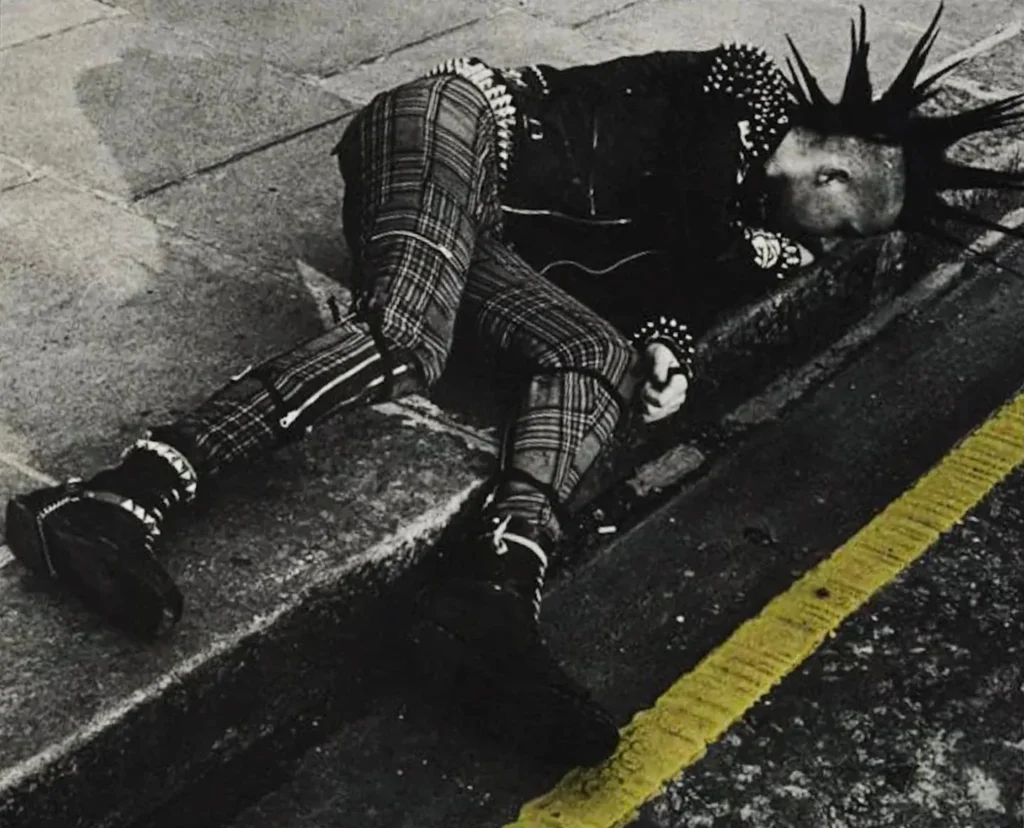
A London punk photographed by Phil Ward for the cover of Anagram Records’ 1981 compilation Punk and Disorderly III: The Final Solution.
10. Hamlet’s Helmet by Subodh Gupta, 2003
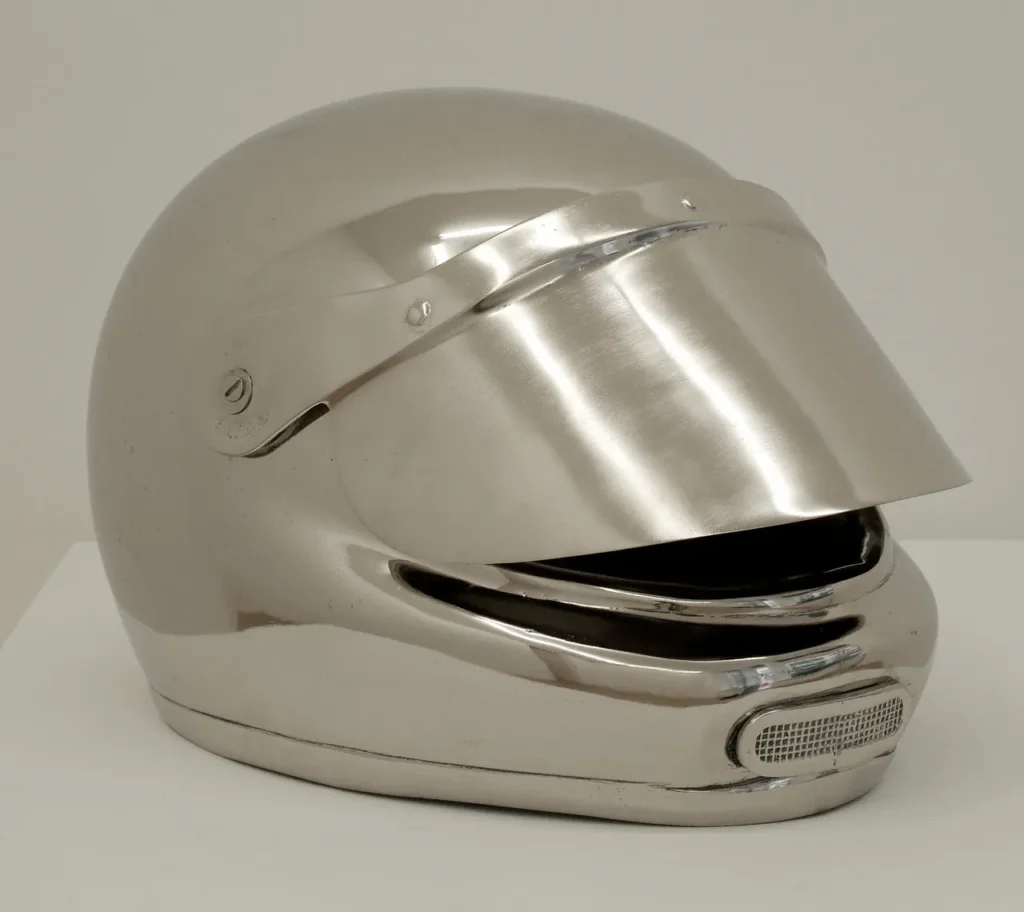
Subodh Gupta is an Indian artist that builds his sculptures from everyday metal household objects. Stainless-steel tiffin boxes, cooking pots, buckets, ladles and more are collected in huge quantities and welded or assembled them into other forms. The process is deliberately industrial and repetitive, echoing factory labor while remaining rooted in domestic life. Objects of ordinary domesticity turn into symbols of migration, globalization, aspiration, and inequality, suggesting how personal lives are absorbed into vast economic and cultural systems, even as they continue to carry memory, labor, and dignity.
This sculpture, one of his earlier works, is drastically smaller in scale compared to his other works, but it’s interesting how he managed to create a motorcycle helmet out of only reworked scrap metal that seems to resemble a classic knight’s helmet.