In September 1922, amid the fifth anniversary commemorations of the October Revolution in the capital of Azerbaijan, a little-known Russian music theorist realized one of the most audacious sonic projects of the early Soviet period: The Symphony of Sirens. His life is a story of radical invention, ideological fervor, and hearing the future of music long before anyone else could.
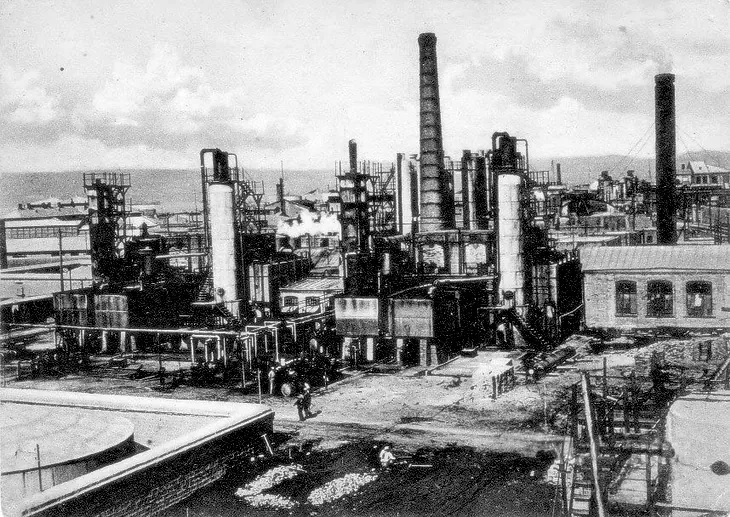
Staged in the oil port of Baku on September 23 (and tied to the broader November anniversary celebrations), the event proposed a radical premise. Rather than composing for an orchestra, Arseny Avraamov would orchestrate the city itself. Factories, oil fields, ships, military units, aircraft, and massed citizens were to function as ‘instruments’ in a single, coordinated composition.
Across Europe, avant-garde movements such as Futurism and Dada had already rejected inherited aesthetic forms and embraced rupture, machinery, and the violence of modernity. A decade prior, Italian composer Luigi Russolo had already called for the inclusion of industrial noise in music. Avraamov extended this logic further. His aim was both aesthetic and political: to dissolve the boundary between music, industry, and revolutionary spectacle. Industrialization was both performer and performance. The work aligned aesthetic radicalism with political symbolism, presenting mechanized sound as the audible expression of a new socialist order.
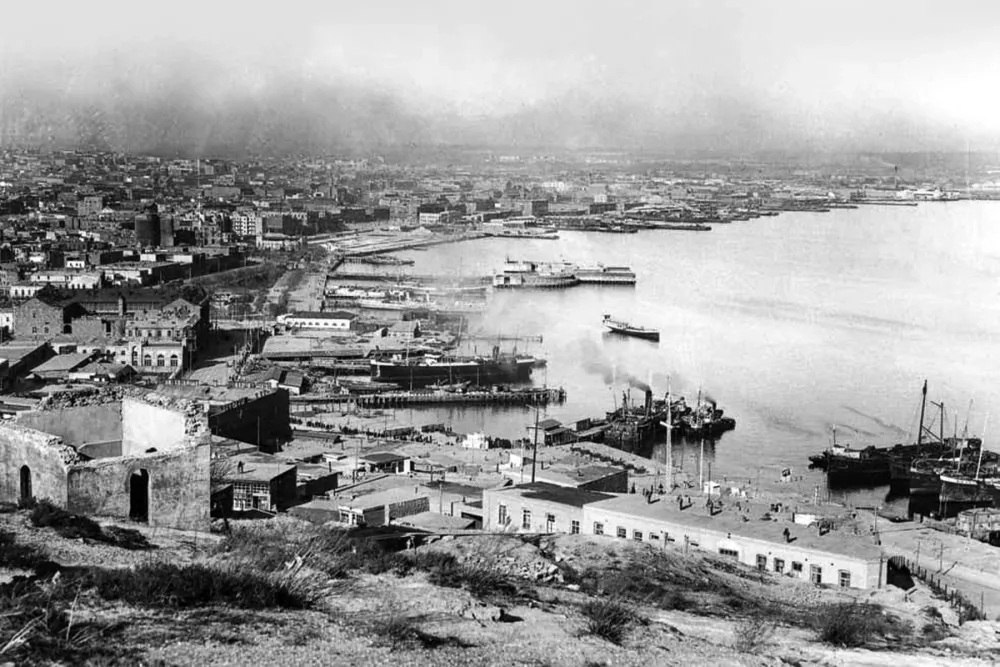
Avraamov’s initial concept envisioned a “symphony of the city” distributed across miles of urban space. Although the Baku performance was more contained than originally imagined and faced several issues, it remains unprecedented in scale to this day. All major factories and oil fields were instructed to sound their sirens in coordination. The Caspian flotilla contributed foghorns; locomotives added whistles; artillery and machine gun fire were incorporated as compositional elements; planes entered the sky; church bells, long associated with the old order, were folded into the composition; and a mass choir of thousands participated vocally, while onlookers were encouraged to join in the singing.
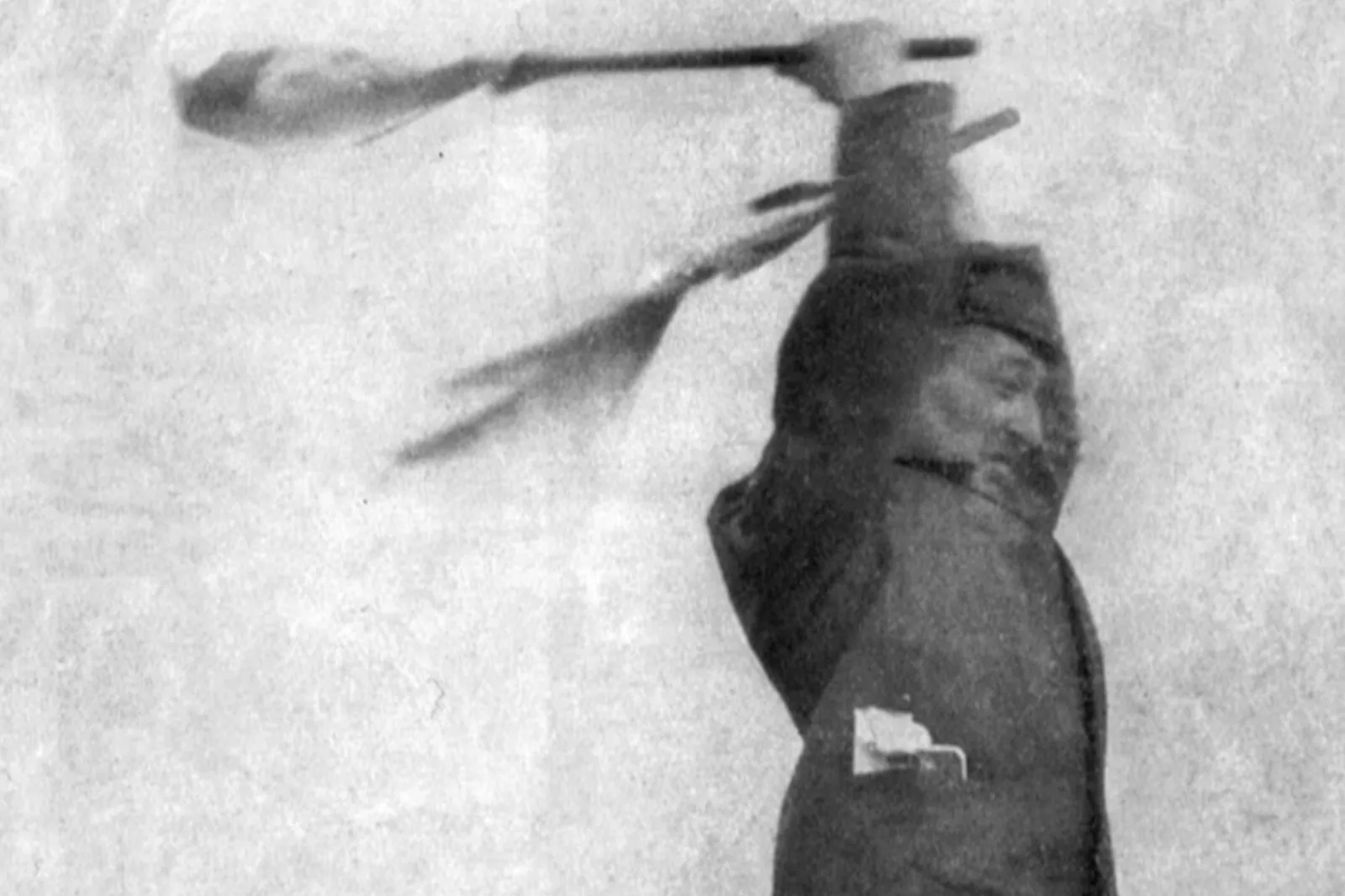
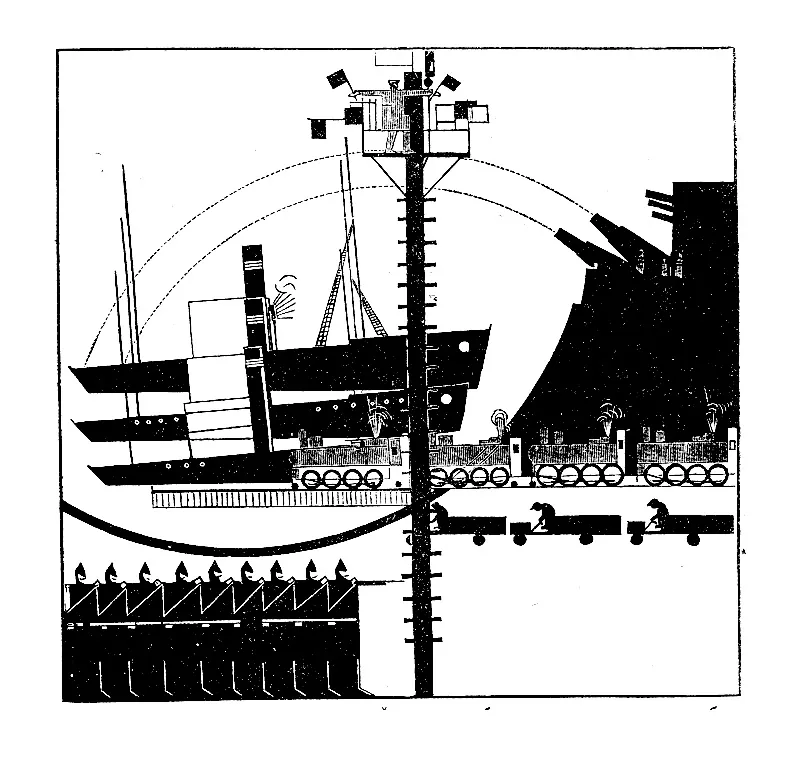
Central to the event was an instrument Avraamov designed specifically for the occasion: the Magistral. Constructed from fifty steam whistles mounted to pipes and operated by twenty-five musicians, it was built to be controlled in a manner analogous to a keyboard instrument. A separate unit of twenty-five performers aboard the torpedo boat Dostoiniy handled a separate set of whistles, expanding the tonal field across the harbor. Meanwhile, Avraamov served as a conductor, coordinating the entire performance from a tower overlooking the port, using colored signal flags and field telephones to coordinate the dispersed sound sources.
The wave of the first flag signalled a cannon to fire. The first shot signaled the factories’ sirens; subsequent shots activated dock and flotilla sirens in sequence. A military brass band began marching toward the harbor. Locomotive horns and machine-gun bursts entered the texture, accompanied by the whistles of the Magistral. At one point, seaplanes lifted off as thousands of voices shouted “Hurrah.”
The Internationale emerged gradually, beginning as a faint chorus before expanding into a massed choral statement. Later, the brass band introduced La Marseillaise, while cannons fired into the sea and machine guns into the sky. Church bells joined at the height of the crescendo, collapsing sacred and industrial sound into a single overwhelming field. The composition concluded abruptly after a final convergence of sirens, choir, brass, and the Magistral. Finally, a weighty silence hung over the city, its residents having just witnessed one of the most ambitious music performances in human history.
This moment was the literal and metaphorical height of Avraamov’s career. everything he had worked on prior and immediately following this moment was centered around this moment. Much of what followed would reference this moment, but none would match its scale or its clarity of intent. In Baku, Avraamov briefly achieved what he had theorized: the total transformation of music into a revolutionary instrument.
In life, Avraamov was known to people by many identities. Depending on the moment and the witness, he appeared as a cossack, militant revolutionary, inventor, acoustician, composer, vagrant, professional horse rider, folklorist, journalist, sailor, gymnast, oil worker, commissar, circus clown, and more. He was institutionally embedded in the young Soviet cultural apparatus: a founding participant in Proletkult, affiliated with a staggering amount of cultural and educational institutions throughout his lifetime. He organized research societies, established a sound laboratory, and became one of the earliest figures in the USSR to defend a doctoral dissertation in a musical-scientific field. He encountered figures at the center of Soviet power, including Lenin and leading Moscow poet Yesenin, yet spent equal time among remote mountain villagers in Central Asia.
Even his name was unstable. Across different periods he appeared as Arseny Avraamov, Revarsavr, Dmitry Donskoy, Arslan Ibrahim-ogly Adamov, and Axel Smith, among others. His manifestos on the “music of the future” were signed with cryptic aliases: Ars (shortened form of Arseny, but also the latin word for “art”), Az, and occasionally Perditur (latin for “destroyer”). He seldom revealed his true name to anyone.
The contradictions extended into his worldview. He rejected religious authority and traditional sacred music, yet repeatedly invoked biblical language and imagery in his writings, embraced names with scriptural overtones, and was known to understand the Hebrew language, despite never referencing it in his extant work. Like his compositions, Avraamov’s intellectual life moved between revolution, ritual, science, and mysticism, a figure attempting to redesign sound while still speaking in the symbolic vocabulary of the past in the service of the materialist future.
At the center of his thinking was a rejection of the Western well-tempered system. To Avraamov, the twelve-tone octave was not a neutral convention but a technological constraint that shaped how people heard the world. He eventually proposed a 48-tone “ultrachromatic” scale, the Welttonsystem, intended to reconcile tempered tuning with the natural overtone spectrum. Microtonality, for him, was not decorative complexity but a corrective: a way to align musical pitch with the physics of sound itself. This defined his life’s work, and his hostility to traditional tuning could border on the theatrical. In conversation with Commissar Anatoly Lunacharsky, he reportedly suggested burning every piano in Russia, arguing that the instrument embodied the ideological rigidity of tempered harmony.
Over his lifetime, Avraamov was incredibly prolific and his experiments extended well beyond large-scale urban performance. As early as 1916 he explored primitive forms of sound synthesis and sampling. A decade later, became a pioneer of electronic sound, devising methods for transferring sound waves directly onto film stock while working on the soundtrack of the first Soviet sound film, generating audio from drawn shapes rather than recorded vibration, preceding the first commercially available computer music by decades. In other projects he attempted to sonify algebraic equations and even chemical orbital structures, treating scientific data as potential musical material.
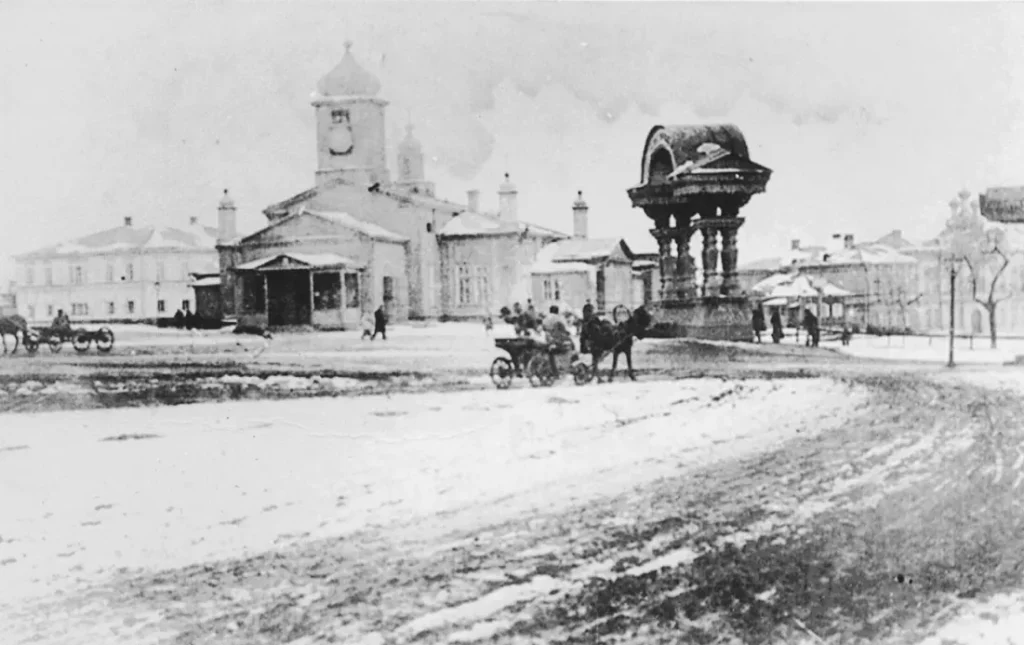
Accounts of Avraamov’s life are complicated by his own tendency toward mythmaking. In addition to his many aliases, he cultivated an aura around himself and occasionally dramatized details, yet the broad outline of his biography is well documented across multiple sources.
He was born Arseny Mikhailovich Krasnokutsky on the Maly Nesvetay farm near Novocherkassk into a prosperous and well-educated Don Cossack family. His father, Mikhail Kharitonovich Krasnokutsky, was a major general while his mother taught literature. Naturally, Arseny’s brother Aleksandr became both an officer and a poet. His family’s reputation carried a distinction that carried prestige before the Revolution and potential danger afterward. Avraamov rarely used his birth name in adulthood, aware that association with a high-ranking imperial officer could prove fatal in the volatile political climate he was growing up in. According to his daughter, the surname “Avraamov” first arose simply to distinguish him from numerous Krasnokutskys in his native village, though its Old Testament resonance gave it symbolic weight, and it was often a name chosen by priests rather than people in secular fields. For a Cossack officer’s son to adopt such a name was unusual, but for an artist seeking distance from military lineage as well as a break with inherited roles, it made a certain sense. Though he seldom spoke about his parents, it was nonetheless his ancestry that secured entry into elite cadet education.
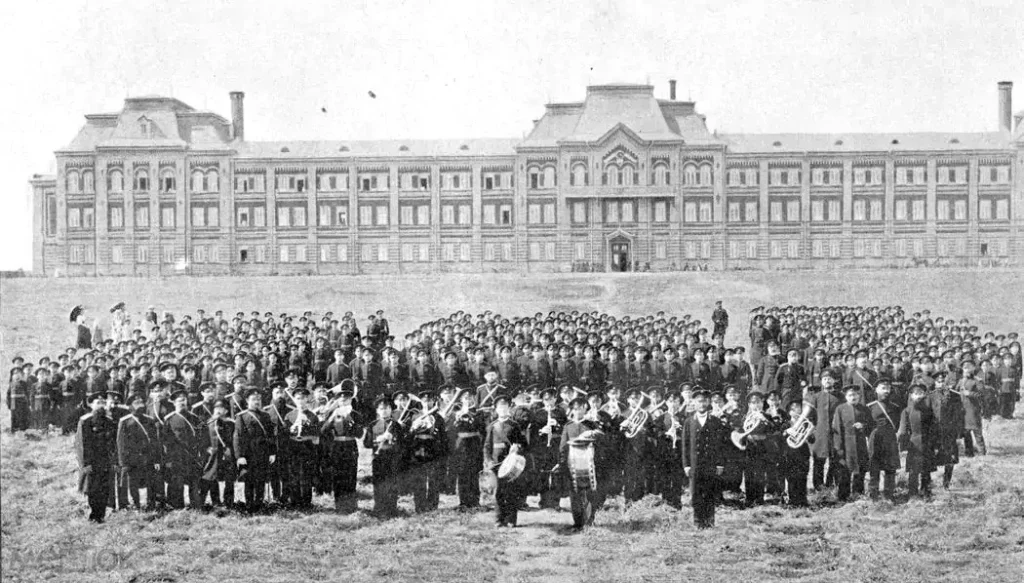
Despite some musical education beginning at the age of five, his upbringing pointed firmly toward a military career. As a teenager he began his studies in military sciences at the Don Cadet Corps in Novocherkassk. Still, he found an opportunity to explore other interests. At the Corps he combined formal studies with private musical pursuits, learning instruments and attempting early compositions. Yet the institutional environment suffocated him, and he turned his attention to another interest: politics. At fifteen he imagined shaking the foundations of the society he lived in any way he could.
As early as 1901, Avraamov organized a secret circle comprised of like-minded cadets who shared an interest in the Decembrists, an early attempt at staging a revolution in Russia, as well as and the ideals of the French Revolution. The group also revered other revolutionary figures from history such as the rebel Stenka Razin, a subject Avraamov attempted to write an early opera on based on a poem of another writer, Dmitry Navrotsky. Members of the group were especially fans of the work of French writer Félix Gras, who published a historical novel of the French Revolution just five years before.
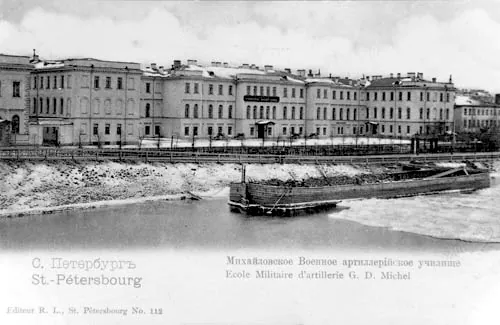
Despite his father’s rank, he never intended to serve as an officer and aimed for something beyond the bounds of society. “When we parted at the end of our course (in 1903), we made traditional vows to each other: to give our lives for freedom and the people, to revive the former glory of the Cossacks.” Avraamov recalled. Following his education in Novocherkassk, his parents forced him to continue his education in St. Petersburg at the Mikhailovsky Artillery School, which he protested. “There, I pursued a tactic of sabotaging my studies… I excelled in higher mathematics, chemistry, and artillery—but in all other subjects, I stubbornly received “1s” and even “0s”… Of course, at that time, I diligently contributed to liberal youth magazines and played music, always waiting for the opportunity to “do” something so drastic that I would be “kicked out” of the School myself.” Less than a year into his education in St. Petersburg, he intensified his campaign of academic sabotage and political dissent. After delivering a speech condemning both the military education system and the broader government order, he was branded a dangerous revolutionary, placed under police supervision, and effectively ended his military career before it even began. This, along with his purposely failing grades, gave him the result he had hoped for. He was expelled and sent back home to his parents.
He was undeterred, by autumn 1904 he was traveling between Russian towns participating in social-democratic political organizing on behalf of various student groups. Soon he moved to Ukraine and enrolled at the Kiev Polytechnic Institute, a place that carried a reputation for being a hotbed of political dissidence following a 1899 strike that resulted in the expulsion, arrest, and exile of 32 students as well as the formation of an underground revolutionary committee connected to the city’s wider movements. Just six months into his education there, attempts at revolution once again took hold, this time all across the Russian Empire.
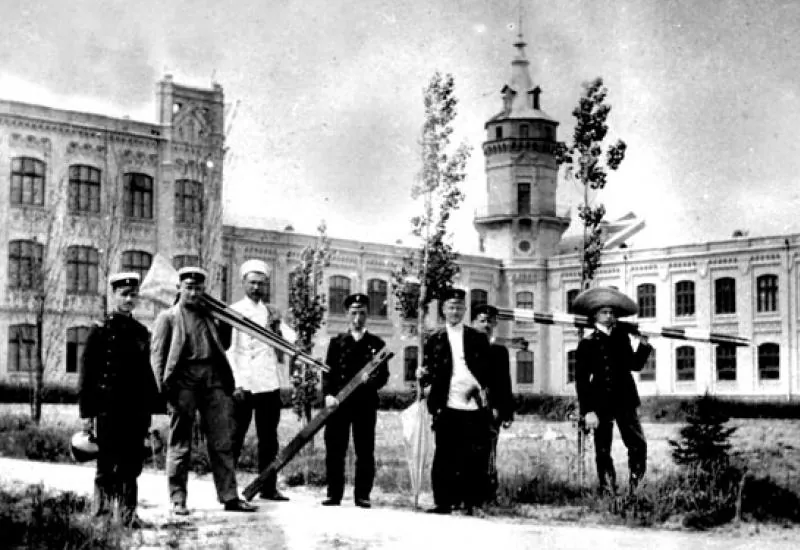
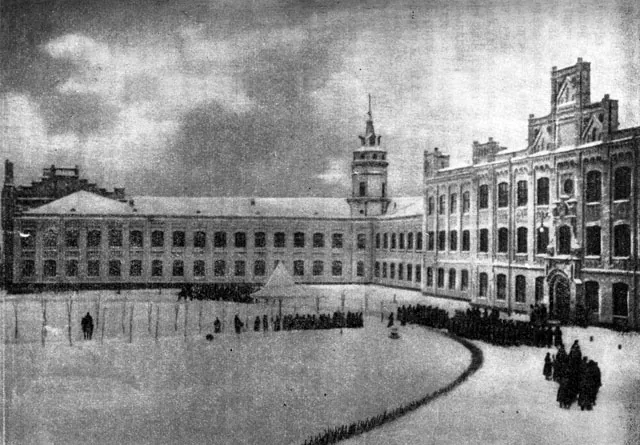
On January 15, 1905, Avraamov joined his fellow students in seizing the institute building using fire hoses and improvised chemical bombs. Following the events of Bloody Sunday just a week later, the students dug in, establishing a commune some 150 to 200 students strong, lending their support to socialist revolutionary and social democratic parties that were currently participating in wider unrest across the empire. The commune served as a major center of revolutionary activity in Kiev before it was subdued by a combined effort of police and military. Following the October Manifesto issued by Emperor Nicholas II in an attempt to restore order, the revolutionary activity died down for the moment and Avraamov returned to Novocherkassk. Determined to continue the momentum, he delivered a pro-communist speech almost immediately upon arrival and immediately faced the threat of reprisal. He fled once again to Rostov, only to find volence engulfed the region there as well, a close friend had been killed in a pogrom, and he once again left before he could be targeted.
The months that followed were marked by constant movement and deepening underground involvement. On the road back toward Kiev he received a Mauser rifle from a sympathetic militant, an Armenian terrorist, which he kept for years as his political activities intensified and he came under further scrutiny. Upon returning to the city, he found relative safety in the form of falsified documents under the name Dmitry Ivanovich Donskoy along with a “wife” to lend credence to the identity, arranged by his allies in the Ukrainian revolutionary movement. The arrangement proved short-lived. On November 18th, 1905, he was once again involved in an armed insurrection. In the process, authorities searched his apartment and discovered bomb-making materials hidden in a laundry basket, forcing him to flee. He spent months evading arrest before returning to Rostov in spring 1906, still only twenty, to find familiar political organizations he could have once counted on dismantled and repression ongoing.
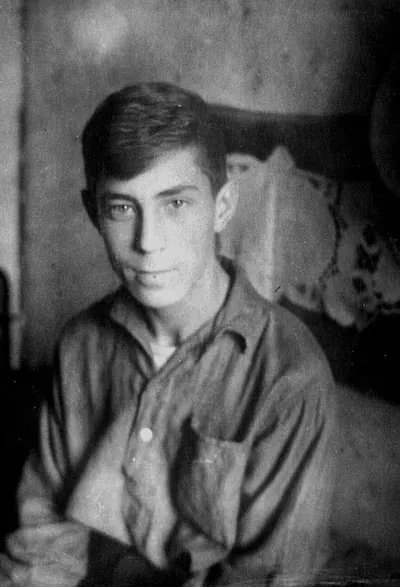
At this point he attempted a decisive rupture with his past. Abandoning the Donskoy identity and withdrawing from direct revolutionary activity, he turned toward an unexpected field: music. Determined to escape the military environment entirely, he left for Moscow in 1906 and, against his parents’ wishes, enrolled in the Music and Drama School of the Philharmonic Society, studying theory and composition.
Up to this moment, music had appeared only intermittently, as a childhood lesson, a cadet’s pastime, or a parallel interest alongside politics and agitation. The abruptness of the shift is striking. As he later wrote, with notable understatement: “I decided to pursue musical studies and the following year enrolled in the Moscow Philharmonic School, majoring in composition, where I studied until 1912.” The decision marked more than a career change. It redirected a revolutionary temperament toward the structures of sound itself, a move that would eventually lead him to challenge not only musical tradition but the acoustic foundations of modern life.
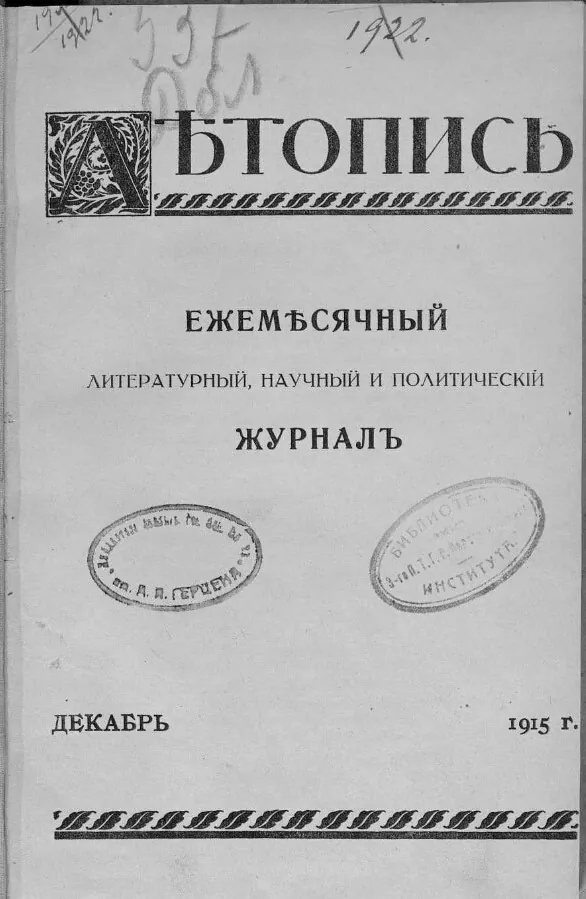
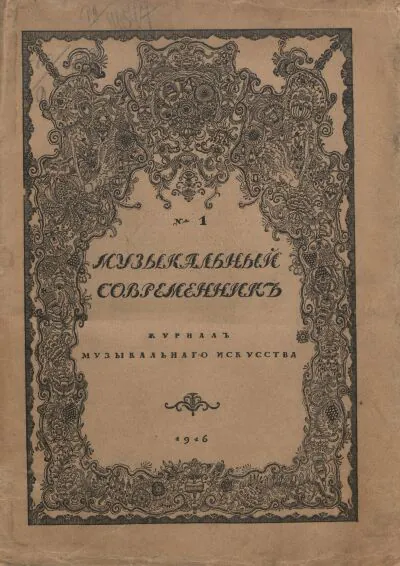
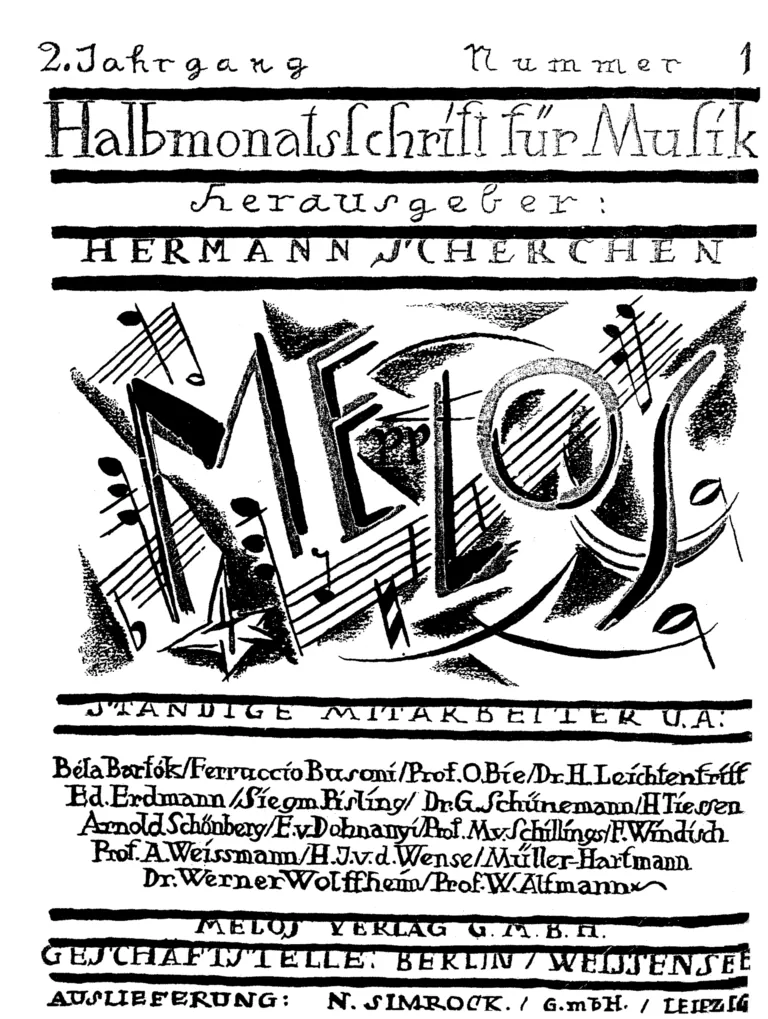
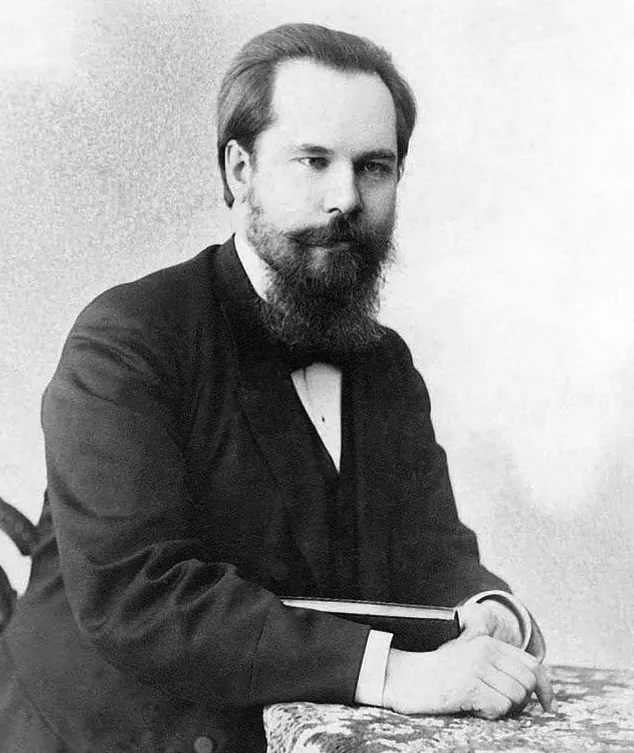
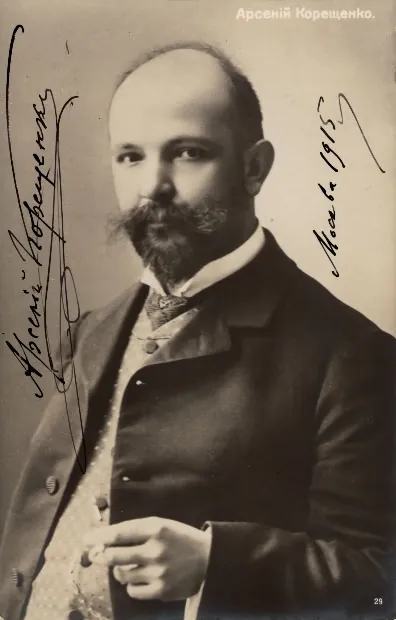
Compared with the turbulence of his early revolutionary years, the period between roughly 1908 and 1912 brought a measure of stability. During these years Avraamov immersed himself in formal musical study in Moscow. From 1908 to 1911 he studied music theory in the classes of the Moscow Philharmonic Society under Ilya Protopopov and Arseny Koreshchenko, while also taking private composition lessons with the composer Sergei Taneyev. By 1910 he had begun publishing as a music critic under the pseudonym Ars, contributing essays and commentary to student newsletters as well as Moscow and St. Petersburg periodicals, including the weekly Music, the journals Musical Contemporary and Letopis (Chronicle), as well as the German magazine Melos. In choosing music over a military career, he became the first member of his large Cossack family to pursue an artistic profession.
Determined to sever ties with the militarized environment in which he had been raised, he pursued rigorous musical literacy training. Protopopov, a composer and teacher of theoretical disciplines who wrote primarily for Orthodox liturgical services, provided a foundation in theory and church music traditions. Koreshchenko, a Moscow Conservatory graduate and former student of the Conservatory’s Professor of Piano Pavel Pabst, taught harmony and solfeggio and was known for operas such as Belshazzar’s Feast and The Angel of Death, the ballet The Magic Mirror, incidental music for Euripides’ tragedies, symphonic works, a lyric symphony, the cantata Don Juan, and arrangements of Armenian and Georgian songs. Koreshchenko had also been active as a critic since his student years, writing on musical culture and particularly on the songs of the Don Cossacks, a connection that likely resonated with Avraamov’s own background.
During this period Avraamov composed early chamber works that adhered to classical and traditional styles. Among them were Romance for Violin and Piano, a lyrical piece for violin with piano accompaniment, and Russian Dance, a composition evoking folk rhythms through conventional orchestration. These works, likely directly made under training under Taneyev and Protopopov, show his initial engagement with Western classical techniques before his later break toward radical experimentation. His formal musical education lasted only about six years, yet in that time he acquired proficiency in violin and piano performance, theory, and composition, a remarkably rapid accomplishment.
After completing his studies in 1912, Avraamov briefly studied composition and orchestration with Rimsky-Korsakov and returned to the Don region. There he worked as a music critic and lecturer, organizing what he called “symphonic chapels” in public reading rooms and leading musical-ethnographic expeditions to Don Cossack villages. These expeditions documented folk traditions but also functioned as vehicles for political agitation and propaganda, as he later acknowledged. His activities drew attention from authorities; he was reportedly press-ganged, captured, and thrown into military service.
Before long, his past caught up with him. While serving in a Cossack military division, his early life as a revolutionary resurfaced and he was arrested and jailed for propaganda activities. Remarkably, he managed to escape imprisonment, fled north, and eventually reached Sweden and later Norway, now under the name Axel Smith.
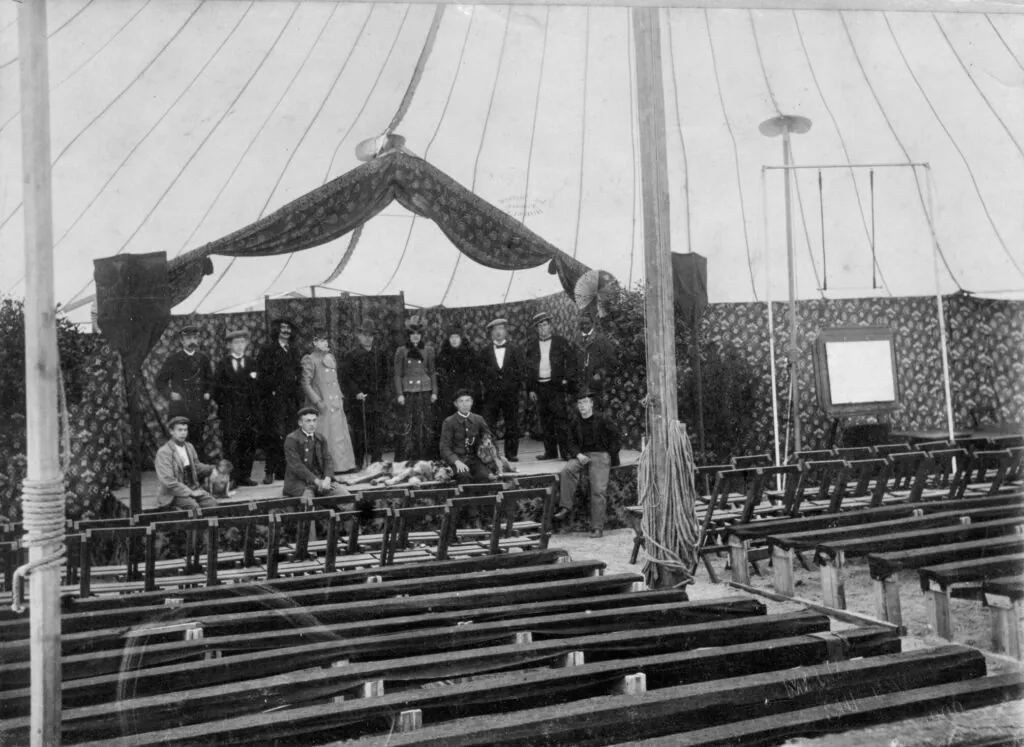
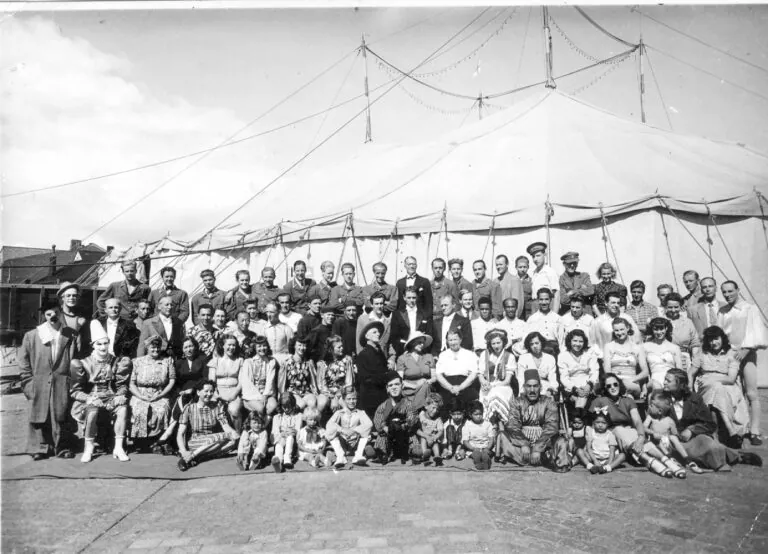
What followed was one of the most improbable episodes of his life. In 1913 he joined a traveling circus troupe. Presented as a Jigit, or a traditional Caucasian equestrian rider, he performed gymnastic routines on horizontal bars, demonstrated feats of Cossack trick riding, and worked as a musical clown. Following a short stint as a composer writing for local plays and performances, he was later hired on as a sailor in Norway, working as a stoker on steamships. After less than a year, now aboard the Swedish cargo ship Malmland, he traveled through Holland and Germany and finally made his way back toward Russia.
Arriving back in the Russian Empire by boat, Avraamov attempted to cross the border and was promptly arrested. He was released under an imperial amnesty issued to mark the 300th anniversary of the Romanov dynasty, arrested again soon afterward, and ultimately declared mentally unfit, a bureaucratic maneuver that ended the immediate cycle of detention. At this point music returned decisively to the foreground. He left for Moscow and St. Petersburg, resumed musical research and invention, and reentered the press as a critic and theorist.
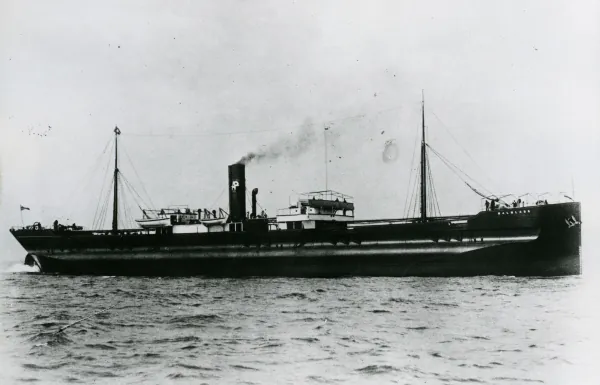
These years, oscillating between conservatory training, ethnographic fieldwork, political persecution, and itinerant life under assumed names, reveal a figure in constant motion. Even in this ostensibly “peaceful” phase, Avraamov’s life unfolded as a sequence of abrupt transformations, each widening his understanding of sound, performance, and the social role of music.
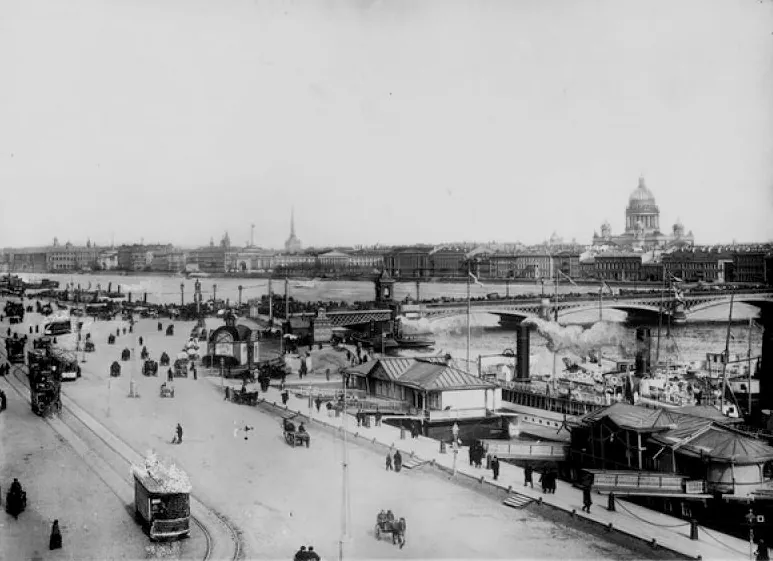
Settling first in St. Petersburg between 1914 and 1916 he gradually rejoined the intellectual and musical circles he had abandoned years earlier. He became a member of the editorial boards of Muzykalny Sovremennik (Musical Contemporary) and Letopis (Chronicle), while in Moscow he worked for Muzyka magazine. In a series of articles published during these years he elaborated his theory of microtonal ultrachromatic music and proposed new instruments capable of performing it.
Ultrachromatism refers to an expansion of the conventional twelve-tone equal-tempered system into finer divisions of pitch, aligning it closely with microtonality. Emerging in the early twentieth century through figures such as Ivan Wyschnegradsky, it rejected the limits of standard chromaticism by employing micro-intervals — quarter-tones and smaller — to open new harmonic and melodic terrain.
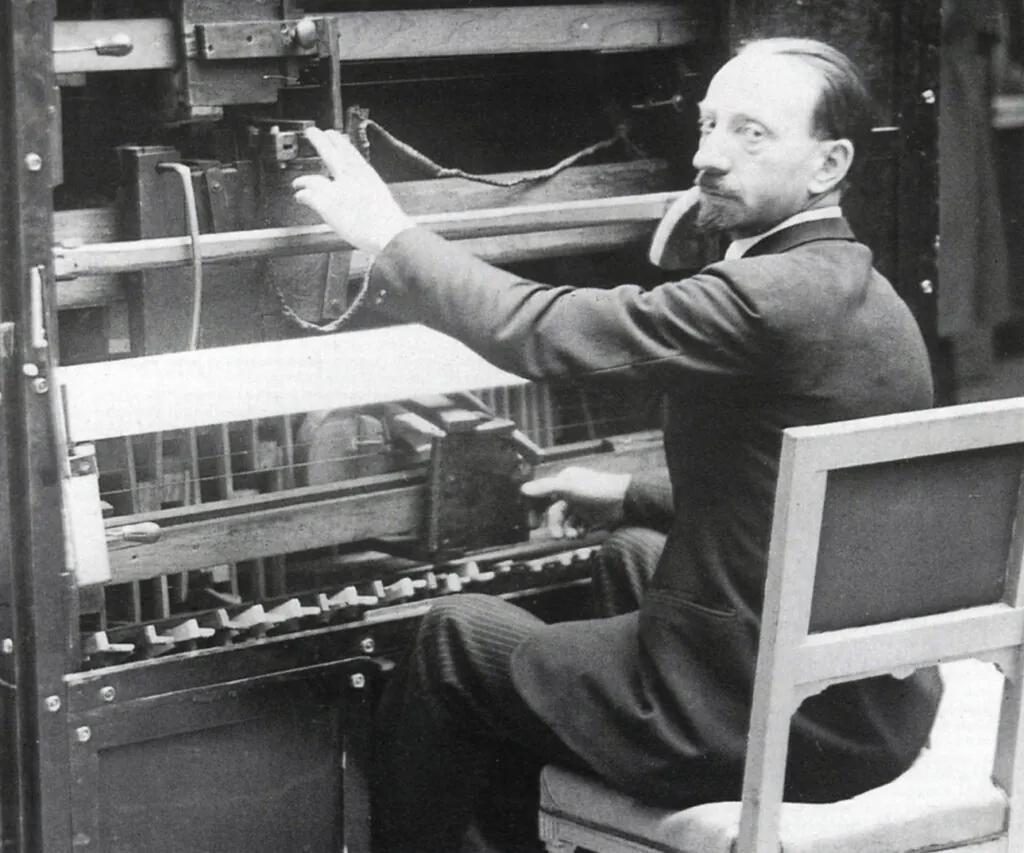
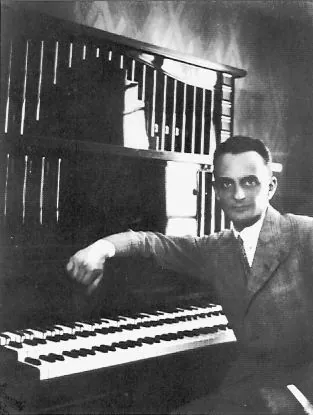
This idea was most popular with the Futurists, a movement that sought to break decisively with the cultural weight of the past and align art with the speed, machinery, and violence of modern life. Emerging in Italy before the First World War, and taking an especially strong hold in Russia, Futurism rejected tradition, celebrated industry and urban energy, and demanded forms of expression capable of matching a mechanized age.
Russolo, a major influence for many Futurists in Russia, called for music to absorb the sonic reality of the industrial age, treating mechanical and urban sound as legitimate musical material. Yet for many Futurists and post-Futurist experimenters such as Avraamov, this was only a beginning: the goal was not merely to incorporate new sounds, but to redesign the very foundations of musical structure and listening itself.
Despite his erratic biography, Avraamov had already established a reputation as a formidable critic and theorist. Composer Nikolai Roslavets wrote a letter of introduction to fellow musician and Futurist theorist Nikolai Kulbin urging him to assist “the skilled musician and the most talented journalist writing mainly concerning art.”
At the center of Avraamov’s work was now a sweeping ambition: to reform the very structure of music. Armed with formal training, he redirected his revolutionary zeal toward sound itself. He denounced the twelve-tone, octave-based equal temperament system, which he believed had distorted human hearing for centuries, and argued that the piano, as its most visible embodiment, symbolized a crippling constraint on musical perception. In his articles, he explicitly rejected the well-tempered scale that had dominated Western music since the era of Johann Sebastian Bach.
He began formulating ultrachromaticism in the mid-1910s, arguing that traditional Western harmony imposed artificial limits on sound. In 1915 his essay Ultrachromaticism or Omnitonality, published in Muzykalny Sovremennik, he proposed a system that would transcend diatonic and chromatic structures through microintervals. As with many Futurists experimenting with sound, this was inspired by Alexander Scriabin’s expanded harmonic language. Avraamov rejected fixed temperaments as obstacles to natural acoustic evolution.
In 1916, in The Coming Science of Music and the New Era in the History of Music, he outlined a mathematical model of musical processes, predicted techniques akin to modern sound synthesis, and emphasized spectral analysis over discrete pitch systems. It begins with a resounding protest against limitation: “Science gave me the legal right to create timbres nearly a century ago, having broken down every sonic color into its component parts, pinpointing to me precisely all the elements from which I can synthetically recreate any timbre I desire! Why should I limit myself to crude, imperfect approximations, content myself with the “achievements” of some unknown, perhaps semi-literate, masters who inspire not a shred of respect? For what? … Listen carefully to the intonations of human speech, compare its limitless capacity for the evolution of timbre with the most perfect instruments we have in music — the cello and the violin: how poor their capabilities are, how murderously monotonous is all the “chamber music” of a century and a half up to and including today! … “What if it were already possible today to transform a sustained flute chord into a powerful brass tutti within ten seconds (completely imperceptible to the auditory sense), and then, three seconds later, transform it just as imperceptibly into the calm and clear timbre of a clarinetto?”

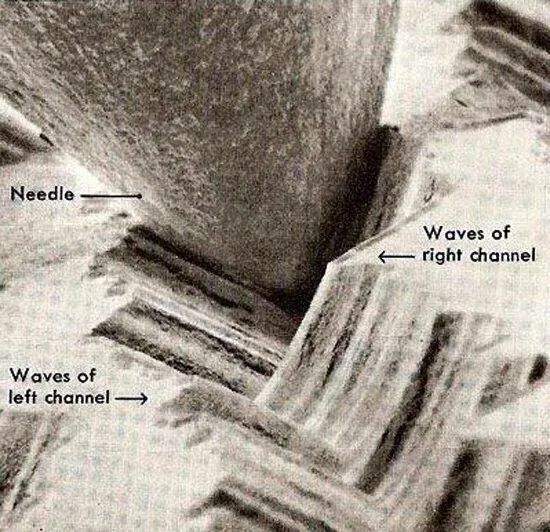
To accomplish this, he argued that by studying the physical structure of sound grooves on a phonograph record and reconstructing them synthetically, “one can create synthetically any, even the most fantastic sound by making a groove with a proper shape, structure and depth”. He proposed analyzing sound curves, directing a resonating needle, and constructing grooves of precise shape and depth to generate entirely new sounds, a concept anticipating sampling, resynthesis, and modern physical-modeling synthesis. The seed that would later grow to become the synthesizer and later digital music production as we know it today.
He wrote that science had already provided the means to decompose timbre into component elements and recombine them synthetically, making it possible to transform one instrumental color into another imperceptibly over time. He imagined devices employing tuning forks, electromagnetic currents, and controlled overtone activation to morph a flute chord into brass sonority and then into clarinet tone. He compared the expressive richness of human speech with the relative monotony of orchestral instruments and argued that composers should be able to sculpt timbre as fluidly as melody.
Avraamov insisted that musical knowledge, scales, rhythm, harmony, counterpoint, and instrumentation, could be placed on a rigorous scientific foundation. Mathematics, he argued, was essential not only to pitch relations but to timbre itself, requiring analysis of overtone series and the physical motion of strings, reeds, and air columns. He envisioned a future “science of music” that would systematize these principles into a coherent doctrine of creative possibilities.
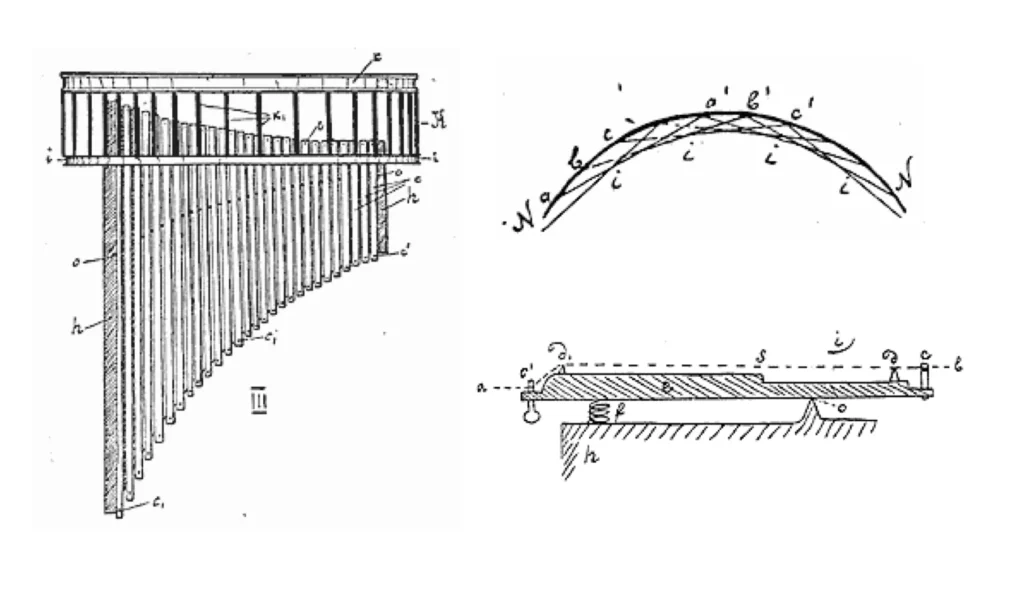
As with his contemporaries in Rossolo, Wyschnegradsky, and others, Avraamov argued that discussing ultrachromatic possibilities was meaningless without new instruments capable of realizing them. Existing instruments, he believed, were fundamentally unsuitable. The new instrument, he argued, needed to meet three requirements. Firstly, a sustained tone with real-time dynamic control. Secondly, a completely free intonation across a continuous pitch spectrum, and lastly, polyphonic capability enabling a single performer to produce complex harmonic structures.
As an initial solution he devised the bowed polychord, an instrument capable of producing an “unlimited variety of harmonic complexes” within a continuous scale. A mechanical instrument whose bow wheel was operated by foot, the bowed polychord an impractical but symbolic step towards a new musical practice. Given his recent work as a circus musician and clown, the mechanical ingenuity of the device may owe something to performance spectacle as much as acoustical theory. Its absence of fixed pitches was intended to retrain hearing distorted by what he called the “Bach legacy,” render earlier repertoire unreproducible, and stimulate new harmonic forms. By now he was proposing division of the octave into 48 equal microintervals.
“J.S. Bach, one of the greatest true Futurists of his century, exemplifies the sad fate of Futurism in general: despite the unattainable (even for us) dimensions of his genius, his work can be accepted today only with significant formal reservations… Hence the furious vandalism (and unceremonious, at that) to which the great artist falls victim before our very eyes. It is impossible to justify the vandals, but it is not difficult to understand them: no matter how much the artist considers himself superior to modernity, he is still its flesh and blood, and future generations, if they appreciate his genius, will at least outgrow it both emotionally and technically: the bland aftertaste of the “historical” will be an eternal temptation for them to rectify their faded palates with the hot peppers of modernism.” he wrote.
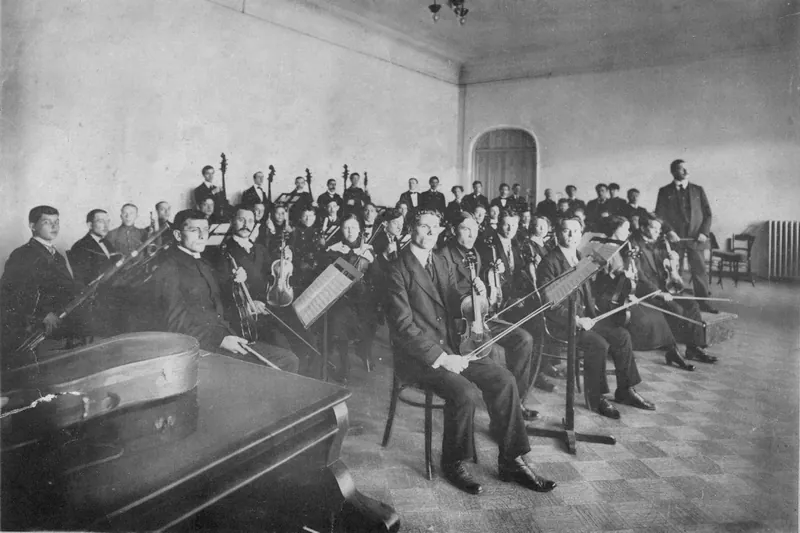
Having described Bach as both a Futurist of his era and a criminal for delaying the logical evolution of sound, his positioned the musical past in revolutionary terms: both foundation and obstacle, but his theories were not just noise that fell upon deaf ears. In the same year as his essay was published, he was already teaching Musical Acoustics at the Presman Conservatory in Rostov-on-Don. During this period he continued writing about artificial timbre creation, effectively anticipating synthesizers decades before their widespread appearance. Although he had found early institutional success, his conflicts with the law did not cease. Later that same year, he had again faced trouble, this time in St. Petersburg, reportedly after being mistaken for someone else, though he ultimately proved his identity and remained out of prison or compulsory military service. As the First World War swept across Europe, Avraamov largely avoided the conflict. His brother Aleksandr, having still remained an officer in the military, met a harsher fate, dying on the frontlines of the war just a year before Russia’s involvement ended.
The pivotal year of 1917 in Russian history reshaped not only the country’s political order but the intellectual and artistic trajectory of the young composer and theorist Arseny Avraamov. In the months surrounding the revolution, he moved decisively from speculative inquiry into music theory toward institutional, technological, and ideological action. His writings from this period called for a union between artistic practice and scientific analysis, arguing that music could no longer remain a mystical or purely intuitive art. Instead, he urged collaboration among composers, engineers, mathematicians, and physicists to uncover the objective laws underlying sound and musical perception.
This vision began to take institutional form in the spring of 1917, when Avraamov, inventor Evgeny Sholpo, and the young mathematician and musicologist Sergei Dianin founded the Leonardo da Vinci Society in St. Petersburg. The group took inspiration from Leonardo’s synthesis of art and science, embracing empirical investigation and technological experimentation as tools for understanding the mechanics of artistic creation. Their goal was nothing less than a paradigm shift in music theory and technique grounded in interdisciplinary research.
Central to the Society’s research was the idea of “non-performing music”, sound produced through technological means rather than traditional instrumental performance. This concept, building on Avraamov’s essay from the year before, imagined what members described as an “alchemical” transformation of music: the generation of sound liberated from traditional notation, the physical limitations of performers and instruments, and anticipating a mechanized and scientifically controlled sonic future. From these investigations emerged the early foundations of what would become drawn sound, a technique in which sound waves could be directly inscribed onto film and converted into audio during playback. The conceptual roots of this idea can be traced to the futurist speculations of Velimir Khlebnikov, whose visionary writings imagined new technological languages and sensory systems. This would be an idea Avraamov would return to and continue to develop in later experiments with synthetic and graphic sound.
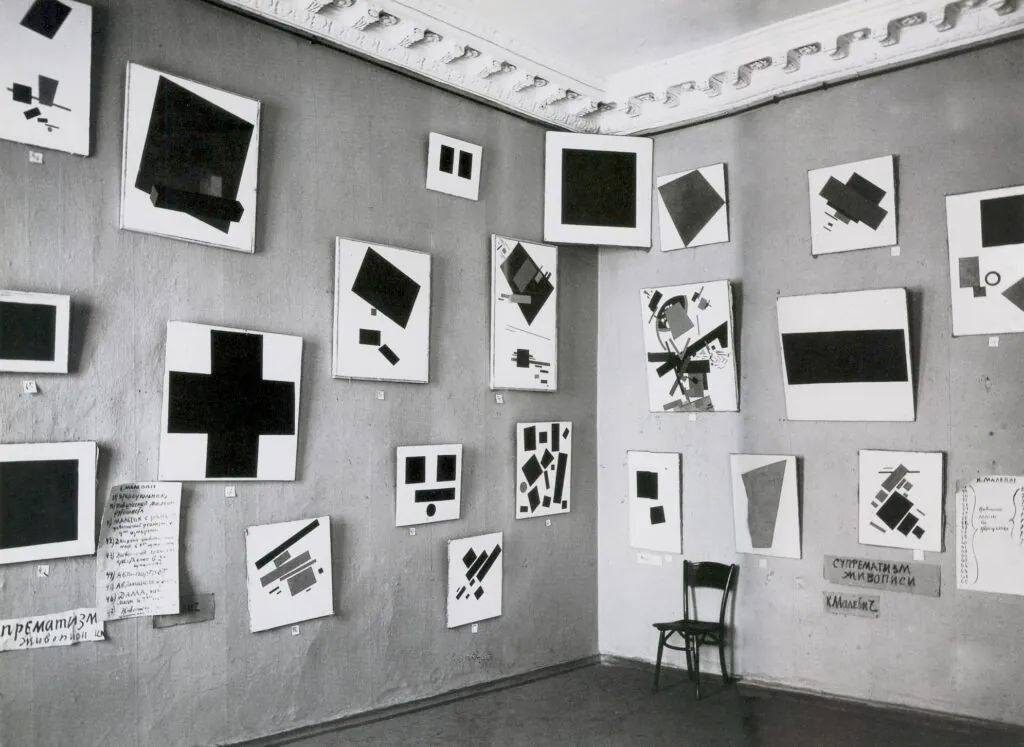
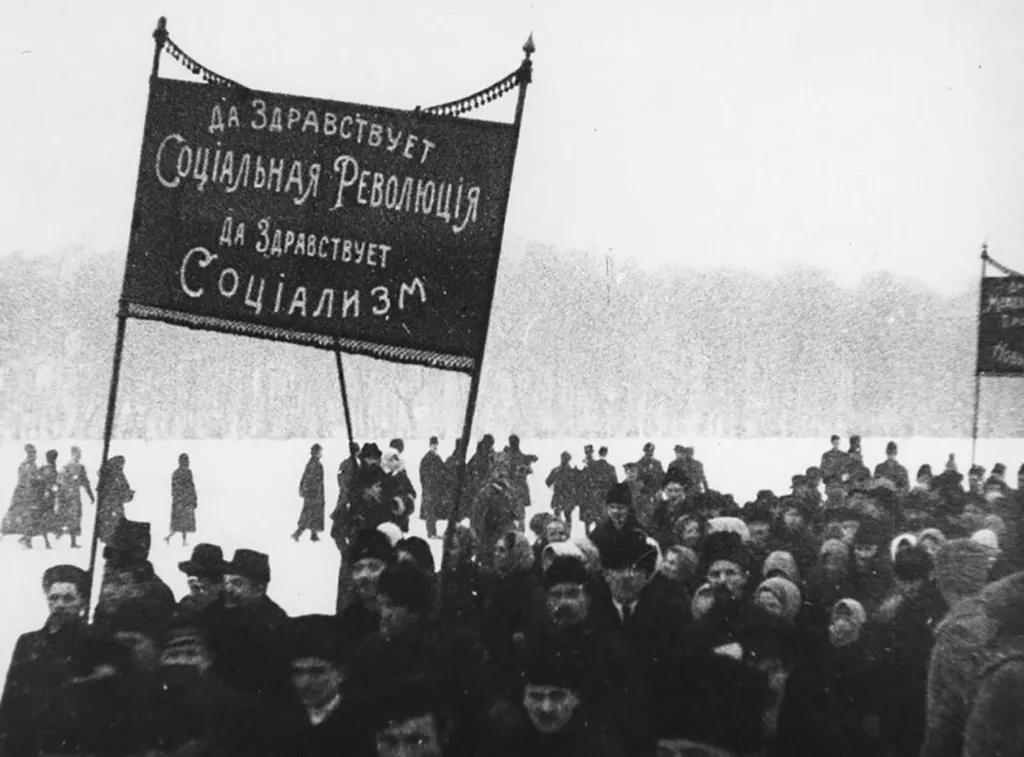
The October Revolution accelerated Avraamov’s ambitions for change. Sweeping reforms destabilized social hierarchies and cultural institutions, producing an atmosphere in which radical artistic ideas could be pursued with unprecedented urgency. In literature, this spirit manifested in the explosive futurist verse of Vladimir Mayakovsky; in visual art, in Kazimir Malevich’s Black Square and the Suprematist rejection of representation; In film this was best reflected in the provocative cinematography of Dziga Vertov and Sergei Eisenstein. For what concerned Avraamov, the change in music came in the form of proposals to abolish bourgeois concert traditions altogether and bring music out of the elitist music halls and into the streets.
Avraamov embraced the revolution not as an observer but as a participant. He was present at Smolny during the revolutionary period and soon collaborated with Anatoly Lunacharsky, the newly appointed People’s Commissar of Education. Adopting the pseudonym “Rev-Ars-Avr” (“Revolutionary Arseny Avraamov”), he became deeply involved in building a new Soviet musical culture aligned with proletarian ideals. Lunacharsky, a translator, publicist, art historian, critic, and writer, saw the potential in Avraamov and allowed him a degree of influence in the cultural affairs of the new Soviet state.
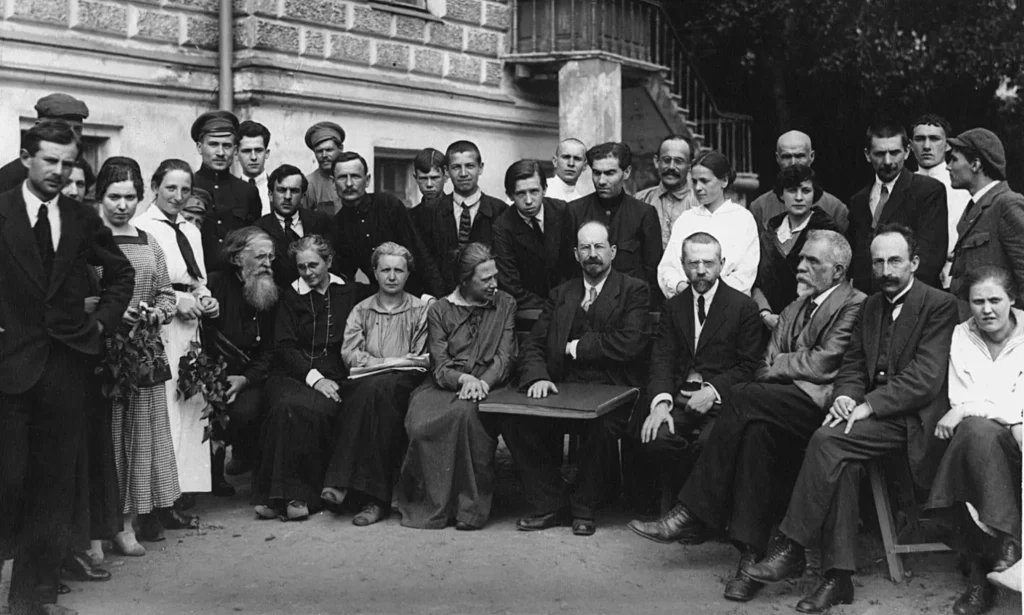
From 1917 to 1918, Avraamov assumed key positions within emerging Soviet cultural institutions. He served as Governmental Commissar of Arts within Narkompros (the People’s Commissariat for Education) and headed the Musical Department of Proletkult (Proletarian Culture) in Petrograd, an organization dedicated to cultivating a distinctly proletarian culture independent of bourgeois traditions. In these roles, he advocated for mass participation, industrial sound sources, and new collective forms of musical expression intended for workers rather than elite audiences.
In 1918, under Lunacharsky’s direction, Avraamov also worked within the music sector of Narkompros, including serving as Head of the Arts Department of Narobraz (The Committee for Education) in Kazan, where he oversaw musical culture in Tatarstan. His responsibilities included reorganizing cultural institutions, promoting new educational models, and encouraging musical forms that reflected revolutionary ideology and regional diversity, all while teaching ethnology at the conservatory and serving as professor of theoretical disciplines, although this role proved short-lived, reportedly ending after a falling-out with Anatoly Lunacharsky as the Civil War soon overtook institutional concerns. Avraamov continued his work within the army’s political departments while directing regional arts divisions in several cities considered strategically and culturally important: Nizhny Novgorod, Kazan, Saratov, and Rostov. In the latter city, he found time to serve as a professor at the Conservatory.
That same year, he began serving as a cultural curator within the Political Department of the Red Army, where he organized educational and agitational initiatives intended to strengthen Bolshevik morale among soldiers and cultivate ideological unity. These efforts aligned closely with broader Bolshevik strategies of mass agitation: culture was to function not as elite ornament but as a tool for forging class consciousness.

Concurrently, he edited the agitprop army newspaper On Guard of the Revolution, positioning print media alongside music education as instruments of ideological dissemination. His writings and criticism also appeared in regional newspapers including Donskaya Zhizn, Utro Yuga, Donskiye Oblastnye Vedomosti, and Rostovskaya Rech, extending his influence into the civic press.
For Avraamov, however, political revolution was only the beginning. He continued to envision a transformation just as profound in the realm of sound: the dismantling of inherited tonal systems, the mechanization of sound production, and the creation of a scientific, technologically mediated music suited to an industrial society. The revolutionary upheaval of 1917 provided both the ideological justification and the institutional framework through which he could begin constructing that future.
At the center of Avraamov’s reform program was the creation of a universal musical system grounded in microtonality, particularly a quarter-tone technique. He regarded the twelve-tone equal temperament system not merely as inadequate but as actively harmful, claiming it had dulled auditory perception and constrained musical thought. “Freed from the mold of temperament” he wrote, “human hearing will achieve such advances in the subtlety of melodic perception that we can barely dream of today. Folk song, whose intervals our ‘cultured’ hearing still cannot accurately discern, serves as a guarantee of the non-utopian nature of our dreams. Is our ear really more coarsely constructed? Is the systematic distortion of hearing by Bach’s legacy the cause? One way or another, the near future will tell… for we live ‘on the eve.’ ” Folk songs, according to Avraamov’s experience, were an art whose intervals trained musicians often failed to perceive accurately, proving to him that such refinement was not utopian but immensely useful towards the development of a truly universal theory of music.
Avraamov sought to replace the fixed chromatic scale with what he described as a continuous scale. Instead of twelve evenly spaced pitches within an octave, modern acoustics revealed an unbroken sonic continuum governed by mathematical relationships. Using this framework, he calculated systems of quarter-tones, eighth-tones, and finer subdivisions, arguing that any point within the continuum could be coordinated into harmony. He compared the shift to a primitive counting system suddenly discovering mathematical analysis: the discontinuous series of discrete notes would give way to a differentiated continuum capable of generating entirely new melodic modes and harmonic relationships.
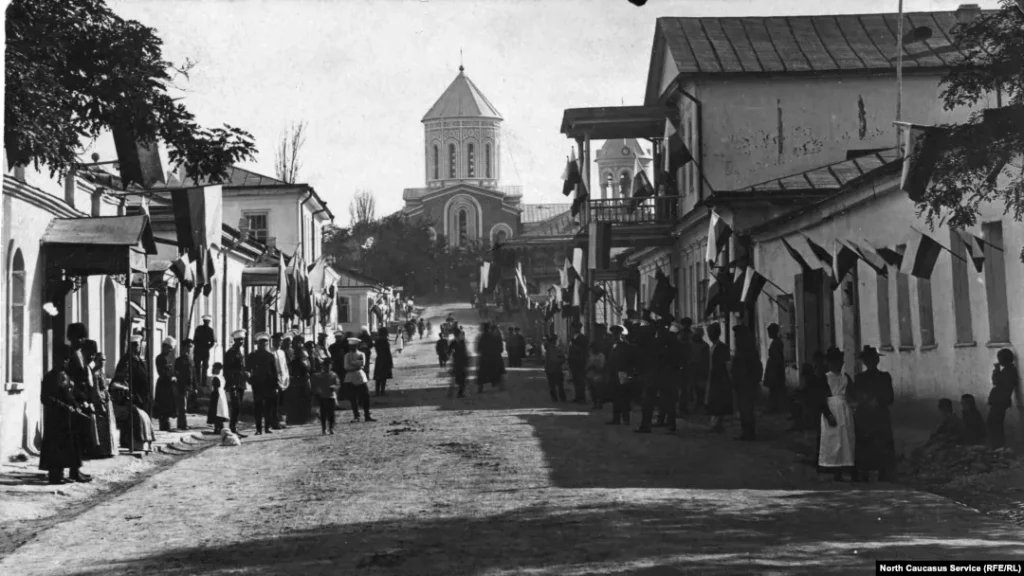
Within this continuous spectrum, Avraamov believed humanity could finally notate and analyze the modal systems embedded in folk traditions across Eurasia. He was convinced that ultrachromatic theory would allow previously elusive intervallic subtleties to be documented and preserved. To test his ideas, he again undertook folklore expeditions throughout the Rostov region and traveled across Kazakhstan, Dagestan, and other parts of the Caucasus and Central Asia, collecting melodies that defied Western tonal categorization. He saw these traditions not as ethnographic curiosities but as evidence of alternative tonal logics suppressed by European standardization.
Among early pioneers of microtonality, Avraamov was distinctive in pursuing the erasure of boundaries between pitch-based harmony and the spectral fabric of sound itself. He imagined ultrachromatic instruments not simply as tools for accessing new scales but as mechanisms capable of additive synthesis, constructing sound from its component overtones and thereby aligning musical practice with acoustic science.
Avraamov understood that theoretical arguments alone would not suffice; he sought validation through field research, pedagogy, and practical experimentation.After one year since the revolution, a new idea had formed in his mind, one that would grow to become his defining work, and bring his sonic utopianism into the public sphere on an unprecedented scale.
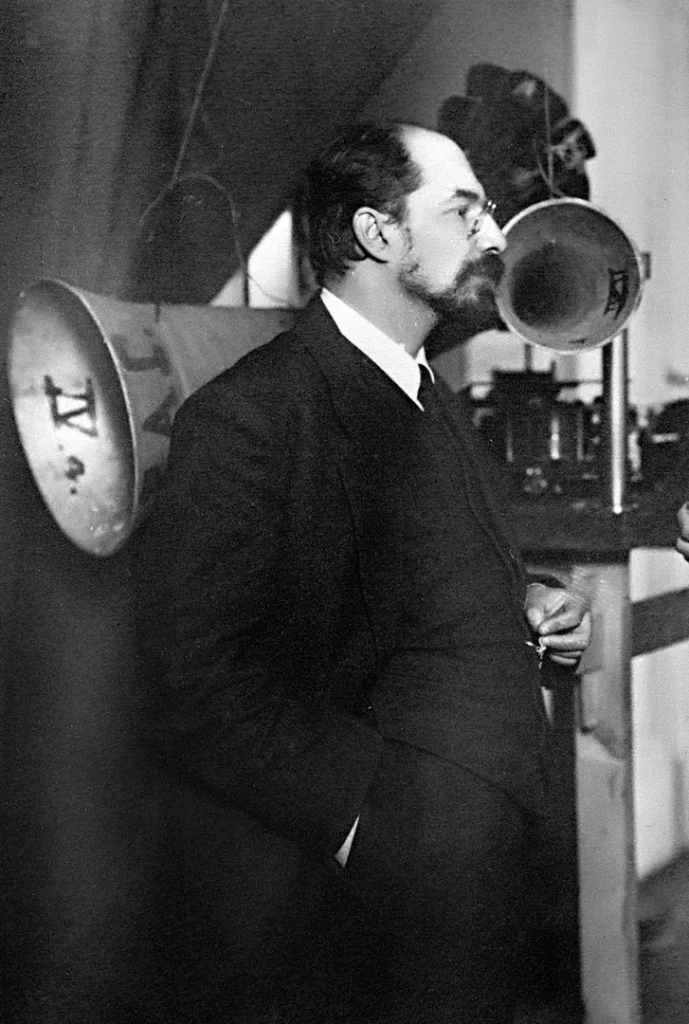
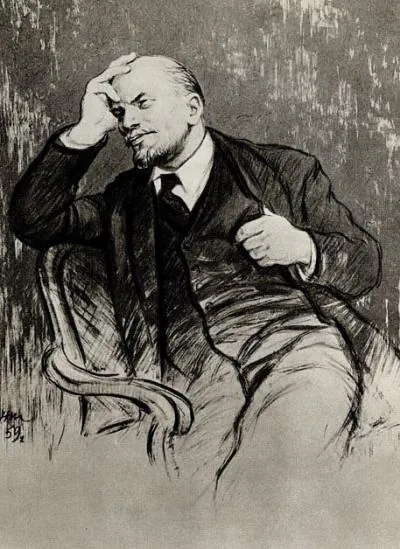
Writer Anatoly Mariengof, in his memoirs My Century, My Friends and Girlfriends, recalled that on the first anniversary of the October Revolution, Avraamov proposed conducting a Heroic Symphony performed not by an orchestra but by the whistles of factories, plants, and locomotives across Moscow. He pledged to retune and coordinate these industrial instruments with authorization from the Council of People’s Commissars, and he submitted the idea to Lunacharsky. “That would be magnificent!” said the People’s Commissar of Education. “And it would be perfectly in keeping with this great occasion… I will immediately report your proposal to Comrade Lenin… But, I confess,” Lunacharsky added hesitantly (he reportedly had a difficult time saying no to Avraamov), “I confess, I’m not entirely sure Comrade Lenin will agree to your brilliant project. Vladimir Ilyich, you see, loves the violin and the piano…”
In response, Avraamov derided the piano as an “international balalaika,” an instrument designed to reinforce the constraints of equal temperament. His dislike of the piano was possibly even further intensified by this response. Some years later, he submitted a new proposal to Lunacharsky suggesting the burning of all pianos in Russia, viewing them as symbols of a tonal regime that had distorted human hearing for centuries. The proposal, clearly, was not signed. He likewise argued that traditional orchestral instruments and repertoire should be discarded to make way for newly invented instruments in addition to a ultrachromatic musical language. These incendiary proposals ignited fierce debates in the music press at the time.
Although such radical measures were never implemented, and could hardly have erased centuries of musical heritage, the underlying ideas endured. Quarter-tone and microtonal approaches later re-emerged in the works of post-war composers such as Alfred Schnittke, Eduard Artemiev, Edison Denisov, and Sofia Gubaidulina, confirming that the questions Avraamov posed about tuning, perception, and the structure of sound would remain central to modern music. In Avraamov’s worldview, ultrachromatic theory was not an esoteric technical exercise but a pathway toward a new auditory consciousness, one aligned with socialist internationalism, science, global musical diversity, and the sonic realities of modern life. However, in the moment, the idea of a symphony on a grand scale using elements of the city itself took on a new precedence for Avraamov.
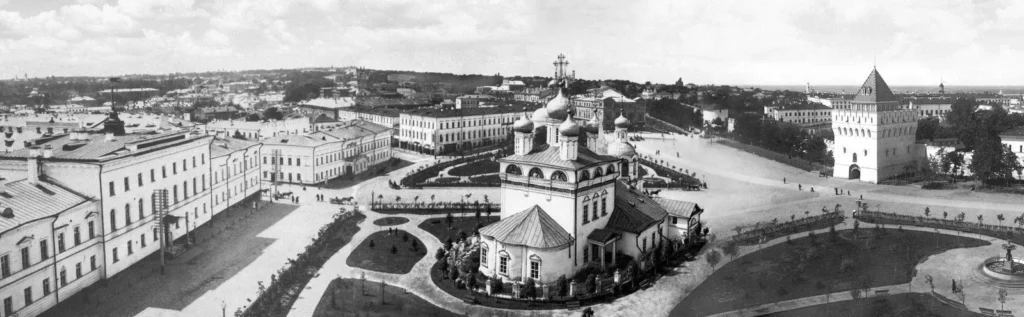
It was during these Civil War years that he began testing ideas that would culminate in his most famous work. In 1919, his time in Nizhny Novgorod included what he later described as a “rehearsal” for a future large-scale industrial composition, an early precursor to the Symphony of Sirens, though the work was not realized in its entirety. Throughout this period, Avraamov treated cultural production as a form of political infrastructure. Lectures, publications, and musical organization were designed to reach workers and soldiers directly, bypassing the bourgeois concert hall in favor of accessible, collective forms of participation. This project would be no different. Though documentation from this performance does not seem to have survived, it is known that the experience gave him the organizational experience needed to attempt the work again.
As the years went on, Avraamov moved further and further away from the center of Soviet power, mostly in service of his interest in discovering folk music traditions and due to his strained relations with Soviet authorities in the midst of the civil war. In 1921 Avraamov was appointed head of the arts department in Dagestan, a posting that quickly exposed the limits of revolutionary cultural policy when it collided with deeply rooted local traditions. He began with a campaign consistent with his broader crusade against the musical past, a program involving the confiscation and planned destruction of pianos from wealthy and respected Dagestani households, instruments he regarded as symbols of bourgeois culture and the despised tempered system. The move provoked immediate resentment. Resistance from the community forced him to abandon direct intervention and redirect his efforts toward folklore expeditions in Dagestani villages, where he hoped to document indigenous musical practices and, in keeping with his theories, uncover evidence of alternative tonal systems.
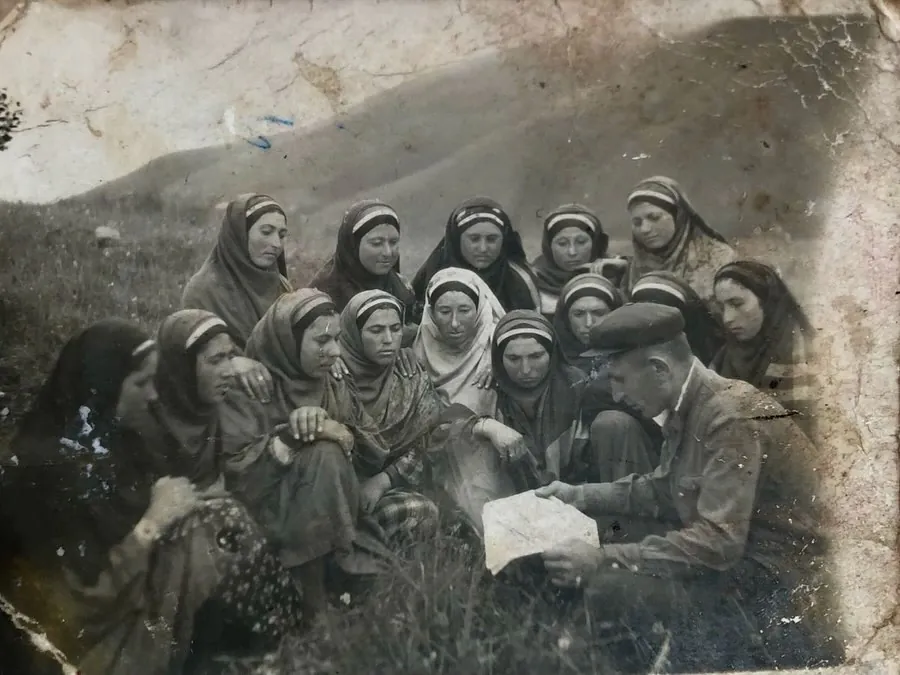
Even this approach met hostility. Villagers viewed the outsider, a political functionary and self-proclaimed music revolutionary, with suspicion. Avraamov responded with theatrical ingenuity. He sought the assistance of a local mullah, who issued him a document with the following text: “The bearer of this document, Arslan Ibrahim-ogly Adamov, was born a Muslim. However, he lived and studied in Russia for many years, and therefore has a poor memory of the language and customs. He should not be held accountable if he says or does something incorrectly; on the contrary, he should be helped in everything and taught if he doesn’t know anything…”
Reinvented once again, Avraamov shaved his head, grew a mustache, dressed in national costume, and traveled under his adopted identity. The transformation proved remarkably effective. Villagers welcomed him into their homes, seated him in places of honor, and offered food and hospitality; musicians performed for him, allowing him to observe and record local traditions at close range. Behind the convivial facade, however, he continued political work: he campaigned for the communists, scheduled party meetings to coincide with Friday prayers in order to divert attendance from the mosque, and, in an effort to maintain credibility, even covered the walls of the local club with quotations from the Qur’an.
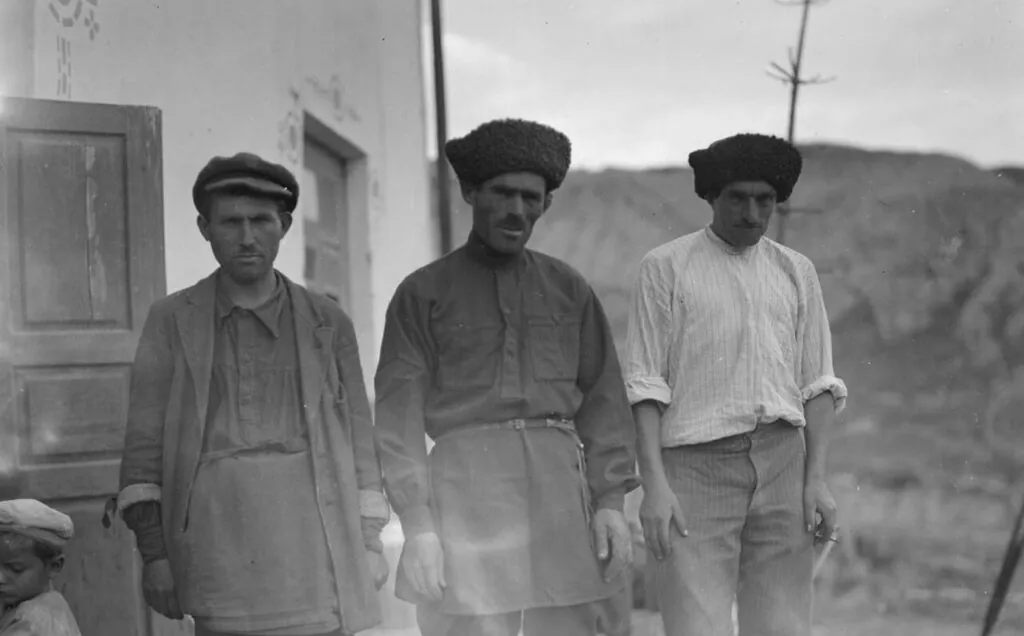
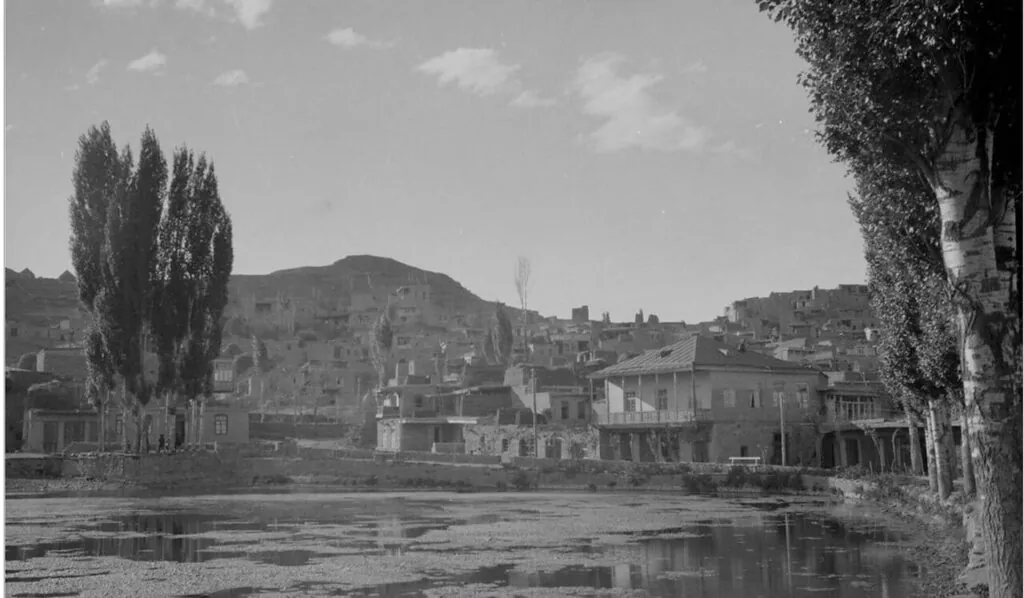
The strategy eventually backfired. Reports of his contradictory behavior reached authorities in Makhachkala, prompting a commission of party officials to investigate. He was accused of duplicity, stripped of his party card, and reportedly threatened with execution. As in several earlier episodes of his life, Avraamov avoided the worst outcome only by fleeing, leaving behind another region where his personal theatrics had collided with volatile results.
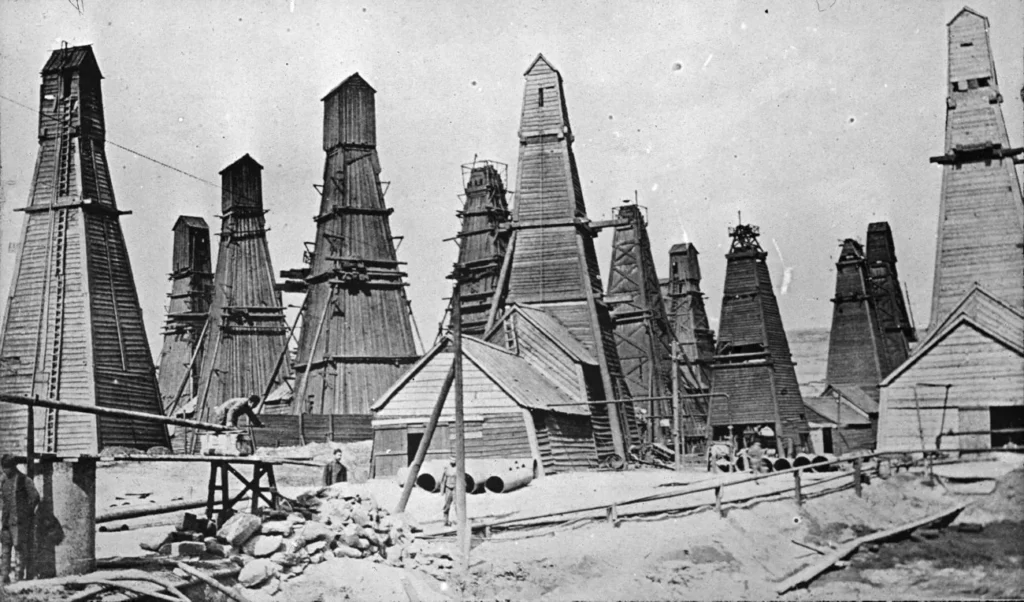
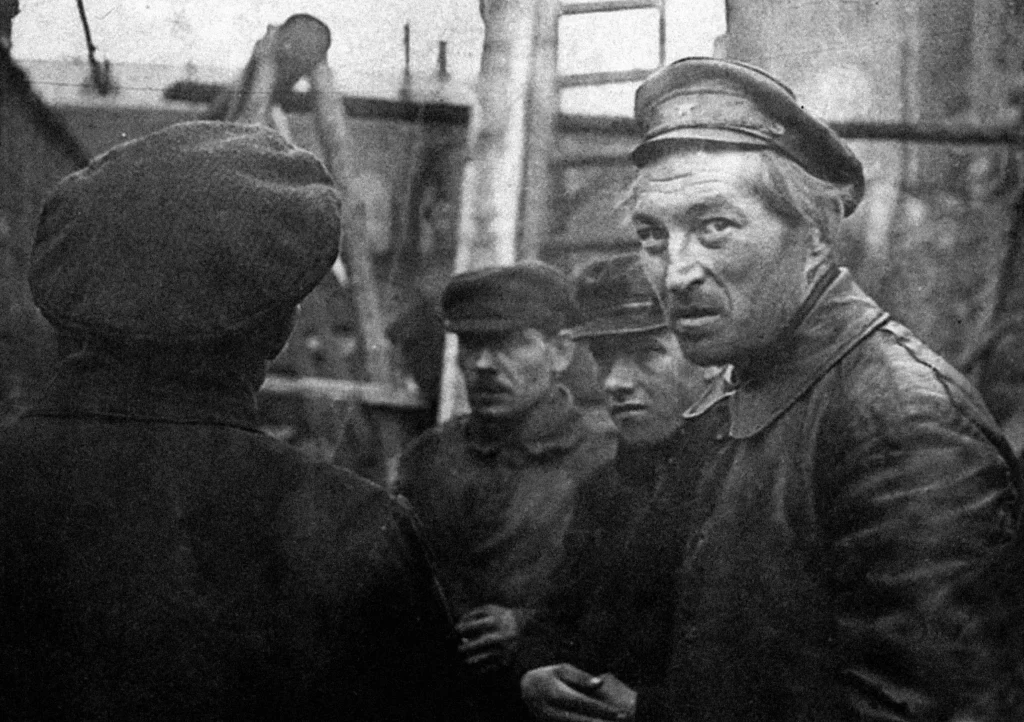
Chased out of Dagestan, he found himself in Azerbaijan, living under his latest assumed identity and working as a laborer in an oil field. Even in this precarious exile, his technical ingenuity distinguished him. He proposed practical improvements that significantly streamlined workflow at the enterprise, drawing the attention of supervisors. Recognized for both his intelligence and organizational ability, he was transferred to Baku to work in his specialty within the arts department. It was in this rapidly industrializing Caspian port city that the Symphony of Sirens would first be realized.
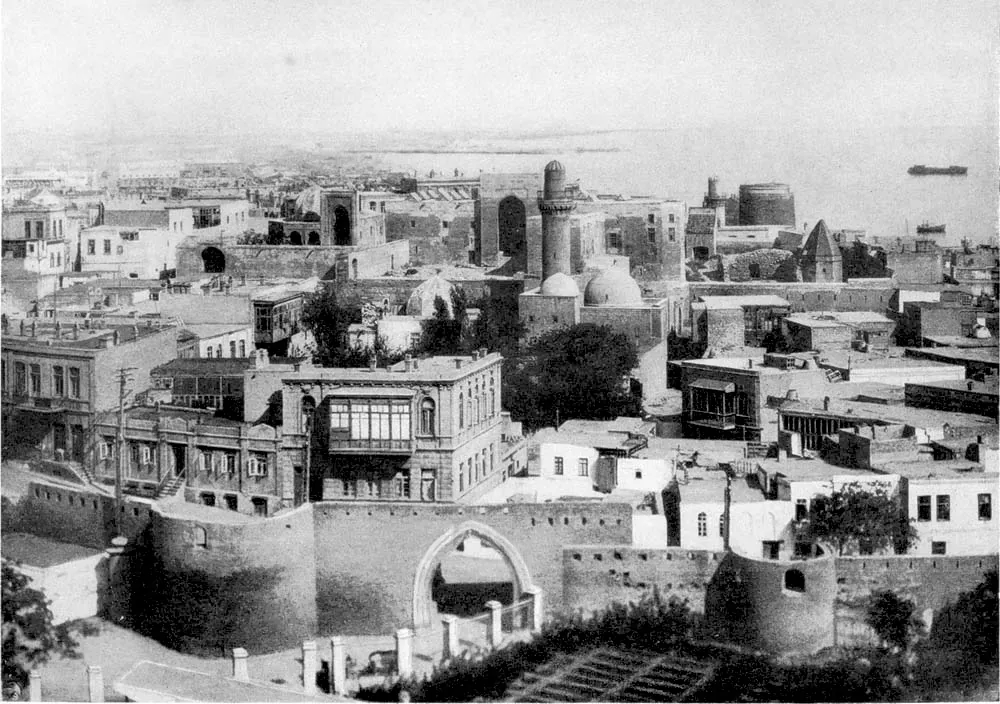
Now in its fifth year, the anniversary of the October Revolution was marked on November 7, 1922, by Avraamov’s staging of his most famous work, the Symphony of Sirens, in the port town of Baku. For this undertaking, Avraamov worked with choirs numbering in the thousands; foghorns from the entire Caspian flotilla; two artillery batteries; full infantry regiments; hydroplanes; twenty-five steam locomotives and whistles; and every factory siren in the city. He also devised a portable instrument specifically for the event, a machine which he called the Magistral: an ensemble of twenty to twenty-five tuned steam whistles calibrated to the pitches of “The Internationale,” “La Marseillaise,” and “Varshavianka.”
Avraamov did not conceive the work as a spectacle for passive spectators. Instead, he intended the active participation of the populace, whose exclamations and singing would merge into the sonic mass, unified by a shared revolutionary will. His reflections on the potential of music, and on the environmental sounds that shape collective consciousness, help clarify the ultimate meaning of the Symphony of Sirens:
“Collective work, from farming to the military, is inconceivable without songs and music. One may even think that the high degree of organization in factory work under capitalism might have ended up creating a respectable form of music organization. However, we had to arrive at the October Revolution to achieve the concept of the Symphony of Sirens. The Capitalist system gives rise to anarchic tendencies. Its fear of seeing workers marching in unity prevents its music being developed in freedom. Every morning, a chaotic industrial roar gags the people. … But then the revolution arrived. Suddenly, in the evening — an unforgettable evening — a Red Petersburg was filled with many thousands of sounds: sirens, whistles and alarms. In response, thousands of army lorries crossed the city loaded with soldiers firing their guns in the air. … At that extraordinary moment, the happy chaos should have had the possibility of being redirected by a single power able to replace the songs of alarms with the victorious anthem of The Internationale. The Great October Revolution! — once again, sirens and work in the cannon whole of Russia without a single voice unifying their organization.”
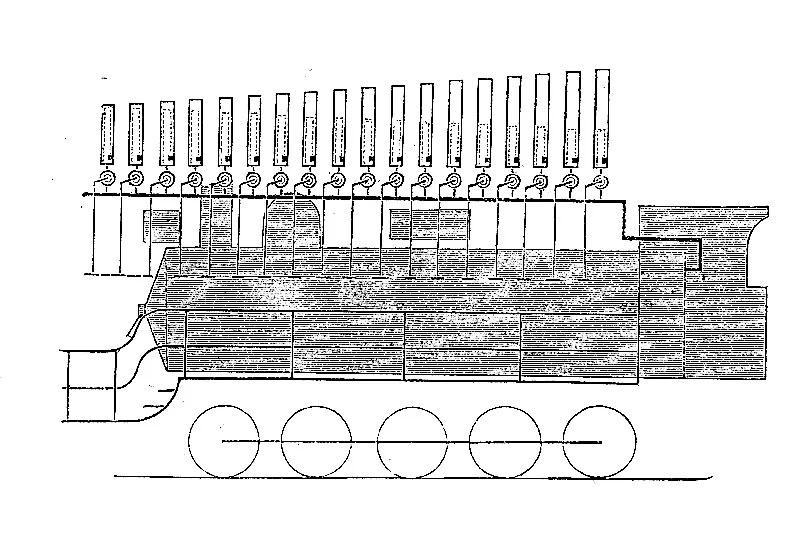
The composer himself later set down detailed instructions for the proper realization of the “Symphony of Horns.” These guidelines were published after the second staging, a year later, in “Gorn,” the journal of the All-Russian Proletkult. At the center of this unconventional orchestra stood the horn mainline, what Avraamov regarded as the essential melodic engine of the work. He insisted that the most effective configuration was mobile, specifically in the form of a locomotive car. The mainline consisted of several dozen cylindrical horns mounted along a single steam pipe. Pitch was adjusted by shortening the air column, and the total number of tones corresponded to the melody of the Internationale, which Avraamov quoted directly; additional pitches were added for harmonic support. At the same time, he left open the possibility that an expanded set of tones could allow performers a degree of creative latitude. In the 1923 article published in Gorn, Avraamov described the device in practical, almost engineering terms:
“The setup of the Magistral is very simple: 20 to 50 horns (usually cylindrical, as they are easier to adjust) are screwed onto a common pipe. The pipe is shaped according to the installation location: straight, semicircular, two- or three-legged—it makes no difference from a sound standpoint. It’s important that the steam supply be centered, and that drain cocks or valves be installed at the ends to drain water before playing—otherwise, water will be ejected through the horns’ valves, and the rhythmic precision of the performance will be lost.”

This steam-whistle organ, known as the Magistral, functioned as a mobile instrument through which Avraamov proposed to perform the symphony, incorporating locomotive whistles specially tuned according to his ultrachromatic pitch concepts. An electrified musical keyboard controlled electric valves that activated the whistles; this control interface was to be mounted in the locomotive driver’s cabin. In the early 1920s, factory sirens, ubiquitous and unmistakably modern, were considered a revolutionary replacement for “bourgeois” church bells and became central components in the construction of new sound machines.
Sirens were conceived as a distinct instrumental group within the work. Their pitches could sound independently, cluster into chords, or glide in parallel and contrary motion, producing shifting harmonic masses rather than fixed tonal relationships. Their behavior contained an element of contingency, dependent on performer skill and timing. With sufficiently adept operators, he suggested, sirens might eventually assume harmonic or melodic roles, but this remained a speculative frontier: humanity was only beginning to grasp the principles governing their “specific harmony and melody.”
From Avraamov’s own descriptions, a clear hierarchy of sound sources emerges. The principal instruments were the Magistral and the individual whistles of factories, naval vessels, and other locomotives. The Magistral, together with mass choir and brass band, carried the melodic material. Artillery batteries and machine guns supplied rhythm. Bells were included in this latter category: “Bell tolling—alarm, funeral, and jubilant—is used in the appropriate episodes, without regard for the harmonic concept,” Avraamov wrote.
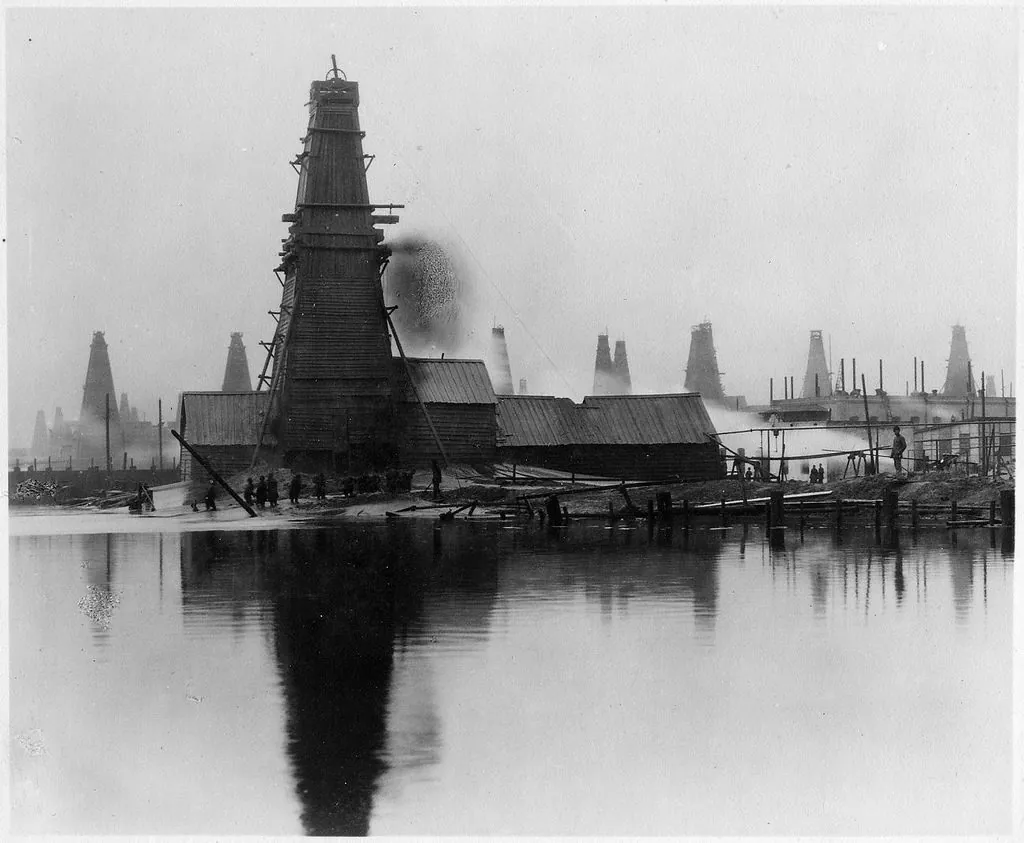
Distributed groups of stationary whistles from oil fields, factories, docks, depots, and steam plants were tuned into “compact harmonies” and deployed to create vast spatial sound images. Cannon salvos signaled their entrances, and the timing of these signals had to account for acoustic distance: the sound of the signal gun and the response of the whistles needed to align at the celebration square. During the performance of the Internationale, distant whistle groups remained silent because the cannon was repurposed as a bass drum. Machine-gun fire simulated drum rolls and executed complex rhythmic figures, while blank volleys and rapid bursts provided dramatic sonic punctuation. Yet Avraamov did not totally abandon traditional expressive means: in addition to bells, choral singing remained integral to the work’s massed sonic texture.
Automobiles were also incorporated into the sonic plan. If enough vehicles with tunable horns were available, the composer envisioned forming an independent timbre-harmonic group from them. More often, however, cars were treated as sources of noise texture, alongside the low passes of seaplanes and other aircraft, whose engines contributed broad, droning layers to the urban sound field, in his words to “generate stunning effects that create a stunning emotional impact.” Yet these elements were valued as much for their visceral force as for any musical precision.
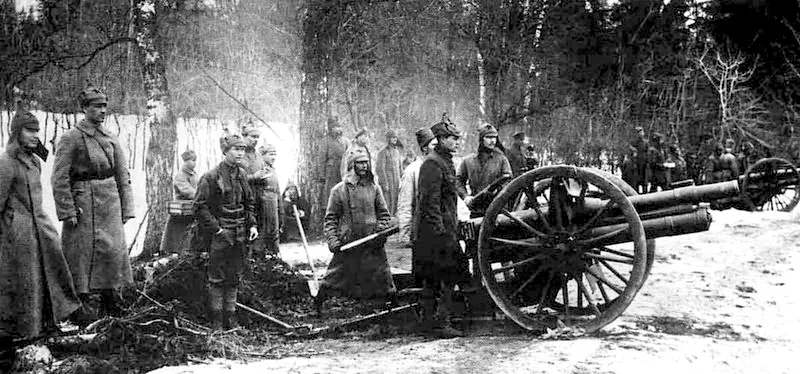
The presence of heavy weaponry, startling to later observers, had practical logic. “Because of the large area of distribution of the factory sirens,” he explained in the article, “it is necessary to have at least one heavy gun for signalling purposes with the capacity to shoot live cartridges. (Shrapnel is not suitable for this – bursting off in the air is most dangerous and gives a second explosion sound, which can confuse the performers.)”. Field artillery doubled as a “large drum,” and experienced machine gunners, shooting live belt-fed ammunition, “not only simulate a drumbeat, but also beat out complex rhythmic figures. A gun shooting with blank cartridges as well as gunfire with frequent packs are good for vivid scene sounds.””
Coordination of such a dispersed orchestra required a purpose-built conducting tower erected at an elevated site near the performance center. Avraamov specified that “the simplest device is a pair of telegraph poles joined at the ends with a ‘Swedish mast.’ At the top is a platform with a barrier,” with sockets for signal poles or a rope mechanism for hoisting flags. The structure had to provide a clear line of sight under open sky, while marine-style signal flags, chosen for maximum visibility, carried visual cues to the fleet, locomotives, artillery batteries, machine-gun crews, and motor vehicles positioned so they could see the signals directly. A field telephone station linked the tower to the battery, celebration area, firing range, and key performer groups; a powerful megaphone and direct human relays provided redundancy. Conducting duties were divided physically: “Conducting (metric) is done with the right hand; artillery and other signals are fired with the left,” and the batteries were placed closer to the celebration zone than the tower to prevent delays in firing.
From this tower, Avraamov conducted an environment rather than an ensemble, integrating steam, steel, combustion, and human voices into a unified acoustic ritual. What appeared chaotic was in fact a rigorously engineered system designed to reorganize the industrial soundscape into collective music, an auditory architecture intended to replace the fragmented noise of modern industry with a coordinated sonic emblem of revolutionary society.
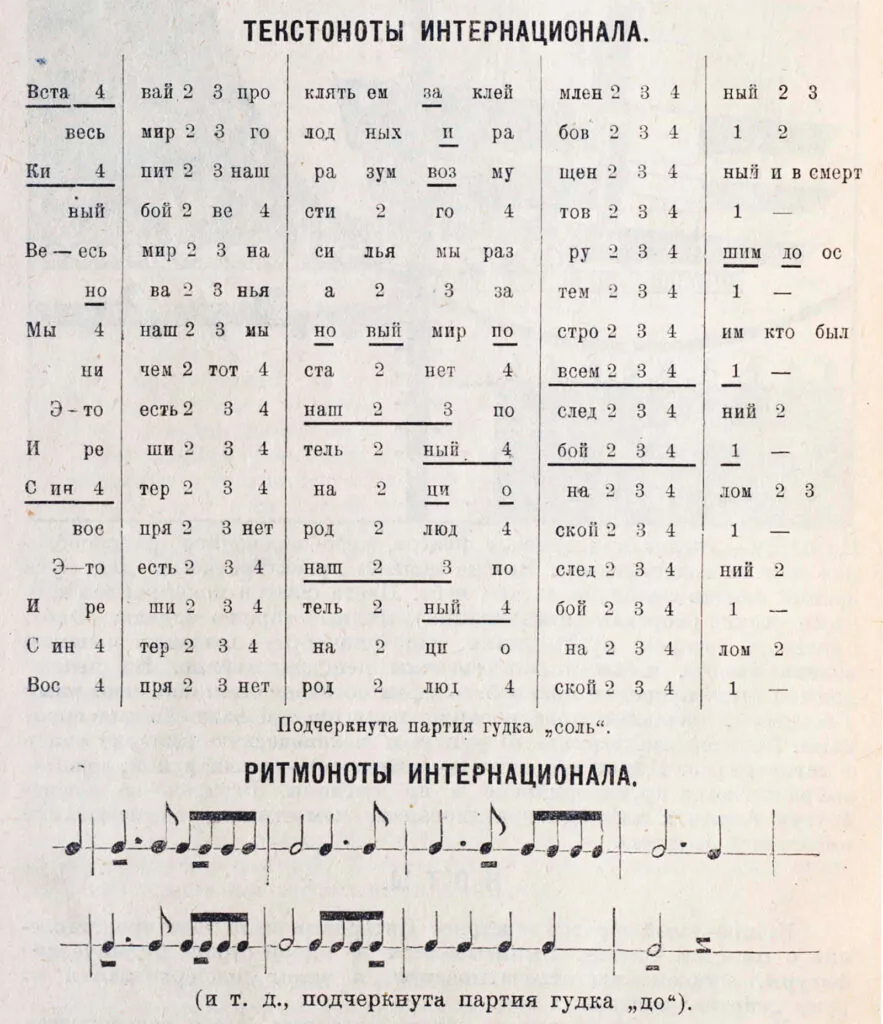

Avraamov even anticipated the need for rehearsal and replication. The work could be practiced indoors using small single-tone instruments such as harmoniums, clay whistles, children’s tin whistles, standing in for industrial horns. The surviving materials provided to performers of the Symphony reveal how radically the work departed from conventional notation. Instead of staff notation, Avraamov used the text of Internationale and other songs included in the work with syllables underlined to indicate timing and duration. These “text notes” coordinated sonic events across the dispersed ensemble, translating a revolutionary anthem into a temporal grid for industrial sound.
The concept was never intended as a singular spectacle confined to one city. As Avraamov urged, “We want every city with a dozen steam boilers to organize a worthy ‘accompaniment’ to the October celebrations … and we provide here instructions for organizing a ‘Symphony of Sirens’ adapted to various local conditions. After a successful experiment [in Baku], this is no longer difficult: all that is needed is initiative and energy” The work was thus conceived as modular and reproducible, capable of being scaled and reinterpreted according to local industrial resources and urban acoustics.
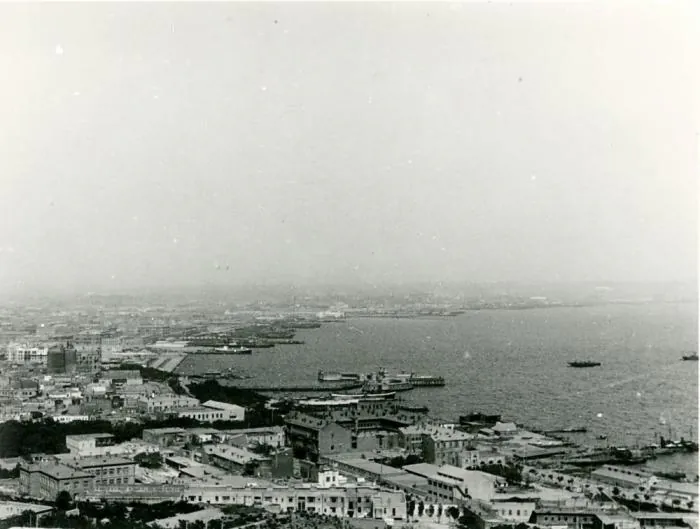
It may seem surprising that Arseny Avraamov, a drifting, restless figure more bohemian engineer than disciplined party functionary, at times disgraced or sidelined elsewhere in the Soviet Union, was granted the resources and official permission necessary to realize a project on the scale of the Symphony of Sirens. His technical accomplishments and reputation as an innovator certainly lent credibility, yet the broader climate of the early post-Revolutionary years was equally decisive. The period was marked by a volatile openness to experimentation, especially where art intersected with industry, labor, and mass mobilization. The revolutionary project aimed at total social integration: the unification of workers, factories, communication systems, and civic space into a single collective organism. Within such a framework, the idea of using an entire city as a musical instrument did not appear absurd but symbolically precise. Moreover, the conceptual foundations of the symphony were not Avraamov’s alone; writers, theorists, and cultural organizers had already articulated parallel visions of industrial sound as a collective artistic medium.
Even while stationed far from the principal centers of Soviet avant-garde activity, he followed developments closely, absorbing ideas circulating through Proletkult networks, futurist theory, and the emerging aesthetics of industrial modernity. These encounters sharpened a vision that had been forming for years: a sonic event constructed not from orchestral instruments but from the sound infrastructure of modern life. In this period of distance and observation, the concept that would become the Symphony of Sirens first cohered into a practical form.
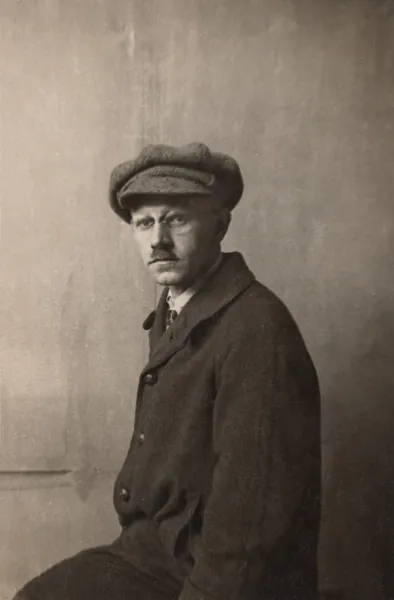
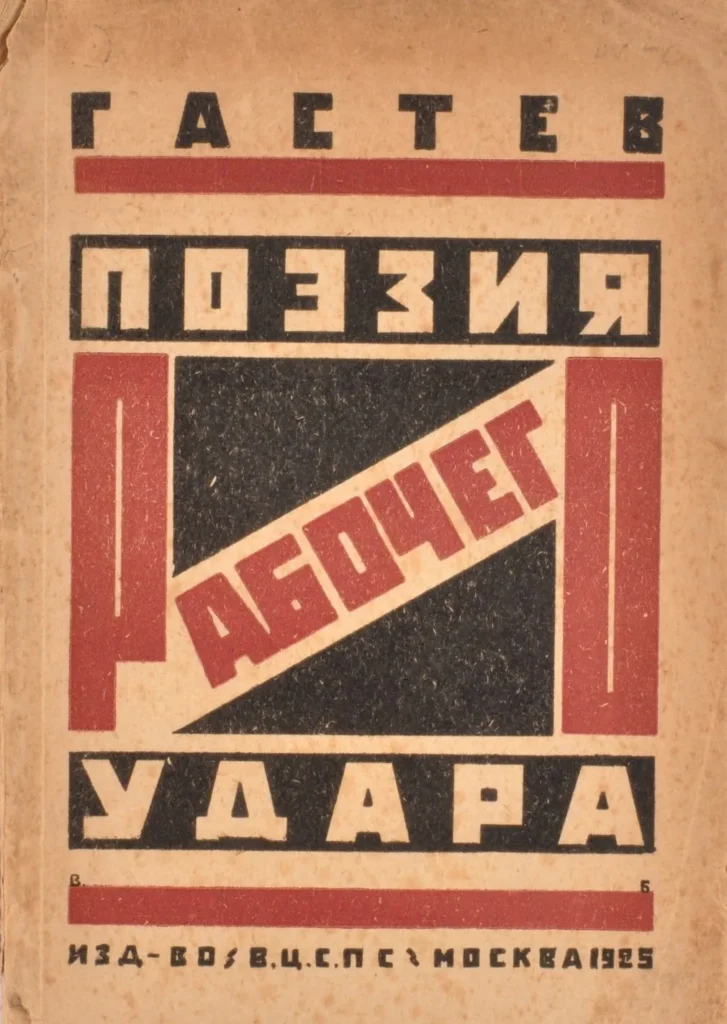
One influence stands beyond dispute. Throughout his manifestos and programmatic writings, Avraamov repeatedly invoked the poet Aleksei Gastev as both inspiration and proof of concept. In his article A New Era of Music, he reproduced in full “Order 06” from Gastev’s A Packet of Orders, the concluding cycle of Gastev’s Poetry of the Worker’s Strike, published only a year before the Symphony of Sirens premiered in Baku.
Avraamov explicitly acknowledged that he imagined the music of the new century under the influence of Gastev’s poetry, reproducing the following text:
“Asia — all on the note D.
America — a chord higher.
Africa — B‑flat.
The Radio Conductor.
Cyclone cello — solo.
Forty towers — with a bow.
Orchestra along the equator.
Symphony along the parallel 7.
Choruses along the meridian 6.
Electric strings to the center of the earth.
Sustain the globe of the earth in music
for the four seasons.
Sound in orbit for four months pianissimo.
Make four minutes of vulcano-fortissimo.
Cut off for a week.
Burst into vulcano-fortissimo crescendo.
Maintain on vulcano for six months.
Start from scratch.
Collapse the orchestra.”
The work reads as a brief set of instructions (not unlike Avraamov’s) for a symphony performed on a planetary scale, seemingly only a few steps higher in order of magnitude following the Symphony of Sirens. Another text by Gastev, “Manifestation” (published in 1918 in the Proletkult journal The Future), reveals even more clearly the conceptual roots of Avraamov’s later sonic spectacles. The passages read less like metaphor than an operational score for industrial sound:
“Orchestras! Orchestras!” they shout from the towers.
Two hundred hand-picked strongmen—boilers—locomotives step forward, tune the chorus of horns, the chorus strikes instantly, and the sound salvos rush ahead of the division.
Music intended for cities, departments, states…
The trumpets stretch out.
Their sullen pride grows.
The fiery stations rage.
The giant searchlights flare up instantly.
Then they go out.
The horns cease.
Signal silence…
Only two minutes. Minutes, like an era.
— An explosion of light and music.
And a hurricane of work begins.
The musical boilers thunder “Green Shoots.”
— A thousand-pipe locomotive—our greetings!
— Pipes, smoke. Your foul labor is not wasted. Smoke.
— Boilers, continue your anthem.
— Composers’ Workshop! — A symphony to the cannons immediately!
Boilers, thunder “Victory!”
Thunder “Victory,” but quietly transition to “Alarming.”
— Boilers, “Victory!”
Pipes, march!
Ceremonial!
Smoke to the heavens! Hands, wave your black hands across the earth.
Factories, dance in a circle!
Strike the oil tanks,
Strike with steam hammers!
Demonstrators, take a rest.”
From Gastev’s poem Manifestation, he borrowed the slogan “Music intended for cities, departments, states.” Gastev is also credited with introducing the word symphony into the context of industrial modernity; as early as 1919 he called for the creation of “a symphony of workers’ strikes and the clatter and roar of machinery.”
Gastev’s grand, utopian poetic universe, constructed from the hyperbolic musicality of industrial civilization, aligned closely with Avraamov’s own thinking. Both men shared an unusual synthesis of technical rationalism and propagandistic fervor, treating art not simply as aesthetic expression but as a tool for reorganizing perception, labor, and collective life. Their works often functioned as blueprints as much as artistic statements, combining engineering logic, political urgency, and visionary spectacle.
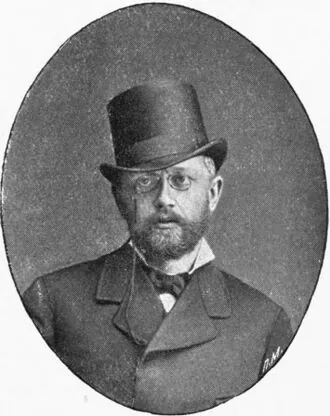
Here the industrial city becomes orchestra, instrument, and performer. Sirens, boilers, locomotives, searchlights, smoke, and human labor merge into a coordinated sonic and visual mass event—the precise logic Avraamov would later attempt to engineer. What Gastev articulated poetically, Avraamov sought to render operational. Such ideas were widespread in the revolutionary cultural atmosphere. In 1918, poet Boris Kushner’s manifesto The Revolution of Materials, published in the Proletkult journal Our Way (which also printed several of Avraamov’s articles), declared:
“The music of the future will have to be performed for vast public gatherings. Perhaps for entire cities at once … Where there is a need for sounds that can be heard in the conditions of urban life—on the streets, in workshops, at public festivals attended by thousands—there one must resort to special apparatus… There is no risk in predicting that modern musical instruments … will not long remain in the practice of socialist music.”
Such statements demonstrate that Avraamov’s project was not an isolated eccentricity but part of a broader reimagining of sound, space, and collective experience. The earliest proletarian holidays had already revealed how radically the function of music was changing in public life. Within this climate, permission for the symphony became both politically symbolic and culturally logical. By 1922–23, while preparing and refining the work in Baku, Avraamov taught at the Communist Party High School and worked as a cultural organizer at military courses for the Central Committee of the Azerbaijani Communist Youth Union in Armavir. These institutional roles placed him at the intersection of propaganda, education, and mass spectacle, precisely the terrain on which the Symphony of Sirens would unfold.
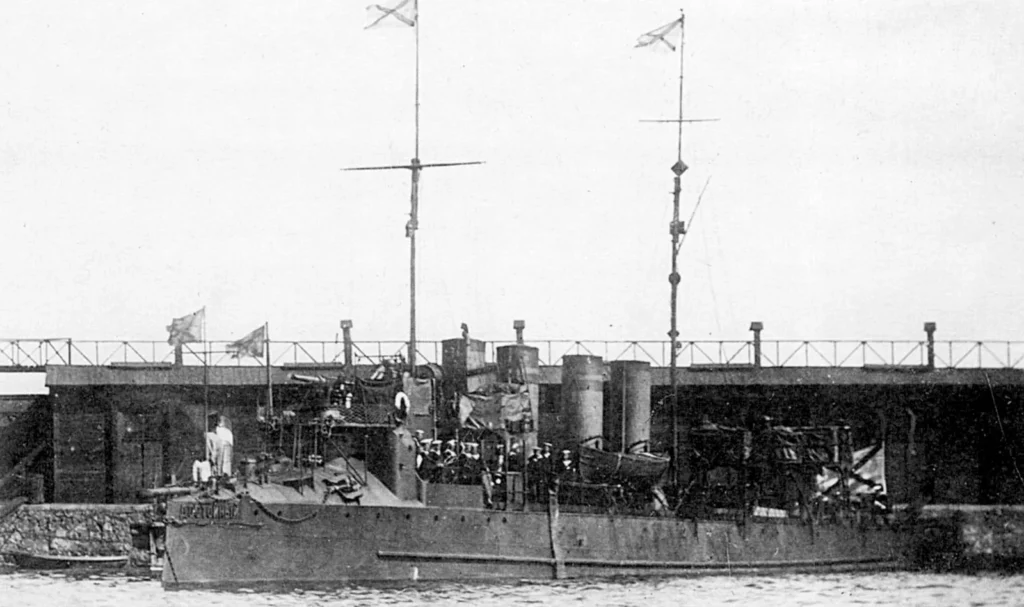
On the morning of the fifth anniversary of the October Revolution, November 7, 1922, the port of Baku was mobilized with the precision of a military operation. Orders specified that by 7:00 a.m. every vessel belonging to the Gokasp (State Caspian Shipping Company), Voenflot (Military Fleet), and Uzbekokaspiy (Caspian Sea Security Directorate) fleets, including small steam launches, assemble at the railway pier to receive musicians and instructions before taking position near the customs piers. The destroyer Dostoiny, equipped with its set of steam whistles, was stationed ahead of the formation opposite the signal tower, with smaller vessels arrayed nearby. By 9:00 a.m. the fleet was to be fully deployed. At the same hour, all available locomotives, shunting engines, local service trains, armored trains, and even those out of repair, were ordered to the pier, transforming the harbor and rail yard into a unified acoustic apparatus.
Human forces arrived in parallel. Cadets from the 4th Armavir Courses, students of the Higher Party School, participants from military training programs, students of the Azerbaijan State Conservatory, and professional musicians were required to report no later than 8:30 a.m. By 10:00 a.m. infantry, artillery batteries, machine-gun units, armored vehicles, and motor transport took up their assigned positions in accordance with the garrison order, while airplanes and seaplanes stood ready. Signalmen were instructed to sound district, station, and dock horns by 10:30 a.m., and even the traditional midday cannon was cancelled to make way for the carefully scripted sonic sequence that would follow.
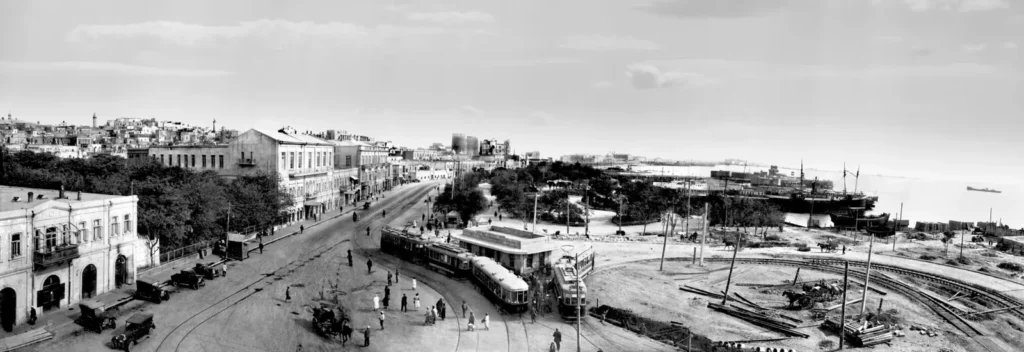
What unfolded was not merely a performance but a programmed “sound picture of alarm, the unfolding battle, and the victory of the International Army,” as outlined by Avraamov in the newspaper Bakinsky Rabochy (The Baku Worker). The scenario began with the “Alarm” After the first salute from the roadstead around noon, alarm horns sounded from the Zykh, Bely Gorod, Bibi-Heybat, and Bailov districts of the city. Subsequent cannon shots triggered successive layers: dock horns, factory sirens of the Chernogorod district, naval signals, and the movement of artillery cadets led by a brass band playing Varshavyanka. With the eighteenth cannon, city factories joined and seaplanes took off; by the twentieth, railway whistles and remaining locomotives entered while machine-gun units and infantry received signals directly from the conductor’s tower. The siren built to a maximum intensity before ending with the twenty-fifth cannon and an “all clear” signal.
The second part of the work, the “Battle” began with a triple chord of sirens announcing the transition. Seaplanes descended, the crowd at the pier shouted “Hurrah!”, and at a signal the Internationale sounded four times. During the second half-stanza, the combined brass band entered with La Marseillaise. On the melody’s first repetition the entire square joined in chorus, singing all three stanzas. Throughout this section, factory whistles and railway signals fell silent, allowing the revolutionary hymn to dominate the acoustic field.
Lastly came the “The Apotheosis of Victory.” A general solemn chord sounded across the city, accompanied by volleys and bell ringing for three minutes, followed by a ceremonial march. The “Internationale” was repeated twice more during the final procession, and after the third performance a final unified chord of sirens and horns sounded across Baku and its districts. At least, that was the intended operating procedure as outlined by Avraamov.
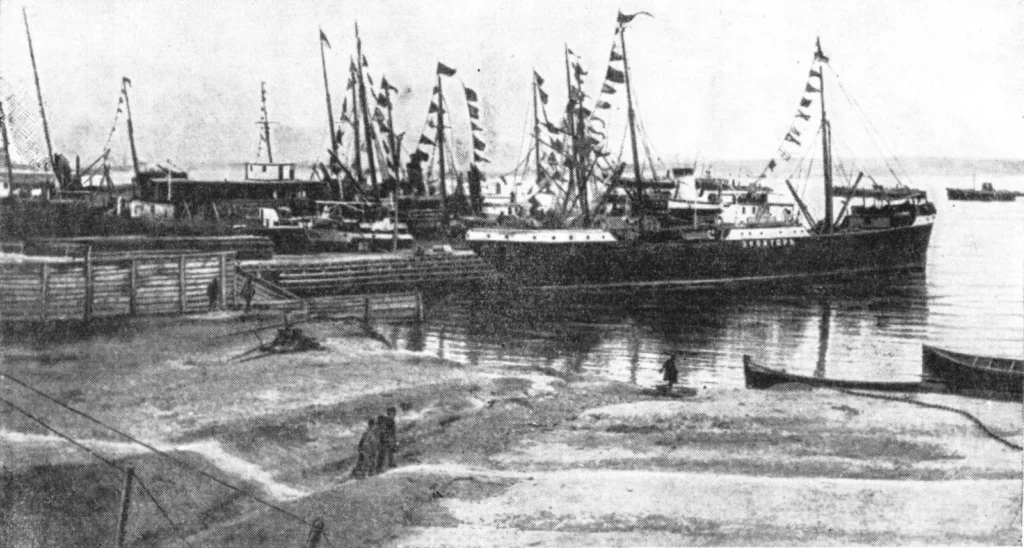
Execution of the event fell under the responsibility of military and port authorities as well as Azneft (State Association of Azerbaijan Oil Industry) and participating educational institutions. The scale guaranteed technical challenges, yet according to accounts cited by scholar Sergei Rumyantsev, the “orchestra” did indeed carry out its instructions and the anniversary celebration proceeded as planned. However, it was not executed perfectly. One description of the event appears in the memoirs of composer Lidiya Ivanova, daughter of Symbolist poet Vyacheslav Ivanov, published in 1992. Writing about her time in Baku, she described the scene: “At the solemn hour, a large group of people gathered to listen, but the symphony fell apart. A cannon was heard, then a whistle, a cannon, another whistle, and suddenly the cannon fell silent. The sirens also fell silent, then each began to emit its own sound at random, first singly, and then all together, roaring at the top of their lungs. It turned out that a ship had appeared on the horizon, and the authorities had forbidden the cannon to fire.”
The technical problems were hardly surprising given the unprecedented scale of the undertaking. Coordinating industrial sirens, artillery, ships, locomotives, aircraft, and massed performers across an industrial port city was a logistical experiment as much as an artistic one. Relying largely on Avraamov’s own publications, Rumyantsev’s optimistic assessment stands in tension with the total silence of the local press after the fact, a silence also noted by Russian avant-garde scholar Andrei Krusanov. For many later commentators, the absence of coverage suggests not triumph but confusion, indifference, or disappointment.
The difficulties were not only technical but due to a fundamental disconnect with the work’s intended audience. Avraamov’s premise rested on the belief that horns, cannon fire, and industrial sirens would be as legible and emotionally resonant to the proletarian public as revolutionary songs, brass bands, or church bells. In practice, audiences unaccustomed to avant-garde experimentation heard something very different: songs were obscured by mechanical roar, tonal relationships dissolved in open air, and the industrial sound mass registered less as music than as pure noise. Even had the coordination been flawless, the work would likely have encountered the same sociological barrier faced by Futurist and avant-garde art more broadly when addressed to mass audiences. Popular taste tends toward the familiar; just as with abstract visual art, noise-based and microtonal experiments were intelligible mainly to a small circle of avant-garde practitioners.
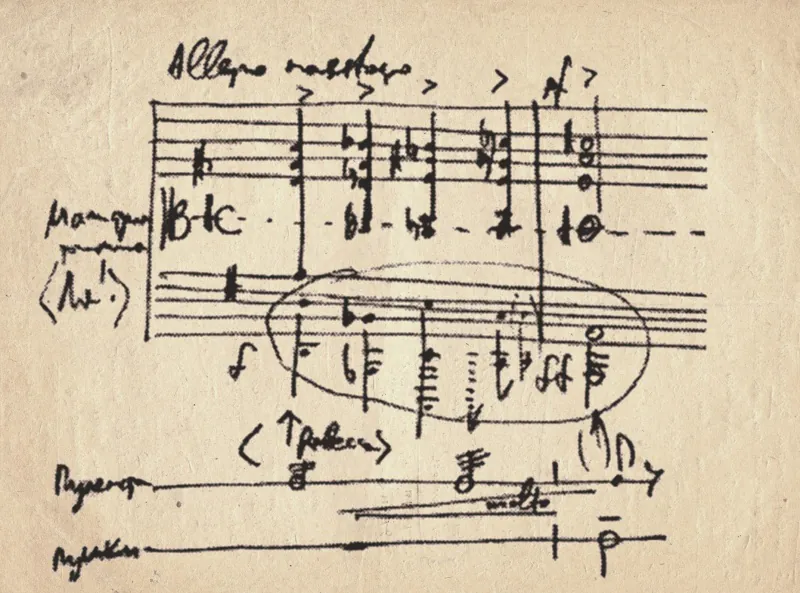
Despite contested reception, the performance represented the fullest realization of Avraamov’s urban symphonic concept to date. The collaborative force of all parties involved served to transform Baku into a testing ground for a new form of civic music. The experiment, whether viewed as triumph or failure, demonstrated the feasibility of organizing an entire city as an instrument and brought Avraamov renewed institutional respect, encouraging his return to the centers of Soviet power with proof that the industrial soundscape could be mobilized as revolutionary art. The work was now scheduled for another large-scale presentation in exactly a year, this time in Moscow.
In the background of this performance and its preparations, Avraamov’s personal life was just as unstable and improvisational as his artistic projects. While in Azerbaijan he adopted the surname Adamov and met a new partner, Eva. The period surrounding the Symphony of Sirens coincided with a new domestic chapter: he and Eva would have a son, also named Arseny, born nearly at the same time as the second performance of the Symphony of Sirens.
Eva was neither his first nor last wife. During an earlier posting in Kazan he had entered another marriage, and later in Rostov he became involved with a pianist named Revekka Zhiv, whom he later described as embodying the same essential image he would see in all of his wives to come. Contemporary accounts suggest that he possessed a strong personal magnetism: despite frequent conflicts with administrators and authorities, he attracted devoted friends and followers, particularly women. Over time he maintained multiple wives who reportedly coexisted without open conflict. He framed this arrangement as a deliberate social experiment, free of jealousy or possessiveness, and claimed it represented a reformed model of marriage consistent with his broader revolutionary utopian thinking.
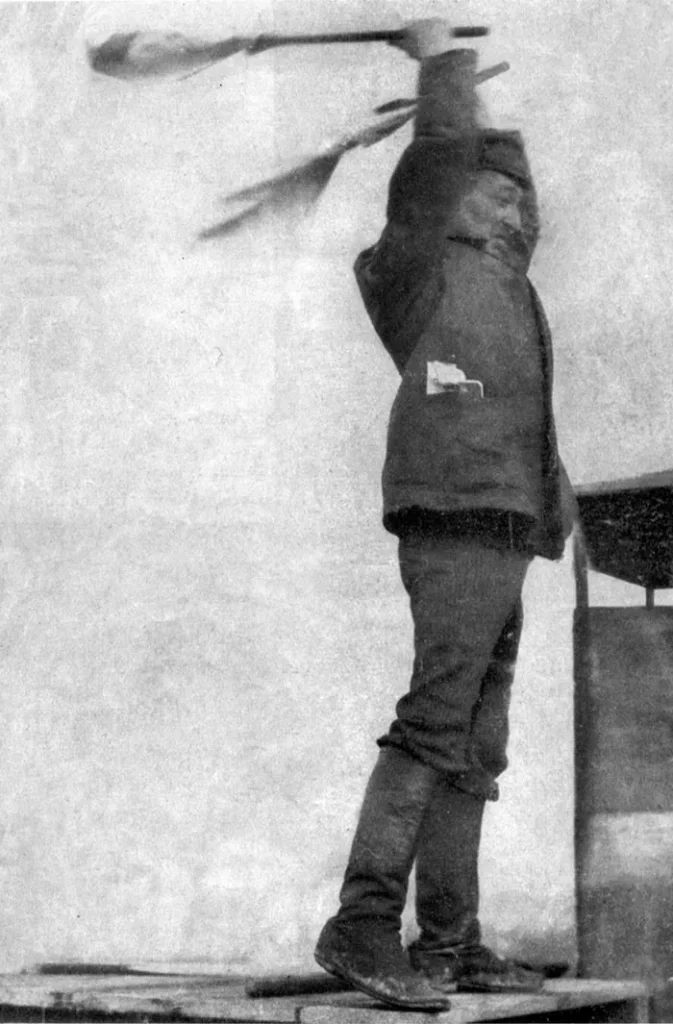
Physically, he cultivated the image of unusual endurance and strength. A gymnast and capable rider from youth, he reportedly remained athletic well into middle age. In his late fifties he was said to still be able to perform full rotations on a horizontal bar, and while near sixty he gathered mushrooms in forests outside Moscow while moving on his hands. Naturally, he fathered numerous children. Although not all survived the war years, one son, Herman, later worked to preserve and promote his father’s legacy, ensuring many of his stories could be told now.
Not everyone who encountered him found him persuasive. Lidiya Ivanova, having also directly encountered him in Baku’s local circles of artists and musicians, described the man as thus: “A musician named Avraamov appeared in Baku. He was a lanky, red-haired enthusiast, seemingly starving. Everyone pitied him, fed him, and listened to his theories. One of the major civic holidays was approaching, and Avraamov conceived the idea of celebrating it with an unprecedented, grandiose, national symphony … Avraamov declared that, despite the failure, he had never felt greater than when he conducted a cannon with a 60-mile orchestra. Avraamov lived a little longer in Baku on the money he received for his symphony and, having borrowed as much as he could from acquaintances, disappeared from the city, abandoning his wife, whom he had already acquired during this time. His detractors said that he systematically traveled to different cities and then left them, leaving behind debts and a local wife.”
Accounts like Ivanova’s complicate the heroic image. They present a figure who inspired loyalty and curiosity but also frustration: a visionary organizer of sound and spectacle whose ambitions often exceeded the social, technical, and institutional structures available to sustain them.
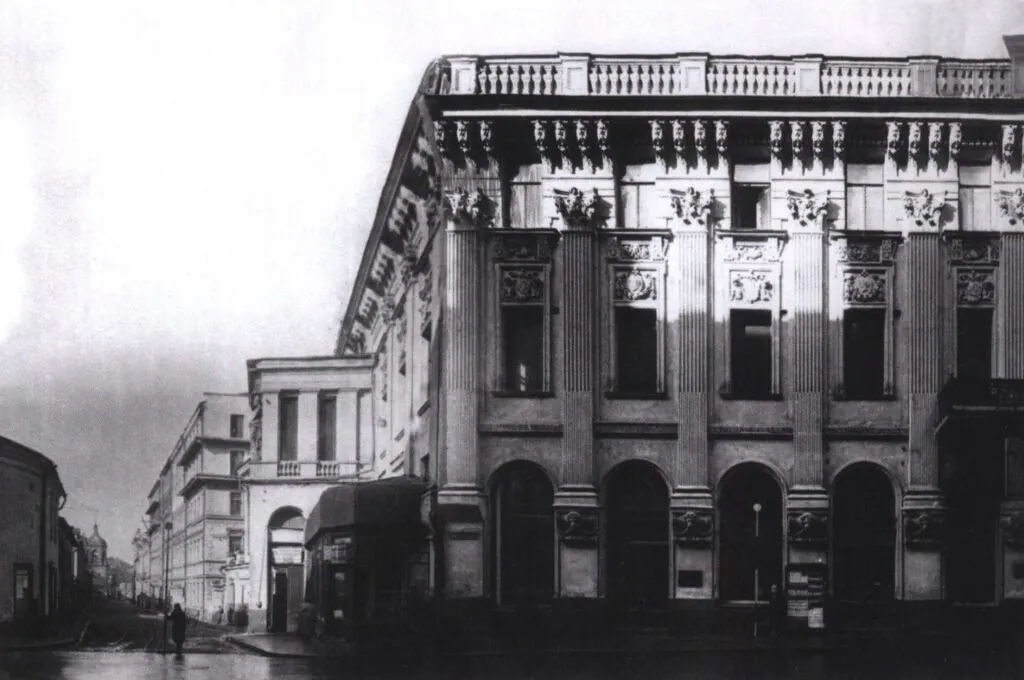
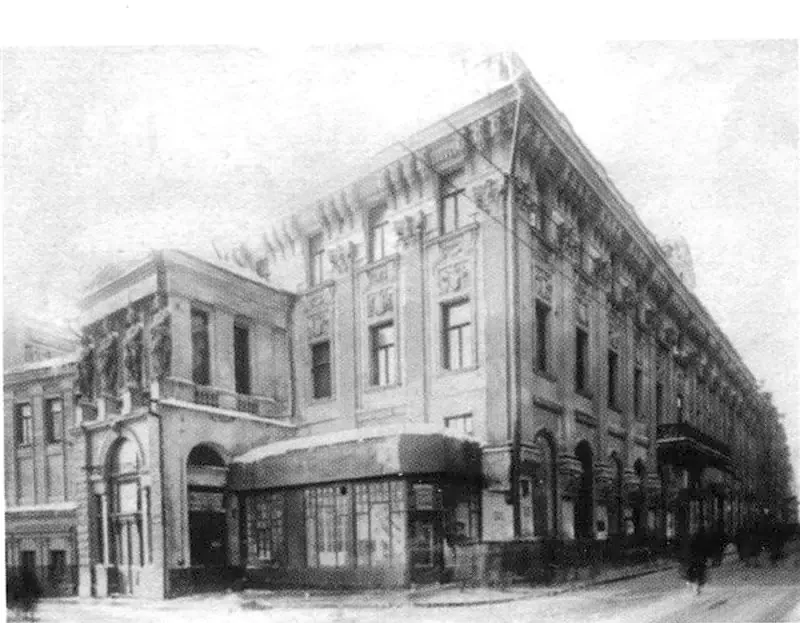
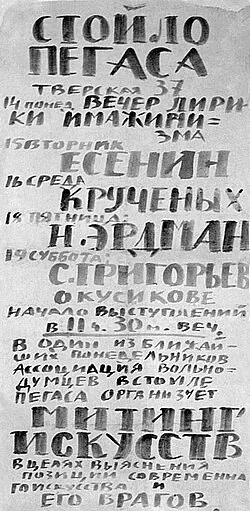
Avraamov returned to Moscow in September 1923 with a reputation that suggested triumph but a personal situation that suggested collapse. He arrived without stable housing or reliable income, drifting between temporary arrangements while attempting to convert notoriety into paid work, mostly continuing to write articles. Nights were often spent at the legendary Pegasus Stall, the poetry café run by Futurists and Imaginists, where sympathetic artists allowed him to eat and sleep on credit. In correspondence with Revekka, he described the arrangement with a particular humor:
“The only advance payment I received from publishers I have spent on an overcoat etc. It was necessary. I eat at the Pegasus Stall — the cafe of the Imaginists — gratis, on account of future blessings, lodging for the night in a separate room — in a word, I am sharing the stable with Pegasus.”
The contrast between visionary ambition and material precarity was stark. Even as he depended on the goodwill of avant-garde circles to survive, he was preparing a second large-scale realization of his siren symphony.
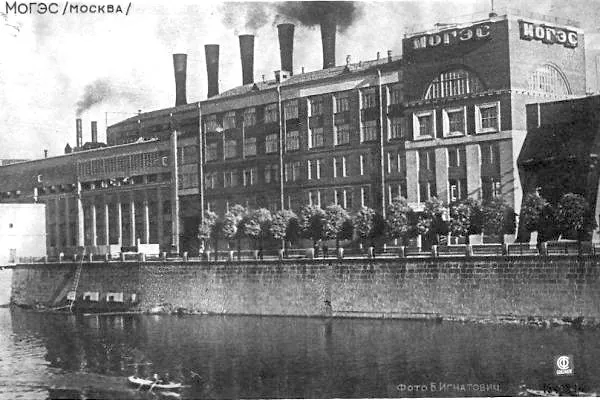
The Moscow version of his masterwork, often referred to as “Symphony in A”, was to be mounted within months following his arrival in the yard of the MOGES (Moscow Association of State Power Plants) Central Thermal Power Station for celebrations marking the sixth anniversary of the Revolution. Conditions proved far less favorable than in Baku although the Moscow version carried personal symbolism. In its title and opening fanfares, Avraamov encoded the names of two women central to his life, his wife Olga and his lover Revekka. Writing to Revekka, he framed the tonal center itself as intimate symbolism:
“Things have settled down at the ‘Sirens’: funds have been allocated for the ‘personnel’ of the organizers and performers—there are no more obstacles. Now, once I’ve found a place for my son, I’ll get to work with all my energy. Olga will work with me … Your symphony’s theme—its tonality—is that both the children and I have always called it ‘A’ … let it be A, the final chord of the theme—the tonic of the entire symphony…”
He had met Revekka in August 1923 during a short stay in Rostov. She came for private piano lessons and found him in an absurd but revealing situation: he owned only one suit, which was being washed and ironed, and he received her naked while waiting for it to dry. By the next lesson he was convinced he was in love; soon afterward he concluded he would have to choose between marriage and flight. True to habit, he chose the latter. By the time he had resurfaced in Moscow a month later, he began sending passionate letters promising great works of art in her name, bearing grandiose and contrived titles such as “Revtractate (Revolutionary Tractate) on Novmuzer. ‘Without Ancestors,’ USSR, 6th year of the first century.” Ever the true believer, he saw the start of the revolution as year zero, even going so far as to rename the months.
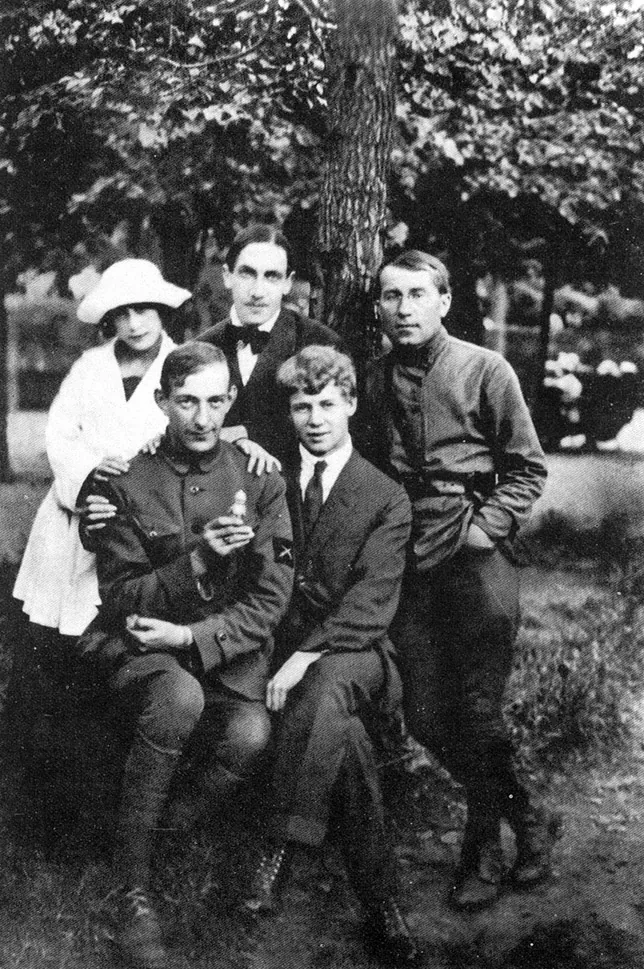
During this same period he wrote prolifically (mostly out of economic necessity), contributed to Pravda and Izvestia, and reportedly planned an avant-garde periodical with Leon Trotsky titled Hotel for Travelers to the Beautiful. He received invitations to teach at the Moscow Conservatory and pursued new theoretical writings while continuing to organize the coming performance of his Symphony. Yet the material facts remained unchanged: he still slept in the Pegasus Stall because he had nowhere else to live.
By this point his personal life was as layered as his artistic schemes. The Moscow horns symbolized not only revolutionary spectacle but his emotional entanglements: Revekka in Rostov; Olga working beside him; and another wife from Kazan who suddenly reappeared in Moscow from his past. The composer who sought to unite cities into a single acoustic organism was, in private life, orchestrating a similarly improbable harmony, balancing overlapping relationships, utopian manifestos, irregular jobs, and grand artistic promises while drifting through the capital without a fixed address.
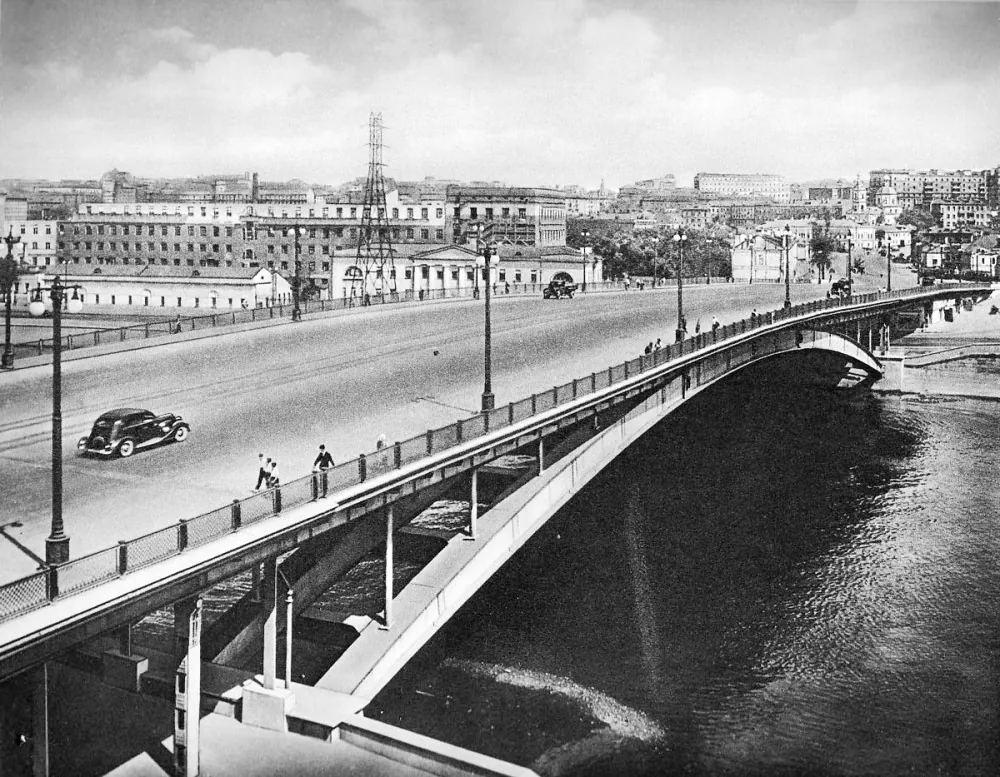
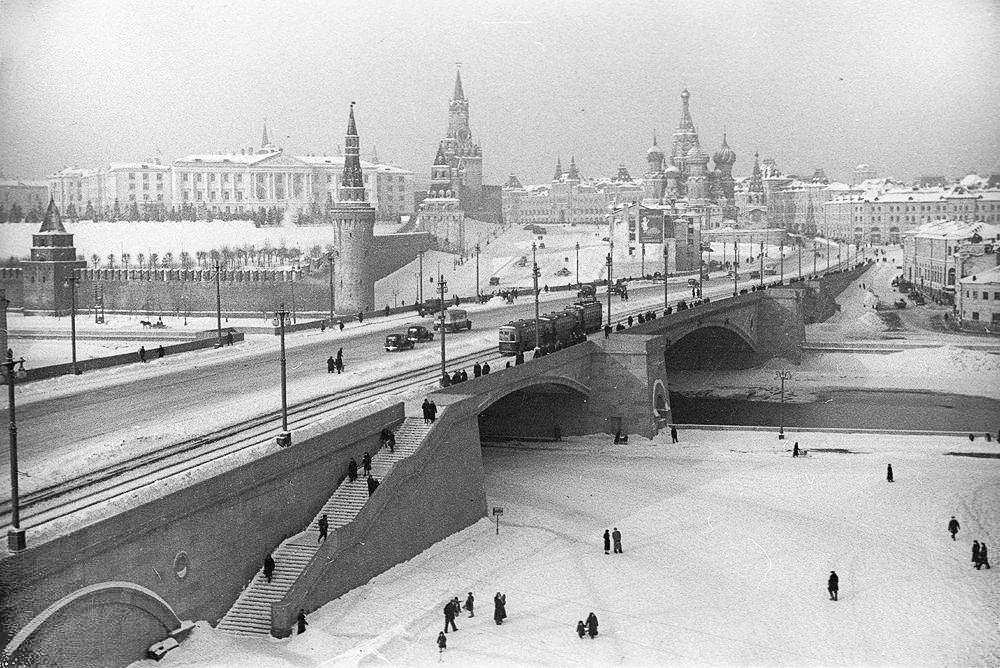
As the anniversary approached, newspapers promoted the event as a “concert of factory whistles” and a “series of numbers on revolutionary themes,” phrases that both attracted attention and quietly misrepresented what listeners were about to encounter. By midday on November 7, crowds poured toward the Moskva River, filling the embankments and clustering along the Bolshoy Moskvoretsky Bridge and Bolshoy Ustinsky Bridge. Artillery pieces lined the riverbanks. Steam locomotives, factory sirens, cannons, and whistles were coordinated across the city, while spectators searched for vantage points from which they could grasp the scale of the promised spectacle. Avraamov himself climbed to the roof of a four-story building so he could be seen from both sides of the river. From this improvised podium he once more raised his colored flags to signal the beginning of the performance.
The largest concentration of listeners gathered near the Power Station, where a singular instrument had been installed: another Magistral, designed specifically for the symphony. The apparatus consisted of roughly fifty whistles tuned to different pitches as students from the Moscow Conservatory operated the device by pulling wires and opening valves, releasing jets of steam that produced tone.
The sound that followed was not merely loud but physically overwhelming. Musicians and spectators alike stuffed cotton and clamped hands over their ears to protect their hearing. At close range the sound mass dissolved into a violent blur; only at a distance could its layered components be perceived as a unified sonic field. Even so, Avraamov considered the result insufficient. His ambition was nothing less than to saturate the entire city in sound.
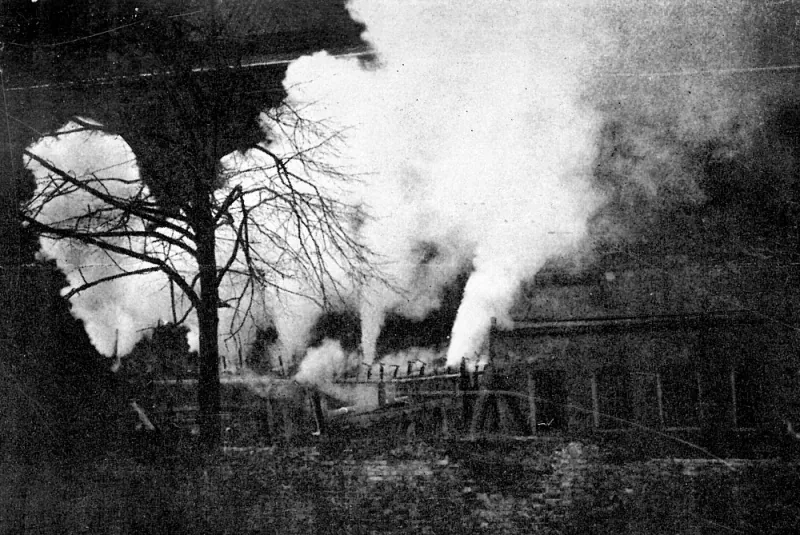
Eyewitnesses described panic and fascination in equal measure. Many listeners, expecting a simple steam whistle concert, instead encountered a sonic shockwave. Some heard only a “powerful roar” and “cacophony,” especially those closest to the sound source. Others, positioned farther away, struggled to recognize the familiar revolutionary melodies embedded within the industrial din. The inaccurate advertising and placement of key instruments created what critics later called a fatal “premise”: listeners were psychologically unprepared, poorly positioned, and confronted with unfamiliar sonic textures that confounded expectations.
Despite confusion, the spectacle captivated observers. The newspaper Izvestia VTsIK described the performance: “It was difficult to discern familiar motifs in this monstrous melody. However, the horns of Moscow’s factories and steam locomotives produced a captivating impression. This powerful response from across Moscow shook the air for a long time, reminiscent of the ringing of bells. The impression of this extraordinary roll call was truly majestic.”
Journalist A. Uglov, stationed near the main whistle line in the MOGES courtyard, reported the physical force of the sound: “A rehearsal was impossible; the simultaneous blast of several horns was so overwhelming not everyone could stand it. Cotton in the ears helped little. Some horns produced different sounds than during testing. The melody could not be established… the failure of the first attempt should not be discouraging; the second should be approached more experimentally.”
A report in Rabochaya Gazeta (The Workers Gazette) emphasized the theatrical choreography of the performance: “The conductor waved a flag… the percussion thundered… what followed could only be heard from a distance; those present were occupied with one thing: plugging their ears lest their eardrums burst.”
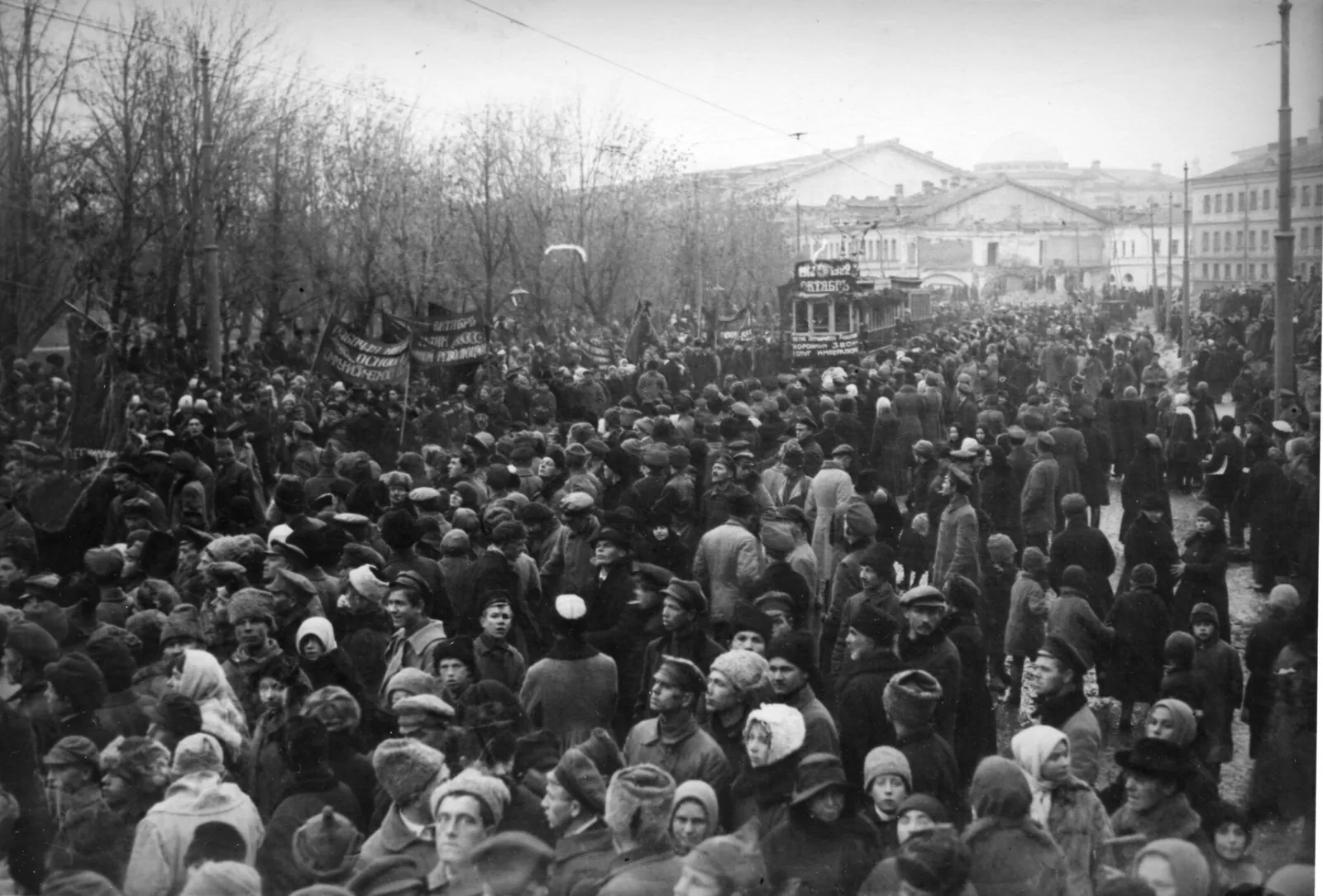
Reception reflected these contradictions. Some could barely hear coherent structure depending on where they stood; others heard but could not recognize familiar melodies embedded in complex harmonic textures. Avraamov himself was dissatisfied with the compromises imposed on the performance: “…we were given, for example, only 27 cannon shots! And that was for a bass drum! And there were no machine guns at all… only rifle salvos! And over Red Square, at the same time as us, two dozen airplanes were buzzing…” In addition, live ammunition, essential for the intended sonic impact, was prohibited. He concluded that “there wasn’t enough sound for Moscow,” attributing part of the problem to the placement of the main whistle line in a courtyard rather than on a roof, and to the density of harmonies that rendered recognizable tunes strangely opaque.
Avraamov later contrasted the Moscow performance unfavorably with the earlier Baku staging, which he considered a successful experiment. Yet he rejected claims of outright failure. Performers were confident enough to parade their “Siren Symphony” banner across Red Square afterward, and when the conductor descended from the roof, horns sounded an impromptu salute as the performers cheered at the successful realization of their spectacle.
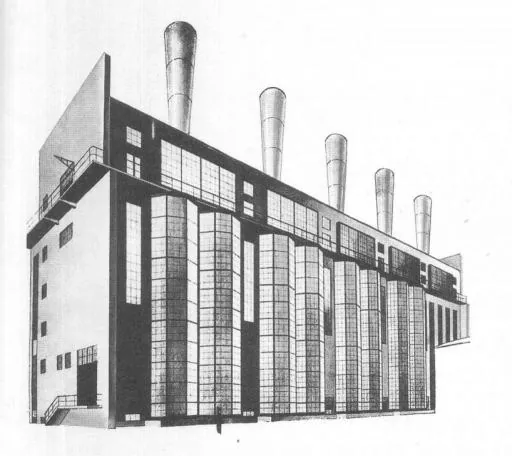
Contemporaries who later analyzed the Moscow performance identified several factors that explain why it failed to secure broad public approval. First was the psychological framing of the event: audiences arrived expecting a celebratory “concert of factory whistles,” not a radical experiment in industrial polyphony. Second was the uneven spatial distribution of listeners. Because the sound sources were dispersed across a wide urban field, perception depended entirely on where one stood. Third was the placement of the main whistle line, Magistral, which had been installed in the courtyard of the power station rather than elevated on a roof, limiting its projection. Finally, early publicity and critical commentary had already cast the Sirens as a futuristic monstrosity threatening traditional music, priming many to hear chaos rather than composition. That misleading publicity and early commentary portraying the work as a monstrous assault on “real music” shaped public reception before a single note sounded. Just as with the performance in Baku, the people of Moscow, inexperienced with the avant-garde, were unsure what to make of the performance.
No recordings of the Moscow or Baku performances were ever made. In the early 1920s there simply was no recording technology capable of capturing a work dispersed across an entire city involving factory sirens, artillery, locomotives, and steam whistles spread over tens of miles of urban space. What survives is mostly in the form of scores, diagrams, letters, press accounts, and, much later, studio reconstructions assembled in the 2000s, although the original acoustic reality, dependent on weather, geography, distance, technology, and mass coordination, was fundamentally unrepeatable.
Several years later, at the dawn of Soviet sound cinema, Arseny Avraamov himself attempted to approximate that sonic experience using the tools available to film production. While working on Abram Room’s 1930 A Plan for Great Works, the first Soviet sound film, he revisited the October anniversary performance. “In 1923, I was organizing a symphony of whistles, conducting with a flag, while artillery was firing on the other side of the bridge. This was the October anniversary. When I reminded Room of this, he depicted the moment.” he recalled. When he described the event to Room, the director recreated the moment cinematically, although the film does not seem to have survived. In the late 1920s and early 1930s, as Soviet film transitioned to synchronized sound, Avraamov worked at Sovkino on early sound-on-film productions, synthesizing industrial and environmental noises using harmonium, piano, and mechanical sound sources, dynamos, engines, and aviation noise, continuing his pursuit of noise as compositional material.

These experiments did not emerge in isolation. In early 1920s Russia, performance laboratories such as Nikolai Foregger and Vsevolod Meyerhold’s theatrical circles and the workshop environment around Sergei Eisenstein encouraged the incorporation of industrial rhythm and mechanical sound into performance. Cultural historian René Fülöp-Miller observed in 1926: ““The same idea also ruled the true proletarian music: it, too, emphasized the rhythms which corresponded to the universal and impersonal elements of humanity. The new music had to embrace all the noises of the mechanical age, the rhythm of the machine, the din of the great city and the factory, the whirring of driving-belts, the clattering of motors, and the shrill notes of motor-horns.” Bolshevik cultural institutions embraced this tendency, building noise instruments and organizing “noise orchestras” intended to produce a truly modern music, in the form of fugues of machinery, industrial imitation, and total sonic environments.
Avraamov’s own follow-up work extended these ideas into theatrical and staged performance before his shift to the medium of film. In November 1923, immediately following the Moscow debut of his Symphony, he composed Shumrhithmuzika (Noiserhythmusic) for Sergei Tretyakov’s production Do You Hear, Moscow?, staged by Sergei Eisenstein for the First Workers’ Theatre of Moscow Prolekult. The interlude score called for carpenter’s tools: files, saws (manual and mechanical), grinding wheels, axes, hammers, sledgehammers, logs, nails, planes, and chains to be performed without embellishment, the original labor rhythms copied and organized into a harmonic structure. The piece treated labor itself as musical performance — decades before industrial music groups such as Test Dept or Einstürzende Neubauten would popularize similar strategies.
Throughout the 1920s Avraamov experimented with retuned pianos, harmoniums, and improvised noise sources alongside symphonic instruments, developing approaches to sound organization that anticipate later electroacoustic and spectral practices. His acoustic philosophy rejected the division between music and noise: both were organized sound, differing only in complexity and structure. Increasing compositional density could transform music into noise; further organization could transform noise into music.
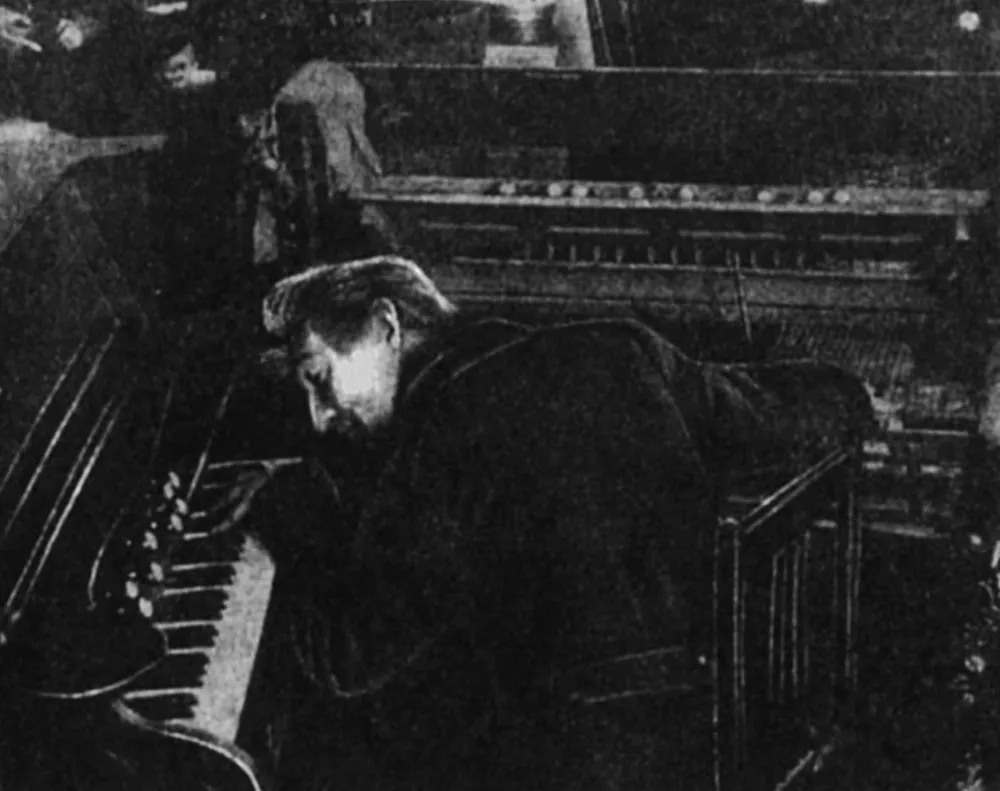
He demonstrated these ideas in the Pegasus Stall, performing “revolutionary opuses” on a rebuilt piano for an audience of poets including Sergei Yesenin, Vadim Shershenevich, Anatoly Mariengof, and Rurik Ivnev. Inspired by a line from one of Vladimir Mayakovsky’s poems about playing a nocturne on a drainpipe flute, he performed on retuned pianos using small garden rakes strapped to his hands to strike dense clusters beyond the reach of human fingers. Around this time he even demonstrated such techniques even for Vladimir Lenin and Nadezhda Krupskaya, an experiment that reportedly failed to impress.
In the wake of the Symphony’s Moscow performance, Avraamov continued to scale his ambitions upward. If sirens across a city were insufficient, he imagined sound projected from the sky. While developing proposals for the State Institute for Musical Science (GIMN) in the mid-1920s, he advanced a concept he called “Topographical Acustics”:
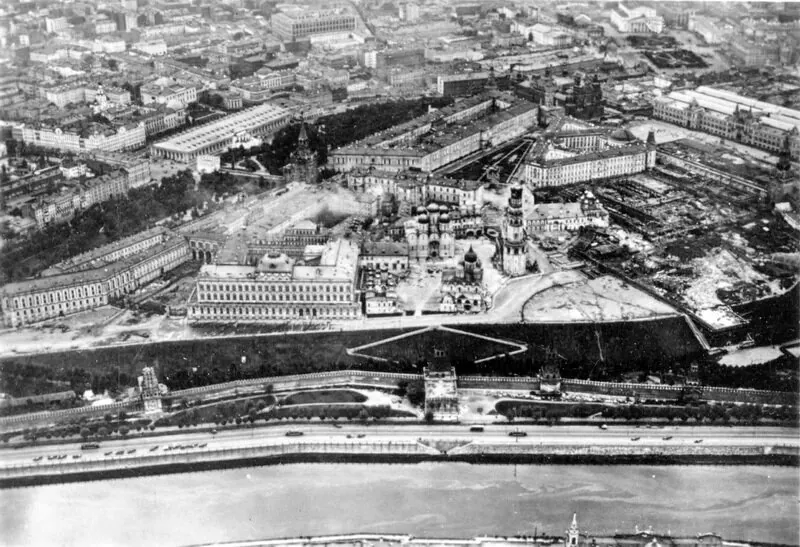
As he argued, science must provide new means: radio-musical instruments of immense scale “What are we supposed to do if our ‘chamber’ sound systems have outlived their usefulness, if even the power of factory whistles isn’t enough to reach Moscow’s ‘audience’? What are we supposed to do? Demand new, modern-scale means from science and technology!” The composer then outlined the programmatic goals of the new musical science: “The design of radio-musical instruments of colossal social and vital significance: unlimited increase in sound volume with ideal intonation and timbre accuracy… Topographic acoustics: the study of the conditions for the powerful sound of musical instruments over entire cities.”
In other words, he proposed powerful electroacoustic devices mounted on aircraft capable of broadcasting sound across vast territories. By 1927 he was already envisioning an “Aerosymphony,” suggesting that if sirens lacked sufficient power, devices like those of Léon Theremin could be installed on airplanes or zeppelins flying above Moscow. Having once conducted a city from the ground, Avraamov now imagined working from above, orchestrating the air itself.
It would not be a stretch to infer that the idea of hearing sound emanating from the sky had divine connotations for Avraamov, as he often framed sound in near-religious terms, treating it not merely as an artistic medium but as a force capable of shaping collective consciousness. In the same article where he outlined the logistics of the Symphony of Sirens, he introduced the project in the following way: “Of all the arts, music possesses the greatest socially organizing power. The most ancient myths testify to humanity’s awareness of this power since time immemorial. Orpheus tames wild beasts with music. Joshua shatters the strongholds of Jericho with his trumpets. Amphion raises majestic temples from the rocks with the sound of his lyre: stone colossi rise of their own accord to his music. Pythagoras hears the “harmony of the spheres” in cosmic mechanics itself, in the movement of the heavenly bodies.”
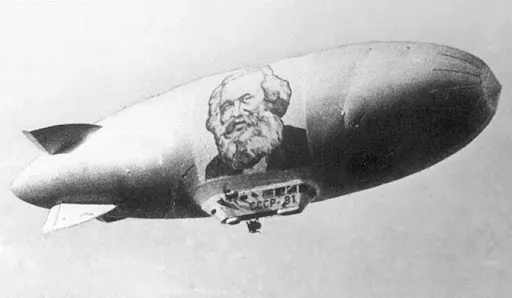
Between 1923 and 1926 he spent a period working in Dagestan before returning to Moscow. His circumstances gradually stabilized when he secured a position at the State Institute for Musical Science (GIMN), where he continued research into acoustics, tuning systems, and large-scale sound projection. Even as his material conditions improved, his ambitions remained planetary: to reorganize listening itself, and with it, the social body.
The years following Symphony of Sirens marked an acceleration rather than a culmination in Arseny Avraamov’s project to remake music at the level of physics, technology, and social organization. In 1927 he encountered what he considered one of the most consequential developments of the era: the electronic instrument devised by Leon Theremin. Writing with visible frustration, he noted that the Soviet press had responded “chillily, avariciously and unsympathetically” to the Rosfil’s (Russian Philharmonic Society) demonstration of the device. While he acknowledged the instrument was not an absolute novelty, Theremin had shown an earlier prototype years prior, Avraamov insisted that only now had it reached genuine artistic importance.
For Avraamov, the Theremin was not merely another instrument but a structural break with the past and a crucial component in bringing his goal of a new system of music to reality. He described it as “the biggest musical event of our days,” opening boundless prospects and constituting a “social revolution in the art of music.” Its significance lay in its ability to liberate sound from mechanical constraints and fixed pitch systems. He argued that the development of the instrument planted “the first real mine under the foundation of the former musical world and simultaneously one of the cornerstones of the basis of the future. It won’t be a primitive-handmade Symphony of Sirens!”. The Theremin’s continuous pitch and timbral control suggested an expanded tonal system, renewed connections with Eastern musical traditions suppressed by equal temperament, deeper synthesis with speech intonation, and the emergence of what he called a new “differential music” built from parallel and counter-moving glissandi rather than discrete notes.
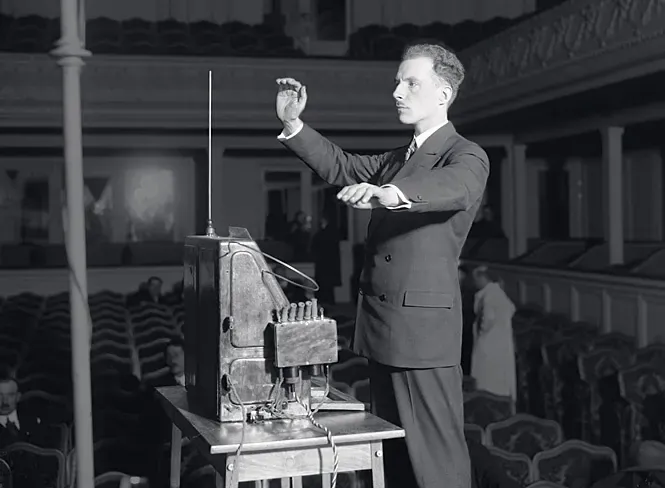
This convergence of science and sound aligned directly with the next step in Avraamov’s own theoretical work. On June 1, 1927, he launched the Association for the Revival of Music, an attempt to extend the philosophical legacy of his pre-revolution Leonardo da Vinci Society into the new technological era. The new group included Theremin and commissar Boris Krasin, but it was short-lived, its momentum having collapsed when Theremin’s mentor Abram Ioffe secured patents for the instrument and sent the inventor on an international trip to Europe and the United States, depriving the association of its central figure.
Avraamov continued undeterred. He joined the State Institute for the History of Arts in Leningrad and that summer traveled with Theremin to the 1927 International Exhibition of Music in the Life of Nations in Frankfurt am Main, where they represented the USSR and where Avraamov presented his ultrachromatic tonal theory. There he unveiled the framework that would define his later work: a universal 48-tone system, or Welttonsystem. Developed in his 1927 thesis The Universal System of Tones, the system sought to merge the equal-tempered scale with the natural overtone series, dissolving boundaries between pitch, timbre, and noise. He envisioned it not simply as microtonal harmony but as a foundation for additive synthesis and new acoustic architectures.
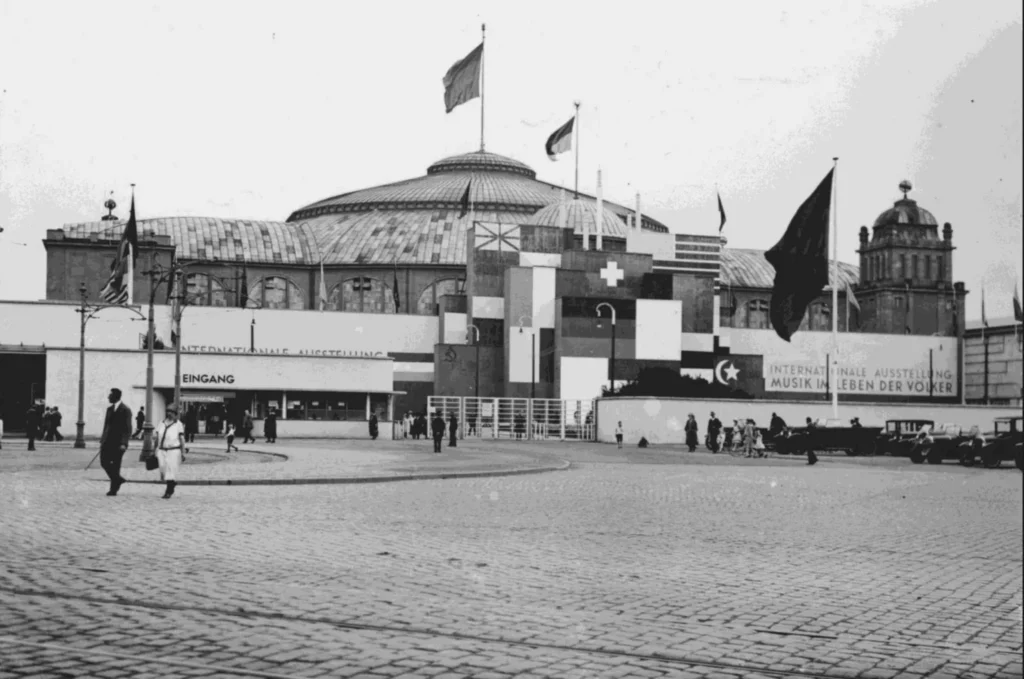
Avraamov’s theoretical ambitions extended beyond acoustics into cultural reconstruction. Writing in 1927 for the State Academy of Artistic Sciences, he declared the imminent birth of a new discipline: “We are on the eve of the birth of a new artistic discipline, a true product of our time, an era of social revolution. I am speaking of musical ethnology, which is replacing the decrepit and outlived musical ethnography”. Folk-song research, he argued, had failed because it attempted to force non-European musical systems into the twelve-semitone framework. Notating songs with sharps and flats distorted their intonational reality, making any scientific analysis unreliable. “until it was established beyond a doubt that folk song writing absolutely does not fit within the narrow confines of the European 12-semitone system … any reliable scientific analysis of musical folklore was out of the question.”
He insisted that the October Revolution had created conditions for genuine cultural self-determination among the many peoples of the Soviet Union. Imposing European tonal templates on non-European traditions, he warned, would constitute a crime against the future international culture. “Every people, no matter how small,” he argued, “can and must contribute their mite to the treasury of the future universal culture.” The central obstacle lay in notation: without precise symbolic systems capable of capturing micro-intonations and timbral nuance, oral traditions could not develop large-scale compositional forms or be transmitted accurately across generations.
To approximate the richness of global musical intonation, Avraamov argued that the octave must contain at least forty-eight divisions; a more precise system might require eighty-four, and even that would remain a compromise relative to mathematically pure tuning. He further observed that the timbral inventiveness of folk traditions far exceeded that of European art music, which historically drew upon folk sources only intermittently. “It’s time to finally approach folk music not merely as raw material for artistic processing, but as a valuable phenomenon in its own right, one of immense cultural and historical significance. It’s time to begin a precise study of the unique modes of song, the result of which alone will enable us to create a fully applicable musical notation for each ethnic group.”
To capture this richness, he proposed expanding the octave to at least forty-eight tones; greater precision might require eighty-four. Even that, he noted, would still fall short of mathematically exact representation. European music, in his view, lagged behind folk traditions in timbral inventiveness, which Western composers merely borrowed from time to time to enhance their own individual works.
His advocacy of the Welttonsystem was tied to this broader effort to reconcile physics, perception, and musical structure. The system sought to combine the equal-tempered scale with the natural overtone series while dissolving the divide between pitched harmony and the spectral fabric of sound itself. Unlike other microtonal pioneers, Avraamov treated ultrachromatic instruments not merely as tools for new harmonies but as vehicles for additive synthesis, capable of constructing complex timbres from component frequencies.

Amid the surge of interest in microtonal, “ultrachromatic” music, Russian experiments in synthetic sound were largely framed through a microtonal lens. Researchers and composers focused on how to approximate the natural overtone series while preserving the practical benefits of equal temperament. The result was a proliferation of new harmonic systems built on expanded temperaments, each attempting to reconcile acoustic reality with the structural flexibility required for modern composition and sound production. Numerous alternative temperaments were proposed, including Avraamov’s 48- and 96-step scales, Boris Yankovsky’s 72-step system, Pavel Leiberg’s 41-step division, and Andrei Samoilov’s Ober-Unter-Tone harmonic theory. These efforts sought to reconcile overtone-based natural tuning with the practical advantages of equal temperament.
Avraamov’s fascination with sound’s physical inscription pushed him further into proto-digital thinking, Avraamov pushed the implications of his work further than most of his contemporaries were prepared to follow. In his essay Production–Reproduction, Arseny Avraamov built off his theories originally proposed in 1916 and once again called for a scientific study of phonograph grooves to determine exactly which graphic forms correspond to specific acoustic phenomena.
Although largely self-taught as an acoustician, Avraamov’s thinking was grounded in early encounters with the scientific acoustics of Hermann von Helmholtz. Well before the establishment of dedicated electronic music studios, he proposed sampling, analyzing, and resynthesizing sound. He urged laboratory experiments to measure groove length, width, depth, and curvature, to compare mechanically produced grooves with hand-made inscriptions, and to refine what he called a “groove-manuscript score” to finally realize sound synthesis based on mathematical modeling of the acoustic properties of sounding objects. The proposal anticipates what is now known as physical modeling synthesis, or the generation of sound by simulating how materials vibrate rather than by recording or electronically oscillating tones. Several years later, László Moholy-Nagy would articulate a similar concept in Central Europe.
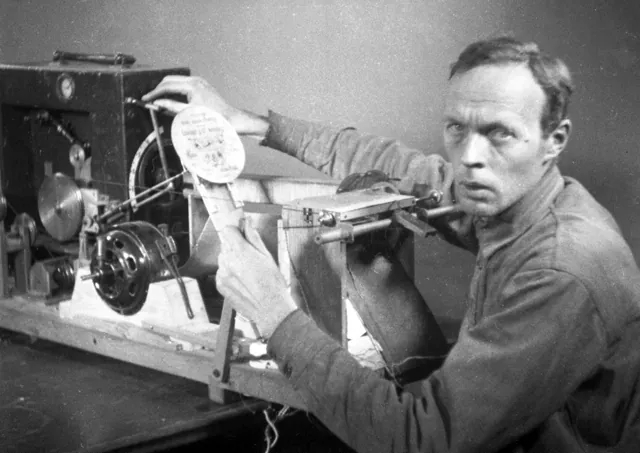
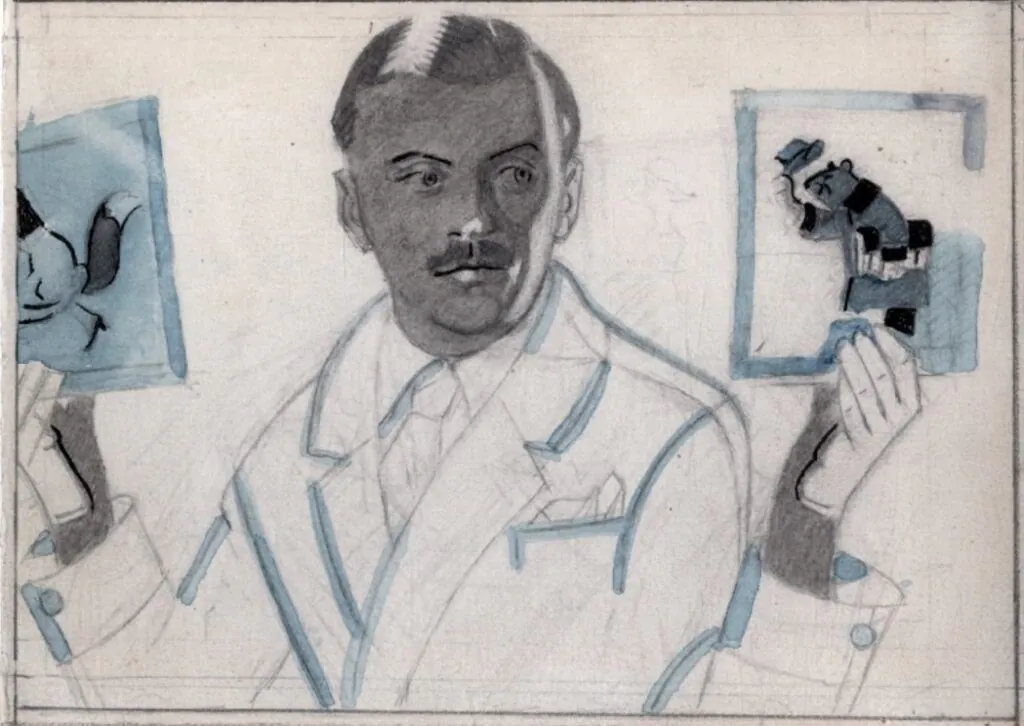
Between 1929 and 1930, Avraamov translated these theoretical concerns into practice at the Central Laboratory of Wire Communication in Leningrad, where he pioneered graphical sound synthesis after joining the team producing the Soviet Union’s first sound film, The Plan of Great Works, directed by Abram Room. Based in Leningrad at Shorin’s Central Laboratory of Wire Communication, he worked alongside inventor Evgeny Sholpo and animator Mikhail Tsekhanovsky. The group attempted to build a soundtrack that would satisfy both their experimental ambitions and the more conservative expectations of political overseers. Avraamov later recalled that he wanted to avoid conventional musical cues entirely and pursue noise, but visiting officials and cultural administrators reacted with confusion, dismissing the results as “chaos,” forcing the team into compromise and compose more traditional sounds.
Using an animation stand, geometric waveforms and ornamental patterns were drawn on paper and photographed onto a film’s optical soundtrack. During playback, a photocell converted the light variations into electrical signals, enabling precise control over pitch, timbre, glissandi, and polyphony without instruments or performers. Sound could be generated from algebraic equations, geometric forms, or ornamental motifs.
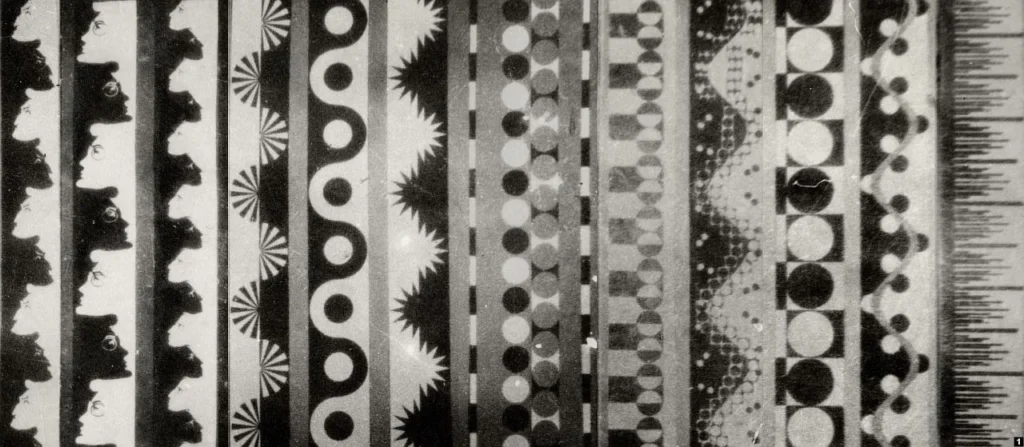
By October 1929, the first film reel was developed, bringing Avraamov closer to a long-standing goal: the direct synthesis of sound. It was Tsekhanovsky who proposed using visual ornament as an audio source, suggesting that Egyptian or Greek decorative patterns, such as the frieze of an ancient Greek temple, might function as waveforms. From this moment, graphical sound was born. The team began producing what they variously called “ornamental,” “drawn,” or “synthetic” sound: hand-rendered shapes photographed onto optical soundtracks and translated into audio through photoelectric playback, a practice rooted in Futurist theory.
In 1930, Avraamov became the first composer to publicly demonstrate sound works created entirely through drawing. Using geometric profiles, ornamental motifs, and abstract waveforms, he photographed hand-rendered shapes onto optical soundtracks with an animation stand. When projected and read by a photoelectric system, these drawings produced audible tones without the use of instruments or performers. On 20 February 1930 he outlined the emerging method in a lecture to the sound-on-film group at ARRK, and later that year, on 30 August at the First Conference on Animation Techniques in Moscow, he formally presented the technique under the title Ornamental Sound Animation.
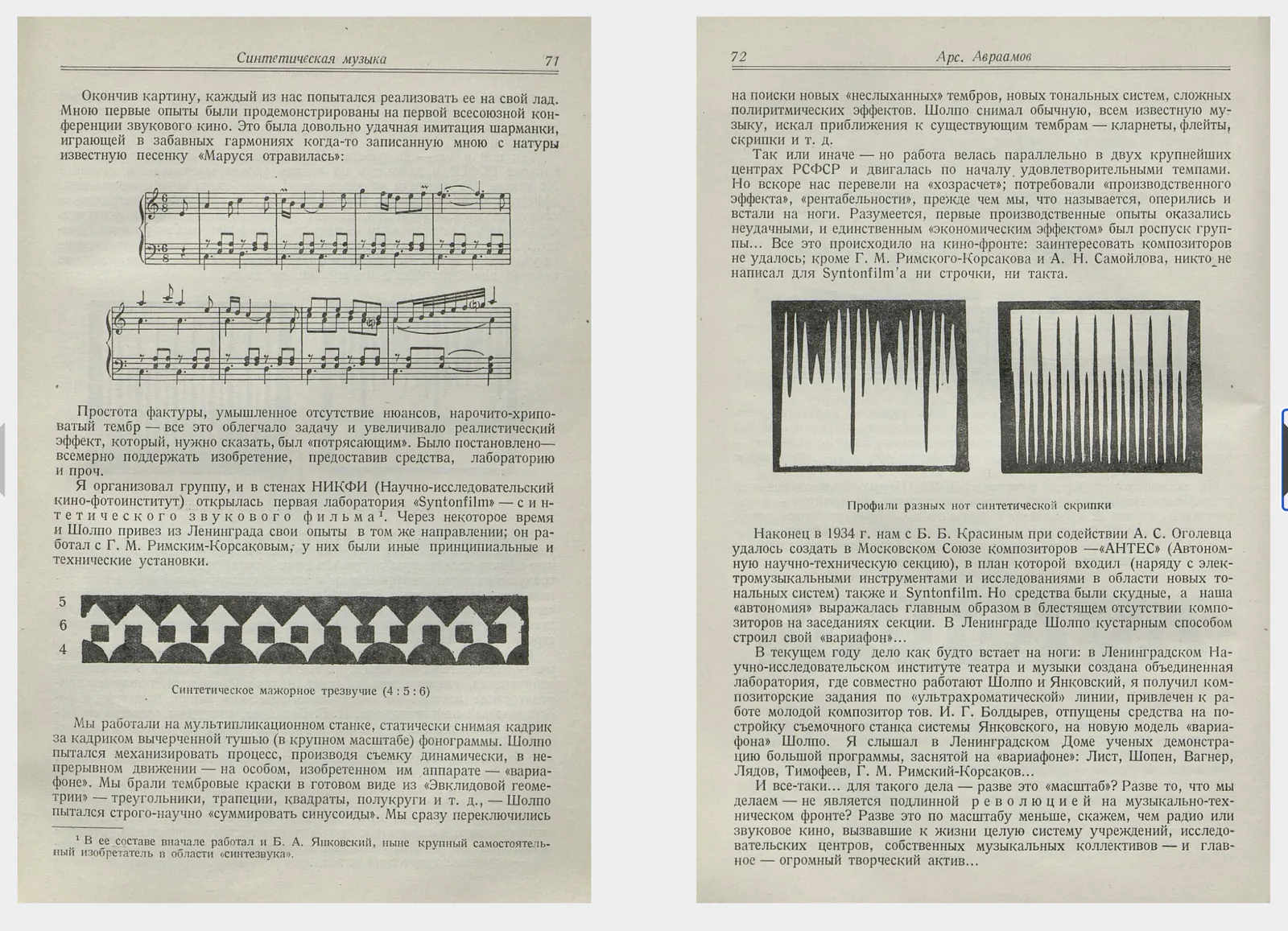
Observers immediately recognized the significance of the demonstration. Vladimir Solev later recalled that at the dawn of sound film Avraamov had already exhibited experimental pieces “based on geometric profiles and ornaments, produced purely with drawn methods,” after which his assistants went on to develop their own variations. By October 1930 the technique was described publicly in E. Veisenberg’s article Animation of Sound, marking its transition from laboratory experiment to a reproducible artistic method.
Two months later, filmmaker Mikhail Tsekhanovsky elaborated on the implications of drawn sound in his essay on sound film, noting that the techniques developed by Avraamov in Moscow and by Evgeny Sholpo and Georgy Rimsky-Korsakov in Leningrad opened the possibility for sound and image to evolve in parallel from the first frame to the last. “we are achieving a real possibility of gaining a new level of perfection: both sound and the visual canvas will be developing completely in parallel from the first to the last frame… Thus drawn sound film is a new artistic trend in which for the first time in our history music and art meet each other.”
By the early 1930s, Soviet laboratories had already learned to sample instrumental timbres and were experimenting with synthetic voice production. Between 1929 and 1934, Avraamov contributed to multiple sound-film projects while heading the sound laboratory at the Research Institute of Cinematography, helping define the acoustic vocabulary of early Soviet cinema.
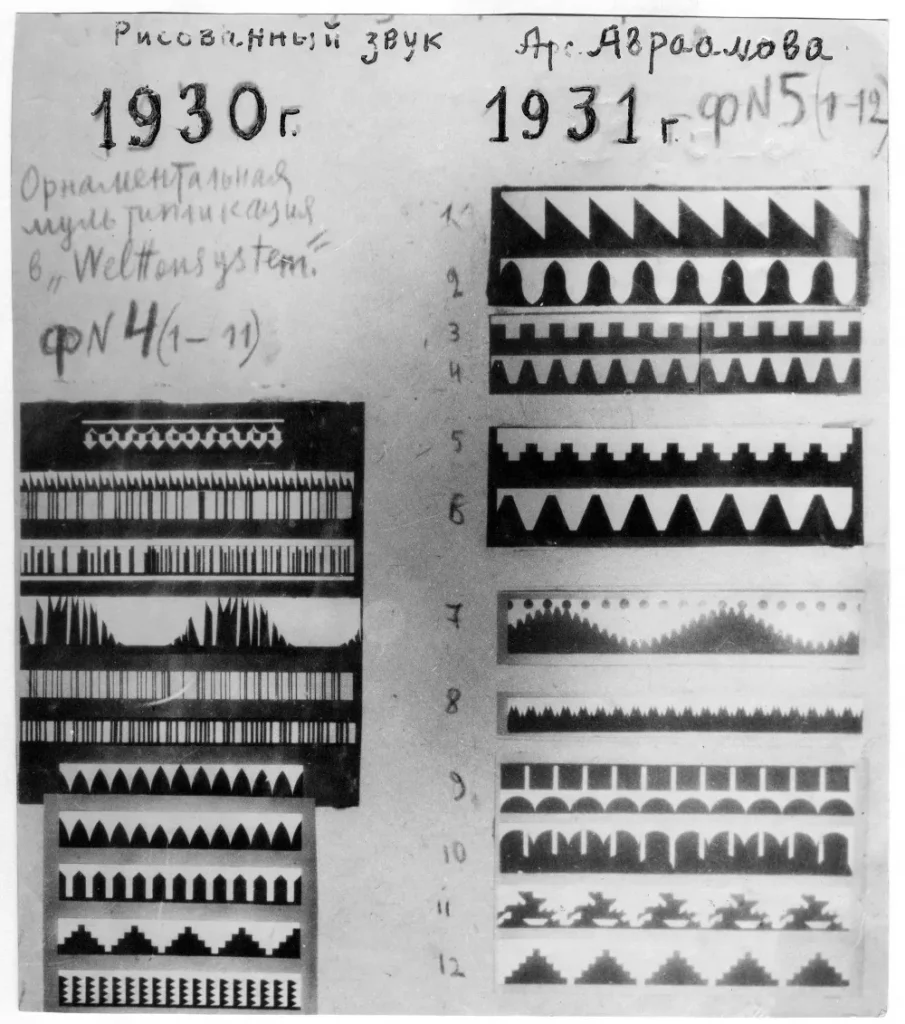
Avraamov’s later work anticipated several pillars of modern sound practice. After contributing to the soundtrack of A Plan for Great Works, he continued experimenting with sound synthesis, editing, and montage, working methods that involved physically manipulating optical soundtracks led to what musicologist Andrey Smirnov later identified as the invention of graphical sound. These experiments, along with his use of sampling-like techniques and noise synthesis, place Avraamov among the early progenitors of what is now broadly categorized as electronic music.
The technique behind graphical sound relied on photoelectric conversion. A beam of light passed through a transparent strip or rotating disc bearing a drawn waveform; variations in the drawing altered light intensity, which a selenium cell converted into corresponding voltage changes and thus audible pitch and timbre. Similar sound-on-film and photoelectric synthesis systems proliferated internationally in the early 1930s, including Tönende Ornamente by Oskar Fischinger and Tönende Handschrift by Rudolf Pfenninger, as well as instruments such as Spielmann’s Superpiano and Welte’s Licht-Ton Orgel, apparently developed independently of their Soviet colleagues. These parallel developments placed Avraamov’s work within a global shift toward synthesizing sound from light, mathematics, and graphic form—an early blueprint for modern electronic audio.
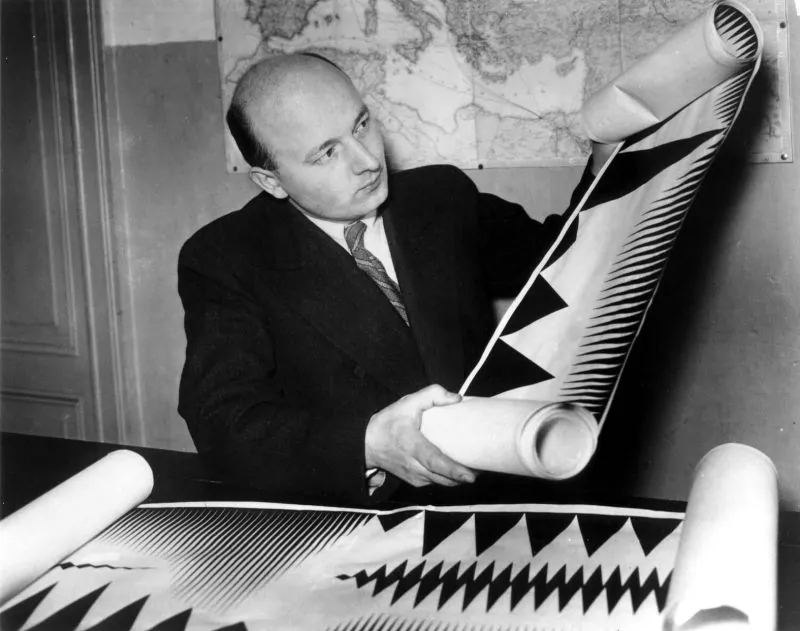
Avraamov’s experiments coincided with his advocacy of the ultrachromatic 48-tone system, outlined in his 1927 thesis The Universal System of Tones, presented in Berlin, Frankfurt, and Stuttgart. His microtonal proposals predated contemporaneous developments such as Georgy Rimsky-Korsakov’s quarter-tone research and Julián Carrillo’s Sonido 13, but Avraamov alone linked expanded pitch systems with synthetic sound production and graphic notation. He also served as sound designer for Piatiletka: The Plan of Great Works, helping bring these ideas into cinematic practice.
Avraamov rejected any strict division between music and noise, treating both as forms of organized sound. Industrial and mechanical timbres could be recreated acoustically: the hum of a dynamo motor using semitone intervals in low registers, the vibration of an aircraft through beating fourths, or factory sirens approximated with organ pipes and close microphone placement. Complex industrial rhythms were constructed using prepared grand pianos to simulate hammer strikes, while bell tones could be reproduced through dense piano chord clusters. When deadlines required, actual noise could be recorded directly, but his guiding principle remained synthesis and transformation rather than raw capture. Though the archive has been lost, documentation indicates that the work anticipated later developments in electronic composition, optical synthesis, and industrial sound aesthetics by several decades.
Like Avraamov, Fischinger also later wrote that ornament and music are directly connected: “Between ornament and music persist direct connections, which means that Ornaments are Music. If you look at a strip of film from my experiments with synthetic sound, you will see along one edge a thin strip of jagged ornamental patterns. These ornaments are drawn music — they are sound: when run through a projector, these graphic sounds broadcast tones of a hitherto unheard purity, and thus, quite obviously, fantastic possibilities open up for the composition of music in the future”
In the Soviet context, however, light-sound synthesis attracted particular attention, partly due to the lingering influence of Alexander Scriabin and his synesthetic theories linking sound, color, and spiritual perception on young Soviet musicians and artists, despite passing away over a decade and a half earlier. Researchers quickly realized that drawn sound could generate transitional timbres—hybrid tones shifting between instrumental families—long before electronic synthesis made such transformations commonplace. Each member of the original team that developed Room’s film saw the process as a path toward their own ambitions: Avraamov toward ultrachromatic sonic structures, Sholpo toward performer-less instruments, and the animators toward a unified audiovisual language.
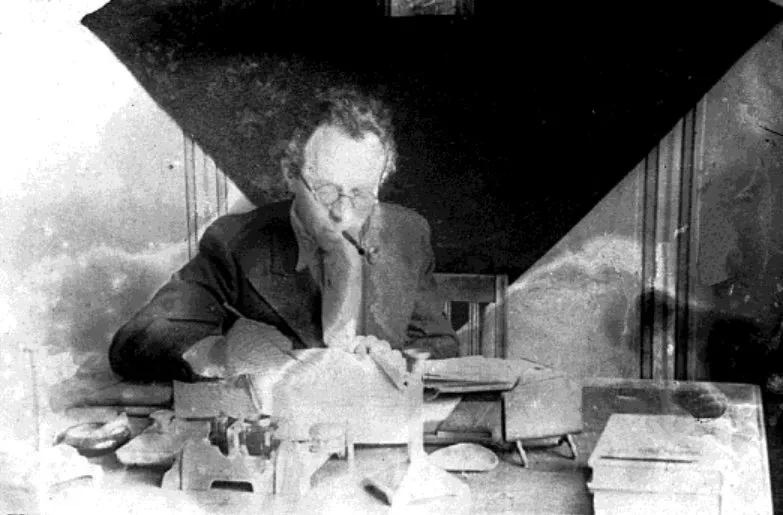
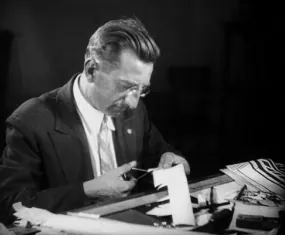
In the autumn of 1930, Avraamov established the Multzvuk Group, a laboratory-style collective dedicated to research in graphical sound and ultrachromatic harmony. The team was small but specialized: a technical draughtsman and cameraman Nikolai Zhelynsky, animator Nikolai Voinov, and acoustician Boris Yankovsky. Yankovsky played a central role, translating musical scores into Avraamov’s forty-eight-step microtonal Welttonsystem and into Andrey Samoilov’s Ober-Unter-Tone harmonic system. Final scores were encoded using Yankovsky’s seventy-two-step ultrachromatic scale; dynamic gradations were indicated through variations in light exposure (camera diaphragm settings), while tempo and rhythmic motion were controlled by frame counts. Avraamov conducted acoustic experiments in multi-exposure optical recording, enabling glissandi, timbral cross-fades, and polyphonic layering — a primitive form of multitrack sound synthesis. Between 1930 and 1931 he also taught an elective course at the Moscow Conservatory titled History and Theory of Tone Systems.
The Multzvuk group initially operated at Mosfilm in Moscow before relocating in 1931 to the Scientific Research Institute for Film and Photography (NIKFI), where it became known as the Syntonfilm Laboratory. Funding was discontinued in December 1932; the group moved briefly to Mezhrabpomfilm before closing in 1934 on economic grounds, officially deemed unable to justify its costs. Despite its short lifespan, the laboratory functioned as a prototype for the modern electronic music studio: a research environment combining composition, acoustics, engineering, and image-based sound production.
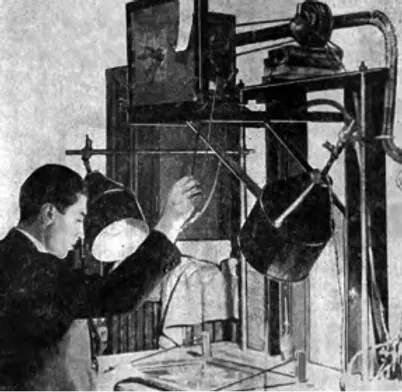
During its four years of activity, the group produced more than 2,000 meters of optical sound film. These included experimental films and studies such as Ornamental Animation, Chinese Tune, Organ Chords, Untertonikum, Prelude, Staccato Studies, Dancing Etude, and Flute Study. Unfortunately, none of the work has survived. The nitrate film archive was stored in Avraamov’s apartment and is believed to have been burned between 1936 and 1938 when his sons stole and used the highly flammable film stock to make rockets and smoke bombs.
The closure of the sound laboratory was to be expected, as the broader political climate was shifting rapidly. By the mid-1930s, Socialist Realism had been consolidated as the official doctrine of Soviet art. Experimental practices associated with the 1920s avant-garde—microtonality, electronic instruments, graphical sound, and abstract formal systems were increasingly labeled “formalist.” In official rhetoric, formalism signified elitism, technical excess, and a failure to serve proletarian ideology. Avraamov’s ultrachromatic theories and synthetic sound experiments fell squarely within this category. By 1934, nonconforming artistic work was being marginalized or openly denounced across cultural institutions.
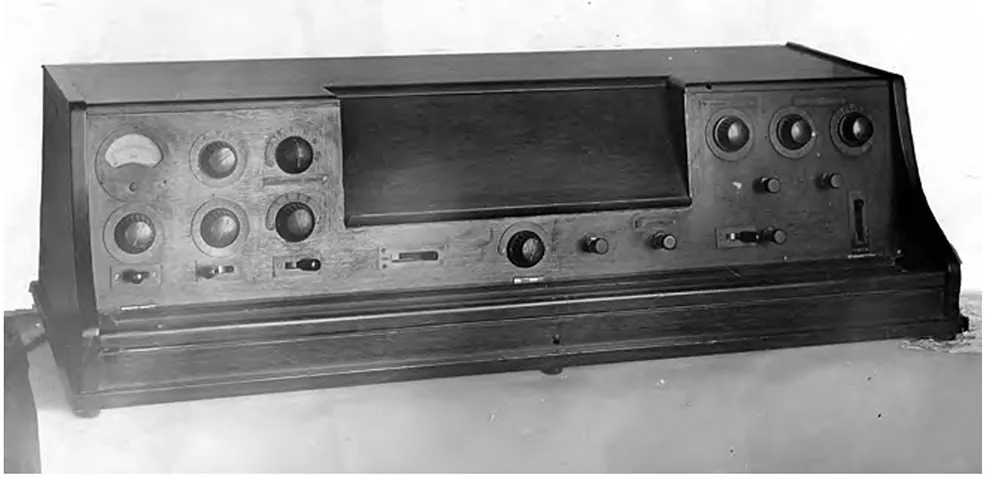
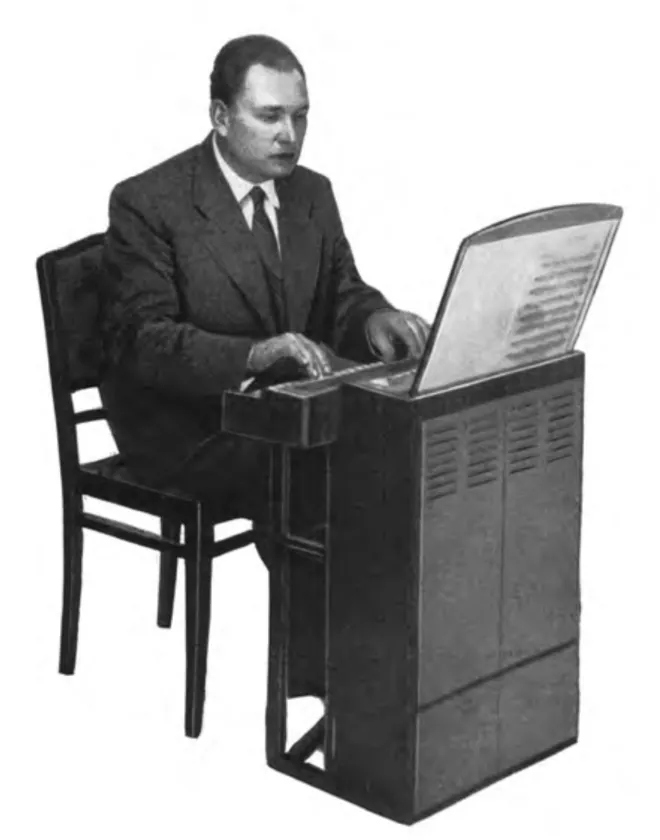
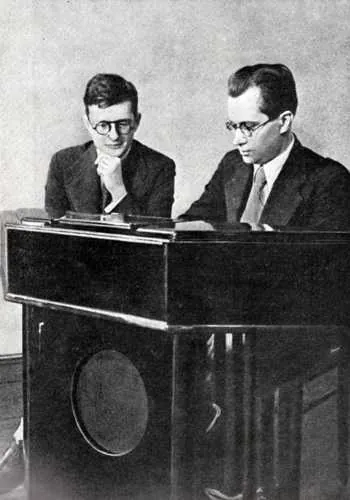
In 1935, Avraamov attempted to reestablish a research platform within a more institutional setting. Together with composer and political figure Boris Krasin and theorist Alexei Ogolevets, he helped found the Autonomous Research Section (ANTES) at the Union of Composers in Moscow. ANTES aimed to continue investigation into new tonal systems, electronic instruments, graphical sound, and synthetic film techniques. Its membership included several leading inventors of early electronic instruments: Andrey Volodin (Ekvodin), Alexander Ivanov (Emiriton), Konstantin Kovalsky (Theremin), and Nikolai Ananiev (Sonar). Georgy Rimsky-Korsakov, grandson of Nikolai Rimsky-Korsakov, headed the Leningrad branch.
ANTES represented the last major institutional continuation of the experimental energy of the 1920s. Its lifespan was brief. On 28 January 1936, the newspaper Pravda published the article Muddle instead of Music, attacking the opera Lady Macbeth of the Mtsensk District by Dmitri Shostakovich. Although unsigned, the article has often been attributed to high-ranking cultural authorities, possibly including Platon Kerzhentsev, the newly-appointed Chairman of the Committee on Arts Affairs. The publication marked the beginning of a sustained campaign against perceived formalism in music, which would culminate in the 1946 Zhdanov Doctrine, which set traditional classical and worker-oriented music as the standard, while forbidding the production and dissemination of any foreign or avant-garde music such as jazz.
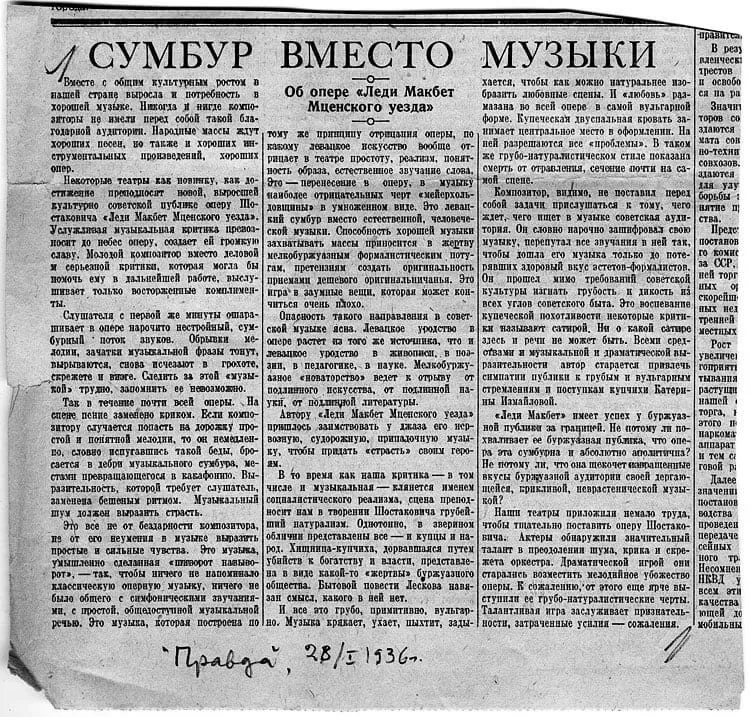
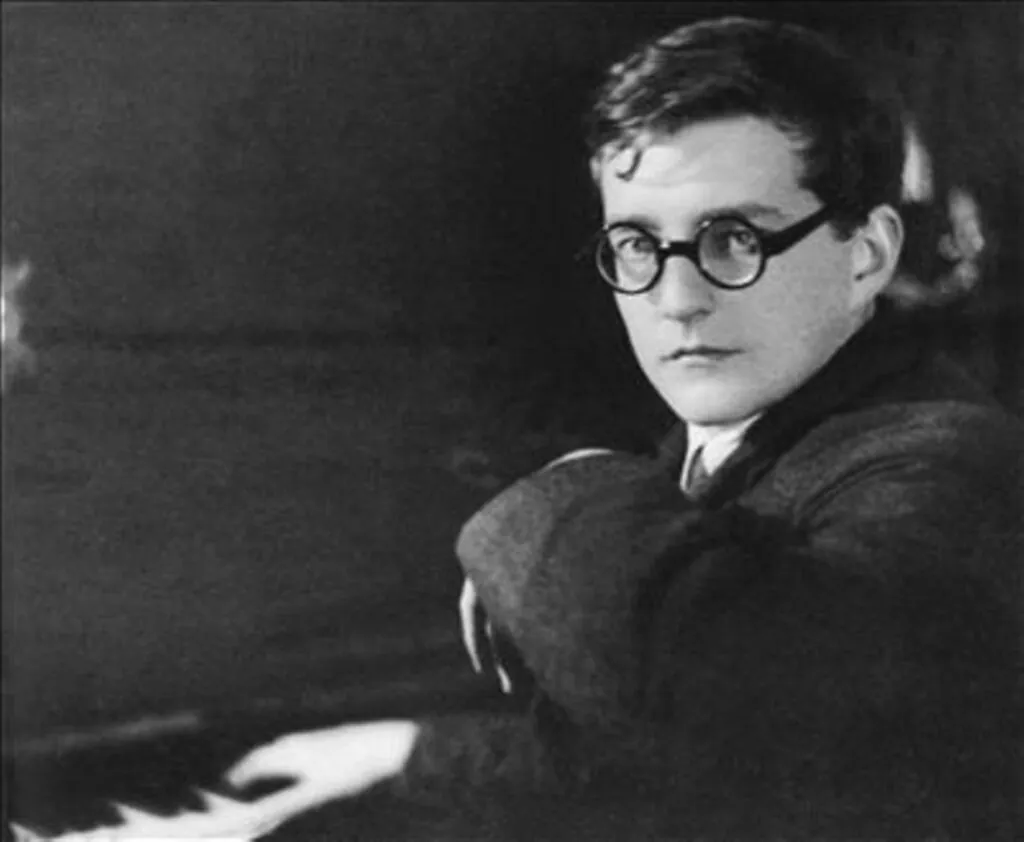
Later that year, on 21 June 1936, Boris Krasin died. Shortly afterward, ANTES was dissolved, and its experimental projects lost institutional backing. While Avraamov was not publicly singled out, his work, centered on ultrachromatic systems, synthetic sound, and technical innovation, aligned poorly with the increasingly rigid expectations of Socialist Realism. By the mid-1930s, state policy favored accessible, ideologically transparent compositions over speculative or technologically driven experimentation. Within this framework, Avraamov’s research programs could no longer be sustained.
The apotheosis of Arseny Avraamov’s creative radicalism arrived in the early 1940s, when he sent a proposal directly to Joseph Stalin. The gesture was not an act of naïveté so much as the logical extension of his lifelong campaign against the tonal and institutional conventions of Western music. Avraamov proposed a replacement to the Soviet national anthem. He did so not for ideological reasons, nor because of the lyrics by Sergey Mikhalkov or specifically the music by Alexander Alexandrov, but because it remained rooted in the classical tonal system. To him, this represented a structural conservatism at odds with a state that claimed revolutionary transformation in every sphere of life.
Although some experiments with sound, particularly graphical sound and its role in film, were reassessed during and following the end of the war, they continued on without Avraamov and in the service of more traditional roles in cinema and arts on the whole, sometimes as an economic measure in the wake of post-war economic difficulty. Evgeniy Sholpo, in particular, continued to create soundtracks and give performances, billed to audiences as “music without performers and instruments.” seemingly having achieved the atmosphere Avraamov had envisioned nearly three decades prior.
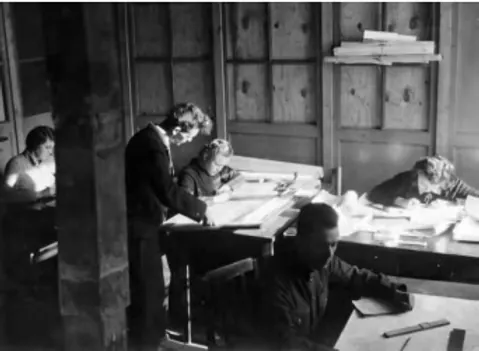
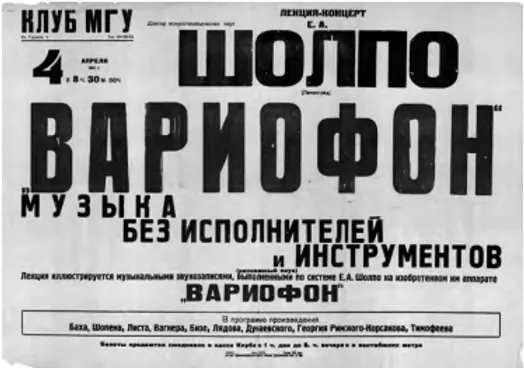
However, in the moment, Avraamov’s proposal must be understood in the broader context of early Soviet attempts to redesign culture from the ground up. Date (and even year) reform, experiments with Latinization of Cyrillic scripts, and symbolic proposals for new worker-peasant alphabets reflected a belief that everything could be remade. Avraamov extended this logic to sound. In his letter, he argued that the anthem of the Soviet Union should be composed using an entirely new tonal framework, potentially his own 48-tone system, and performed by synthetic means. He even imagined the anthem delivered in the synthesized voice of Vladimir Mayakovsky, whose declamatory futurist style embodied the revolutionary voice of the new era.
The proposal was never adopted. Avraamov avoided the harsher fates suffered by some experimental innovators, Leon Theremin, for example, was imprisoned in a labor camp, but Stalinist cultural policy decisively favored neoclassical clarity and ideological accessibility. After the cultural crackdown signaled by the 1936 Pravda attack on formalism, modernist experimentation became increasingly untenable. Electronic music and ultrachromatic systems, once framed as revolutionary, were recast as abstract, socially detached, and even bourgeois.
In 1935, at the age of fifty, he was sent to Nalchik, in the North Caucasus with his wife, Olga Karlovna, and their six children, where his work took an old turn. The post-futurist prophet of industrial sound once again became a meticulous collector of traditional music. In Kabardino-Balkaria he immersed himself in the musical cultures of the region, regarding the preservation of local traditions as a national duty. During this period he gathered more than 300 authentic songs and instrumental melodies and began compiling a volume titled Kabardin and Balkarian Musical Folklore. The manuscript remained unfinished due to the outbreak of World War II, but his field recordings and transcriptions preserved a substantial body of musical material that might otherwise have been lost.
This ethnographic work was not a retreat from his earlier ideas but a continuation of them by other means. Avraamov’s 24- and 48-tone untempered systems allowed him to document microtonal inflections that conventional musicology could not capture. The distinctive pitch nuances of North Caucasian melodies, sliding intervals, flexible intonation, and non-equal divisions of the scale, could be recorded with unprecedented precision. In this sense, his ultrachromatic theories found practical application not in futuristic urban spectacles but in the preservation of ancient mountain traditions.
Avraamov survived the tightening ideological climate by adapting his field of activity rather than abandoning his principles. The Soviet anthem remained firmly tonal and orchestral, never synthesized, never ultrachromatic. Yet in the mountains of the Caucasus, he continued pursuing the same question that had driven his work from the beginning: how to remake musical sound so that it could fully embody the complexity of human expression and the acoustic realities of the world.

Contemporary local press profiles treated the family as something of a cultural curiosity: a large household transplanted from the Soviet avant-garde into the Caucasus mountains, raising musically gifted children under conditions far removed from the laboratories and studios of Leningrad and Moscow. Olga Karlovna spoke warmly to journalists about their domestic life, while a published family photograph, now considered rare, documented the composer’s new surroundings.
Avraamov quickly became embedded in the republic’s cultural institutions. For the 15th anniversary of Kabardino-Balkarian autonomy, he collaborated with Kabardian writer and poet Askerbi Shortanov to create the literary-musical cantata The Happiness of the People. The production was staged on a monumental scale: more than 3,000 participants, including singers, instrumentalists, folk performers, readers, professional actors, and amateurs, took part in the performance.
His work in the region extended across choral, orchestral, and theatrical forms. He composed a cycle of songs set to texts by Kabardian poet Ali Shogentsukov and also arranged Kabardian and Balkar songs based on local myth and history, adapting them for choir and solo performance.
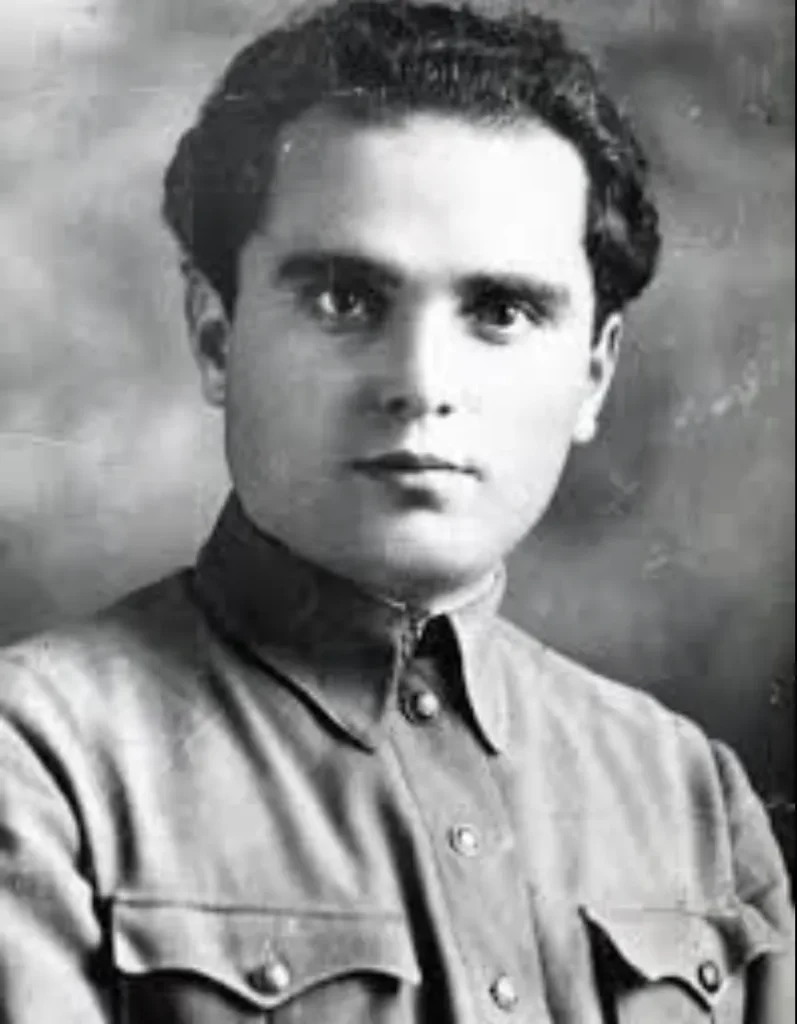

Alongside choral arrangements, Avraamov produced orchestral works rooted in regional themes, including the March on a Kabardian Theme, the overture Aul Batyr, and Fantasy on Kabardian Themes, as well as several choral compositions. Unlike his earlier ultrachromatic experiments, these works were written for standard symphonic instrumentation and likely avoided stepped microchromatic systems; any microtonal inflections functioned ornamentally rather than as structurally autonomous intervals.
He continued developing symphonic treatments of traditional dance melodies, working closely with the Kabardino-Balkarian Song and Dance Ensemble, especially its choral division, producing arrangements of folk songs, becoming the first composer to provide original music for Kabardian and Balkar dramatic productions. Within regional cultural histories, Avraamov is frequently identified as a Kabardian composer, a reflection of both his long residence and his substantial contributions to the republic’s musical life.
In 1938, after four years of relative isolation in the Caucasus, Avraamov received a state prize of 5,000 rubles along with a health resort voucher to Kislovodsk, prompting him to return with his family to Moscow. His return, however, coincided with one of the most perilous moments in Soviet history: the height of Great Terror. The capital had become a cultural wasteland shaped by fear and silence. Many artists and scholars had been imprisoned, executed, or driven into obscurity, while those who remained worked cautiously under the pressure of ideological scrutiny. Soon after his return, several of Avraamov’s former colleagues from Kabardino-Balkaria were arrested. Archival materials he had left behind in the region disappeared along with other documents confiscated by the NKVD, erasing valuable records of his research.
This moment marked an abrupt narrowing of horizons for a composer who had spent decades pushing the boundaries of sound. In 1939 he published an article titled Synthetic Music, one of the last clear statements of his experimental vision before the outbreak of war further reshaped Soviet cultural life.
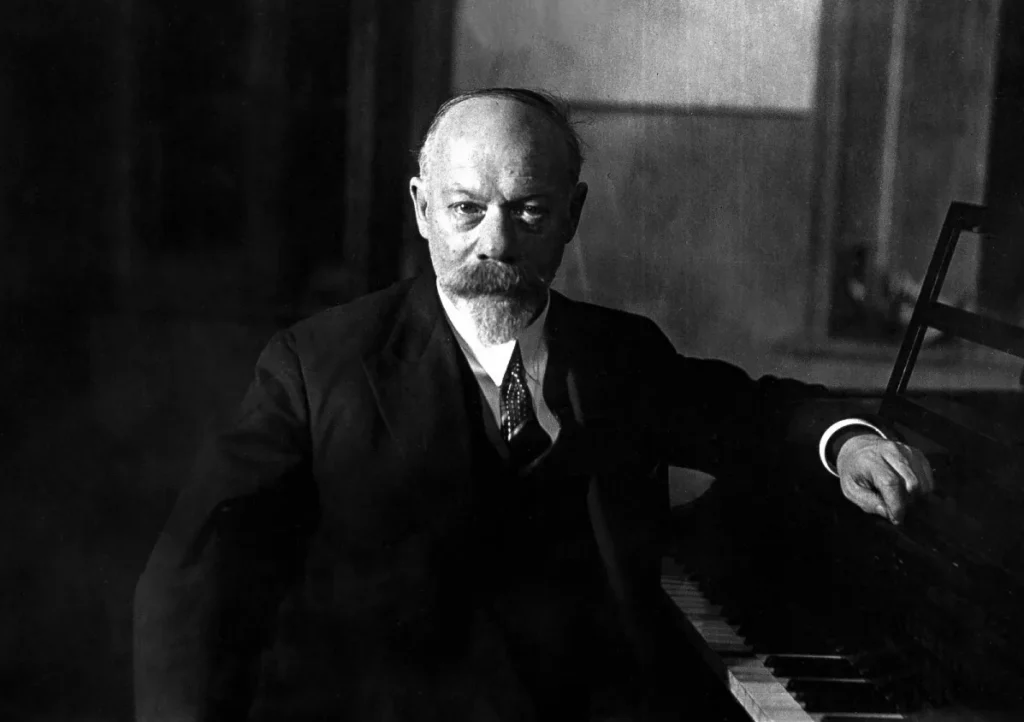
Before the war, the Union of Soviet Composers had gathered documents to award him the honorary title of “Honored Worker,” which would have provided material protection. The files were lost during emergency wartime transport, along with other party records. In July 1940, composer Mikhail Gnesin wrote a letter supporting Avraamov’s petition for increased state assistance:
“Arseny Mikhailovich Avraamov is one of the most outstanding figures in Soviet musical art I have ever met in my life… A. Avraamov should also be recognized as a founder of Soviet musical acoustics. The majority of Soviet scholars in the field of acoustics… are his pupils, or have begun their work under his influence.”
The appeal had little effect. By the late 1930s, past achievements in avant-garde experimentation carried little institutional weight. Avraamov lived in near destitution with his wife and ten children in a single-room Moscow flat, surviving on a small pension and irregular work.
When the German invasion began in 1941, Avraamov refused to evacuate from Moscow, remaining with his family in a dacha outside the city. He seemed convinced the capital would not fall. The decision came at severe cost: wartime shortages pushed the household to the brink of starvation. During this period he continued drafting ambitious creative plans, even as circumstances made their realization impossible.
Despite hardship, he remained active where possible. From 1941 to 1943 he directed the Russian Folk Choir founded by P. G. Yarkov, continuing his engagement with traditional music at a time when large-scale experimentation was politically and materially untenable.
Despite surviving the war years in Moscow, Avraamov’s life’s work was almost entirely destroyed, first by accident, then by fear. The kilometers of optical film produced during the Multzvuk period met a tragic end between 1936 and 1938. While Avraamov was working in Kabardino-Balkaria, his children secretly took the highly flammable nitrate film stock, turned it into improvised smoke bombs and rockets, and igniting them in the courtyard of their Moscow home. The archive was quickly reduced to ash. By the time he returned in 1938, little remained.
The surviving documents fared no better. In 1941, a folder containing his personal papers and research materials was reportedly thrown into a furnace. Avraamov often signed letters to Revekka with the words: “Love. Work. 700°,” suggesting a creative temperature at white heat. The irony is stark: around 700 degrees Celsius is a typical furnace temperature. It was, symbolically and perhaps literally, the temperature at which his legacy disappeared. What did not burn was discarded; a small portion was later recovered and transferred to the State Museum of Musical Culture, but in fragmentary condition, mostly loose manuscript pages without coherent order.
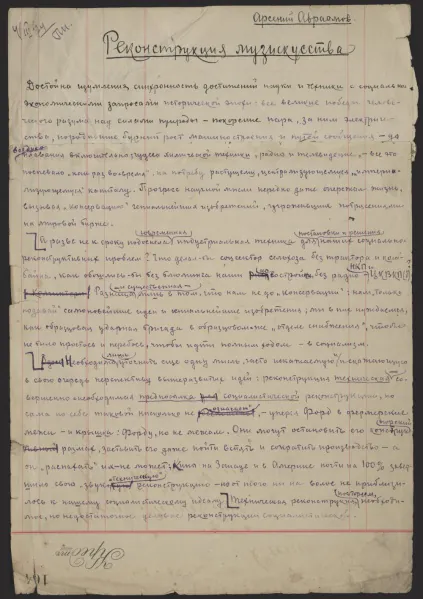
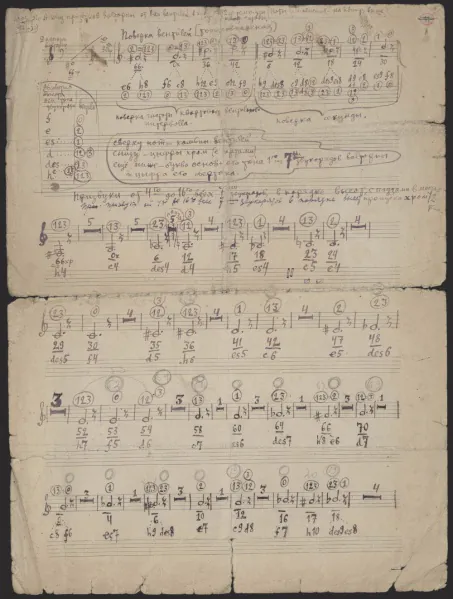
Another loss followed bureaucratic caution. The Union of Soviet Composers had collected his documents in connection with awarding him the title of Honored Worker. At the outbreak of war, amid panic and political suspicion, the materials, together with his party papers, were reportedly destroyed. In the atmosphere shaped by repression and fear, preservation was a risk few were willing to take.
Yet even in these years of deprivation, Avraamov continued to think on an epic scale. In November 1943, he completed a long autobiographical statement addressed to the Central Committee, begun earlier that summer. It ended with characteristic grandiosity:
“At the American exhibition ‘World of Tomorrow’ I will show such ‘exhibits’ that America will shake… the Negroes will not hear their music in a tavern-jazz style, but in ‘national in form, socialist in content.’ We will also write a real hymn of Victory not on the helplessly-childish rhymes of Mikhalkov, but on the ingenious (both in form and in content) text of some new super-Mayakovsky who in a few months will come out of my poetic studio.”
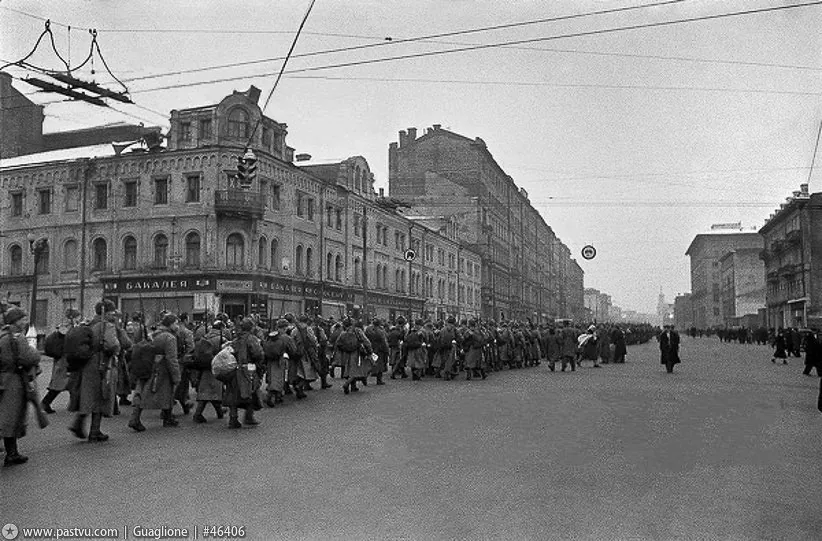
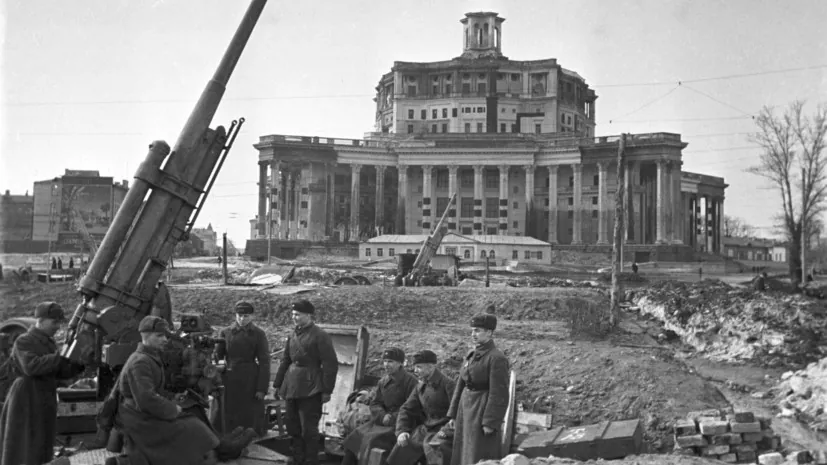
He outlined concrete pledges should he be reinstated in the Party: to “Create and head a genuine Academy of Arts”; to launch educational work on “the national-musical problem,” “synthetic music on film,” “electronic musical instruments,” “polyrhythmic ornamentation,” and “new poetics”; to convene in Moscow an International Congress on the Music of the Peoples of the World; to establish a universal scientific transcription of folklore based on his Welttonsystem; even to build a pneumatic whistle organ in the Red Square for use during national celebrations and military salutes.
According to family accounts, a reply allegedly came directly from Lavrentiy Beria. Its message was brief: “There is a war on, do not engage in nonsense.”
On 19 May 1944, Avraamov he went to the Music Fund on Miusskaya Street to collect a paycheck. On the return journey, his money, an entire month’s income, was stolen. Unable to pay the tram fare, he was forced to walk home under scorching heat along Malaya Yakimanka. By now, he suffered from heart trouble. Reaching the apartment barely alive, he reportedly asked his wife to fill his pipe, took a drag, and collapsed. His children ran outside in panic, crying. A thunderclap sounded; rain began to fall. Arseny Mikhailovich Avraamov was dead. He was buried at Danilovskoye Cemetery. The family, impoverished, could not afford a monument. Over time, the unmarked grave, like so many other materials from his life, was lost.
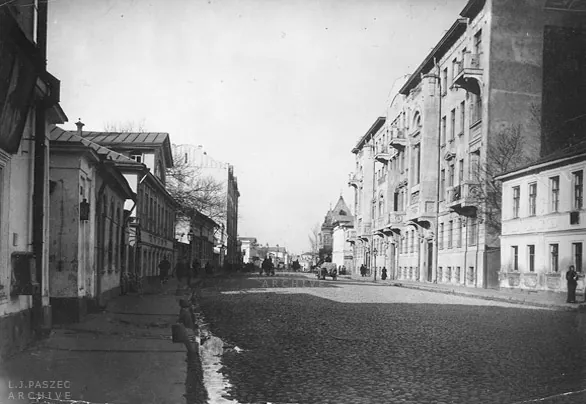
Avraamov’s life closed as dramatically as it had unfolded. A pioneer of synthetic sound, ultrachromatic harmony, and drawn audio, he outpaced his technological era and ultimately outlived the institutional conditions that had briefly made his experiments possible. Most of his works were destroyed, his archives scattered or burned. What remains is the record of an imagination that refused moderation.
Because of his experiments with graphical sound and synthetic audio, Arsény Avraamov is now regarded as one of the progenitors of electronic music. Working decades before magnetic tape, modular synthesis, or digital sampling, he treated sound as material that could be constructed, drawn, spatialized, and engineered. In doing so, he expanded the idea of what music could be and where it could exist.
Music writer David Stubbs has argued that Avraamov imaginatively extended the very notion of musical space, prefiguring later environmental sound works by Karlheinz Stockhausen. His approach also anticipated Pierre Schaeffer’s musique concrète by collapsing the boundary between art and everyday sound: locomotives, factory sirens, artillery fire, and industrial horns were not background noise but compositional material. Long before Schaeffer recorded trains in Paris, before John Cage reframed silence and chance as music, and long before Stockhausen placed performers in helicopters, Avraamov had already proposed the environment itself as an instrument.
His large-scale urban performances and spatial sound thinking redefined composition as an all-encompassing event rather than a concert-hall experience. At the same time, his advocacy for microtonal systems and rejection of the Western twelve-tone temperament aligned with later avant-garde attempts to expand the sonic palette beyond conventional harmony.
Avraamov’s work disappeared from circulation during the Stalin era, and for decades his contributions remained obscure. Scholarly interest revived in the 1990s, when post-Soviet archival access allowed researchers to reassess early Soviet sound experimentation. A pivotal role was played by the Theremin Center at the Moscow State Conservatory, founded by Andrei Smirnov in 1992. The center preserved documents and artifacts that helped reconstruct Avraamov’s role in noise music, sound synthesis, and graphical audio. Smirnov’s research culminated in Sound in Z (2013), which presented visual and textual evidence of experiments long thought lost.
Only in the early 2000s did it become possible to approximate the authentic acoustic field of the Symphony of Sirens in a studio setting using Avraamov’s original instructions. The first modern reconstruction did not emerge from a state archive, academic preservation program, or any official campaign to “restore cultural heritage.” Instead, it appeared in a compilation of the early Soviet avant-garde, created through the efforts of an independent British label led by composer Chris Cutler, with preparation work carried out in Spain. There was no commercial logic behind the project and little expectation of broad public demand. Its existence suggests a different motive: recognition of the historical and conceptual importance of early sound experimentation, and a desire among small networks of musicians and researchers to recover overlooked avant-garde work.
A major milestone came in 2009, when composer Sergey Khismatov created a more elaborate reconstruction of the 1923 Moscow performance, Symphony of Industrial Horns using archival descriptions, sampled industrial sounds, synthesizers, and custom technical processes. Engineers reconstructed the performance by placing a simulated listener near Moskvoretskaya Embankment and calculating distances to factory horn clusters, including Krasny Oktyabr, Serp i Molot, and Trekhgornaya Manufaktura. Delay times, reflections from building façades, dead zones, and even the day’s weather conditions were modeled to recreate how sound propagated through the urban environment. The resulting recording offers a striking approximation of the original sonic architecture.
The reconstruction relied on reports published in the November 1923 issues of Izvestia and Pravda, as well as later memoirs and eyewitness accounts. From these sources, researchers were able to determine the positions of the principal sound sources: the Magistral, artillery units, railway stations, and industrial sites, the scheduled start time and repetition cue, elements of the opening “fanfare,” and aspects of the overall musical structure.
The recording also followed Avraamov’s own published instructions, originally printed in three Baku newspapers in November 1922 on the eve of the first performance. By aligning contemporary acoustic modeling with these historical documents, the reconstruction attempted not merely to imitate the noise of the event but to approximate its spatial logic: a city transformed into a distributed instrument, coordinated across distance, delay, and echo.
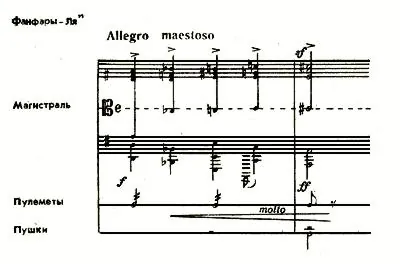
A live performance was again staged, amplified through multi-channel speakers positioned around Naryshkin Bastion in St. Petersburg, the performance enveloped listeners in a field of sirens, mechanical drones, and choral elements. The audience was relatively small, varied, but intensely attentive: young musicians with saxophones and guitars stood alongside punk girls and representatives of the academic music community. As the industrial waves of sound rolled across the fortress, birds scattered from the air. Tourists, encountering the performance unexpectedly, appeared unsure whether they were witnessing a historical reenactment, a contemporary art action, or an acoustic anomaly. The composition’s exaggerated industrial mass, its deliberate magnification of sirens, artillery, and mechanical timbre, functioned less as spectacle than as a reconstruction of a utopian modernist gesture that has since become emblematic of the early “industrial” avant-garde.
Exhibitions further cemented the rediscovery. The 2014 “Generation Z” program at Berlin’s Club Transmediale festival, co-curated by Andrei Smirnov, displayed Avraamov’s diagrams and mechanical reconstructions of early Soviet sound devices. FM Einheit, a member of Einstürzende Neubauten, whose performances mirrored those of Avraamov’s, even went on to perform a recreation performance of Symphony of Sirens with Andreas Ammer in 2017 in Brno, Czechia, incorporating eight choirs, a steam train, signal guns, ambulances, and cannons in an attempt to approach the scale of the original.
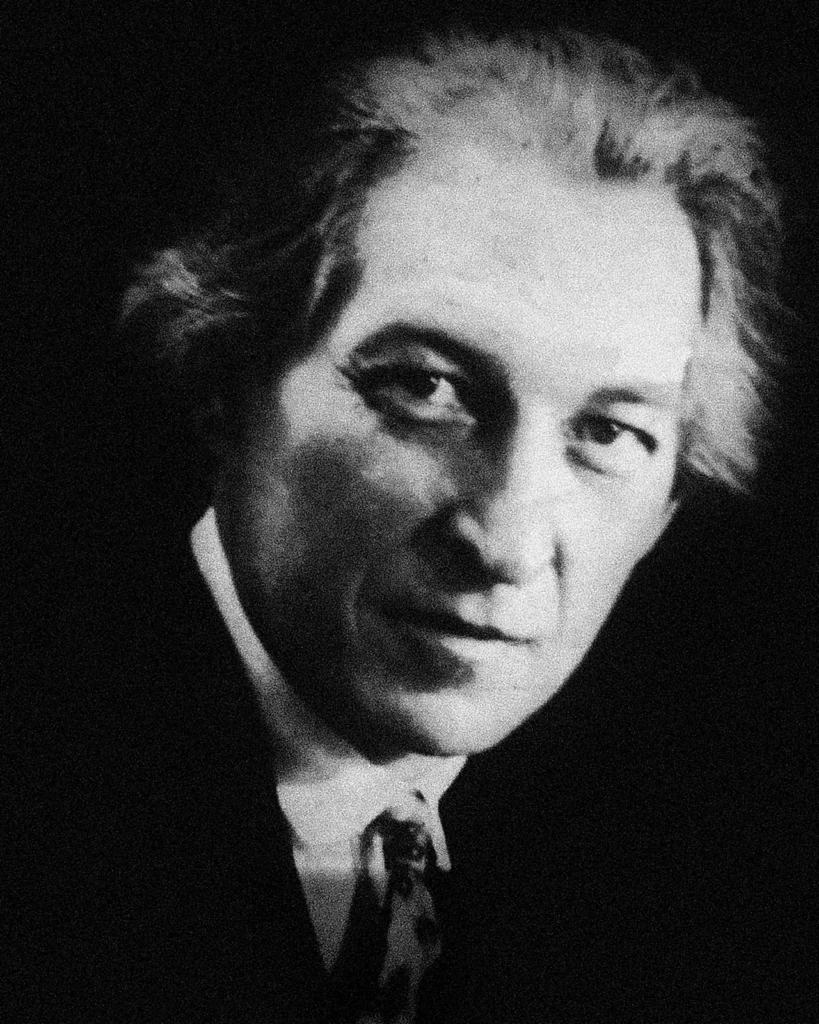
Avraamov’s career defies simple categorization. Although he died in poverty and relative obscurity, his work anticipated microtonal composition, electronic synthesis, multi-channel sound design, sampling, graphical audio, and large-scale environmental performance. The Symphony of Sirens remains his most cited project, but it represents only one facet of a broader vision: a total rethinking of sound as a constructed, spatial, and social phenomenon.
Long after the war and the destruction of his archives, Avraamov’s influence persists. In the early 1930s, Soviet researchers working with him were already synthesizing instrumental timbres, vocal sounds, and noise sources to produce complex polyphonic textures. Sequencing, sound editing, multi-channel playback, waveform design, these would become standard tools of late-twentieth-century electronic music. Avraamov pursued them half a century earlier, armed with film stock, geometry, and a belief that the modern world itself was an unfinished orchestra.

In the private archive of Avraamov’s son German, a yellowed poster survives. It advertises a “concert-demonstration” at which Arseny Avraamov would present his “music of the future.” The paper is fragile, yet it is one of the last tangible traces of a composer whose ambitions were anything but small. Nevertheless, his intellectual one remains forceful—best expressed in his own words. In 1917, on the eve of revolution, he published an essay titled In the Wilds of Aesthetics (Intuition or Erudition?). There he reflected not on technique, but on destiny: “we are neither frightened nor deterred by either the positive infinity of the future or the negative infinity of the past, lost in the misty reaches of inaccessibility. With equal zeal, we plunge into the depths of bygone centuries and the darkness of future ones—in search of truth; we believe: it is there, at that never-reached point where both infinities meet, closing the great circle of the world’s existence.”
For Avraamov, art was not refinement but synthesis—an ever-expanding unification of knowledge, perception, and sound: “Synthesis marches victoriously at the forefront of humanity, tearing away one by one the veils from the mysteries of the future, simultaneously tearing off the philosophical masks from the idle speculations of prophetic astrologers and paying tribute to the true prophets — the intuitives, who it occasionally encounters in the beyond of life.”
And he understood the impatience embedded in that ambition: “Alas, the biped is impatient: his saga is too short! To die, bequeathing to his descendants the same ant’s lot, without tasting the fruits of his selfless labor? No, that’s too much. It may be illogical, self-delusional, but to see the stubbornly unclosed circle complete is his primordial dream. A pre-exhaustive synthesis—that is the true religion of humanity. To ascend the highest of conquered peaks and, with a single glance encompassing the vastness receding into infinity, to pierce the forbidden veils with a powerful burst of inspiration—a task worthy of the greatest genius, a goal truly of high art.”
The arc of his life suggests the cost of such thinking. Avraamov was not merely innovative; he was temporally misaligned. He proposed systems, instruments, and sonic environments that had no stable institutional support. Many of his ideas were dismissed as eccentric or impractical. As Soviet cultural policy hardened into conservatism, the ecosystem that briefly sustained radical experimentation collapsed.
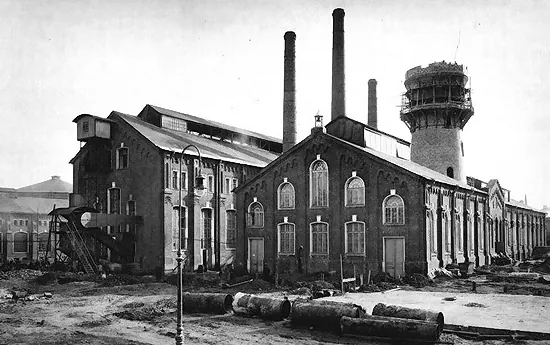
Before the Revolution, the whistle carried coercive force. In Maxim Gorky’s novel Mother, it is described as hostile, almost violent: “Every day over the workers’ settlement, in the smoky, oily air, the factory whistle trembled and roared, and, obedient to the call, from the small gray houses sudden people, who had not yet had time to refresh their muscles with sleep, ran out into the street like frightened cockroaches. In the cold gloom, they walked along the unpaved street toward the tall stone cages of the factory. It awaited them with indifferent confidence, illuminating the muddy road with dozens of fat, square eyes. The mud smacked underfoot. Hoarse exclamations of sleepy voices echoed, coarse curses angrily tore the air, and other sounds floated toward them—the heavy clatter of machinery, the growl of steam.”
Here the whistle is compulsion—an acoustic instrument of discipline. After the Revolution, however, its meaning was recoded. The same sound could now signify collective power rather than subjugation. Gastev’s poem reframed it as synchrony and unity:
“When the morning whistles sound in the workers’ suburbs, it’s not a call to captivity. It’s a song of the future.
We once worked in squalid workshops and began work
at different times each morning.
And now, at eight o’clock in the morning, the whistles sound for a million people.
Now, to the minute, we begin together.
A million people lift the hammer at the same moment.
Our first blows thunder together.
What do the whistles sing?
“It’s the morning hymn of unity!”
For Avraamov, the factory horn was therefore not merely an industrial artifact. It was a symbol in transition: from coercion to coordination, from fragmentation to mass synchronization. In transforming whistles into instruments and cities into orchestras, he was not simply amplifying noise. He was staging the acoustics of a new social order—an attempt, however fleeting, to close the “great circle” he imagined between past and future.
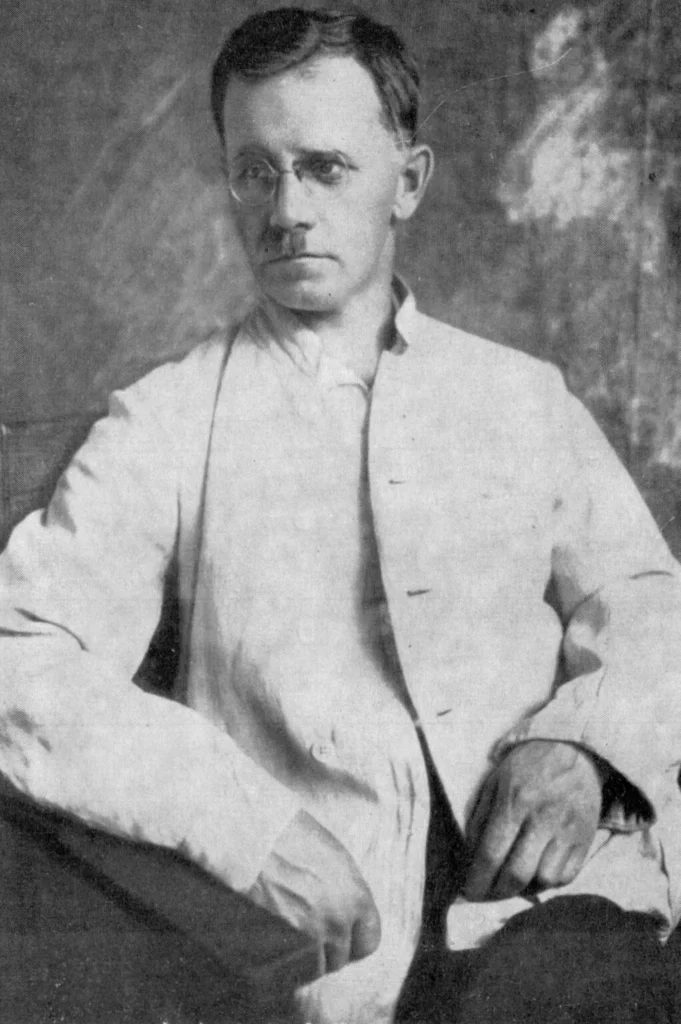
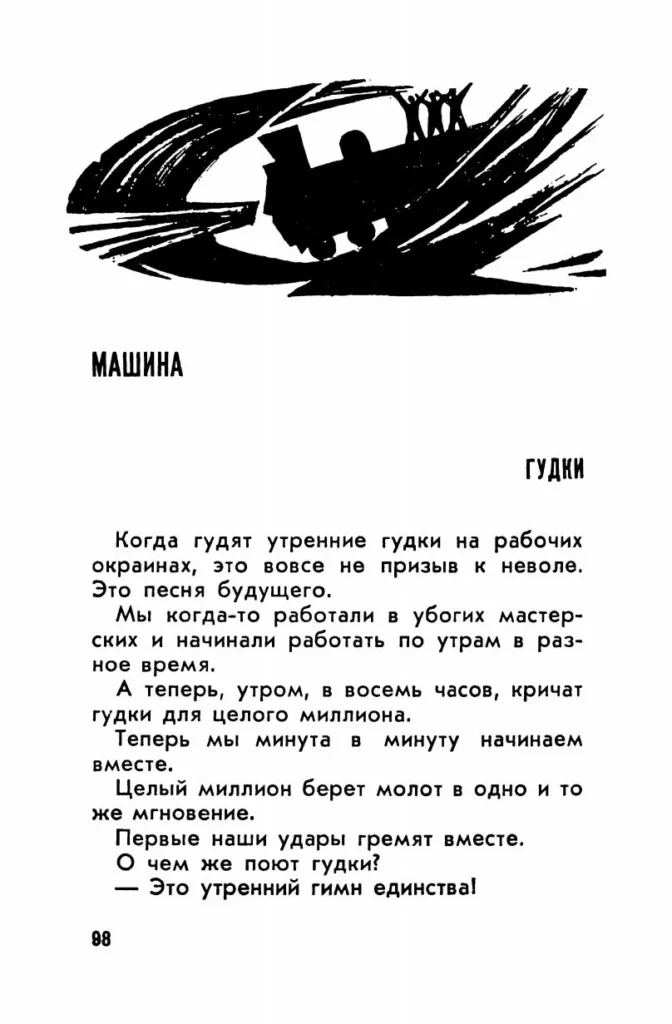
Throughout his writings, Avraamov repeatedly returned to the same point of departure. Often, he placed at the head of his essays an epigraph from Alexei Gastev’s 1918 poem “Horns.” The gesture was deliberate. It condensed his aesthetic, political, and acoustic program into four lines: the transformation of industrial signal into collective music, of coercion into futurity, of noise into prophecy.
He allowed the poem to speak where argument ended:
“When the morning horns blare
in the working-class outskirts,
it’s not a call of captivity:
it’s the song of the future.”