A strange underground genre with roots in Germany involves blending dungeon synth, hardcore techno, and black metal aesthetics into something that sounds like a rave thrown by wizards. Welcome to Keller Synth and its chaotic offshoot, Tänzelcore.
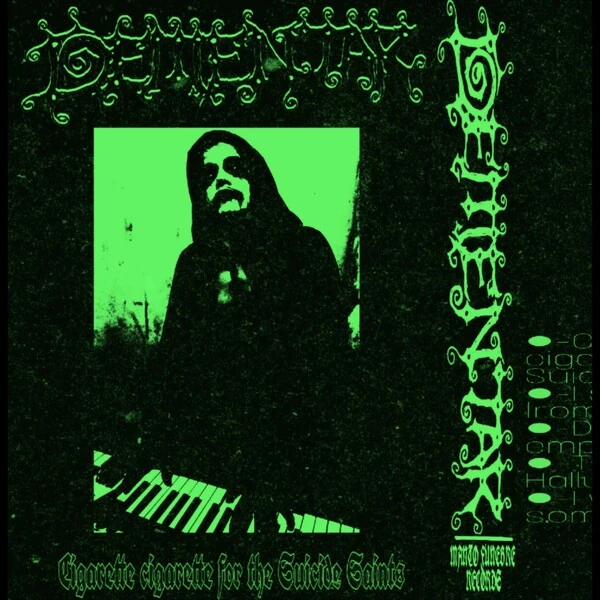
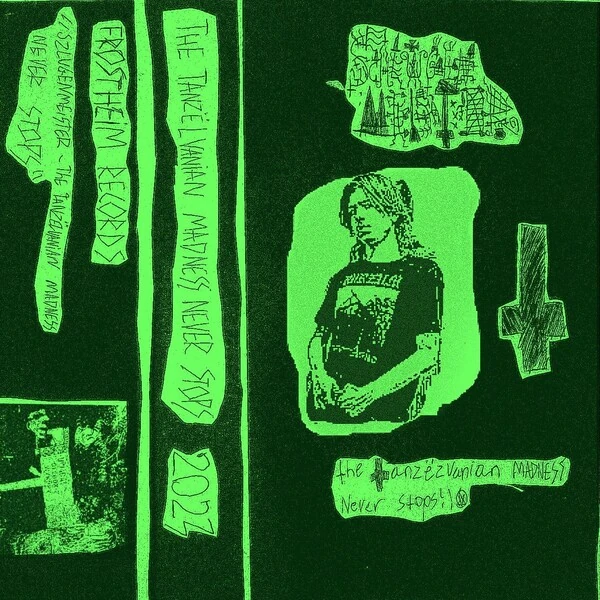
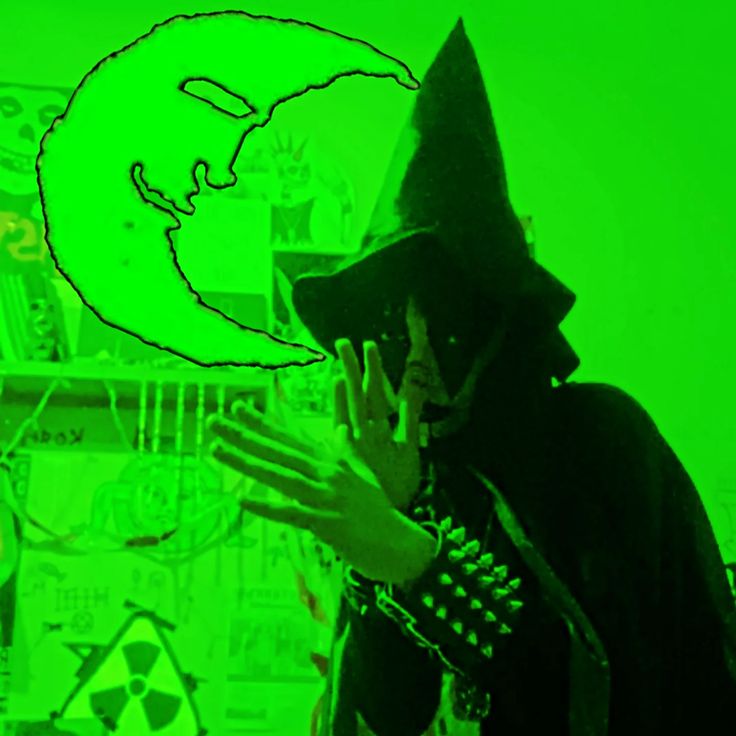
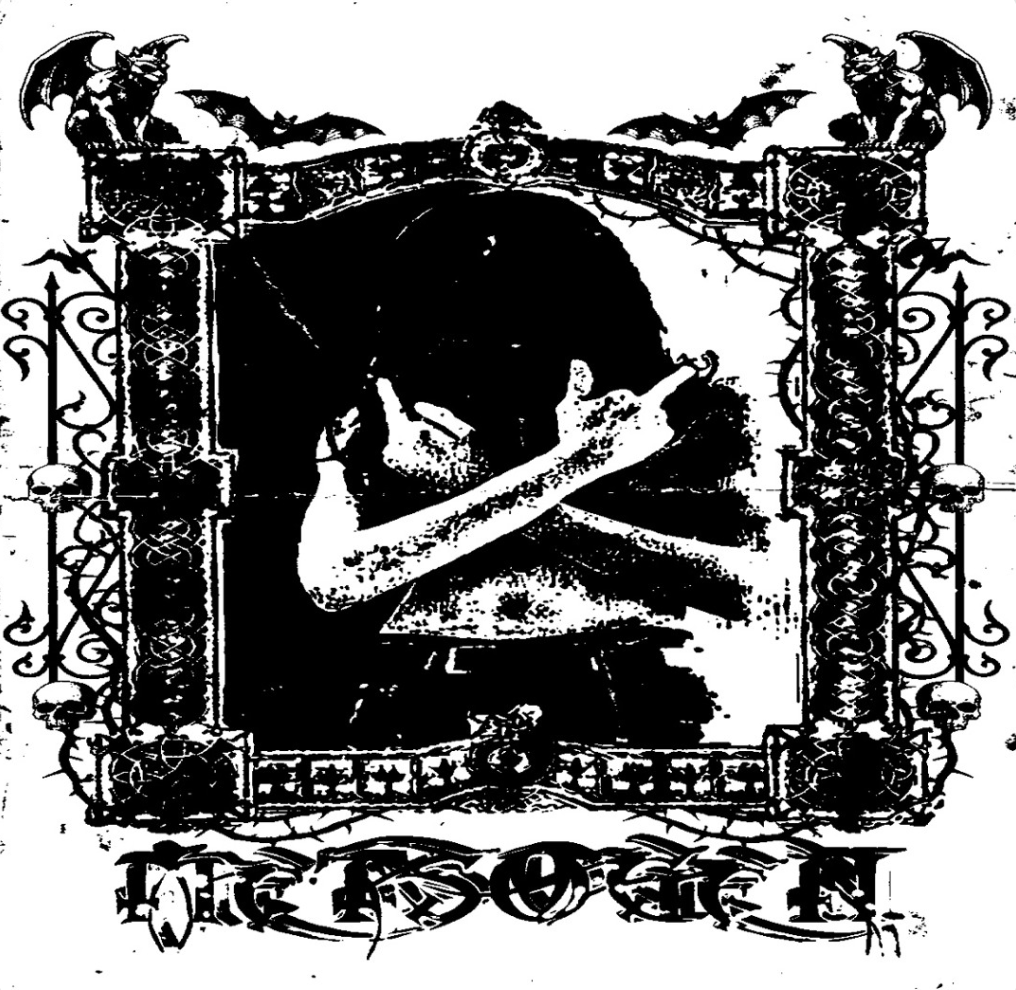
You’re on YouTube looking for new music and you come across a video with an interesting album cover. You see an image of a metalhead posing stiffly in a dark forest. The artwork looks like it has been run through a cheap photocopier several times: high contrast, grainy, almost illegible, and it seems to have been printed on sickly green fluorescent paper. Off to the side floats a smiling crescent moon, or perhaps a crude illustration of a wizard.
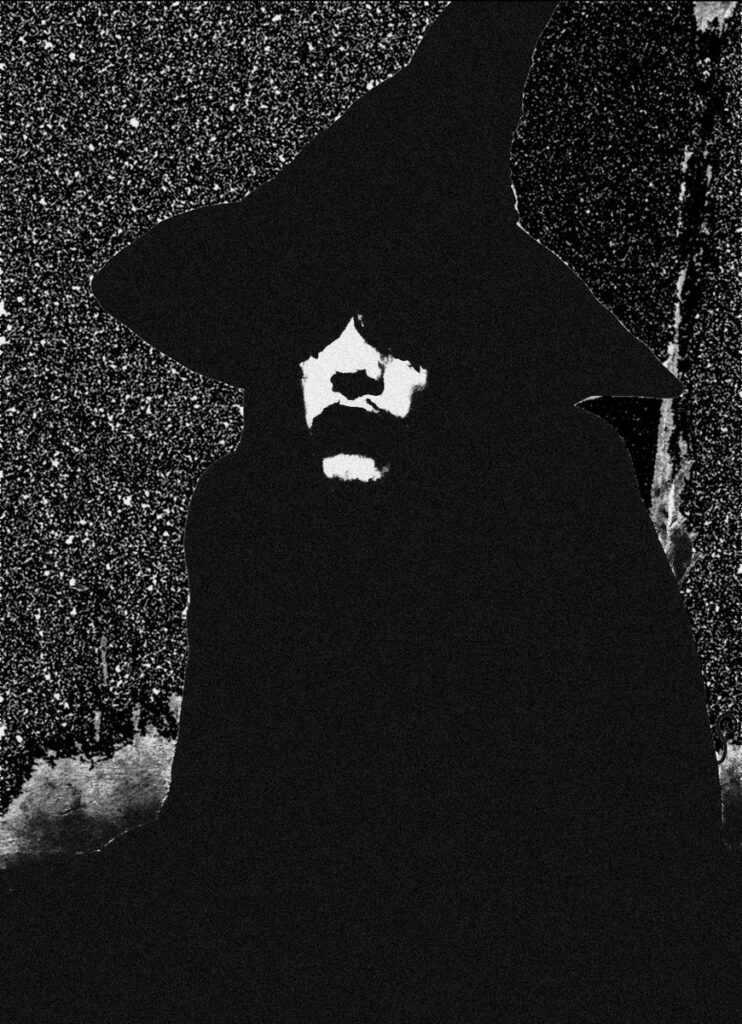
At first glance it resembles the cover of a low-budget black metal cassette, down to the handwritten lettering. But when the music starts, the sound is not all what you expected. You still hear the blast beats and distorted guitars, but there’s serious bass, and a pounding gabber rhythm drives the track forward. Then another detail becomes obvious: the supposed metalhead is wearing a pointed witch’s hat, a decidedly unserious choice of attire. You scroll through the comments under the video and most are written in German. Many consist of a single word: “knallt,” the German slang equivalent for “this bangs.” You have stumbled onto Keller Synth.
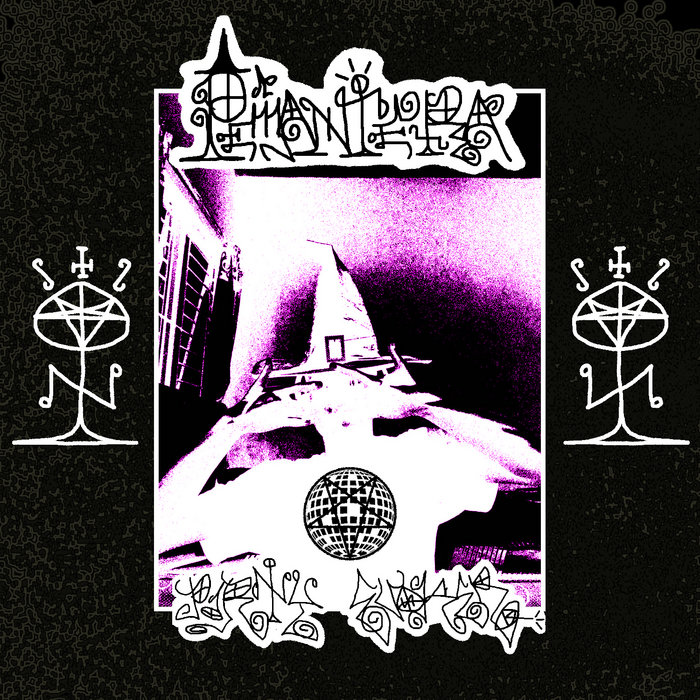
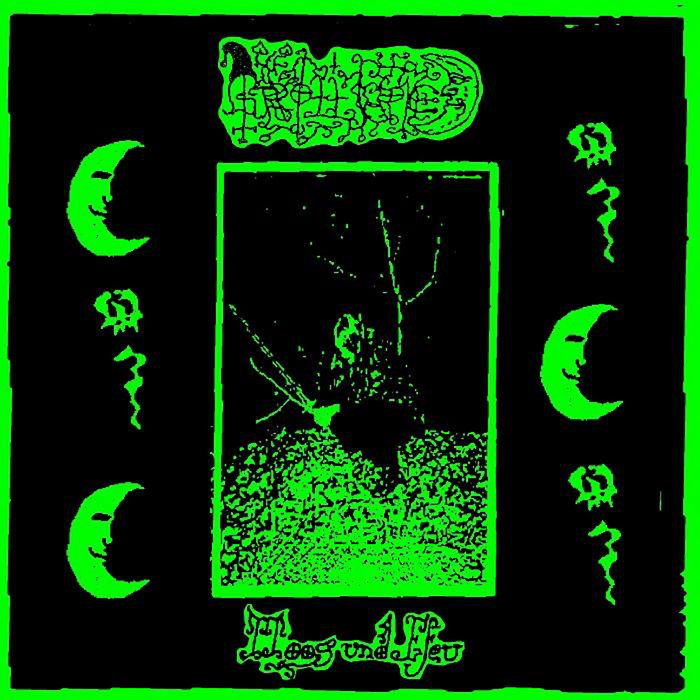
The appearance of Keller Synth is tied to a broader cultural moment in which medieval and fantasy aesthetics have surged back into popular culture. Gnomes with nets are invading the mall and wizard imagery circulates across internet meme culture, while renaissance fairs, tabletop role-playing games, and fantasy music festivals continue to grow in popularity and find unexpected new audiences in Europe and North America.
Dungeon Synth, an obscure offshoot of the 1990s black metal underground built around cheap keyboards, dark ambient textures, and medieval fantasy imagery has slowly emerged from its insular online communities into wider visibility. As that once-hidden genre moves out of its figurative basement into the also-figurative light of day, the shift has produced mixed reactions. Longtime devotees often lament the loss of secrecy and mystique, but new listeners have also brought experimentation. Out of this moment, a peculiar hybrid has taken shape. Among the most unusual micro-genres of the early 2020s are Keller Synth and its closely related offshoot, Tänzelcore.
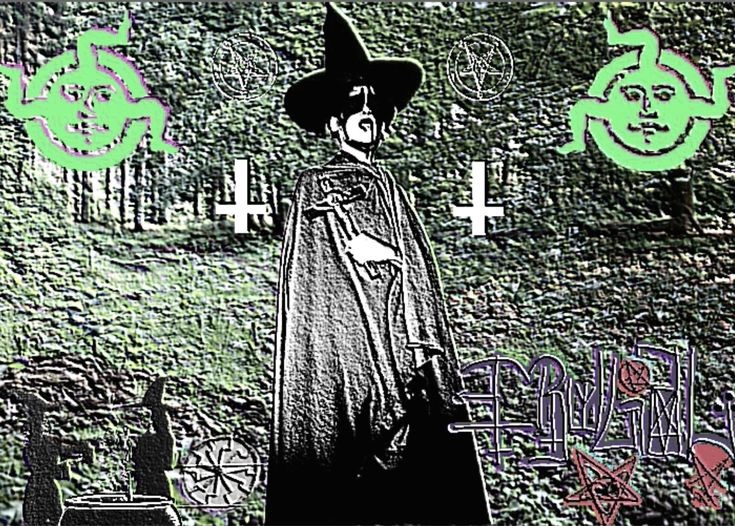
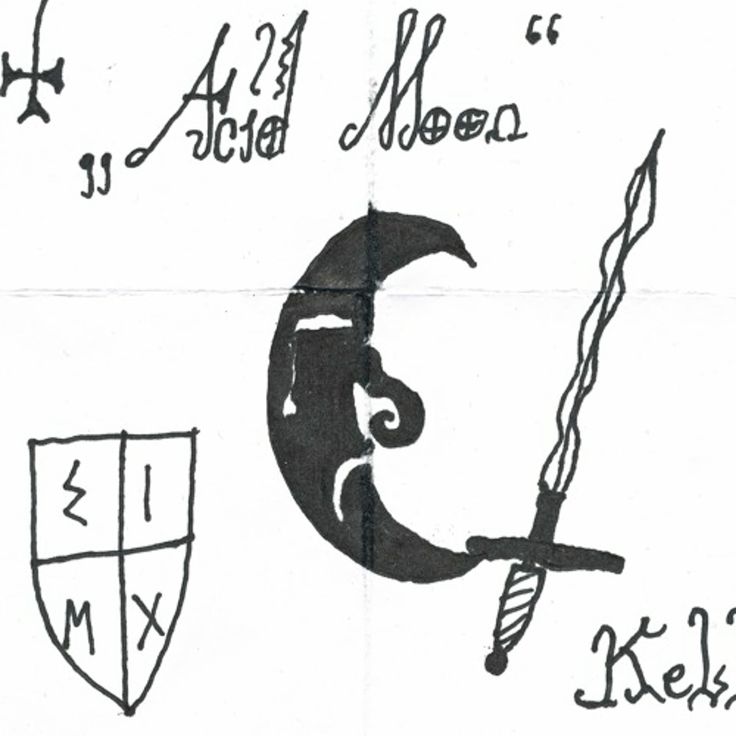
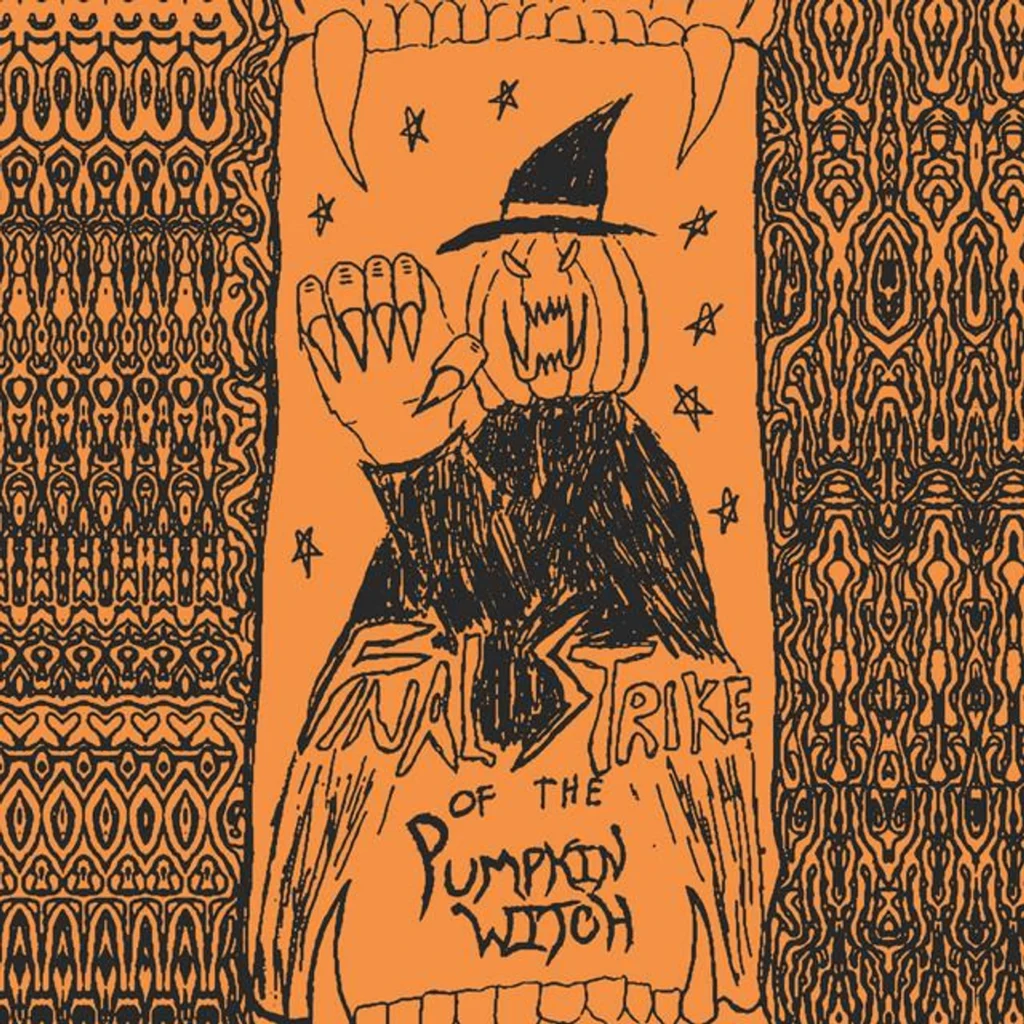
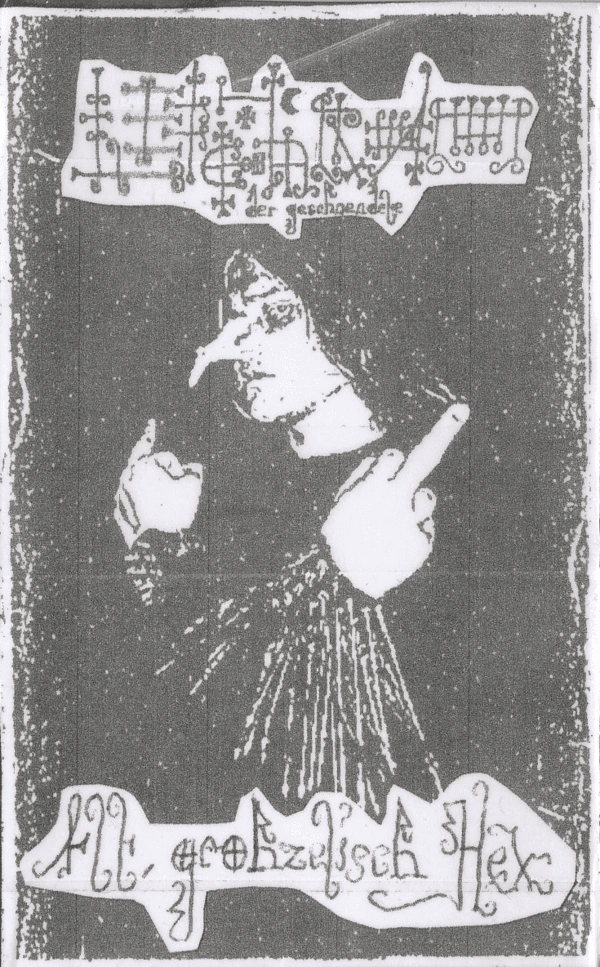
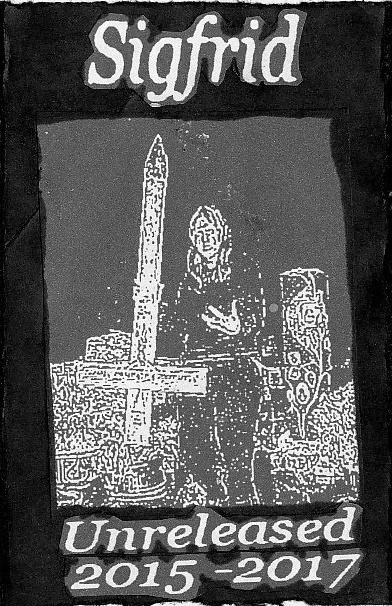
Both styles sit at the intersection of electronic dance music and the aesthetics of extreme metal. Keller Synth combines elements of techno, gabber, and other hard electronic styles with the imagery and atmosphere of dungeon synth and black metal. The music often features pounding, high-tempo beats layered with crude synthesizer melodies that evoke medieval fantasy soundtracks. Visual presentation plays a large role in the genre’s identity: artwork typically imitates the lo-fi photocopied style of 1990s underground tape culture, filled with wizards, forests, castles, goblins, or deliberately amateurish fantasy imagery.
Tänzelcore is closely related and sometimes confused with Keller Synth, though the two labels are used somewhat interchangeably depending on the artist and community. The distinction is mostly cultural rather than strictly musical. Tänzelcore tends to emphasize a dance-floor orientation and often leans further toward hard techno or gabber structures, while Keller Synth is more closely tied to the aesthetics and traditions of dungeon synth and black metal parody. Both styles frequently embrace irony and exaggerated fantasy tropes, blending dark imagery with intentionally humorous or absurd presentation.
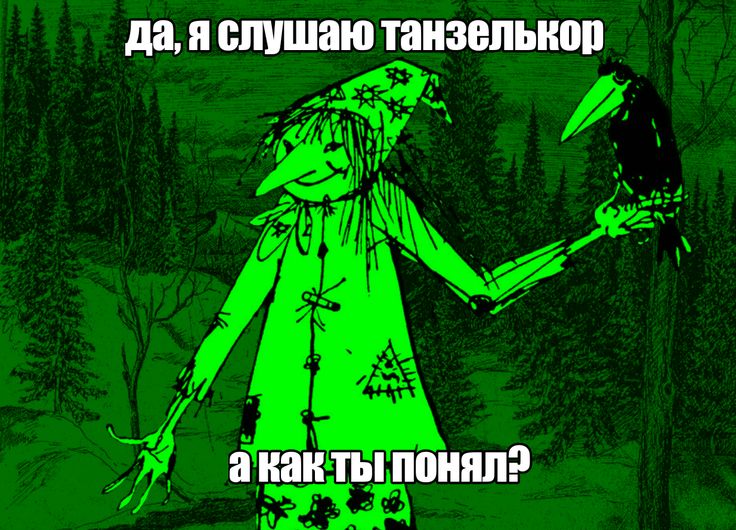
The scenes surrounding these genres are heavily internet-driven. Germany was originally the central hub of activity, with many artists, listeners, and commentators communicating primarily in German. The style has since developed dedicated followings in other parts of Europe and unexpectedly strong audiences in countries such as Russia, Brazil, and Indonesia, where local communities adopt the aesthetic and contribute to the scene, often weaving in their take on the fantasy aesthetic, inspired by their own encounters with local folklore.
The terminology itself reflects the genre’s character. In German, “Keller” means cellar or basement, an obvious reference both to the basement origins of underground music scenes and to the lo-fi, DIY spirit associated with dungeon synth. “Tänzel” means to prance, while “Tanz” means dance, giving the term Tänzelcore a slightly whimsical connotation, something closer to “prancing dance music” than the aggressive seriousness suggested by many electronic subgenres. Even in its name, the genre suggests a space between in-joke parody and underground dancefloor authenticity.
There is still relatively little written about Keller Synth in a formal sense. Most references online describe how it sounds rather than what it represents culturally or historically. The scene remains largely underground and is held together primarily through internet platforms, where artists distribute tracks, artwork, and short-form videos that circulate through niche communities.
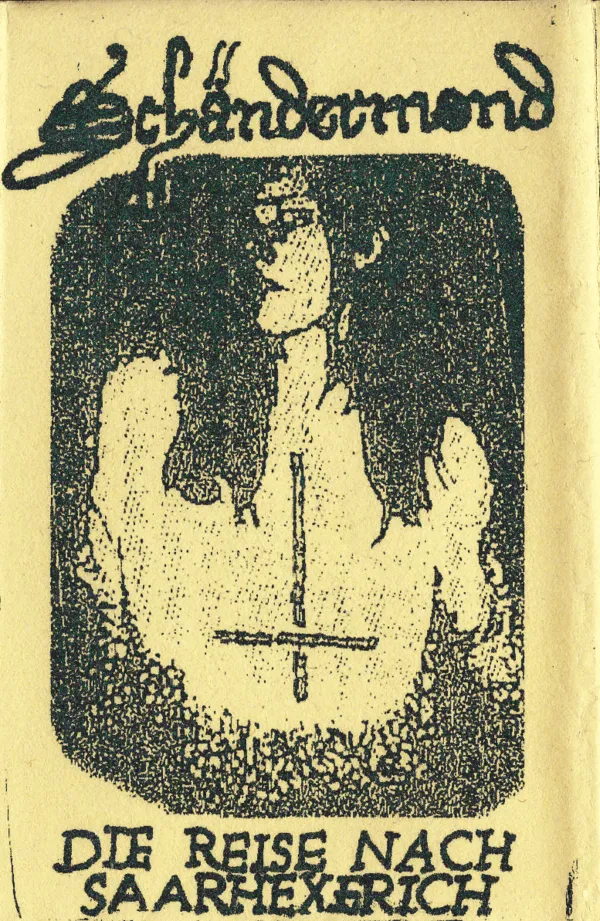
The genre’s roots are frequently linked to the black metal scene of Germany’s Saarland region in the country’s southwest. During the late 1990s and early 2000s, the area experienced significant economic decline following the closure of its historic coal mines and steel mills. The collapse of these industries left many communities facing unemployment and isolation, particularly in smaller towns. These conditions shaped the local underground music environment. With limited financial resources and little access to professional recording spaces, musicians often worked from the basements, Keller, of inexpensive housing. Improvised home studios became the practical solution for recording, and the basement setting eventually became embedded in the identity of the scene.
While the Saarland scene produced many notable underground black metal bands, this context also contributed to the birth of Keller Synth and its deliberately crude production style. Instead of polished studio recordings, many tracks rely on inexpensive synthesizers, simple drum machines, and basic digital software. The result is a sound that combines the pounding rhythmic structures of hardcore techno or gabber with the atmospheric sensibilities of dungeon synth. Dungeon synth itself emerged in the early 1990s as an offshoot of black metal, characterized by dark ambient textures, medieval themes, and minimalist keyboard compositions. Keller Synth adopts many of these aesthetic references but reframes them within a faster, dance-oriented electronic structure.
Musically, Keller Synth diverges from traditional Dungeon Synth through its emphasis on percussion, speed, and a more aggressive sonic palette. While dungeon synth typically favors slow, atmospheric compositions built from layered keyboard textures, Keller Synth introduces driving rhythms and a stronger connection to electronic dance music. The instrumental backbone often consists of inexpensive MIDI synthesizers programmed to imitate medieval instruments such as flutes, organs, or harpsichords. These melodies are frequently played at unusually fast tempos, giving the music a frantic, almost cartoonish energy.
These medieval-style melodies are often combined with classic rave-era synthesizer sounds. One frequently referenced example is the buzzing “Hoover” tone associated with early 1990s hardcore techno, a sound famously produced by synthesizers such as the Roland Alpha Juno. Thus, a dense, noisy mix results from the layering of distorted basslines, harsh digital leads, and pounding drum machines.
Vocals are typically minimal and heavily processed. When present, they often appear as high-pitched, pitch-shifted “goblin” voices or distorted shrieks buried beneath the instrumentation, sometimes borrowing from the vocal style of its black metal predecessors. The overall production aesthetic deliberately imitates the sound of music recorded on inexpensive equipment, often evoking the degraded audio quality of underground cassette releases produced in basement studios.
Meanwhile, Tänzelcore tracks often revolve around distorted kick drums derived from hardcore techno, gabber, and acid house traditions. Many tracks employ classic rave percussion patterns, including the famous “amen break,” alongside relentless four-on-the-floor rhythms. These elements are frequently pushed to extreme levels of clipping and distortion using analog mixer emulators, saturation plugins, or even hardware distortion pedals. Drum hits crackle and overload while synthesizer melodies spiral across the top of the mix.
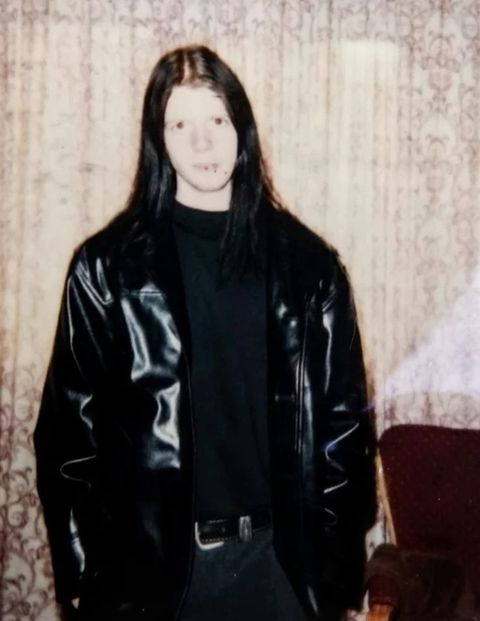
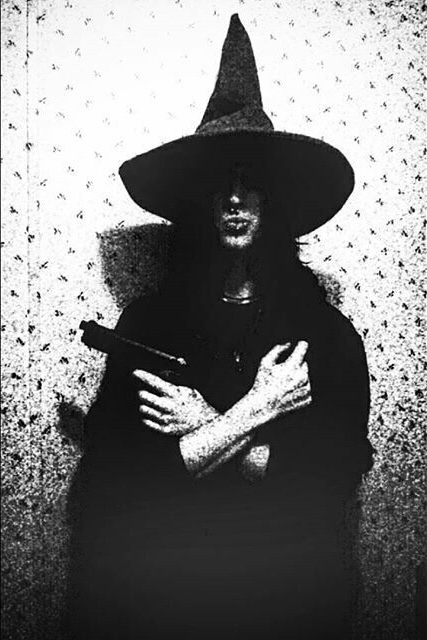
Although the musical distinction between Keller Synth and Tänzelcore can be subtle, Tänzelcore generally places greater emphasis on the dancefloor. Keller Synth maintains stronger ties to dungeon synth atmospheres and black metal parody, while Tänzelcore foregrounds the rhythmic drive of techno and hardcore. In practice, however, the two terms are often used interchangeably by listeners and artists alike.
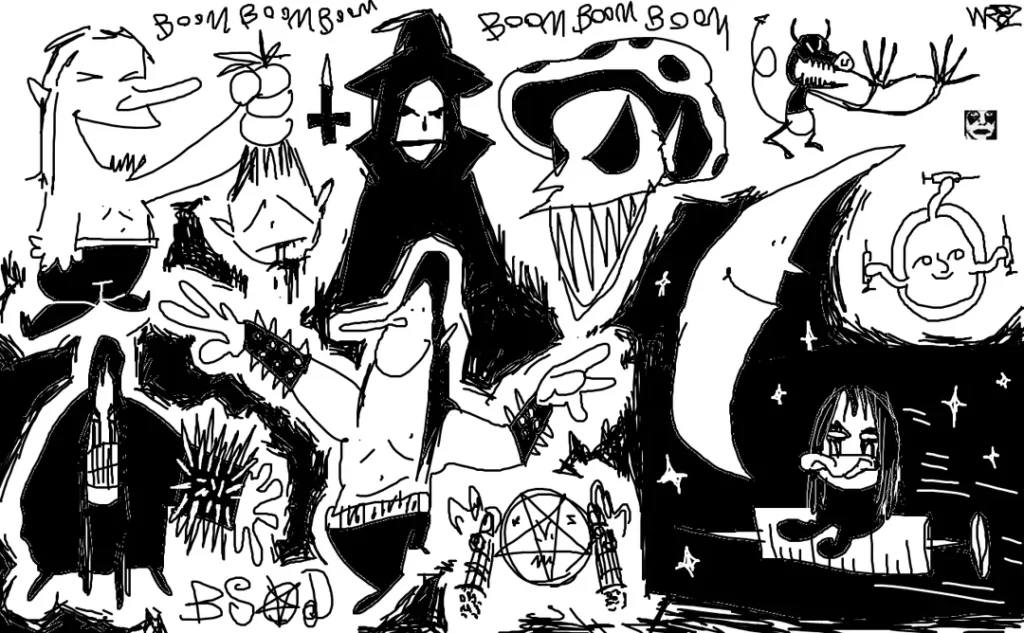
Several artists are commonly cited as pioneers within the scene. Keller Synth itself is frequently associated with early projects connected to B.S.O.D. as well as Sigfrid (also known through the Friedhof project). Tänzelcore, meanwhile, places a much heavier emphasis on electronic dance music structures. As mentioned earlier, the name of the genre reflects its shift away from the atmospheric side of black metal and toward rhythmic intensity., who emphasized the genre’s electronic dance music foundations while retaining its distinctive visual identity.
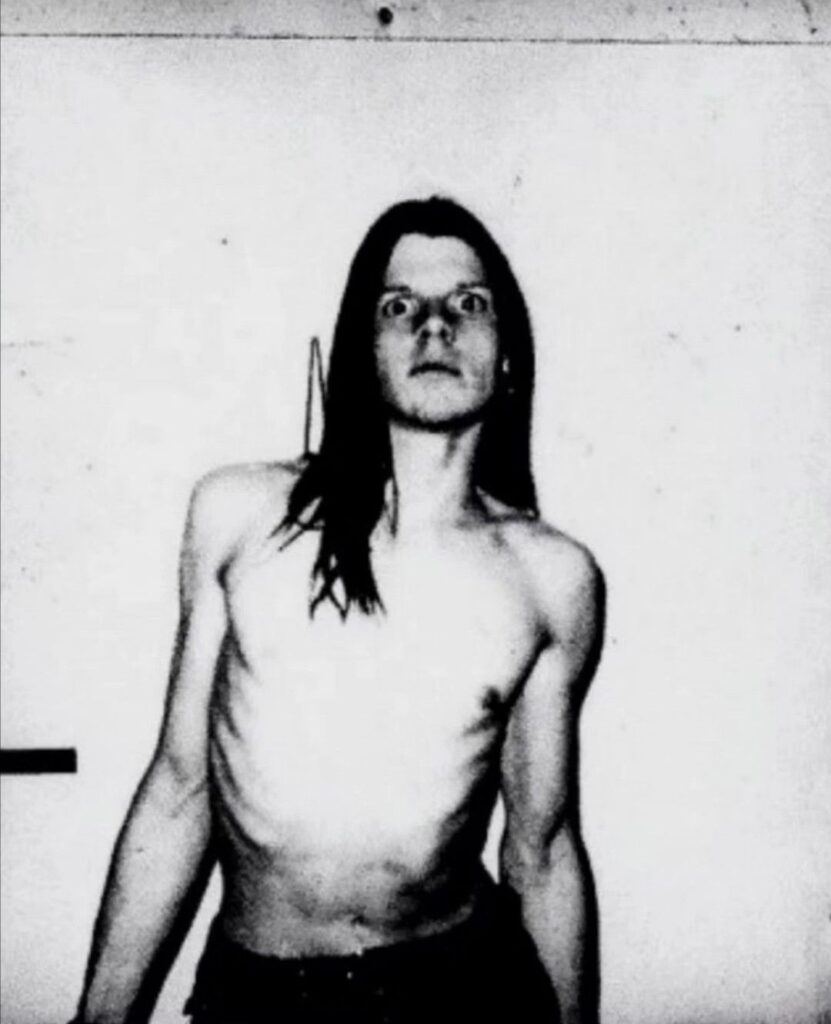
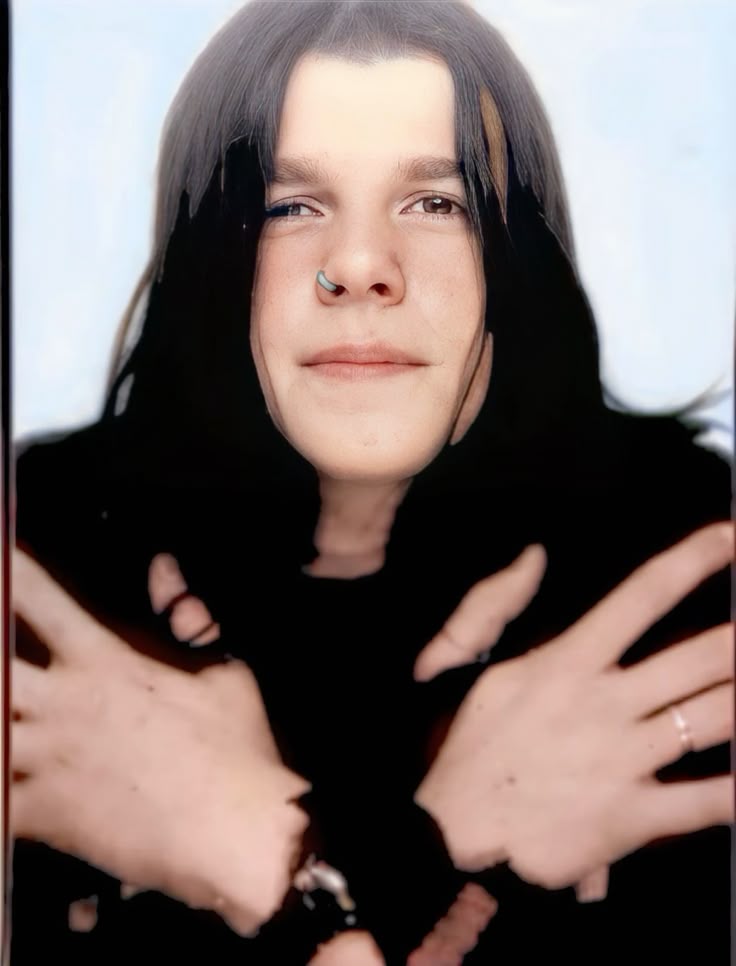
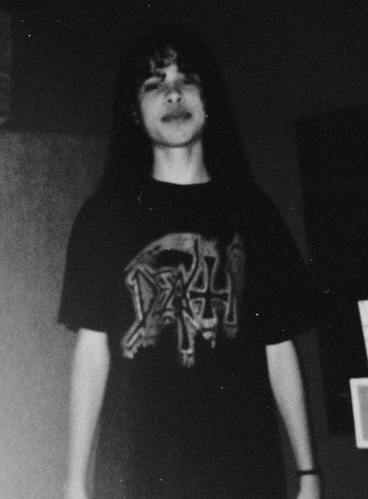
The foundational sound and visual aesthetic associated with Keller Synth are often traced back to the work of German musician Andreas “B.S.o.D.” Bettinger. Born on August 1, 1980, Bettinger began his best-known project Grausamkeit when he was only fourteen years old. Through the 1990s and early 2000s he became an important figure in the Saarland black metal underground, a small but influential regional scene at the time.
In addition to his musical output, however, his personal life has been marked by repeated legal problems. Records indicate multiple periods of incarceration, including various stretches from 2003 to 2015, and again from mid- or late 2016 until March 20, 2019. During one period of imprisonment he reportedly performed in a cover band dedicated to the German rock group Böhse Onkelz, as well as a band associated with the Hells Angels motorcycle club known simply as 81.
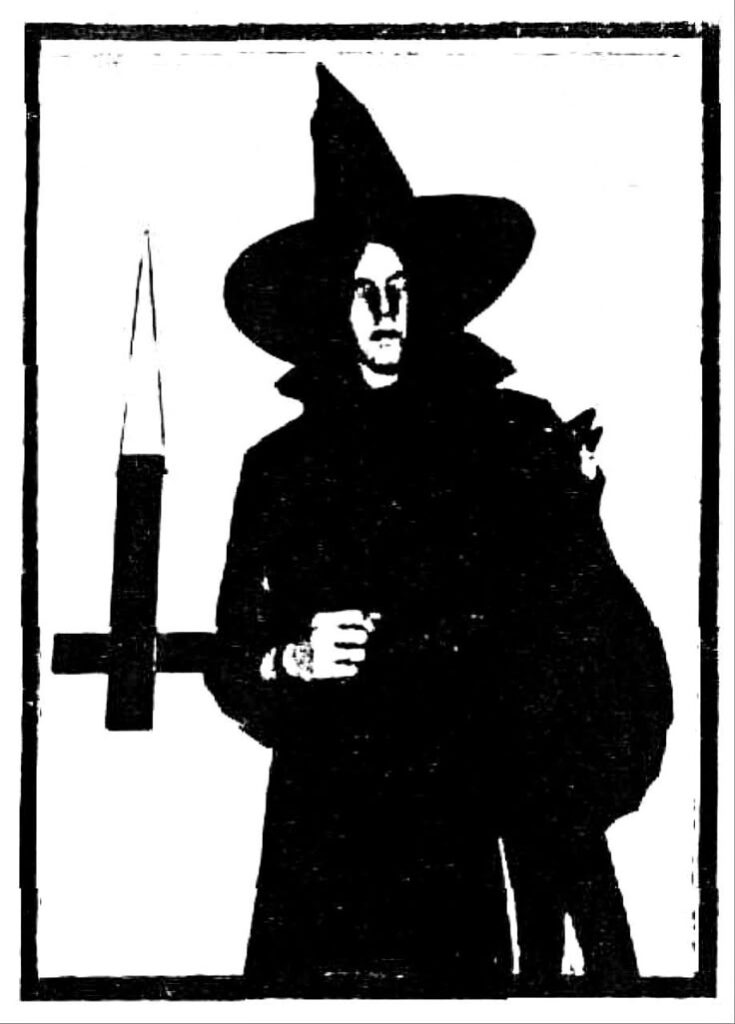
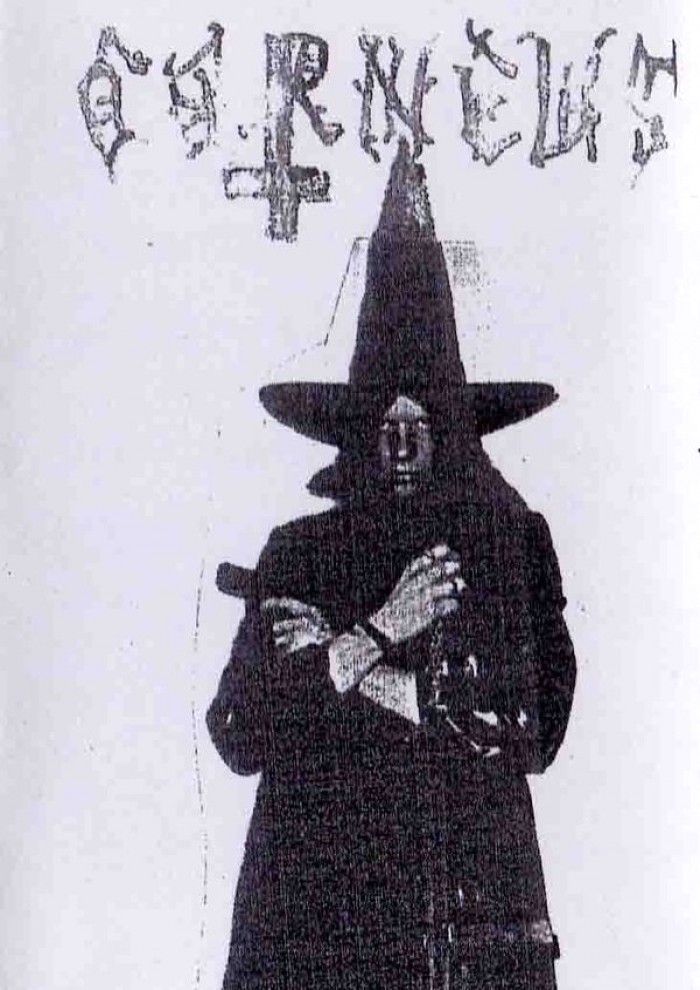
By June 2013, Bettinger reportedly had accumulated a staggering 147 offenses on his police record. These included one conviction related to violence, one related to incitement of hatred, and the remaining 145 connected primarily to drug-related charges. His public statements and artistic output have sometimes openly referenced drug culture, and he has been known to advocate heroin use. These aspects of his biography have contributed to his notoriety within underground music circles, where he remains both influential and controversial.
Despite his criminal record, across the decades Bettinger has operated an unusually large number of musical projects and collaborations, many of them extremely obscure. The number of associated bands and aliases has grown so large that compiling a complete list has proven difficult even for dedicated fans. His work has also involved collaboration with his wife Sandra Bettinger, who recorded under the name Melse. She died in 2013 under circumstances that were never fully clarified, although some internet communities allege it was due to an overdose.
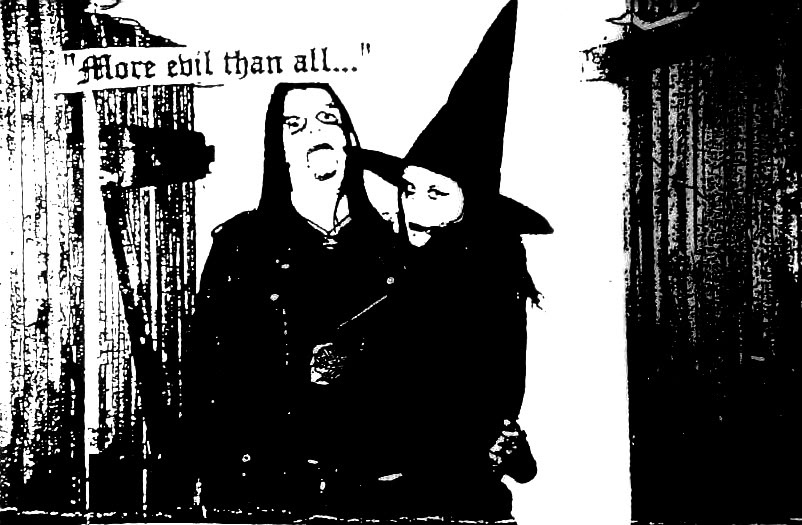
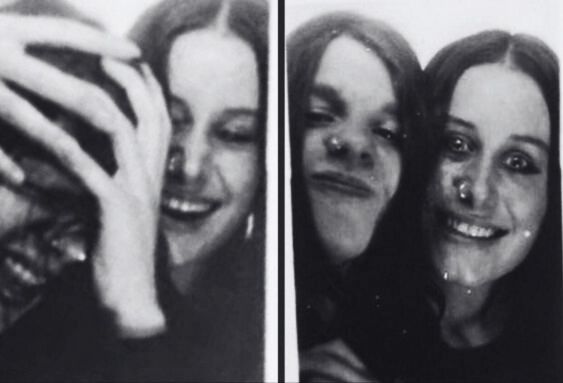
Bettinger’s recordings established an early template that fused the atmosphere of dungeon synth with the abrasive electronics and raw production associated with underground black metal. Rather than relying on guitars, many of these recordings used cheap drum machines and synthesizers to approximate the structure of black metal while retaining the bleak atmosphere of basement-recorded music. This stripped-down style established what many later artists would take and use in their own projects both in the worlds of Black Metal and Dungeon Synth as well as Keller Synth.
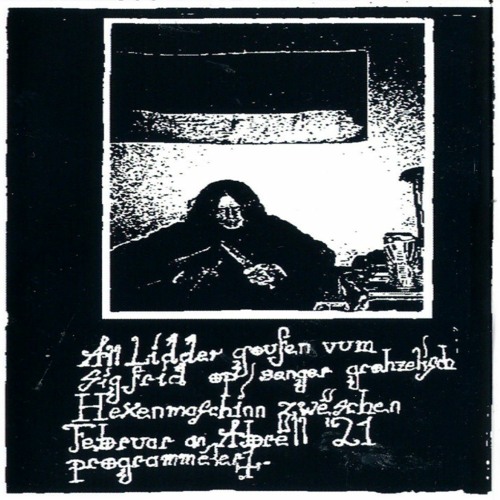
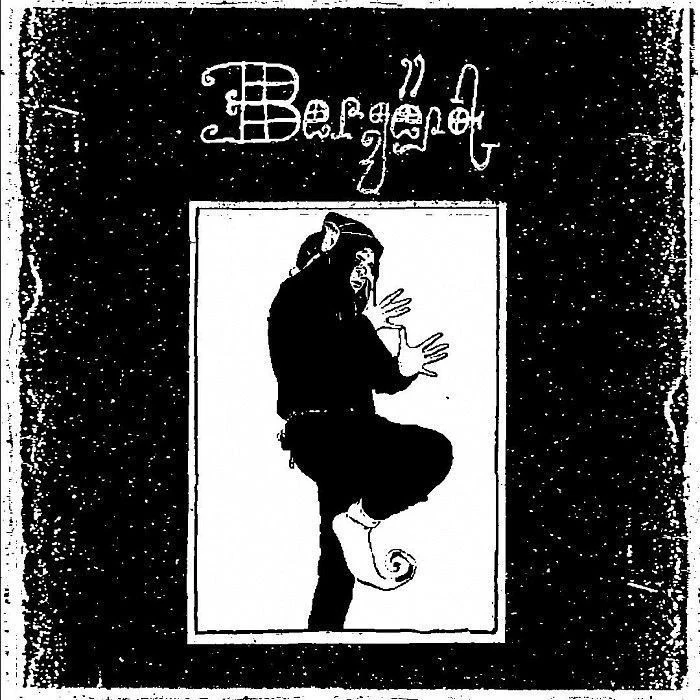
While Bettinger’s work established much of the sonic groundwork, the contemporary Keller Synth and Tänzelcore scene is also strongly associated with a younger figure: German musician Justin Reiter, known under the alias Sigfrid. As a genre, Tänzelcore places a much heavier emphasis on electronic dance music structures while retaining its distinctive visual identity. The term was coined by the artist Sigfrid, generally seen as the founder of the genre, and became established around 2019 with the release of his album Moselfrankian Tänzelcore Madness, under the name Bergënot.
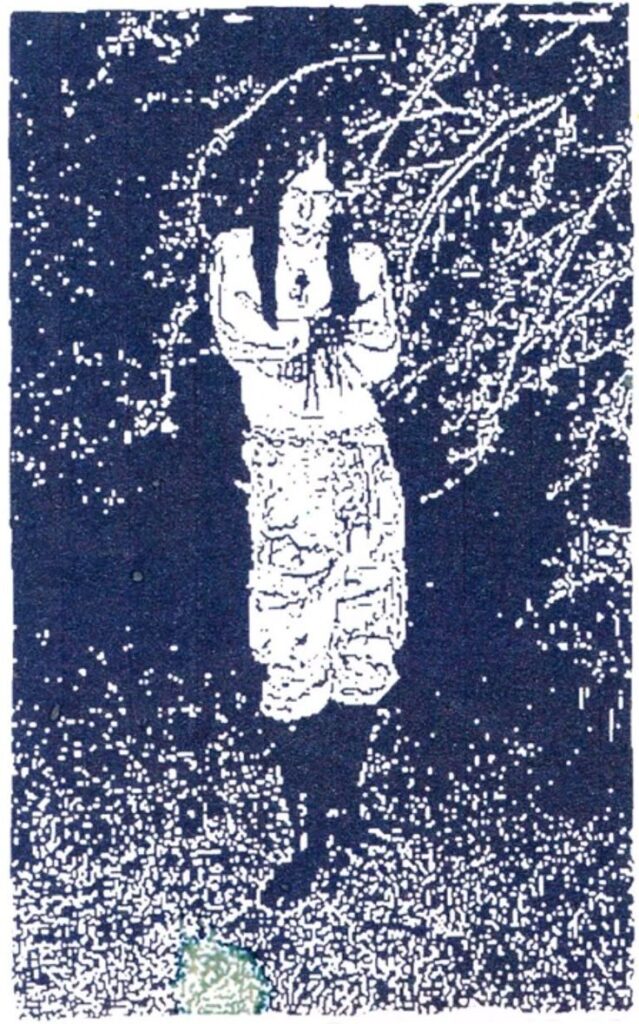
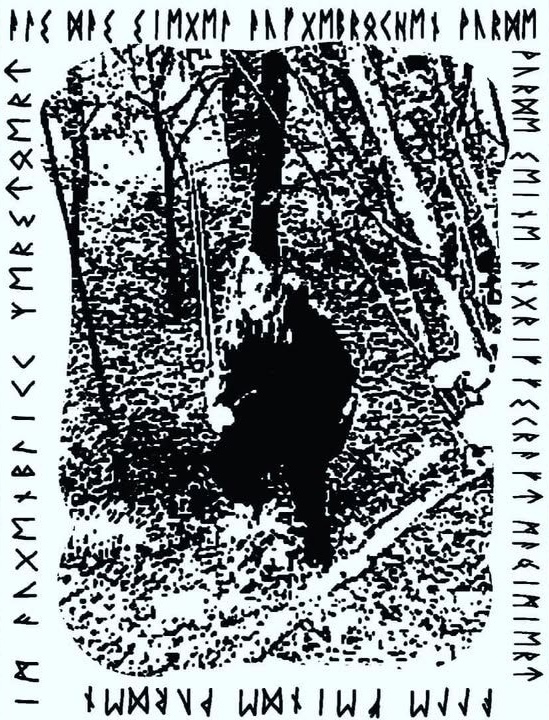
Born on April 12, 2002, Reiter began producing music in the mid-2010s. According to his online profiles and project histories, he had started experimenting with electronic production by around 2015. One of his earliest projects was PilzKrieger, an extratone-oriented experiment that produced only a small number of releases.
Reiter’s involvement with the Keller Synth aesthetic became clearer a few years later. Around 2018 he began releasing material under the name Grollfried, a project often cited as an early example of the style’s raw keyboard-driven approach. The music resembled a stripped-down interpretation of black metal performed entirely on synthesizers, frequently supported by extremely lo-fi drum programming. Some listeners have described the sound as almost noise-like in its roughness. One comment under the YouTube upload for the the album Moos und Efeu famously summarized the production quality with the remark: “Sounds like it was recorded through an evil sock. I like it.”
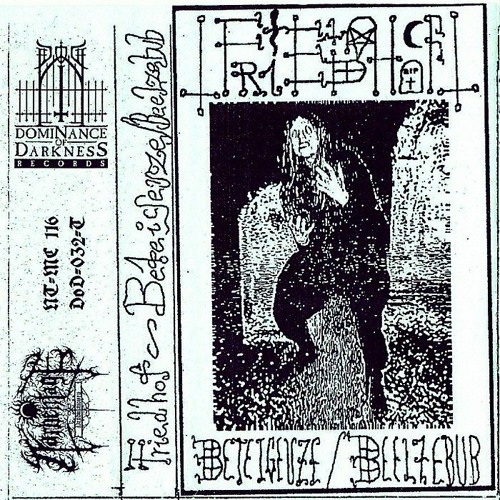
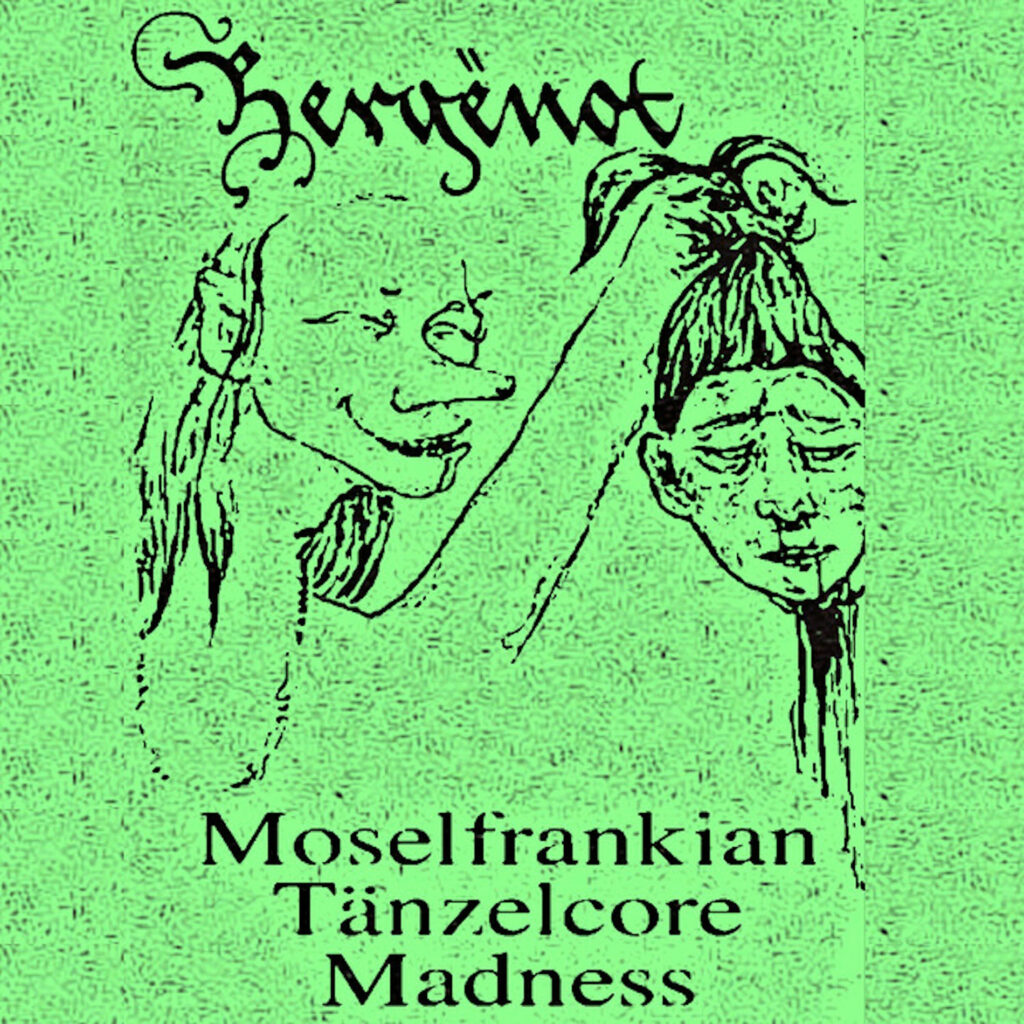
Around the same time, Reiter also developed the project Friedhof, which moved toward a slightly slower and more atmospheric style. Friedhof tracks often continue Reiter’s reinterpretation of black metal structure using MIDI instrumentation rather than guitars, while still retaining the harsh tonal palette of Keller Synth. By 2019 he had launched another project, Bergënot, which became central to the development of Tänzelcore.
The Bergënot album Moselfrankian Tänzelcore Madness is often cited as a defining release for the subgenre. Its cover artwork features a crude drawing of a long-nosed figure holding a severed head, rendered in a deliberately playful cartoon style. Musically the record leans heavily toward darkened hardcore techno structures, with sections that accelerate into full gabber-style tempos, a new innovation that heralded the entry of a new genre onto the scene. In the video accompanying the Bergënot track “Der Vampir,” the iconic image of Count Orlok from the 1922 film Nosferatu appears wearing an Amanita mushroom cap, reinforcing the genre’s mixture of horror imagery and absurd humor. The music itself combines ominous atmospheric textures, resembling a windy graveyard soundtrack, with basslines designed explicitly to drive dance rhythms.
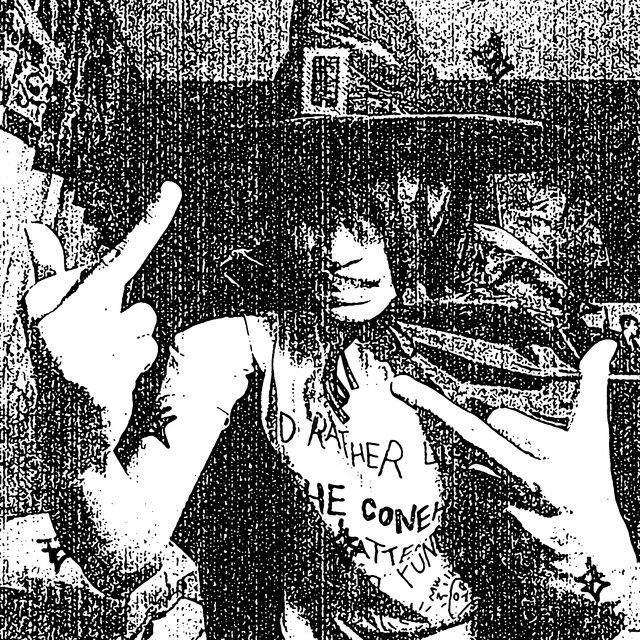
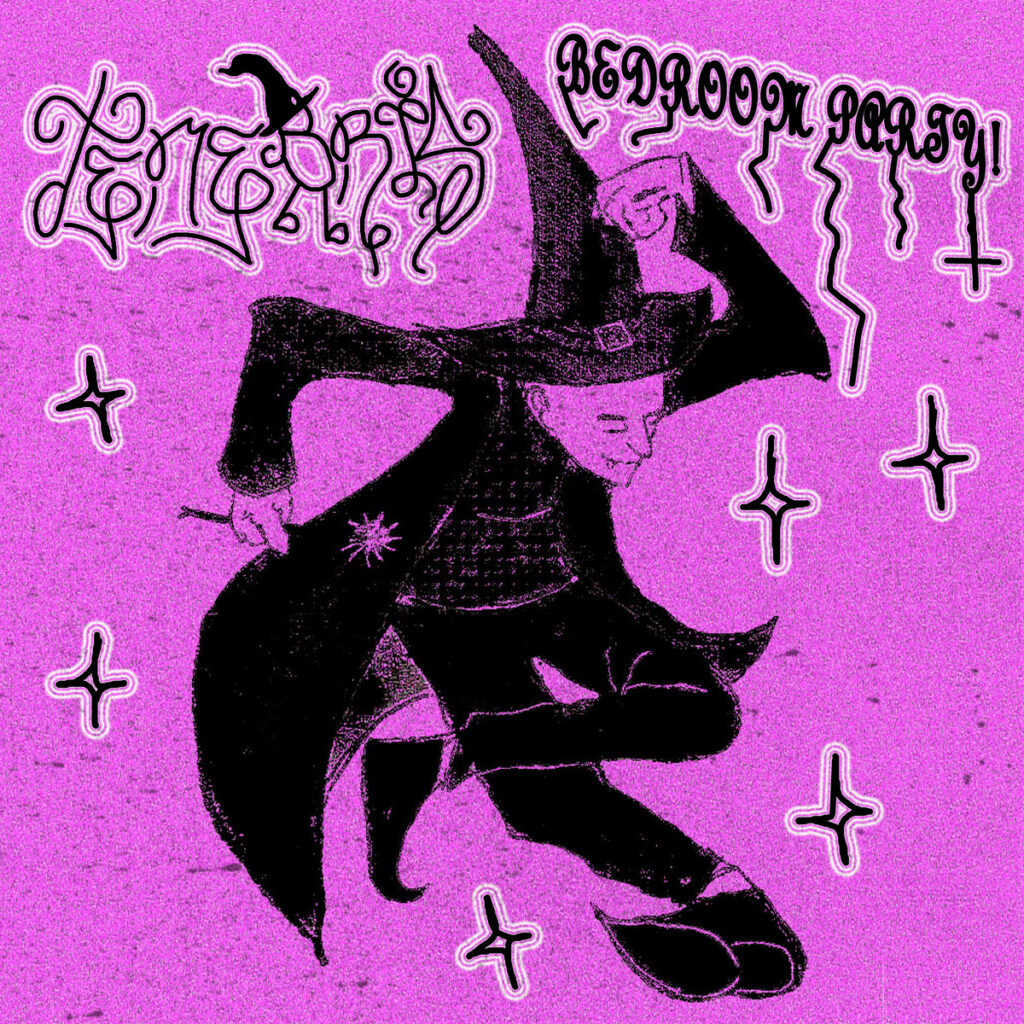
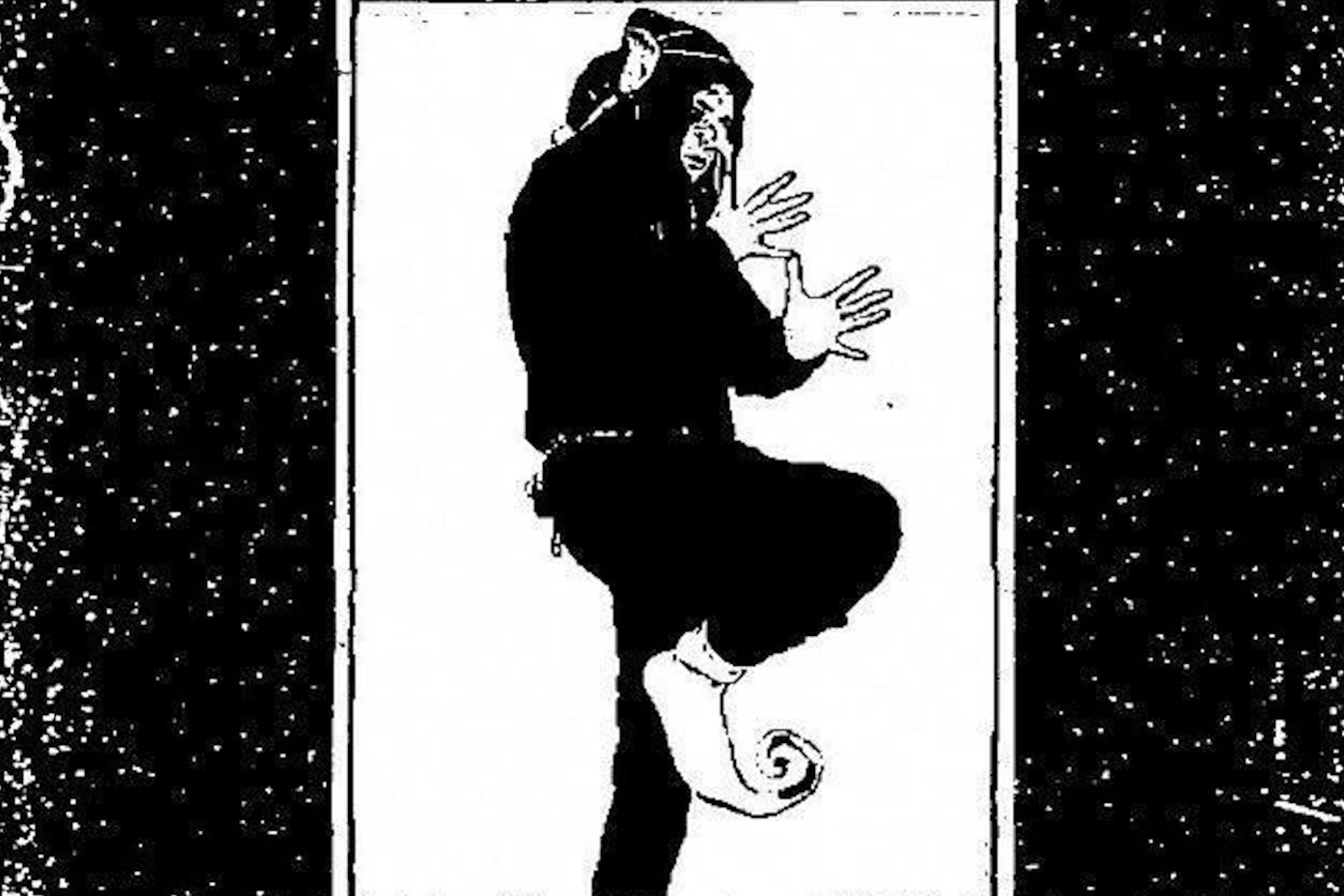
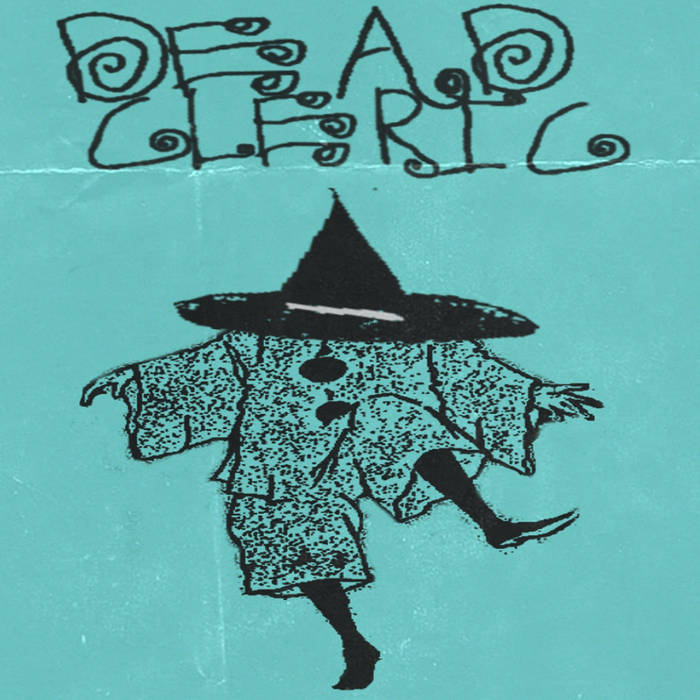
Beyond these core projects, the Keller Synth and Tänzelcore ecosystem has expanded into a wide range of international acts. One of the most widely recognized releases is Tenebris’ Bedroom Party, recorded in Indonesia and described by its creator as having been produced “late August to September MMXXII at The Witch’s Bedroom.” The album stands out for incorporating clearer guitar and drum recordings than many Keller Synth projects, though these elements remain layered with the genre’s trademark warped MIDI-style organ sounds. The cover artwork features a wizard in a pointed hat and curled shoes performing a pose reminiscent of the dance stance associated with the punk band Circle Jerks. A typical comment left by listeners captures the playful tone surrounding the music: “My body is shrinking, my shoes started pointing up and my beard is turning white, I wonder why.”
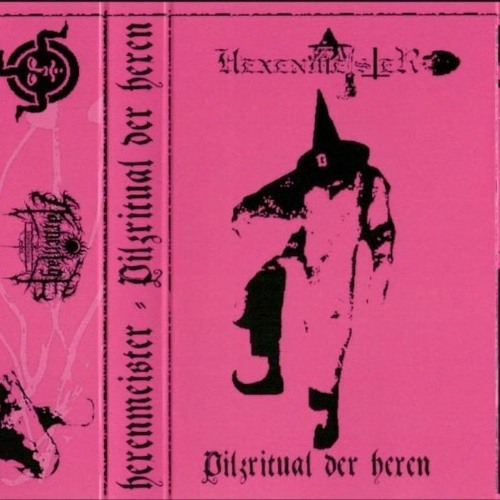
In Brazil, the artist Dementar from Tracuateua has produced music that seems to echo the lo-fi electronic textures of acts such as Crystal Castles with black metal influences, resulting in a stripped-down, distorted hybrid that preserves Keller Synth’s raw atmosphere while emphasizing electronic rhythms. Other producers have pushed the aesthetic further into rave territory. Hexenmeister from Donetsk, for example, creates tracks that evoke the sensation of a distant rave taking place inside an abandoned castle. A visualizer on YouTube for Hexenmeister’s album, Pilzritual der Hexen, incorporates footage from the 1967 Soviet-era horror film Viy, sometimes described as the Soviet Union’s only major horror film.
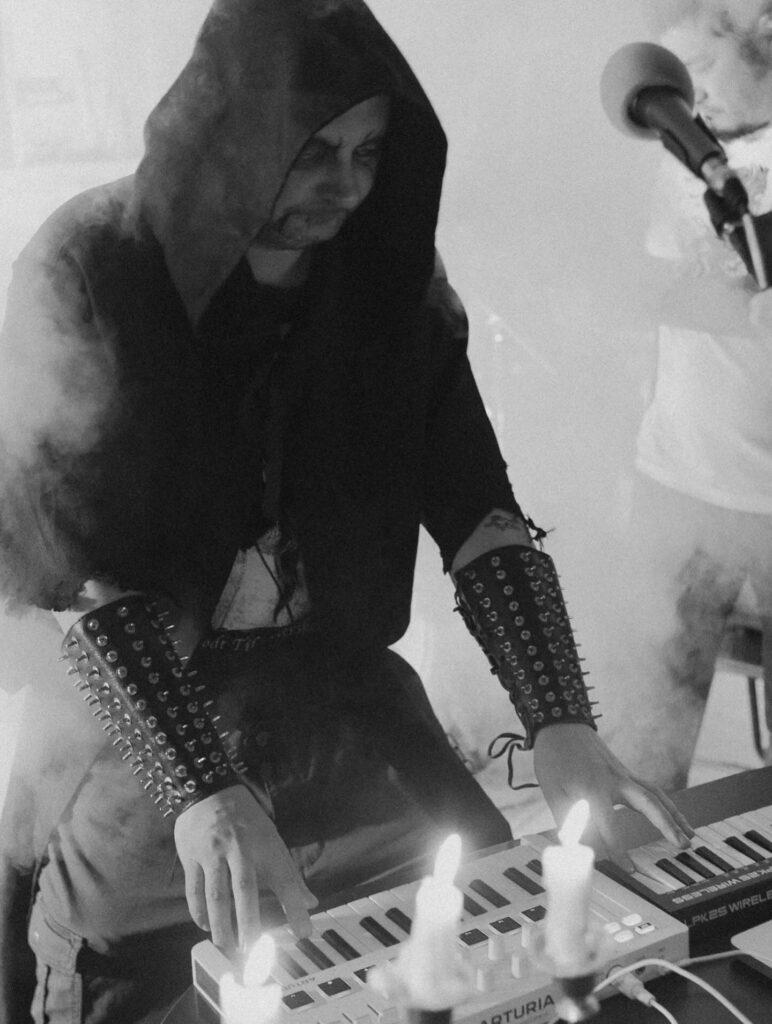
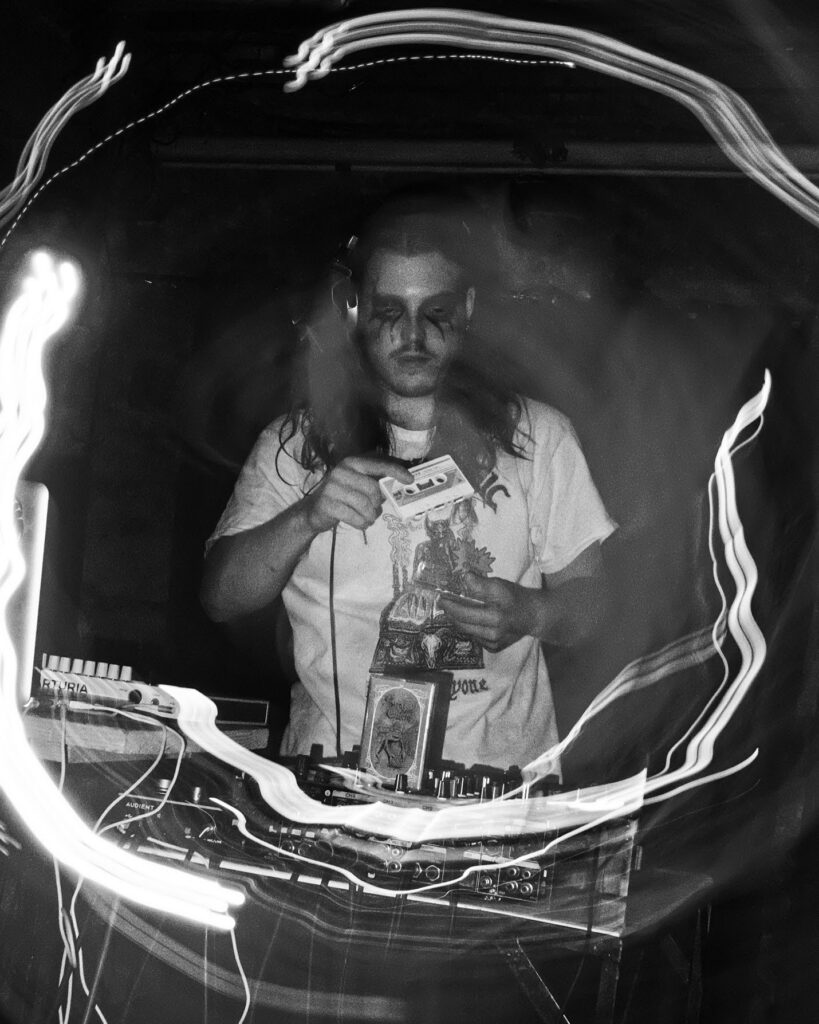
The geographic spread of the scene extends even further. Warlock Corpse, a Russian project based in Kazakhstan, produces music that ranges from lo-fi metal recordings to slow, atmospheric soundtracks reminiscent of 1990s role-playing games. Another project by the same artist, Culturist, leans much more heavily toward rave-oriented sounds, particularly in releases such as Return to the Dungeon Rave.
Collaborative projects also appear frequently. Khtoninen Luomus, the split release between Friedhofsbewohner and Hirven Verenimijä features the familiar cheap keyboard textures and down-pitched MIDI organs typical of the genre while drawing heavily on Finnish folklore. The album was issued through the Russian-based label UralPsychedelicRawTerror, which described the music in characteristically surreal terms: “From the depths of the Ural Mountains, from the pine forests of the Earth’s Belt, lost in time and space, this release has been brought to the attention of the Shudras and Vaishyas by your gracious hosts… Forged by enlightened fellow gnomes, it presents a half-hour of raw Keller Synth in the finest traditions of the genre. Two of the twelve compositions will pierce your dim-witted heads with rhythmic waves of good old Tänzelcore. Thirty minutes of melancholy and authentic Ural chthonicity.”
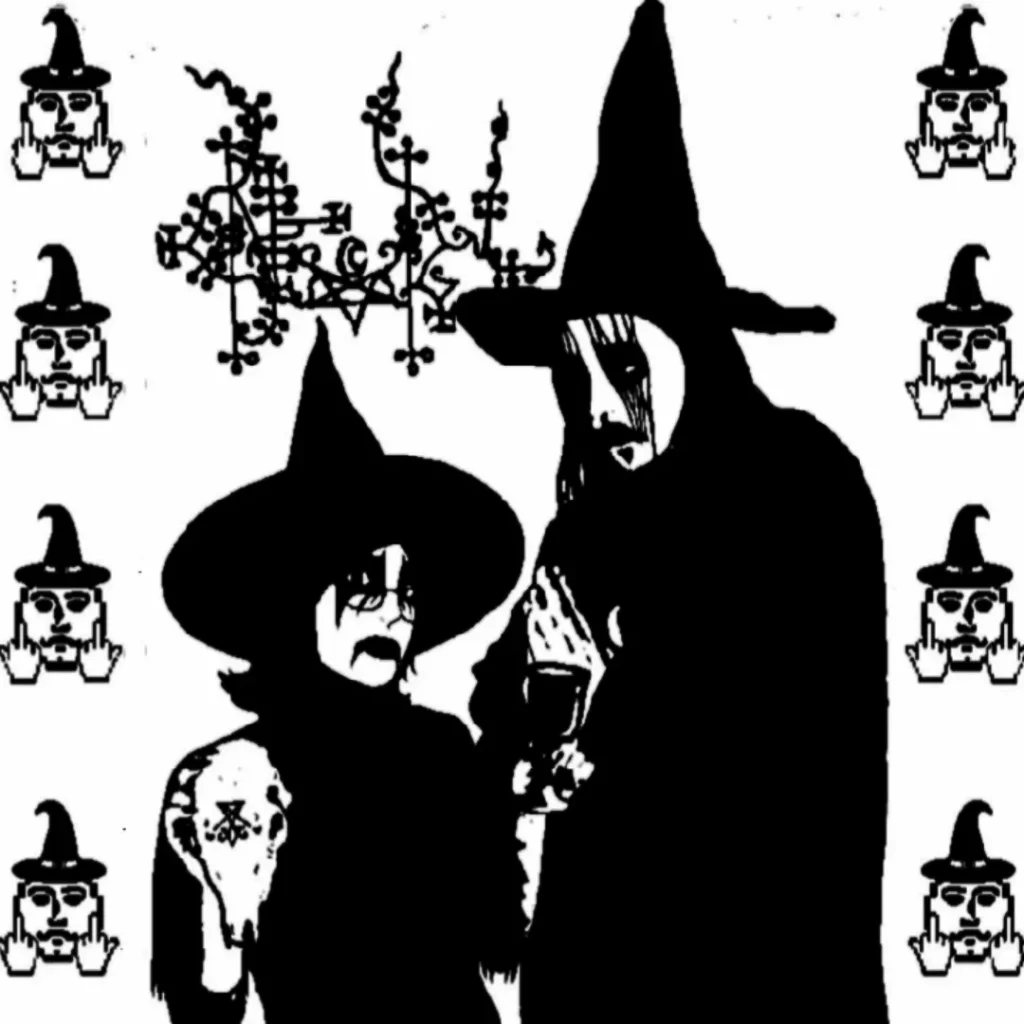
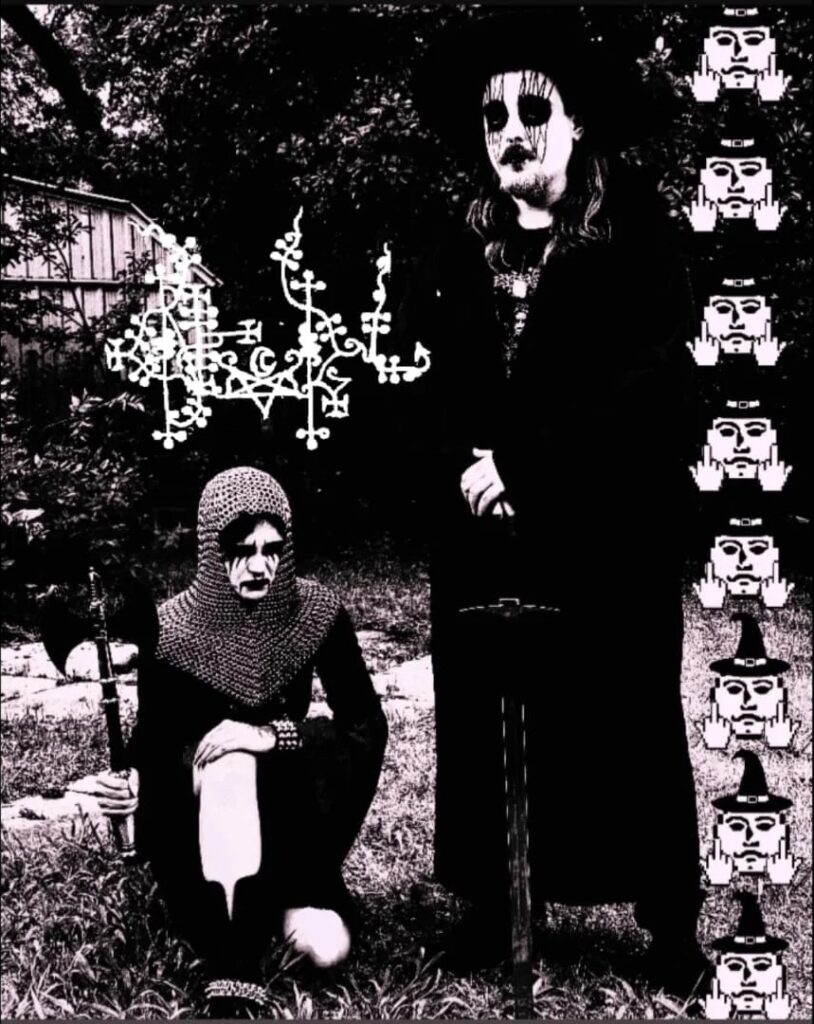
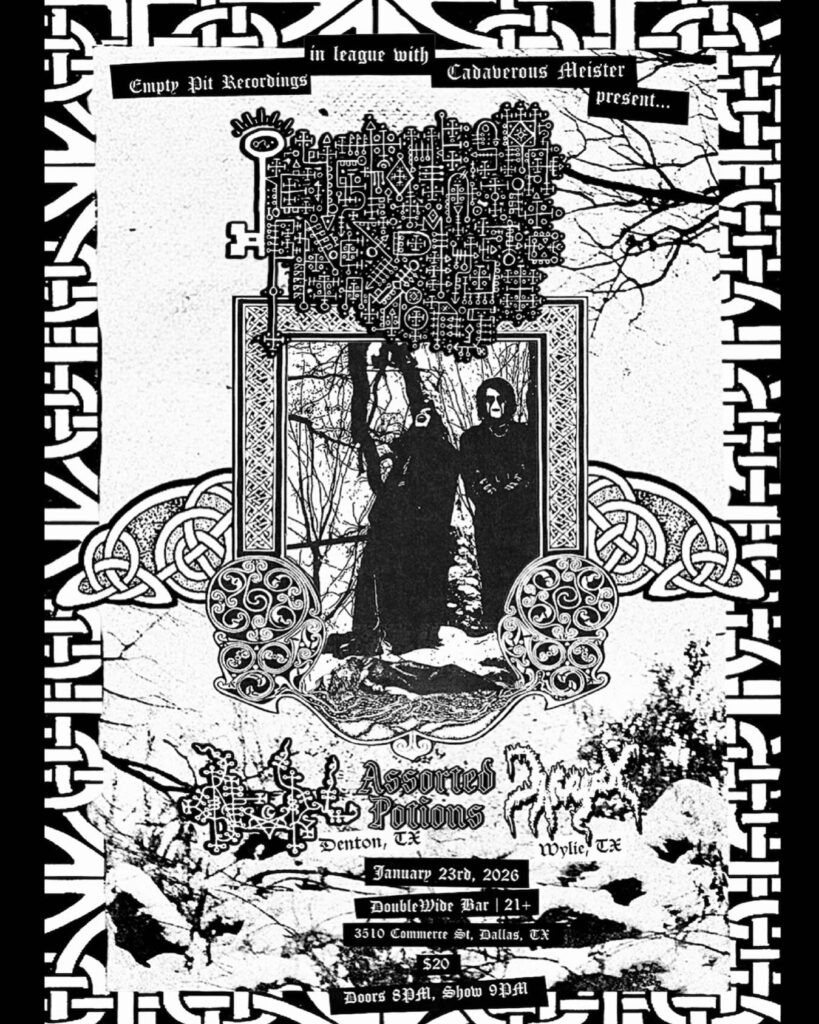
Elsewhere, the duo Cries of Agony from Denton, Texas has developed a variation that leans more heavily into the despair and emotional intensity associated with traditional black metal. Their recordings reinterpret that bleak tone through a dance-oriented framework, blending atmospheric darkness with electronic rhythms. They later collaborated with Culturist and DJ 32 on the compilation-style release Dark Dungeon Rave!, illustrating the increasingly international and interconnected character of the Keller Synth and Tänzelcore scenes.
Despite remaining largely underground, the network of artists continues to expand across continents, united by a shared fascination with distorted medieval imagery, basement production techniques, and the unlikely combination of black metal atmosphere with rave-era electronics.
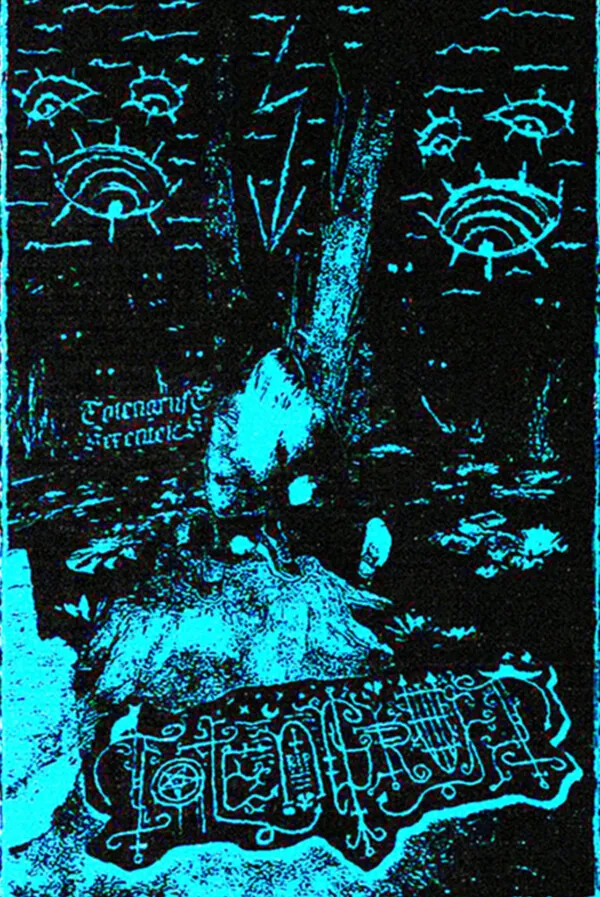
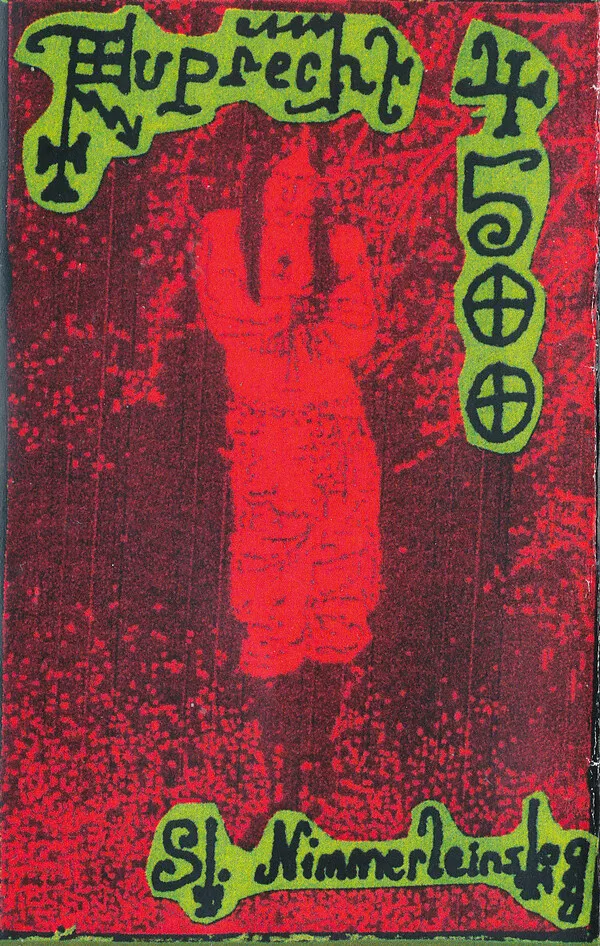
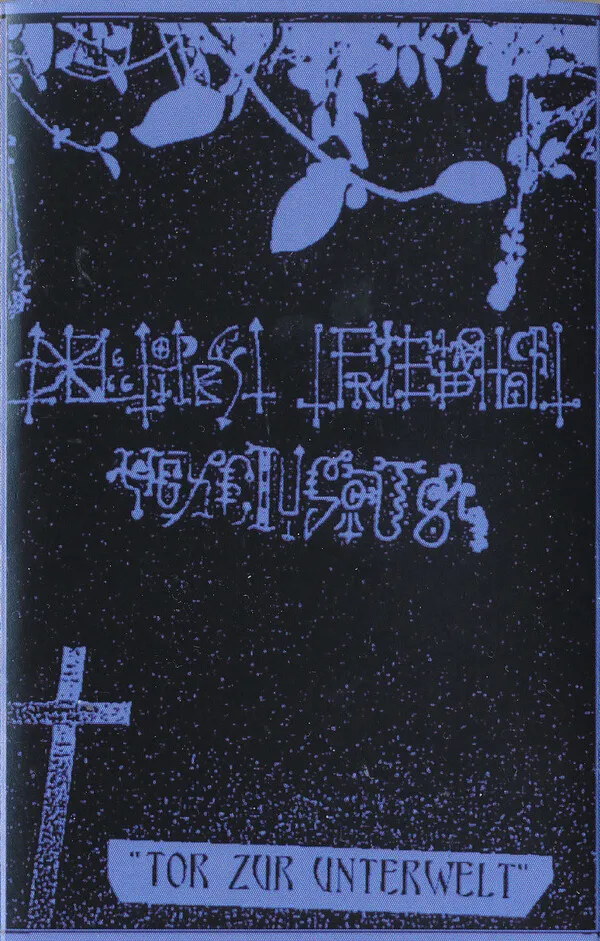
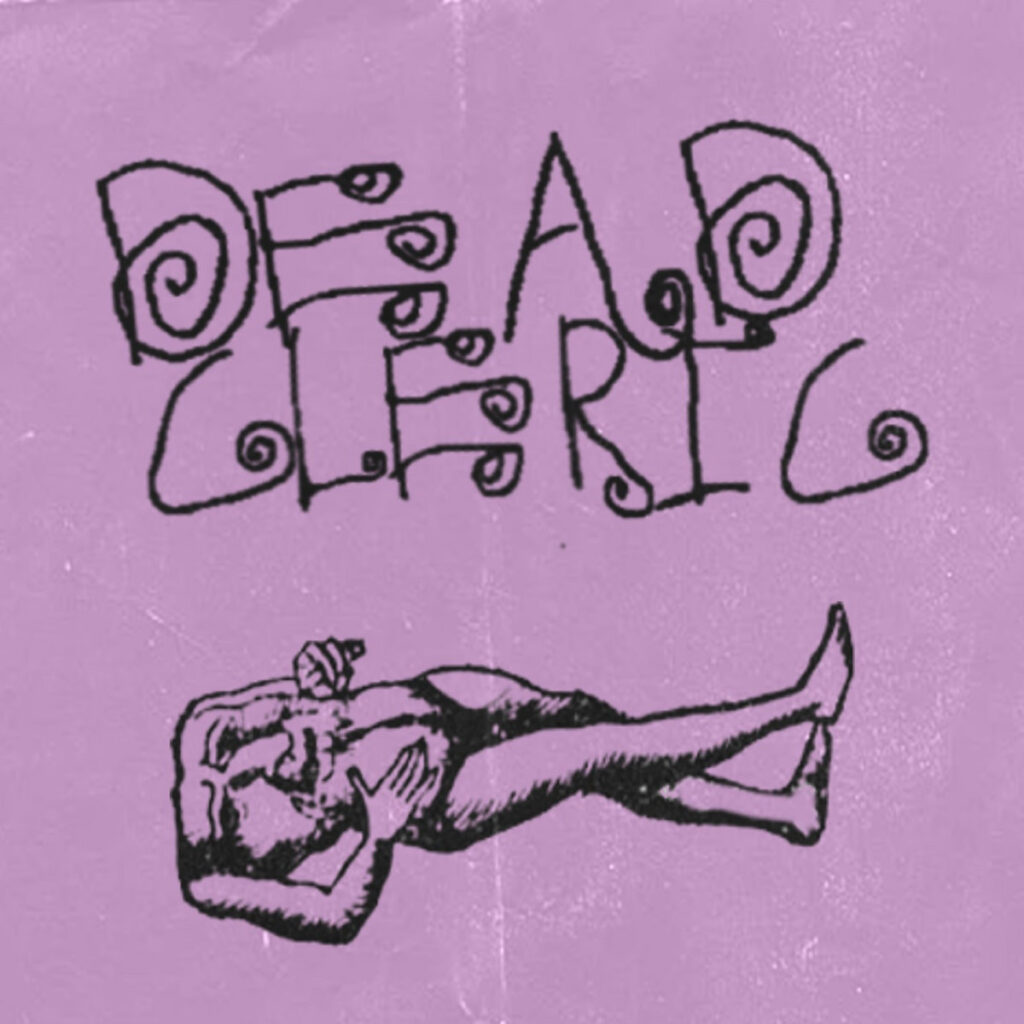
Typography and graphic design play an unusually important role in defining the genre’s identity and helping it spread across the internet. Keller Synth artwork deliberately exaggerates and parodies the visual language of traditional black metal. Band logos are often intentionally crude, appearing as though they were drawn in MS Paint or sketched hastily with jagged lines. Extreme illegibility is treated as a stylistic virtue. Letters frequently dissolve into chaotic tangles of linework in which symbols as varied as inverted crosses, triskelions, swastikas, crescent moons, and wizard hats, blend directly into the lettering. Black metal and dungeon synth had already embraced illegible logos as a marker of underground authenticity, but Keller Synth pushes the approach into a more humorous and whimsical direction as a kind of blackened whimsigoth.
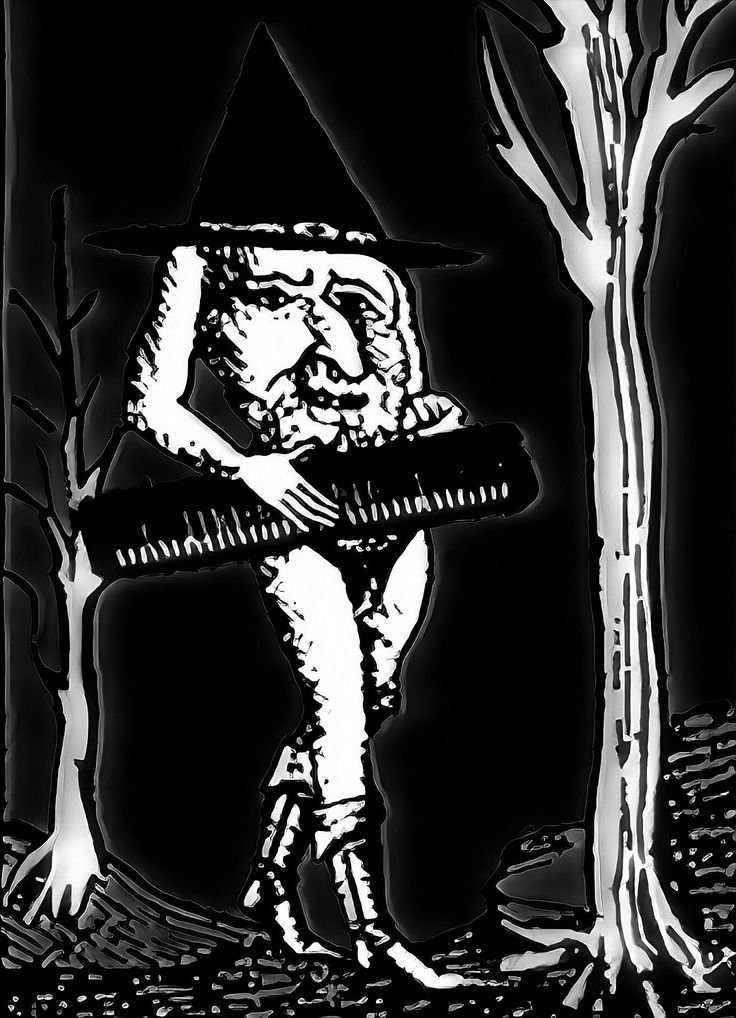
The broader visual style could be described as a form of “deep-fried medievalism.” Album covers and promotional images are intentionally distorted through aggressive digital filtering and color manipulation. A typical palette combines neon green or pink with black, producing the garish, high-contrast aesthetic common across many Keller Synth videos and thumbnails. Classical woodcut illustrations of medieval figures, wizards, monks, knights, or mythical creatures, are frequently recycled and digitally altered. Unlike the somber tone of traditional dungeon synth, these images are often presented with an absurdist twist.
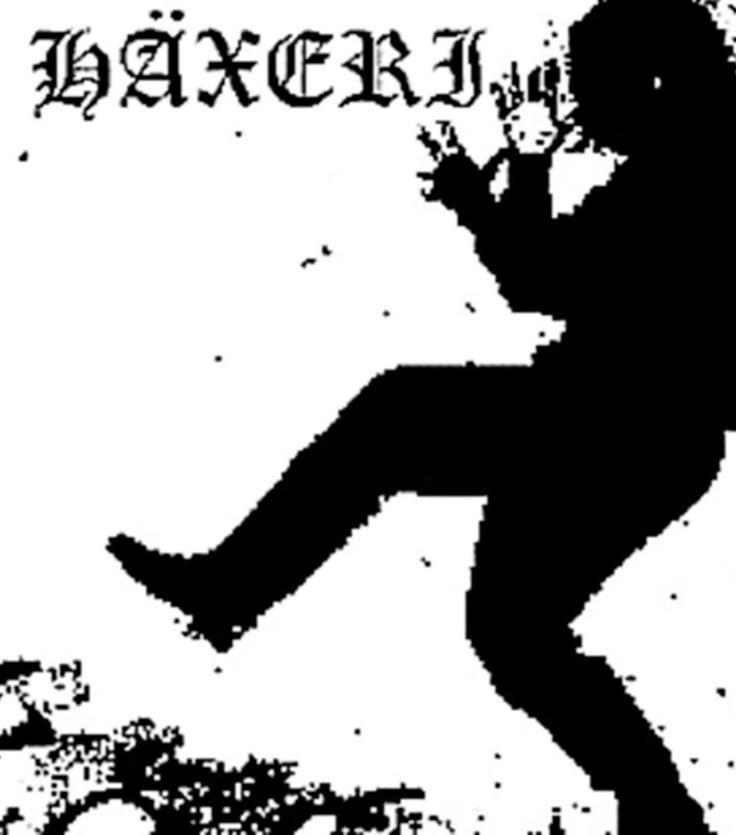
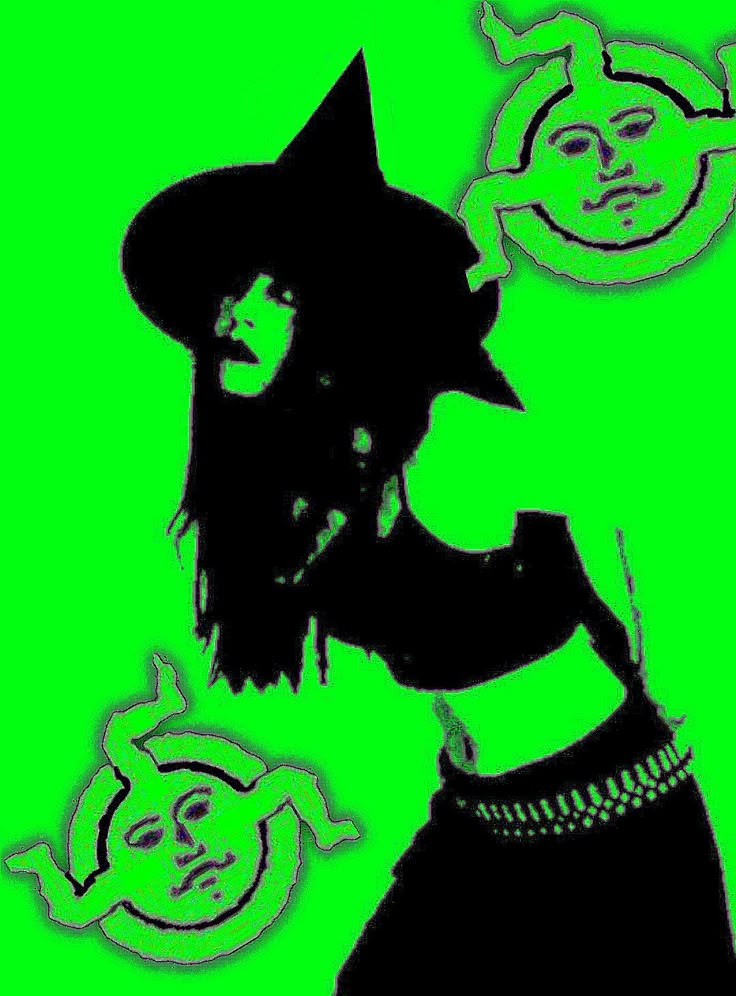
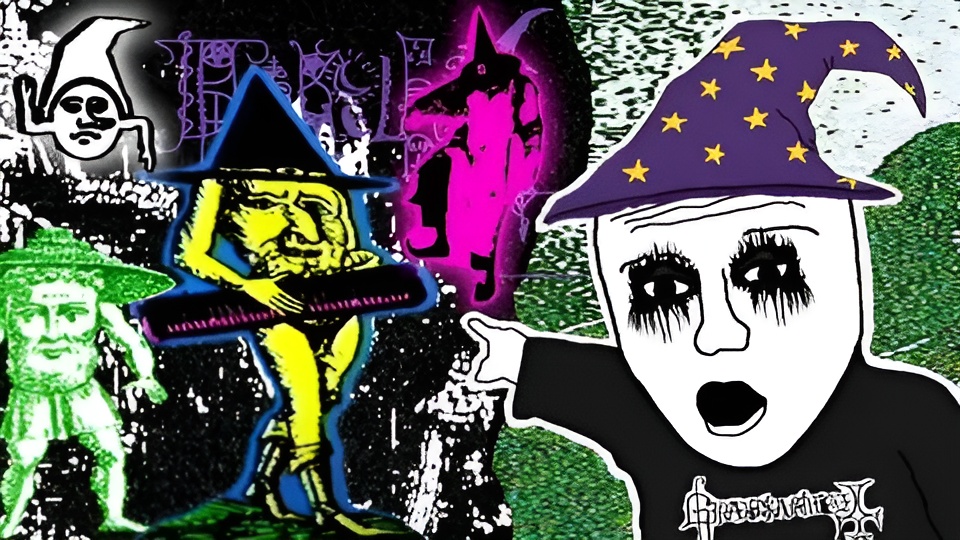
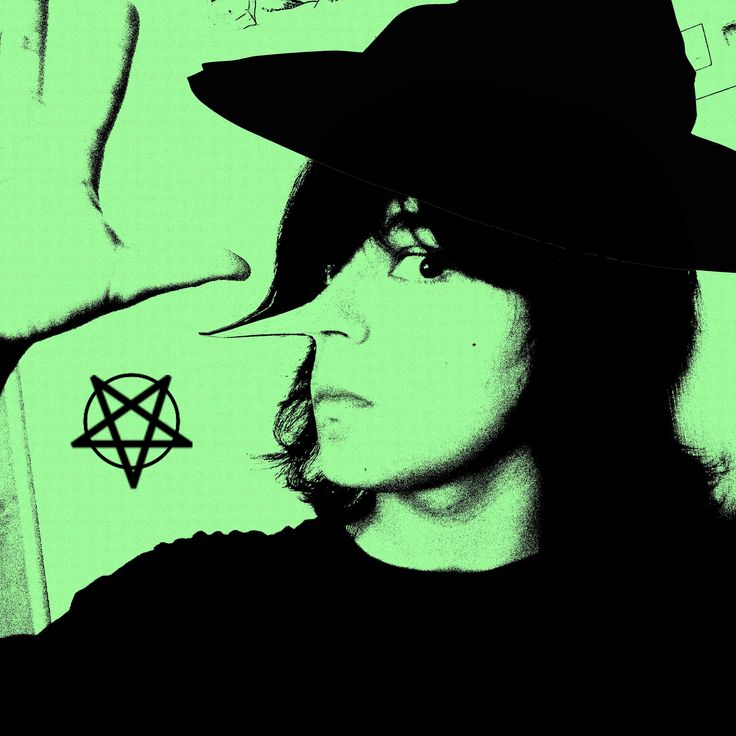
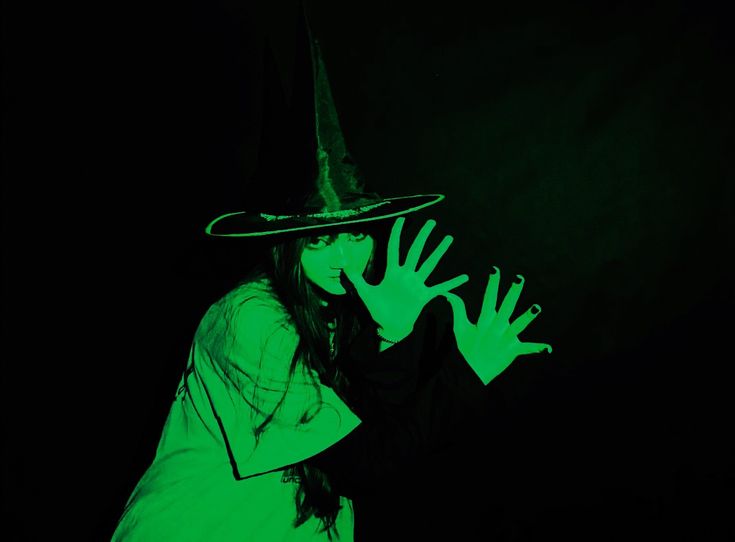
One of the most recognizable recurring motifs is what is called the “Prancing Wizard.” These figures are usually adapted from historical woodcut illustrations and edited to appear as if they are dancing, raving, or striking exaggerated poses. A particularly common gesture is the “nose thumb,” a traditional sign of mockery in which the thumb is placed against the nose while the fingers wiggle outward. The gesture has deep roots in European folk humor and appears in stories about trickster figures such as Till Eulenspiegel, a mischievous character from German folklore known for humiliating authority figures through pranks. In Keller Synth artwork, the gesture signals the genre’s playful, irreverent attitude toward its own influences.
The nose-thumb gesture also appears beyond album artwork in the behavior of fans and performers themselves. Keller Synth imagery frequently shows witches or wizards making the gesture while prancing or dancing. In online Keller Synth communities, the emoji combination “🤥🤚🤚” occasionally appears as a shorthand reference to the pose. The gesture is also commonly used by children in German-speaking countries as a way to taunt or ridicule others, which likely influenced its inclusion as a central hallmark of the scene during its inception in Germany.
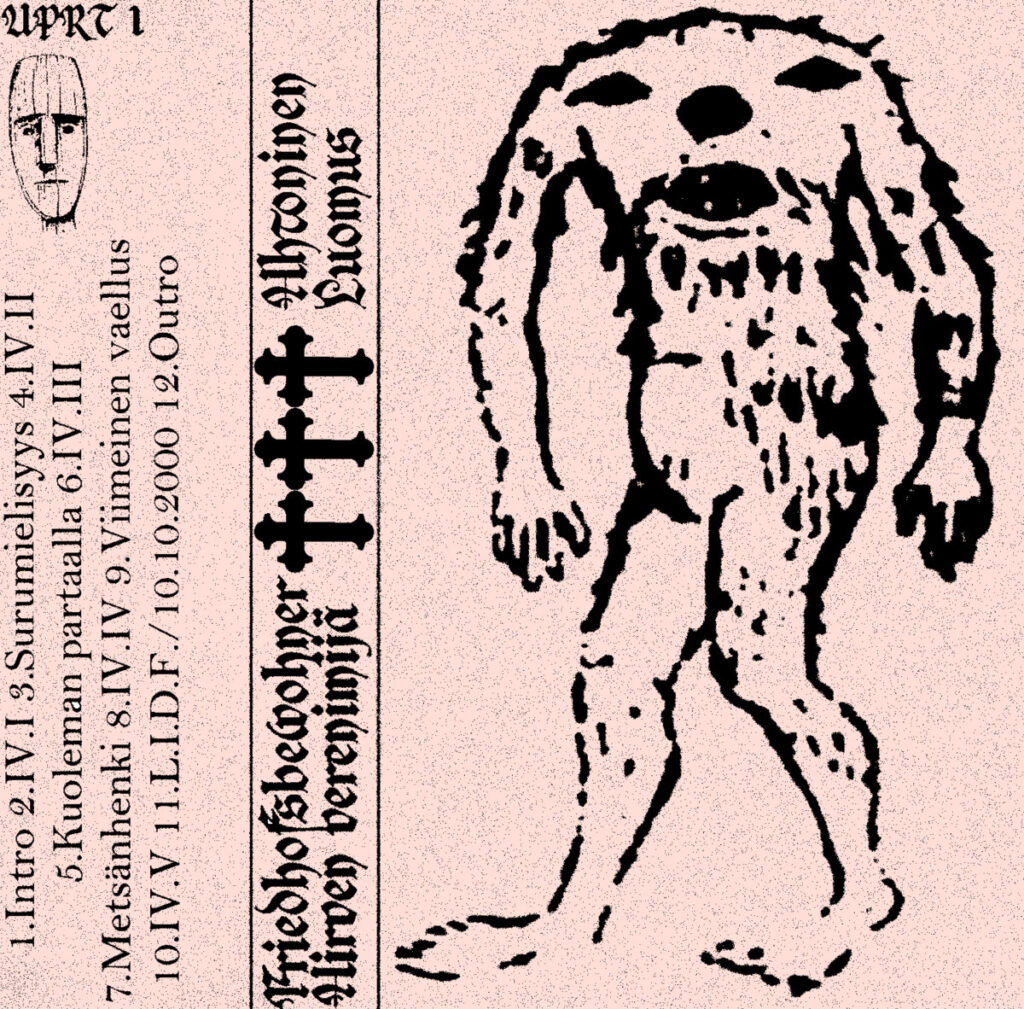
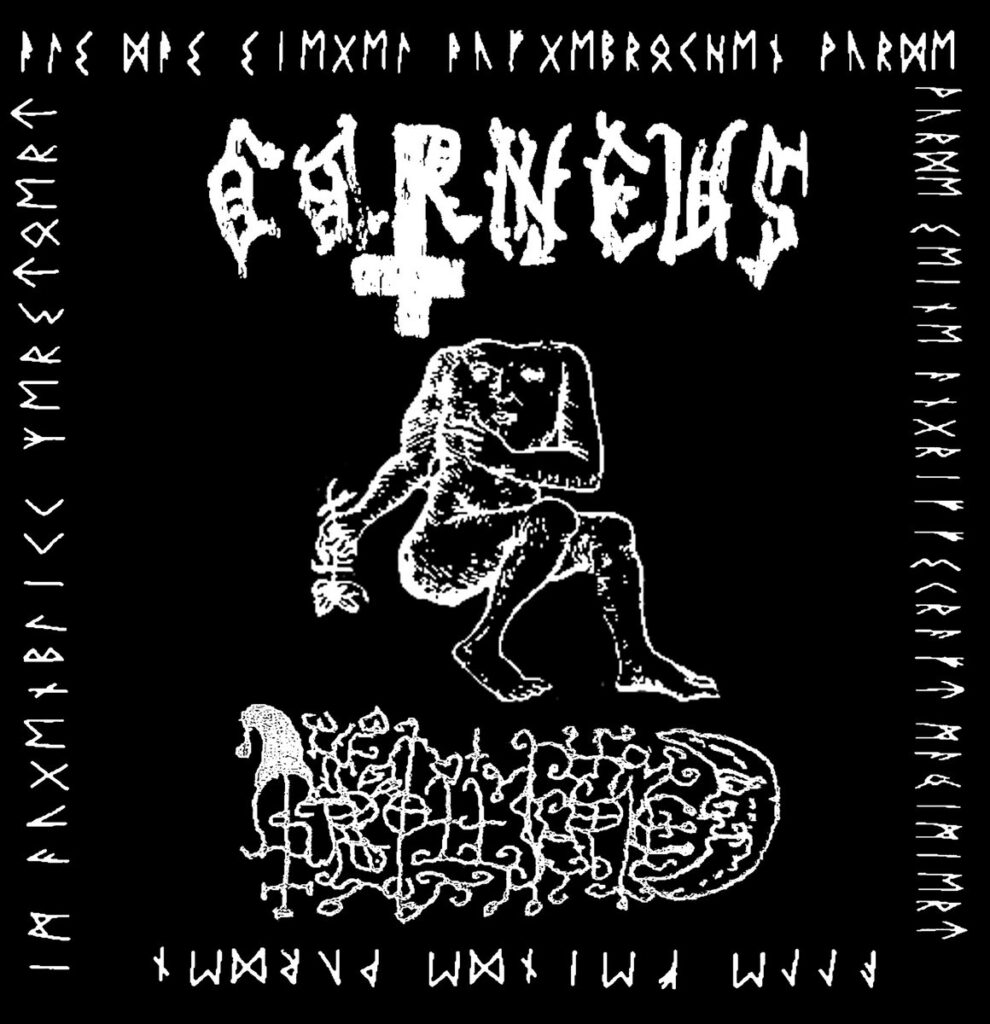
In addition to wizards, goblins and ghosts appear frequently in album art, but one of the more unusual mascots within the community is the Blemmyae (Latin: Blemmyae), a legendary race of headless men whose faces are located on their chests, a myth that originated in Greek antiquity but gained a specific focus in Medieval imagery. These creatures were often mentioned in travel literature and were believed by early writers to inhabit distant regions of Africa. Within the Keller Synth scene, the figure gained recognition after appearing on one of the earliest releases associated with the style, a split album by artists Corneus and Grollfried, and remains an unusual but memorable example of the genre’s surreal iconography.
Additional visual elements appear repeatedly across Keller Synth artwork. Amanita muscaria mushrooms, recognizable by their red caps with white spots, are common motifs, referencing both European folklore and the practice of mushroom foraging. At the same time, the broader aesthetic often alludes to harder drug culture, specifically experiments with psychedelics. Dank basements, abandoned buildings, and bleak rural landscapes appear frequently, sometimes tinted with lurid filters that give the environment an unnatural, toxic appearance. These images echo themes present in earlier experimental electronic projects by one of the scene’s founders, Andreas Bettinger, whose side project Heroin Macht Glücklich (Heroin Makes Happy) openly explored the intersection of underground music and drug culture.
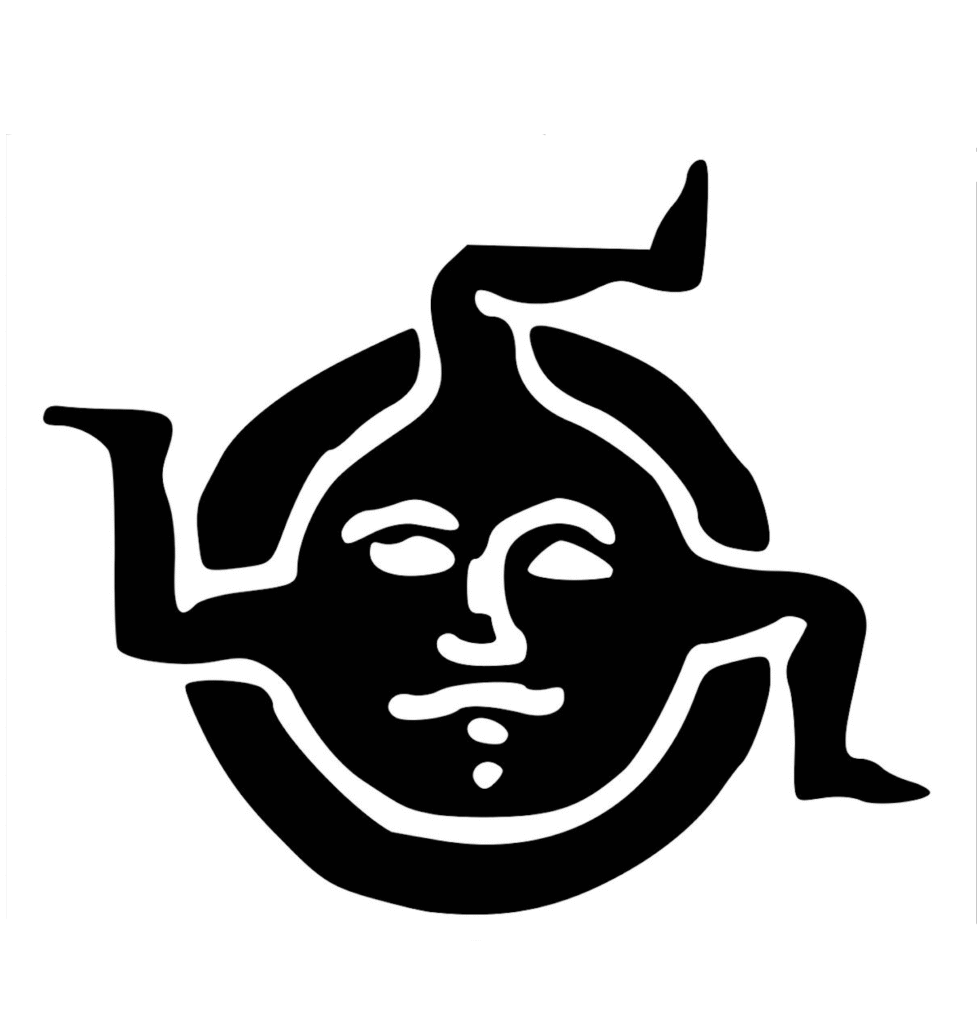
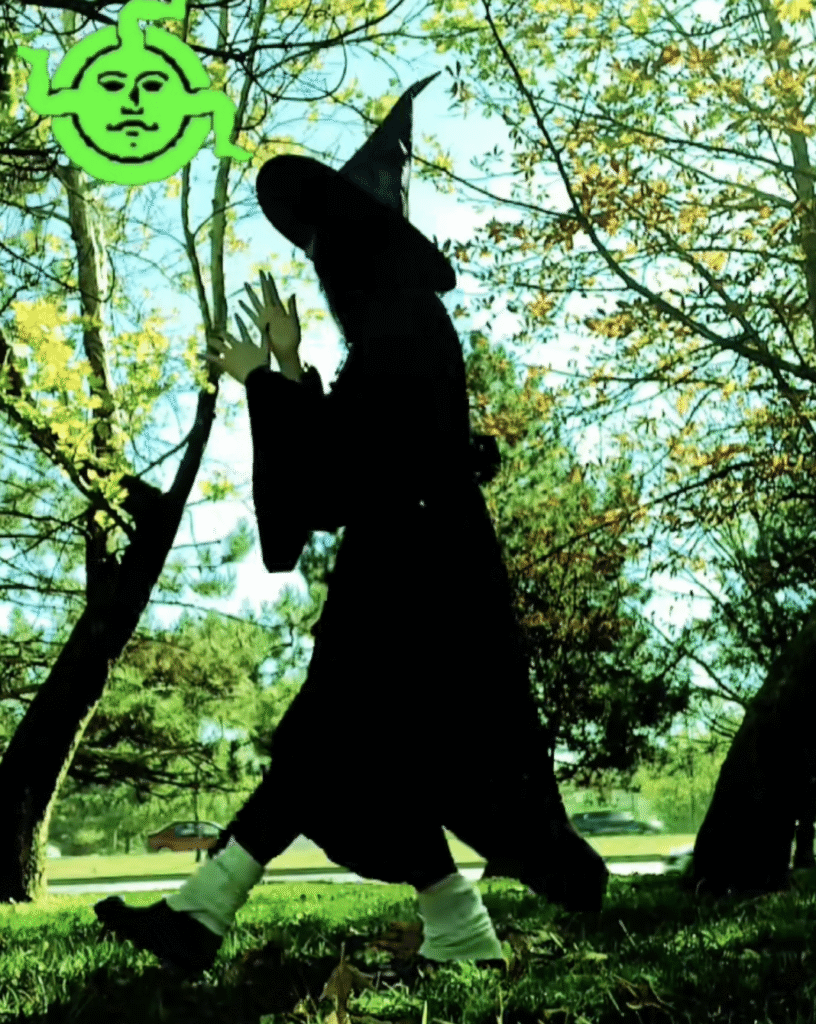
Another recurring symbol is the triskelion, a three-legged spiral motif sometimes depicted as a stylized sun face, traditionally found in ancient Welsh and Sicilian cultures. In Keller Synth imagery it often appears in bright lime green, reinforcing the genre’s distinctive color palette.
This visual meme has crossed over into video culture as well. On platforms such as TikTok, participants sometimes record themselves imitating Keller Synth imagery: prancing through forests, wearing pointed witch hats, or occasionally dressed in flecktarn, the distinctive camouflage pattern used by the German military. The Triskelion is often featured prominently in these videos as an unofficial symbol of the scene. The cohesive aesthetic of these videos helped transform Keller Synth from a niche musical experiment into a recognizable internet aesthetic during the early 2020s.
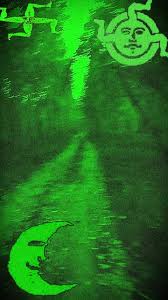
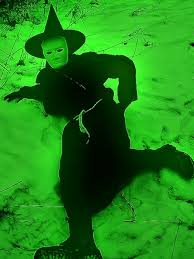
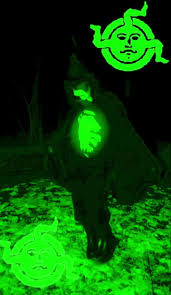
In digital spaces, the visual style extends even into text formatting. Typography across album art and playlists typically combines illegible black metal logos with crude, pixelated medieval-style fonts, emphasizing the mixture of archaic fantasy imagery and deliberately primitive digital design. Track listings, playlists, and online titles frequently incorporate Unicode symbols, ASCII art, and stylized lettering. Fraktur-style text generators, designed to imitate medieval blackletter typography. are widely used to produce elaborate decorative titles. As a result, playlist names often appear as dense clusters of symbols and stylized fonts, such as a Spotify playlist by one of the scene’s founders, titled “𖤐⛈𓉢𝔗𝑎̈𝑛𝑧𝑒𝑙𝑐𝑜𝑟𝑒𓉢⛈𖤐🂠.”
The intended audience for this music is difficult to define in conventional genre terms. The imagery and tone of the scene often suggest a hybrid cultural archetype, something like a metalhead, medieval jester, wizard, and trickster goblin combined into a single persona. This playful attitude is reflected not only in the artwork but also in the performance style and online behavior of its participants.

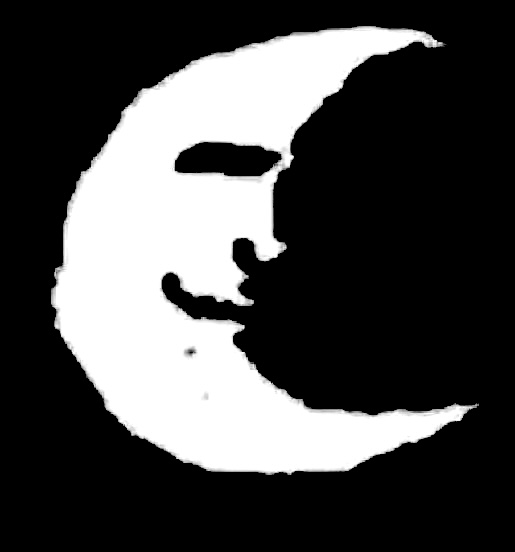
Across both Keller Synth and Tänzelcore, the visual presentation remains central. The aesthetic is sometimes jokingly described within the community as “shitty medievalism.” The most recognizable palette combines neon green or bright purple with deep black backgrounds, creating visuals that resemble “deep-fried” early computer graphics or heavily compressed bitmap images.
For many years the style remained extremely niche. Releases circulated primarily through underground music platforms such as Bandcamp, while discussion and cataloging took place on sites like RateYourMusic. The broader internet only began to notice the aesthetic in the early 2020s. During this period, short clips featuring Keller Synth tracks, often paired with looping images of dancing wizards or distorted medieval illustrations, began circulating widely on TikTok.
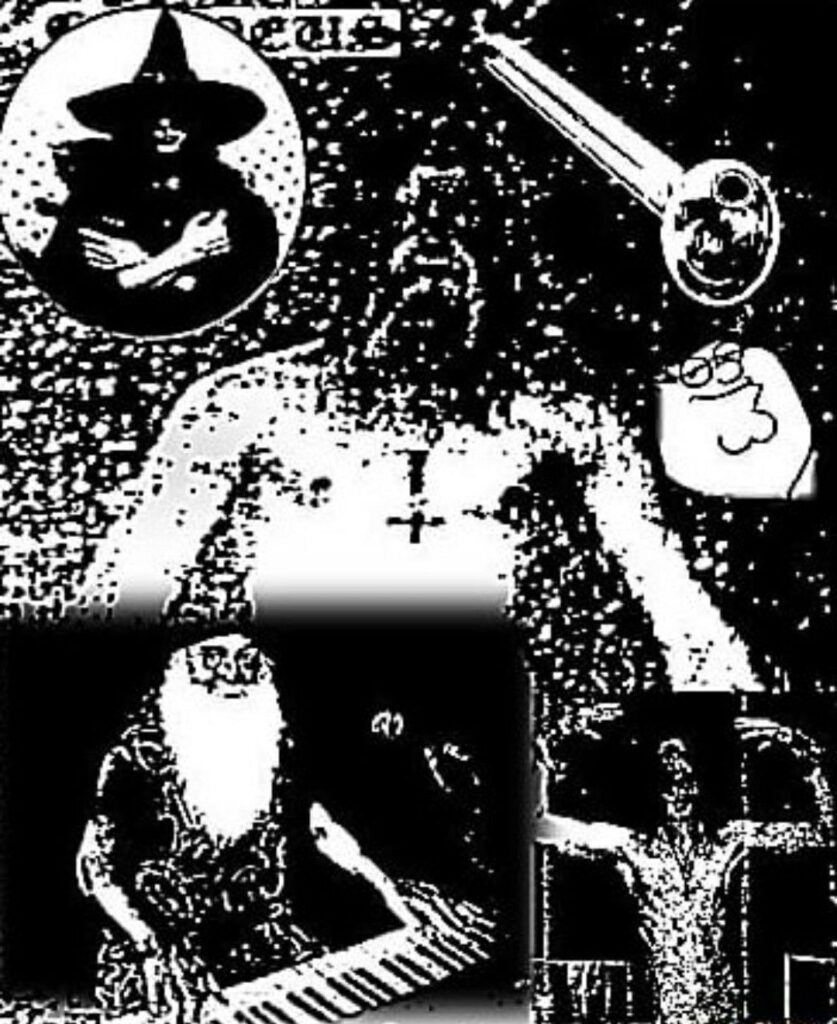
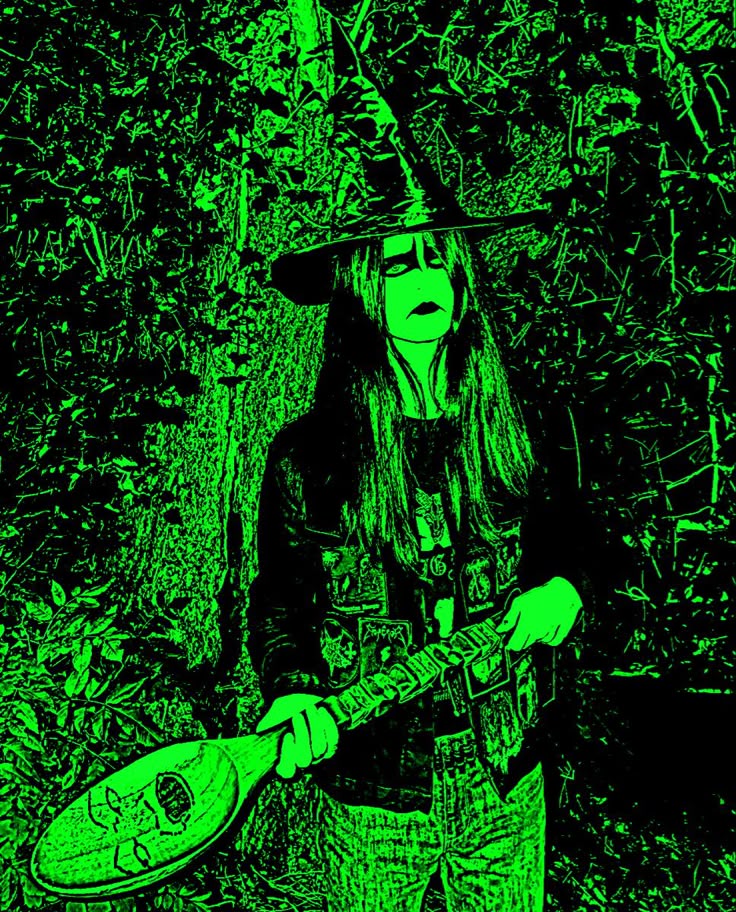
The striking visual language made the genre particularly compatible with meme culture. Users began creating their own short videos imitating the imagery: prancing through forests in wizard hats, editing medieval woodcuts to appear as if they were dancing, or applying heavy green filters to obscure fantasy illustrations. Some observers compared the aesthetic to that of other internet artists such as Yabujin, whose visual presentation also blends religious and European-style imagery with distorted digital graphics. Naturally, the fanbases of both groups often overlap.
As the videos spread, the genre experienced an influx of new participants. A wave of younger producers began creating projects that adopted the Keller Synth visual language while pushing the music further toward distorted electronic dance music. Acts such as the aforementioned artists Tenebris and Hexenmeister emerged from this environment, expanding the scene while continuing its mixture of medieval fantasy imagery, black metal parody, and aggressive rave music.
As Keller Synth and Tänzelcore spread beyond their small underground circles, they have also attracted criticism. Some listeners within the established dungeon synth community argue that the genre dilutes a style that took decades to develop. Others object to the scene’s casual approach to symbolism, its use of provocative imagery for shock value, and what critics interpret as a dubious endorsement or celebration, ironic or otherwise, of heavy drug use within its aesthetic.
The discourse intensified as Tänzelcore began gaining wider recognition in early to mid-2023. Much of the criticism has focused not only on the music but also on the behavior of its fanbase. Online discussions often portray segments of the community as irreverent or politically confrontational, contributing to ongoing disputes across forums and social media platforms. At the same time, many metal listeners reject the classification of the genre as metal altogether. Although some fans of Keller Synth continue to describe the music in metal terms due to its aesthetic ties to black metal, detractors argue that the sound is fundamentally electronic and therefore falls outside the boundaries of the genre.
The style is frequently dismissed by some musicians within traditional dungeon synth and black metal circles as an unserious offshoot lacking the atmosphere and compositional depth associated with earlier releases. Critics often argue that Keller Synth relies too heavily on novelty such as aggressive dance beats, crude synthesizer melodies, and intentionally degraded production, rather than careful songwriting.
The influx of younger audiences from platforms such as TikTok and from adjacent online music scenes, including SoundCloud rap communities, has intensified these tensions. To some long-time participants in the underground, the genre appears designed primarily for internet trend cycles rather than sustained musical exploration. This generational conflict is visible in online arguments surrounding the genre. In one Reddit discussion, a commenter using the name fangriever wrote: “You legit didn’t even know BM was a thing up until 2021 I bet. Everything you know and find is off of TikTok. You changed your whole personality based on a genre of music you knew for a couple months, you’re quite the definition of a sheep.”
Another user, taiilirra, emphasized the historical continuity of the scene: “And that’s the exact problem: This scene isn’t just about the music, but it’s also in relation to a culture that has been established for like three decades. Newbies think they can just come in and rewrite the books, but nah guys. Not going to happen, no matter how much you spam buzzwords such as gatekeeper and elitist.” Others in the same thread responded by questioning the seriousness of these arguments altogether. One commenter, direct-eff7709, replied bluntly: “What the fuck is this a religion? Jesus Christ you people need help; it’s music. Go outside.”
Supporters of Keller Synth and Tänzelcore accuse people in the communities criticizing them of elitism offer and a different interpretation of the genre’s purpose. Many artists argue that the music was never intended to function as a strict subgenre of black metal. Instead, they frame it as an electronic fusion in which black metal aesthetics serve primarily as one ingredient among many. From this perspective, the genre’s most important musical influences come not from metal but from rave music traditions such as hardcore techno, gabber, and acid house.
This lineage is evident in the work of several central figures within the scene. Sigfrid, for example, has experimented with multiple side projects that explicitly incorporate dance music styles. Under the alias Carlos Esmeralda Jalapeño, he has explored the fast melodic patterns associated with Spanish mákina, a style of high-tempo electronic dance music that emerged in Spain during the 1990s. These influences reinforce the idea that Tänzelcore’s rhythmic structure is closer to rave culture than to conventional metal composition.
So what does the future of the scene look like? Recently, yet another offshoot of dungeon synth has begun to emerge. Like Tänzelcore, it draws heavily on fantasy imagery and dance-oriented rhythms, but it abandons the deliberately lo-fi and degraded production associated with Keller Synth in favor of a clearer, more polished, and openly danceable sound. The style, referred to as Disco Dungeon Synth, has been largely pioneered in the recent work of the Moscow-based artist Metsogen, and it is quickly carving out its own niche within the broader dungeon synth ecosystem. What metal influences there are more closely resemble that of classic heavy and power metal while Metsogen’s track Freedom of Purity is a take on Alice Deejay’s 90s Eurodance hit Better off Alone.
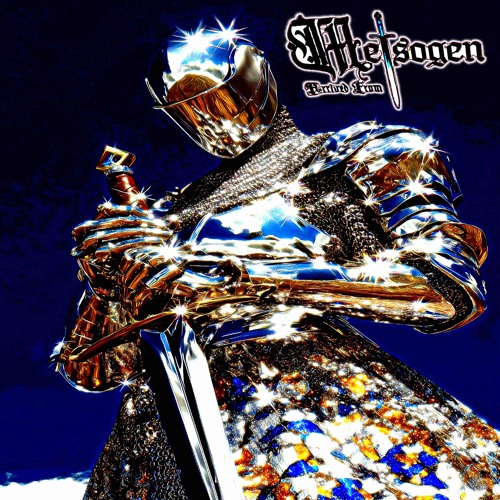
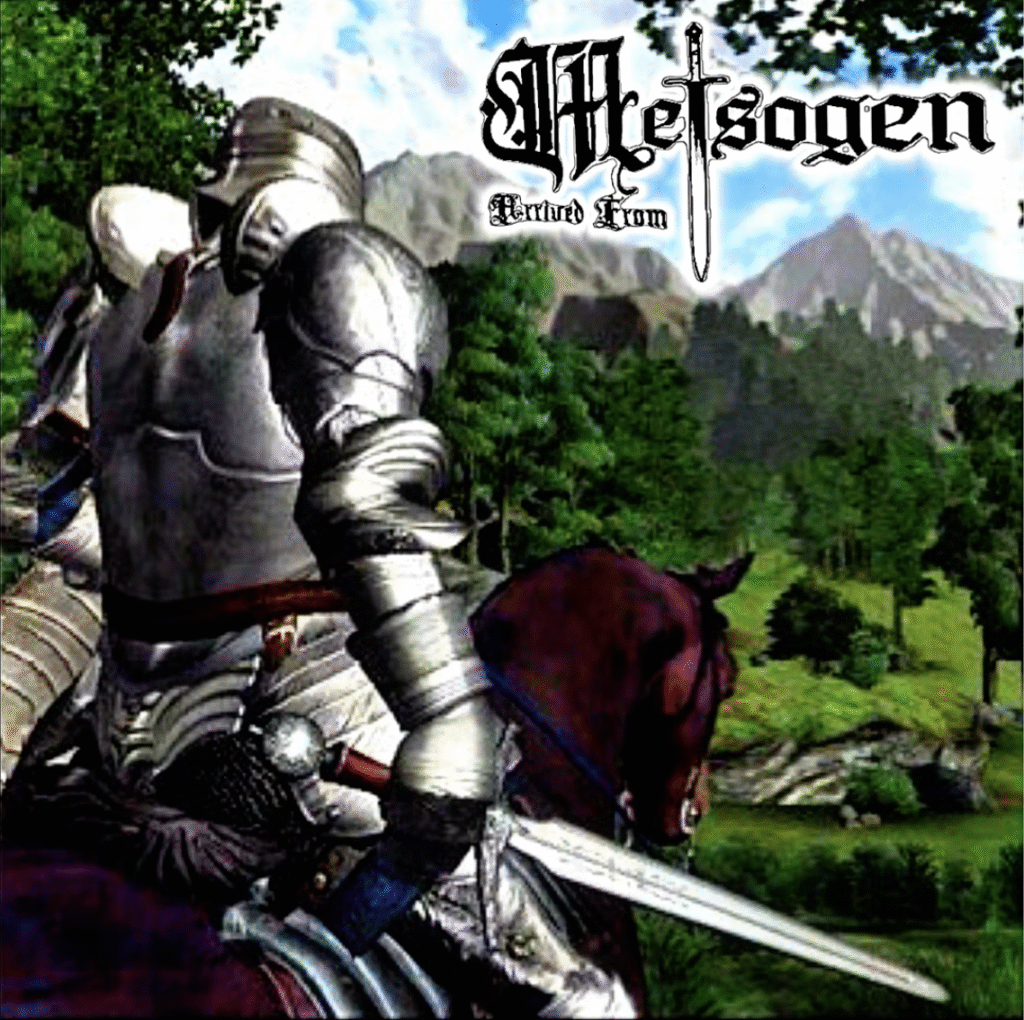
Whether Disco Dungeon Synth represents a reaction against the dark, murky aesthetics of Keller Synth or simply a complementary evolution remains unclear. Its visual identity moves in the opposite direction: brighter, glossier, and more sharply defined. Artwork frequently features gleaming suits of knightly armor, radiant lens flares, and heroic fantasy imagery. The look recalls the airbrushed commercial illustration styles of the 1980s, combined with motifs drawn from Arthurian legend and classic high-fantasy imagery.
For many participants, the ethos of the genre revolves less around provocation than around playfulness. The exaggerated imagery of dancing wizards, goblins, and medieval tricksters reflects a broader attempt to inject humor and absurdity into scenes that historically cultivated extreme seriousness. The resulting tone, part parody, part celebration, has attracted listeners who enjoy the mixture of dark aesthetics with a deliberately mischievous sense of fun.
Keller Synth and Tänzelcore occupy an unusual position within contemporary underground music. Part electronic dance genre, part black metal parody, and part internet meme culture, the scene continues to evolve through a decentralized network of artists and listeners scattered across the world. Whether regarded as an irreverent joke, a legitimate musical mutation, or something in between, the movement reflects the strange ways in which internet culture continues to reshape even the most insular corners of underground music.
Despite the controversies surrounding the genre, many participants in the scene are less concerned with defending the genre than with pure expression. For artists, the goal is to weave visions of strange alternate worlds through distorted sounds and fantasy imagery; for listeners, it is simply to step inside those worlds and get lost for a while, and just dance. In that sense, the endless arguments about genre boundaries or authenticity may ultimately miss the point. Another line from the description for the album Khtoninen Luomus also offers one more piece of wisdom, possibly enough to settle the matter: “Now, enough words, my followers. In our crappy age, it’s enough to just press a button to listen to something, so hurry up and do it.”