
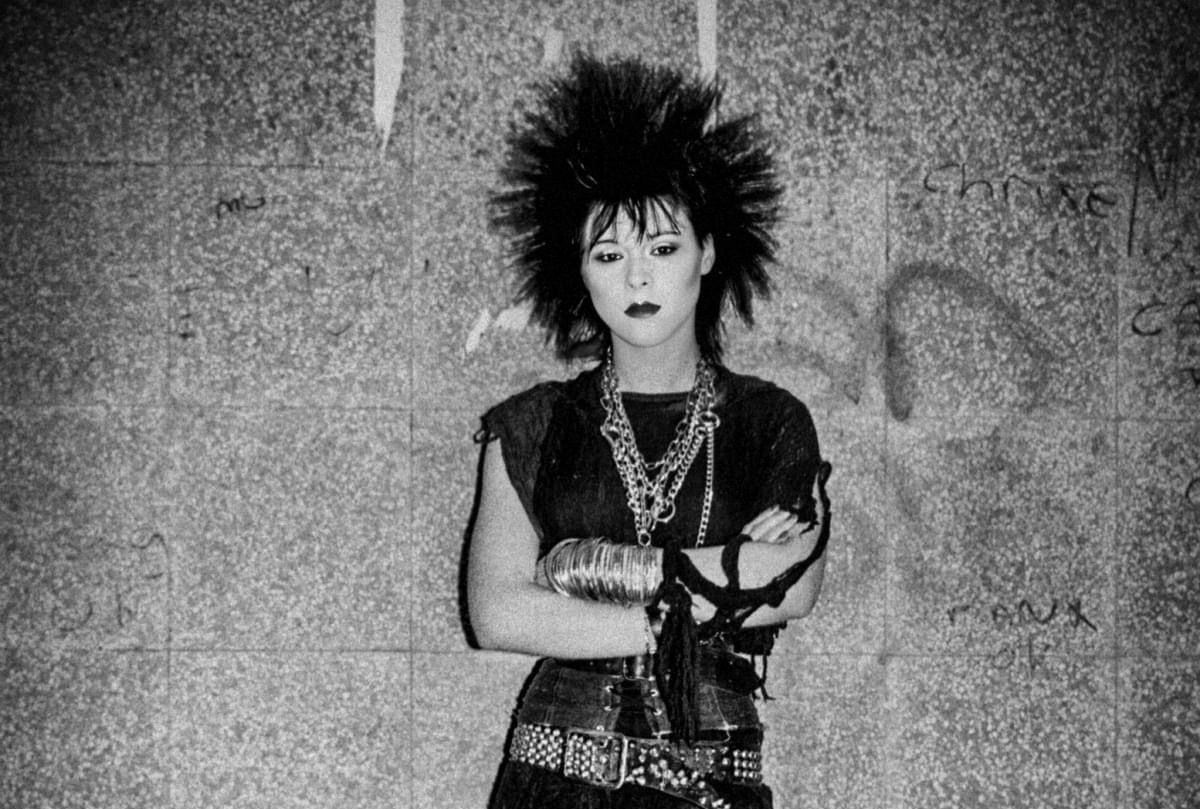
Between 1979 and 1989, photographer Christopher John Ball documented the people of Blackburn, the Lancashire industrial town that shaped his early life and artistic eye, during a period of deep social and economic change.
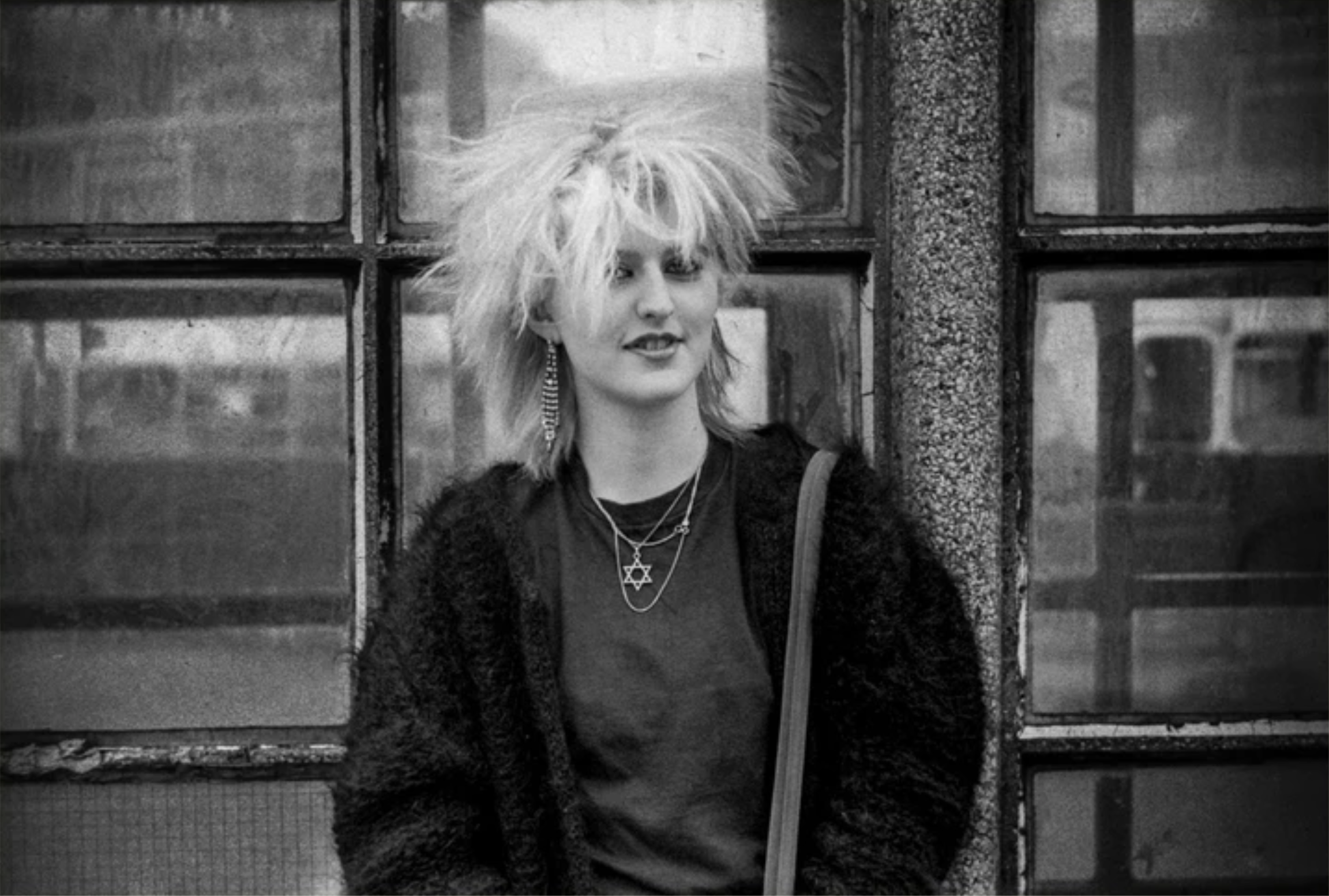
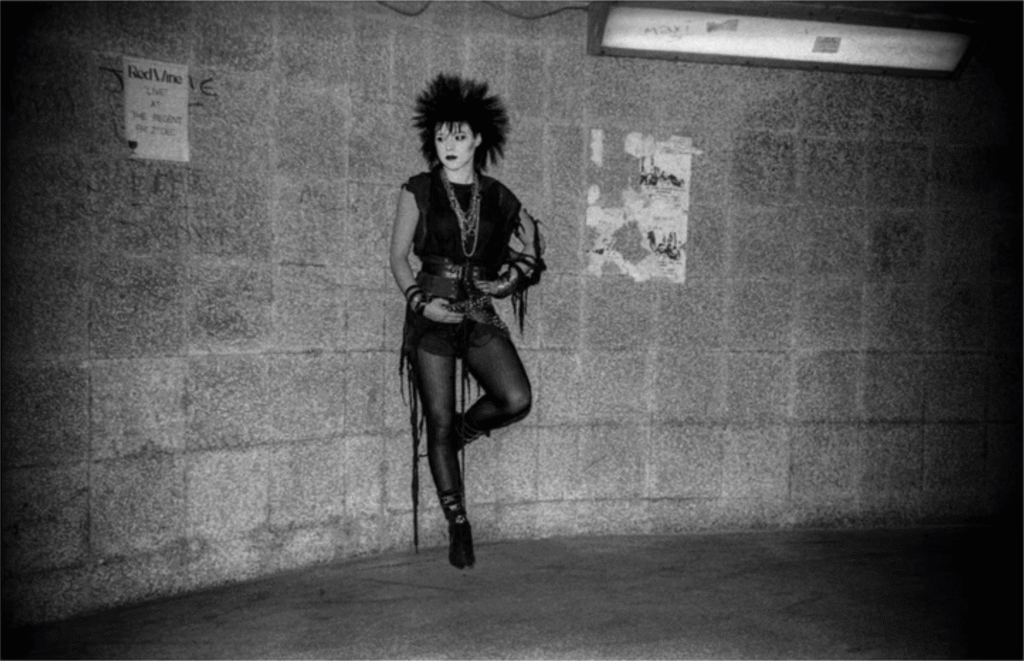
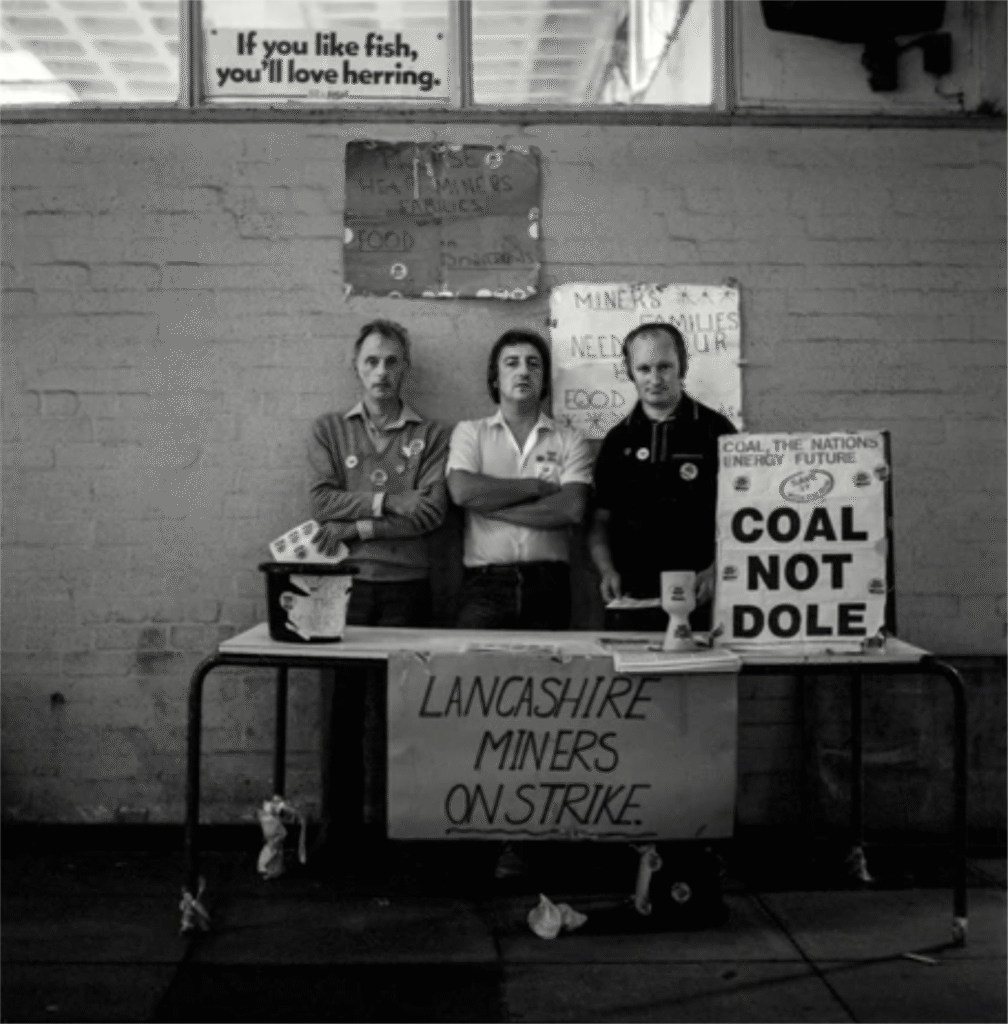
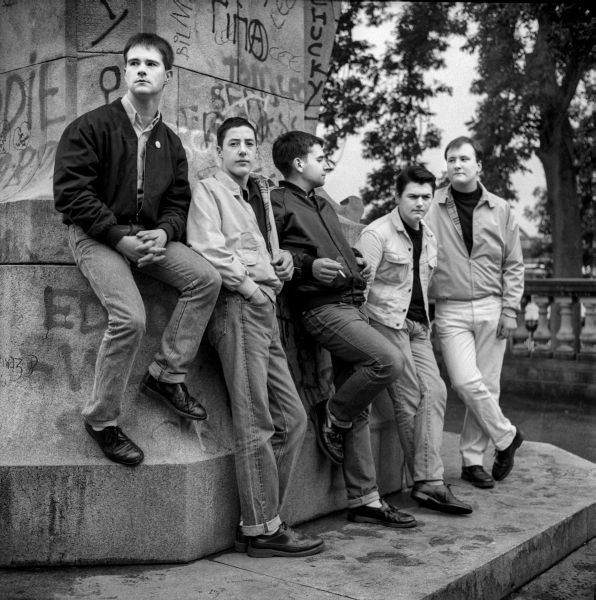
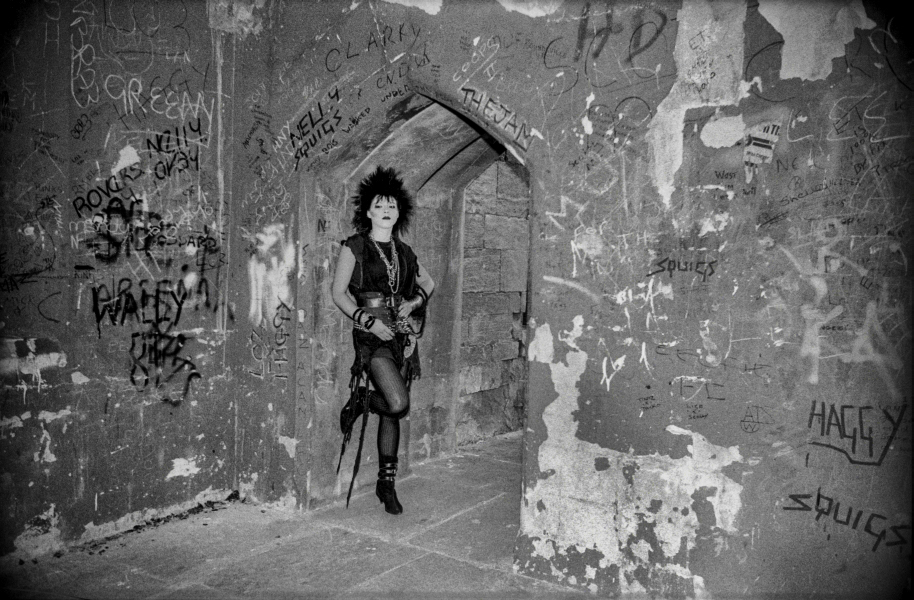
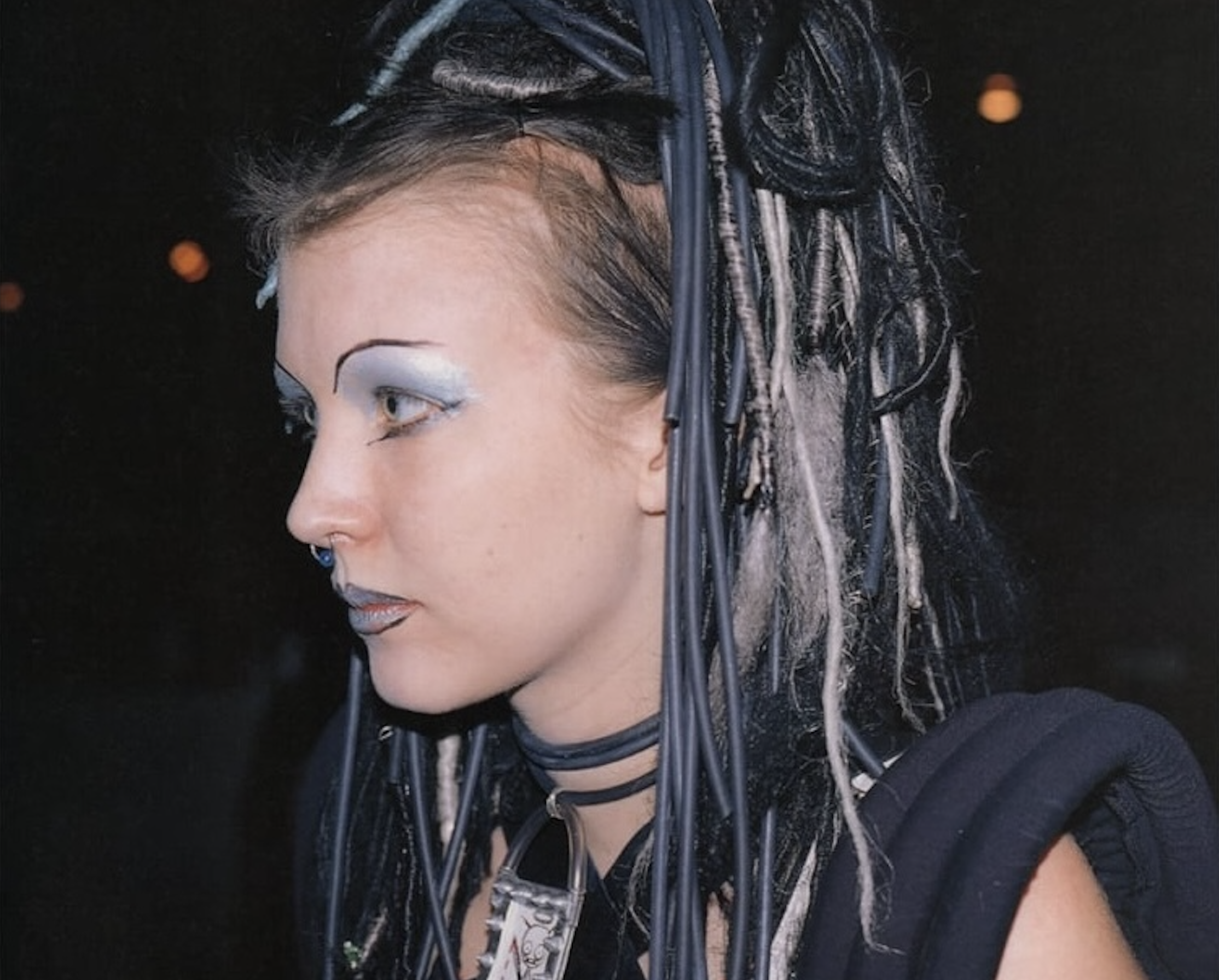
In his series, Blackburn: A Town and Its People, Ball captured the town’s working-class industrial heritage and the everyday lives of its residents, with a particular focus on the local subcultures that emerged amid decline: punks, goths, new romantics, and others carving out identities in the long shadow of deindustrialisation.
The years Ball spent documenting his town coincide with the collapse of Britain’s traditional manufacturing base, when towns like Blackburn, once woven tightly into key global industries, were grappling with closures, rising unemployment, and the erosion of communal certainties.
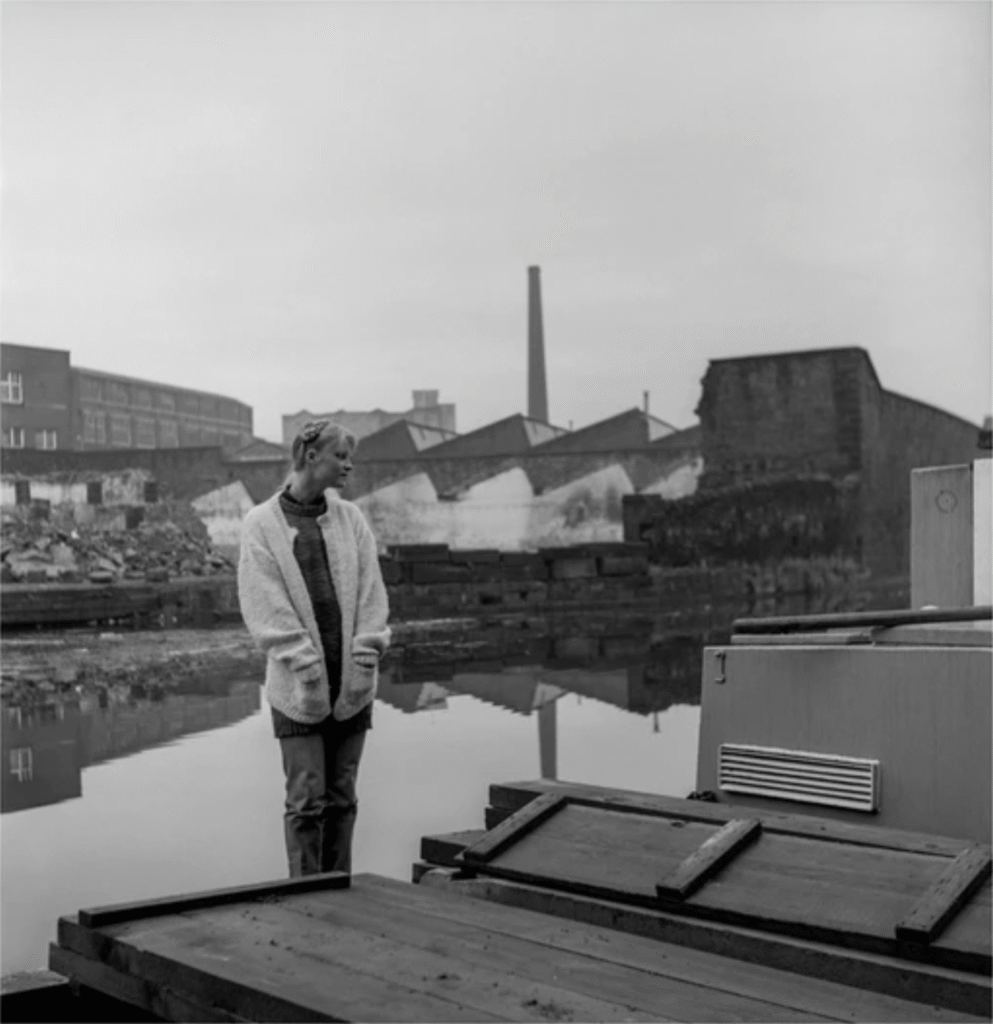
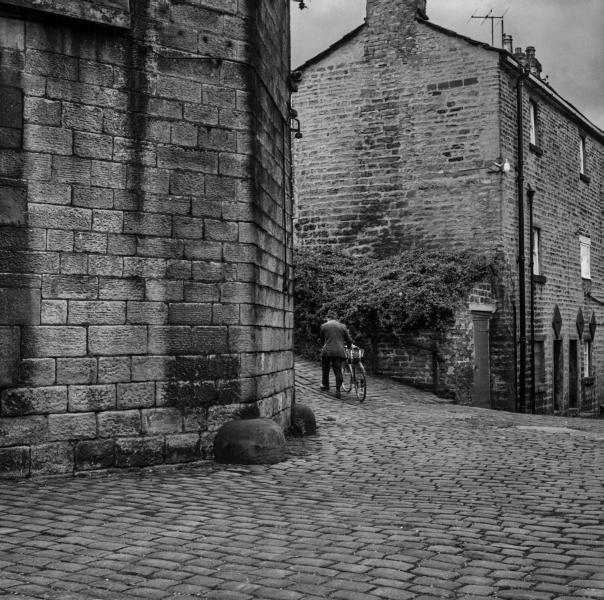
By the late 1970s, many of the factories and mines that had defined Blackburn’s skyline and social rhythms for over a century were silent or in their final years. What replaced them was not prosperity, but a long, uneven transition marked by boarded-up high streets, youth unemployment, and a pervasive sense that the future was elsewhere.
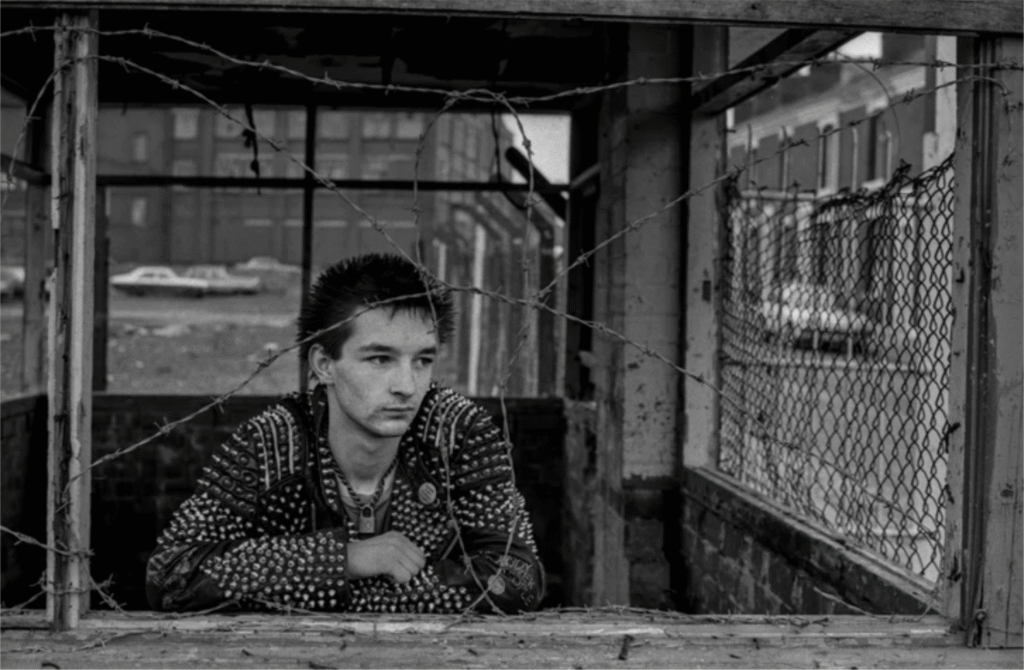
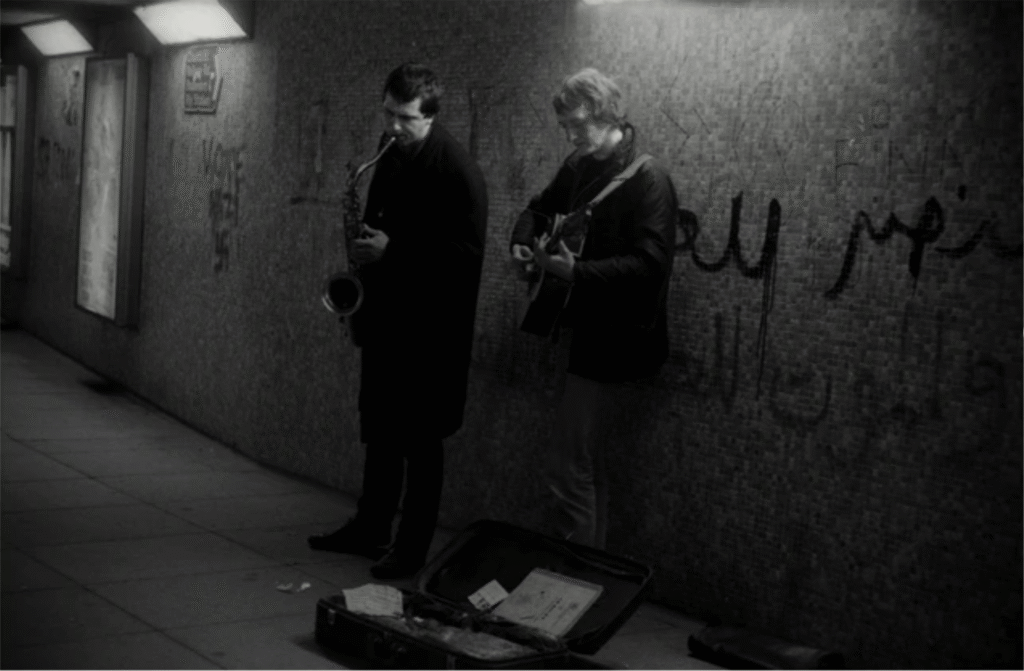
Rather than photographing these changes sentimentally, Ball kept his lens trained on people as they were. It’s particularly interesting how even in this town, style became a form of agency for the local youth.
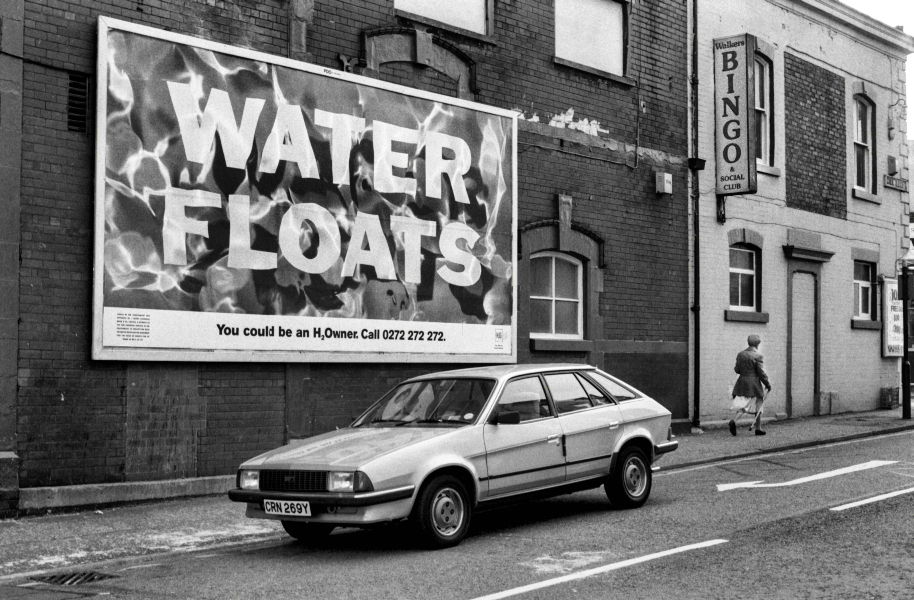
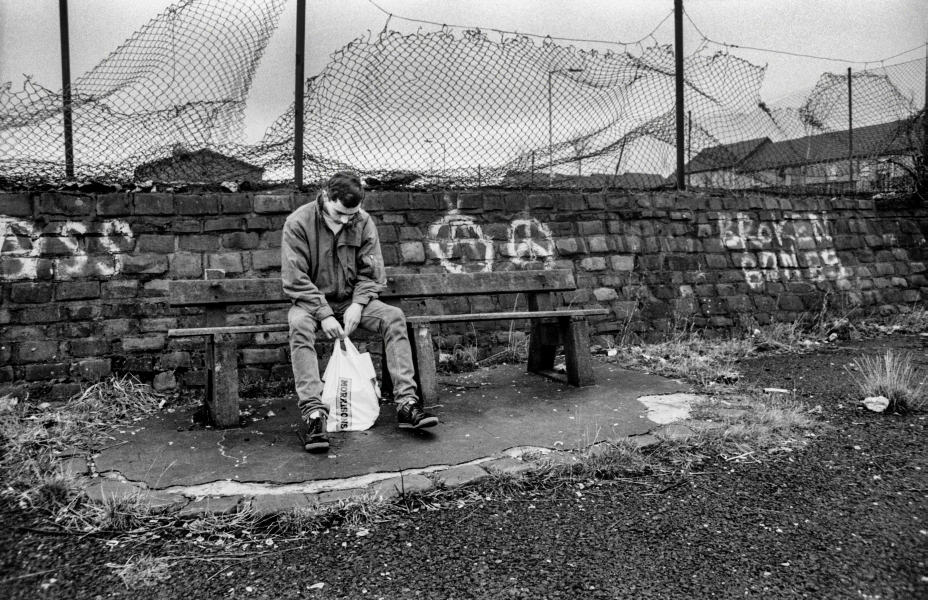
It seems like all of the subjects in these photos that belonged to a particular subculture had their own links to nation’s larger cultural currents, finding inspiration from what was happening in bigger cities and re-deploying that energy in the North’s post-industrial streets.
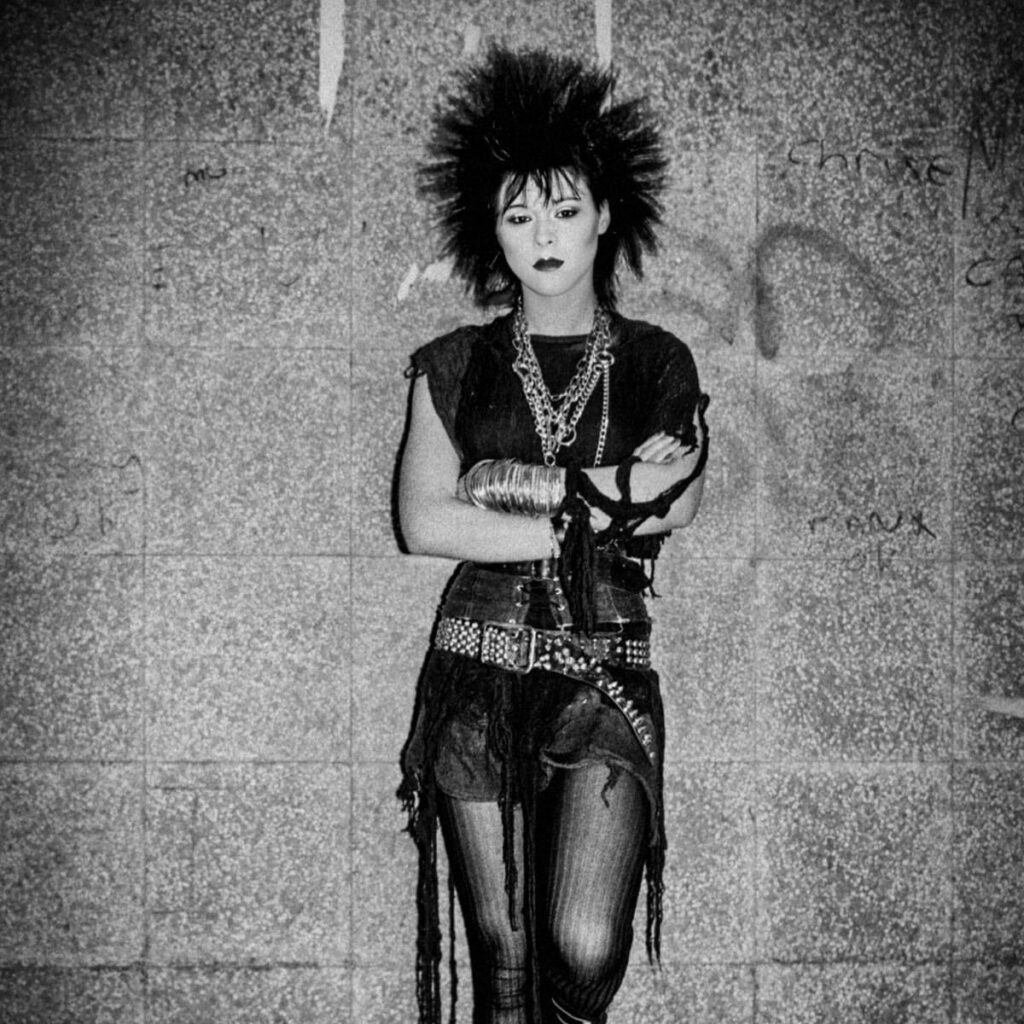
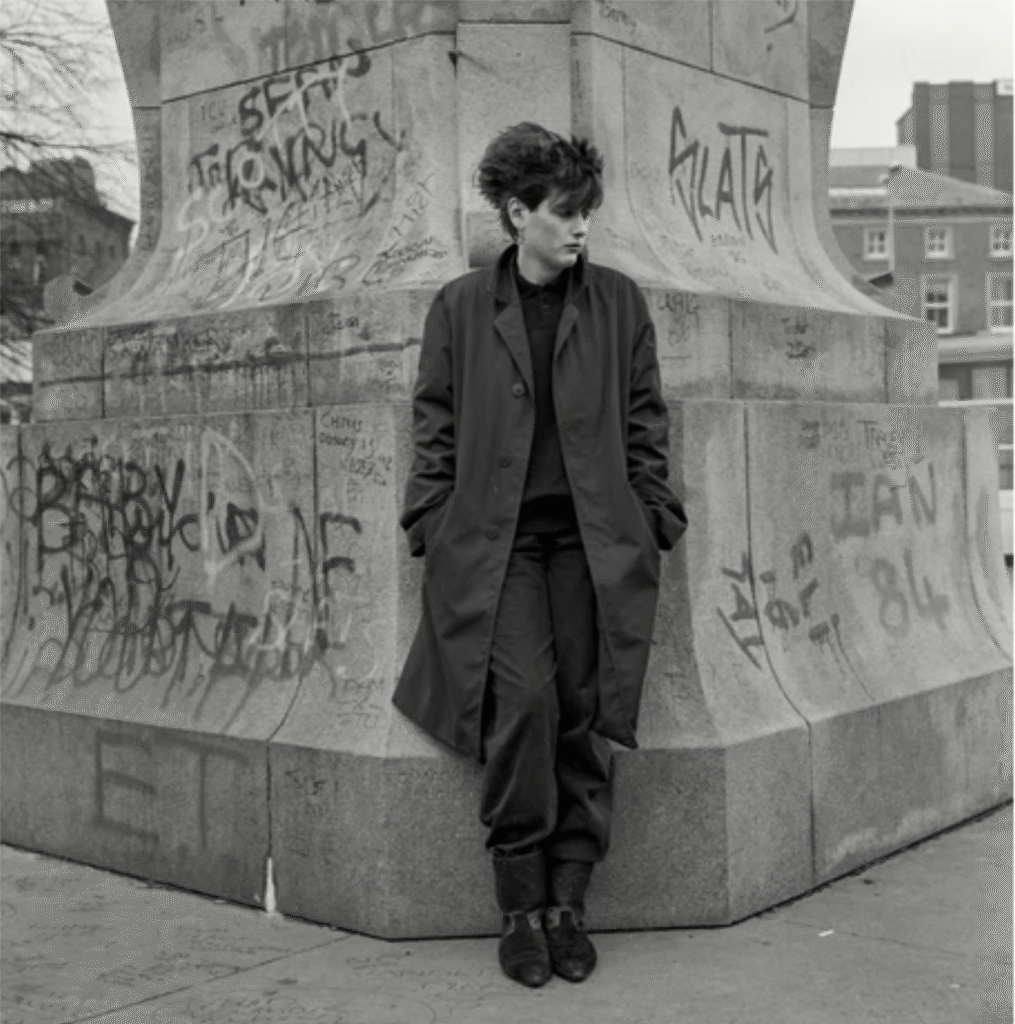
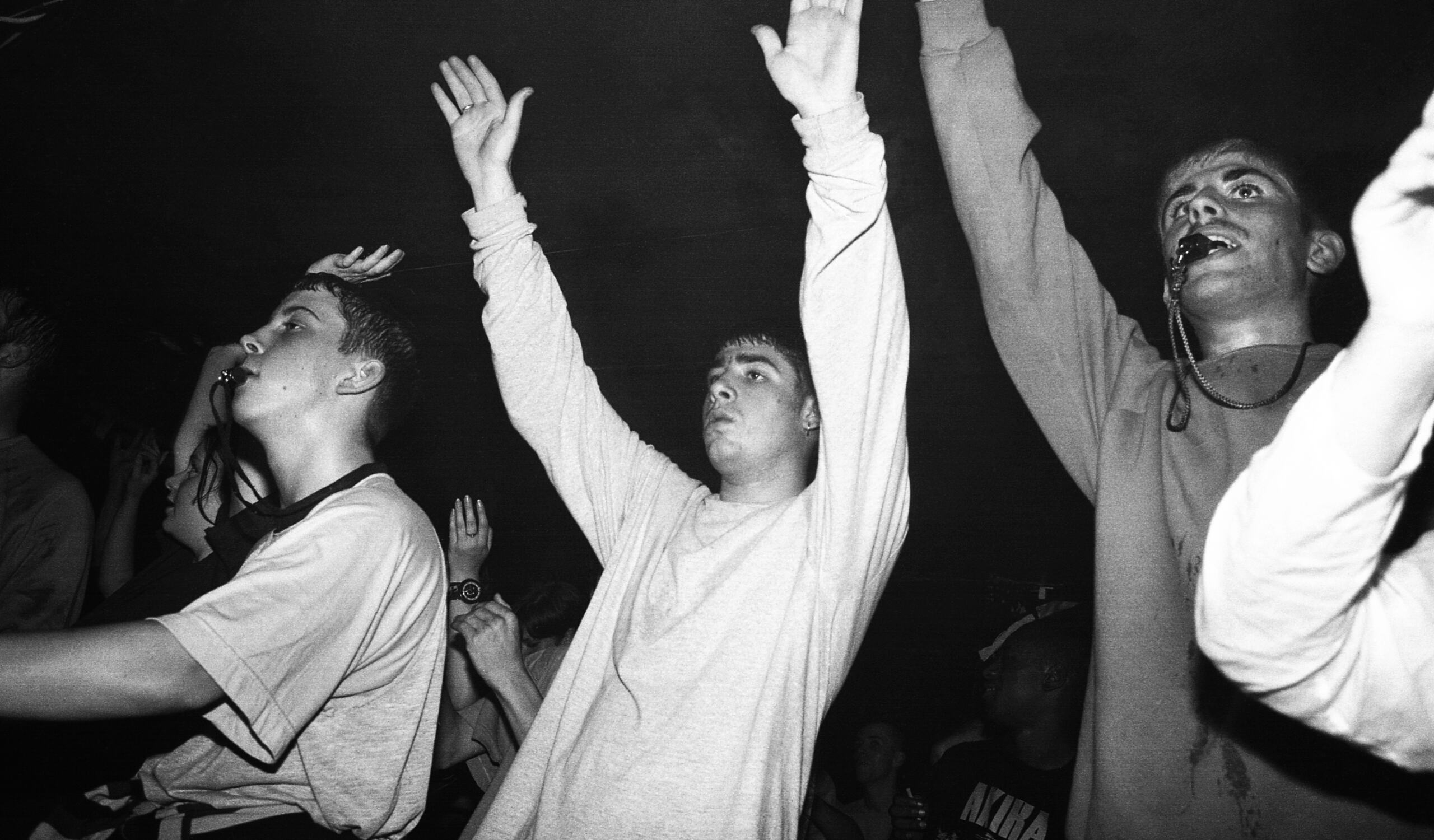
While Ball most certainly didn’t set out to specifically document the subcultures of his area, his most profound shots are nevertheless of the various youth undercurrents of Blackburn. The clothing, hairstyles, and makeup unmistakably root the photographs in their era, making them invaluable visual records of regional youth culture in the early 1980s.
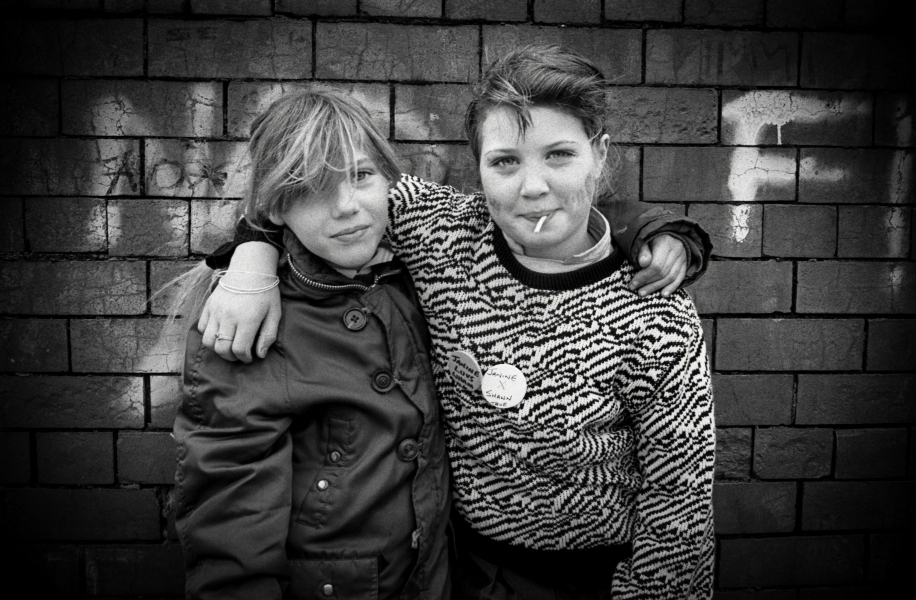
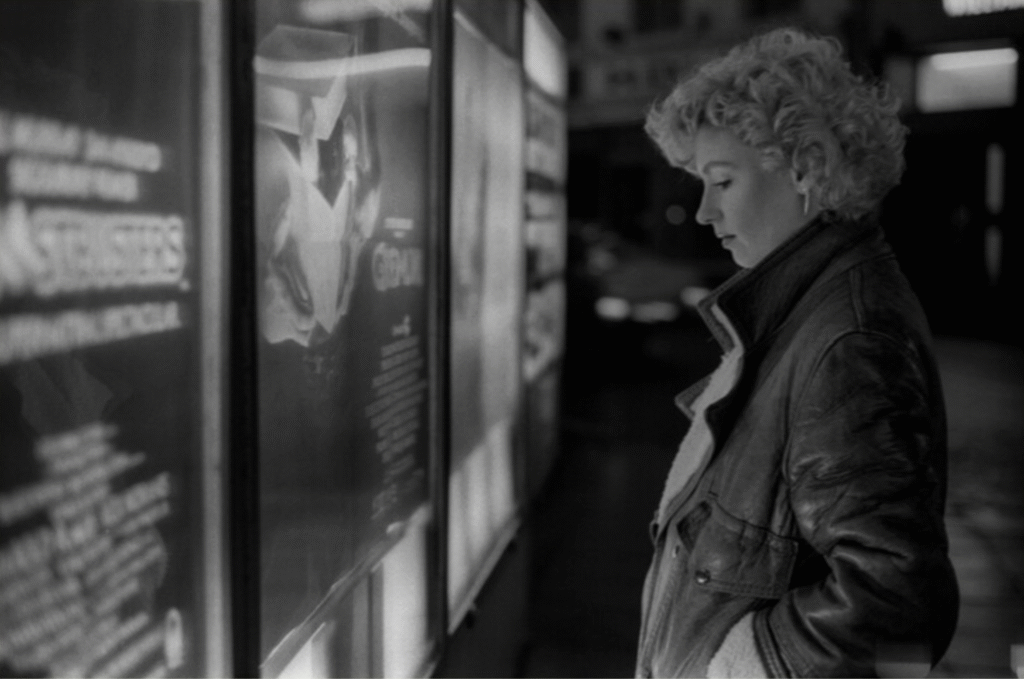
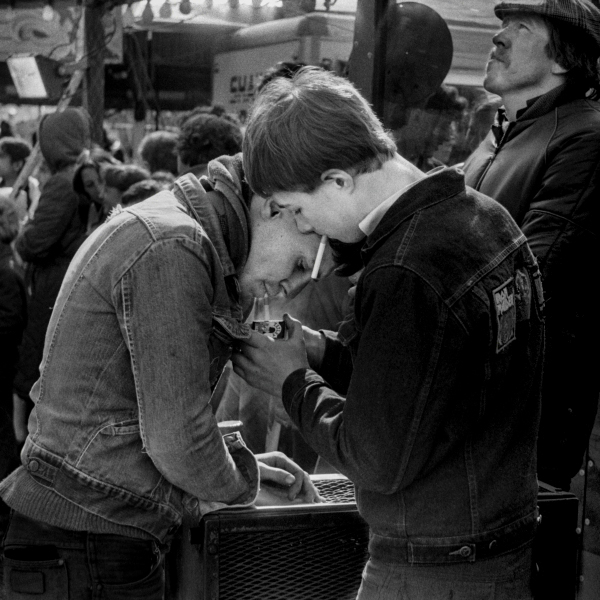
Beyond subcultures, these photos also capture quieter social rituals that reveal how community persisted even as uncertainty loomed, and they underscore an important truth: while industry declined, social life did not simply disappear.
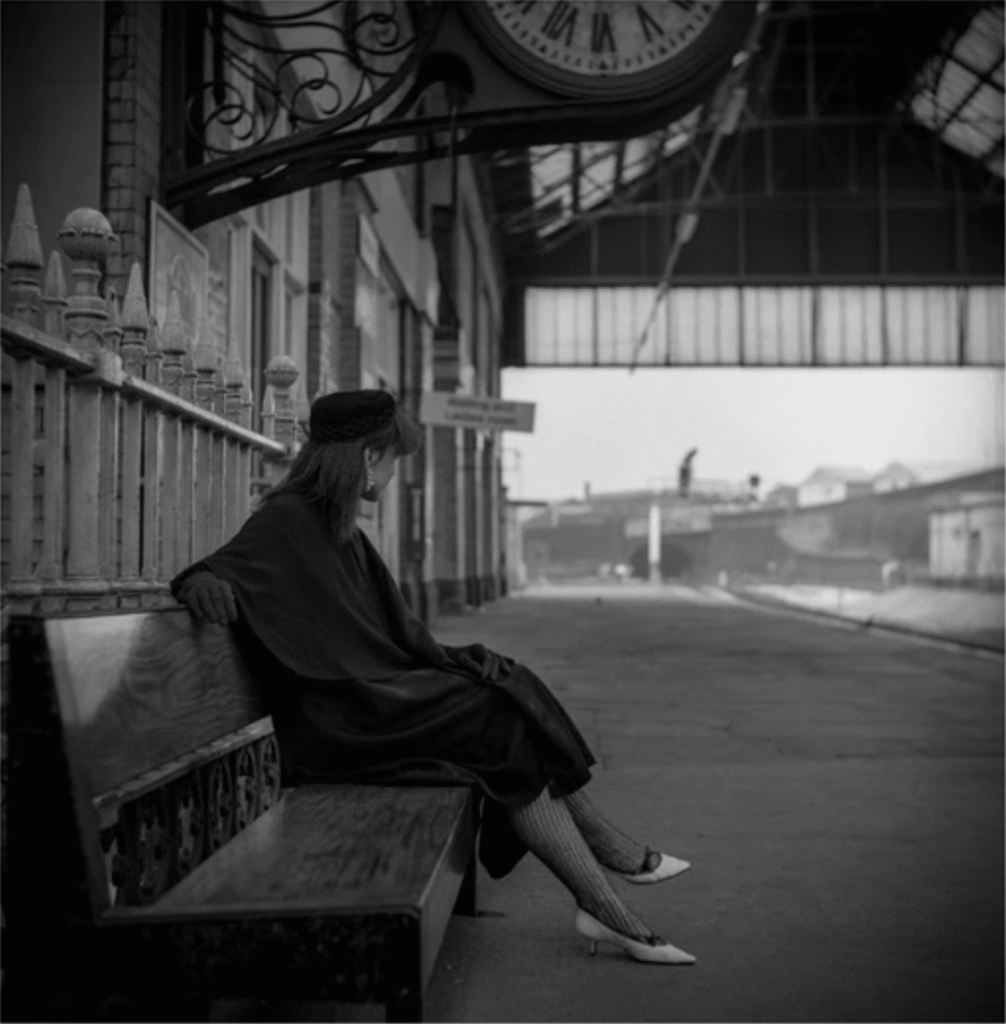
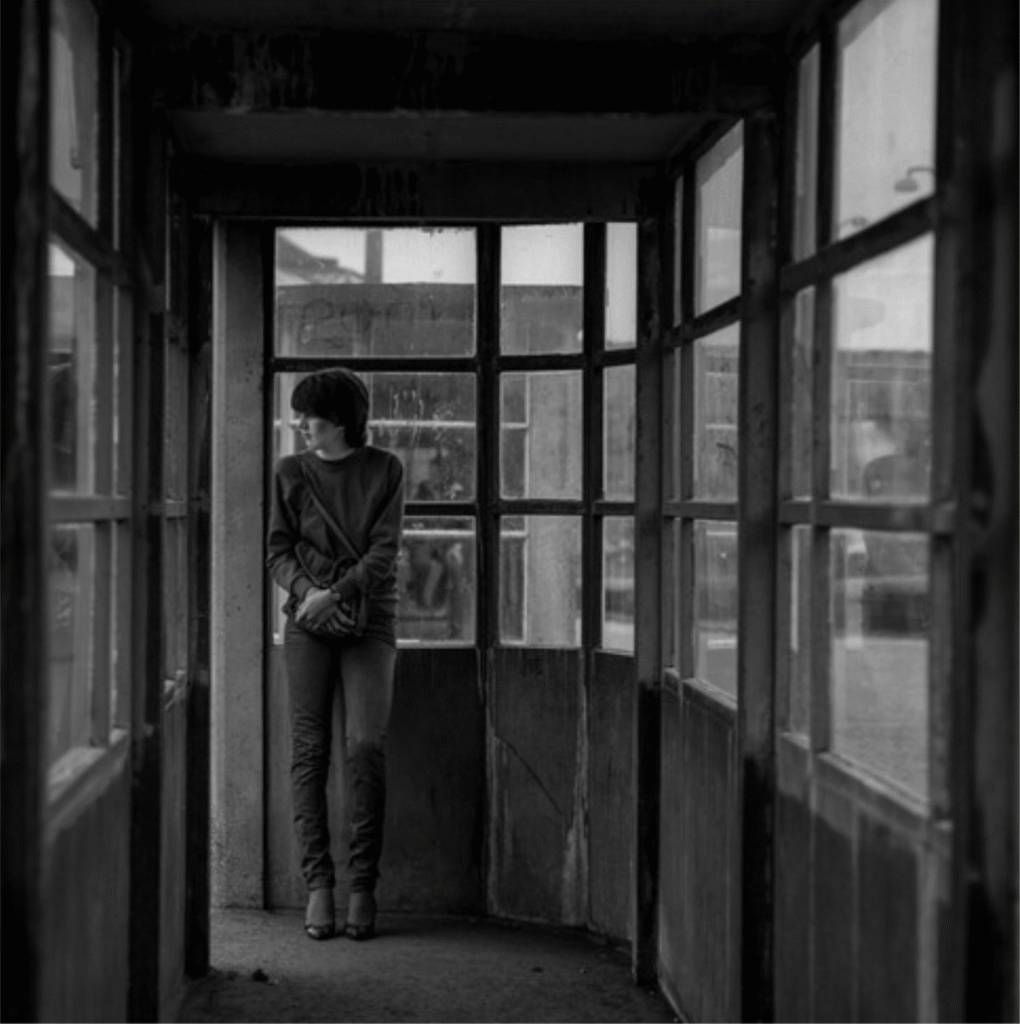
Christopher John Ball’s photography may have faded into obscurity had he himself not made the effort to keep a presence on the internet, and these are certainly portraits worth preserving. In total, Ball created a total of some 900 shots of Blackburn and its people, which he has recently finished restoring and digitising, with the intent of eventually donating it to the town for safekeeping.
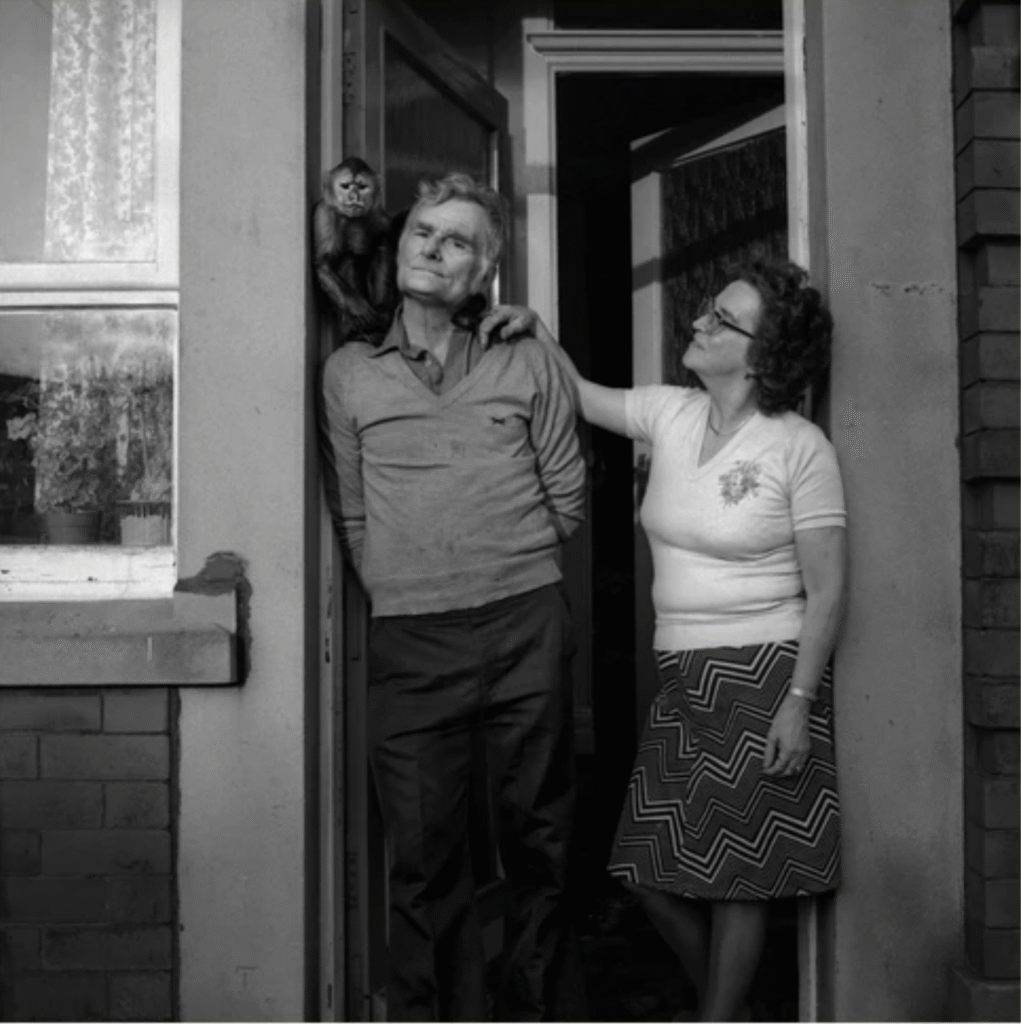
A partial collection of the photos, previously displayed as a part of an exhibition in 1985, can be purchased as a book and individual photos (including his more recent work) can be purchased in the form of prints and other products through his store.

Many thanks indeed for covering my photography of Blackburn in the 80’s. I really enjoyed what you had to say within the article. The work has been exhibited at Blackburn Museum a few times over the years, with many prints held in the Museums collection. Though I left Blackburn in the late 80’s to study, I still carry the town within me. As an update, I did finish digitising and archiving the images and a book was published a couple of years ago. A follow up was published on my blog here https://christopherjohnball.wordpress.com/2025/06/05/blackburn-a-town-and-its-people-a-photographic-essay-by-christopher-john-ball/ Links to its availability are included within said blog
Wow, what an honor! It was a pleasure discovering your work. As a photographer myself, your work has given me a good amount of inspiration to go out and try to document my own community with the same persistence.