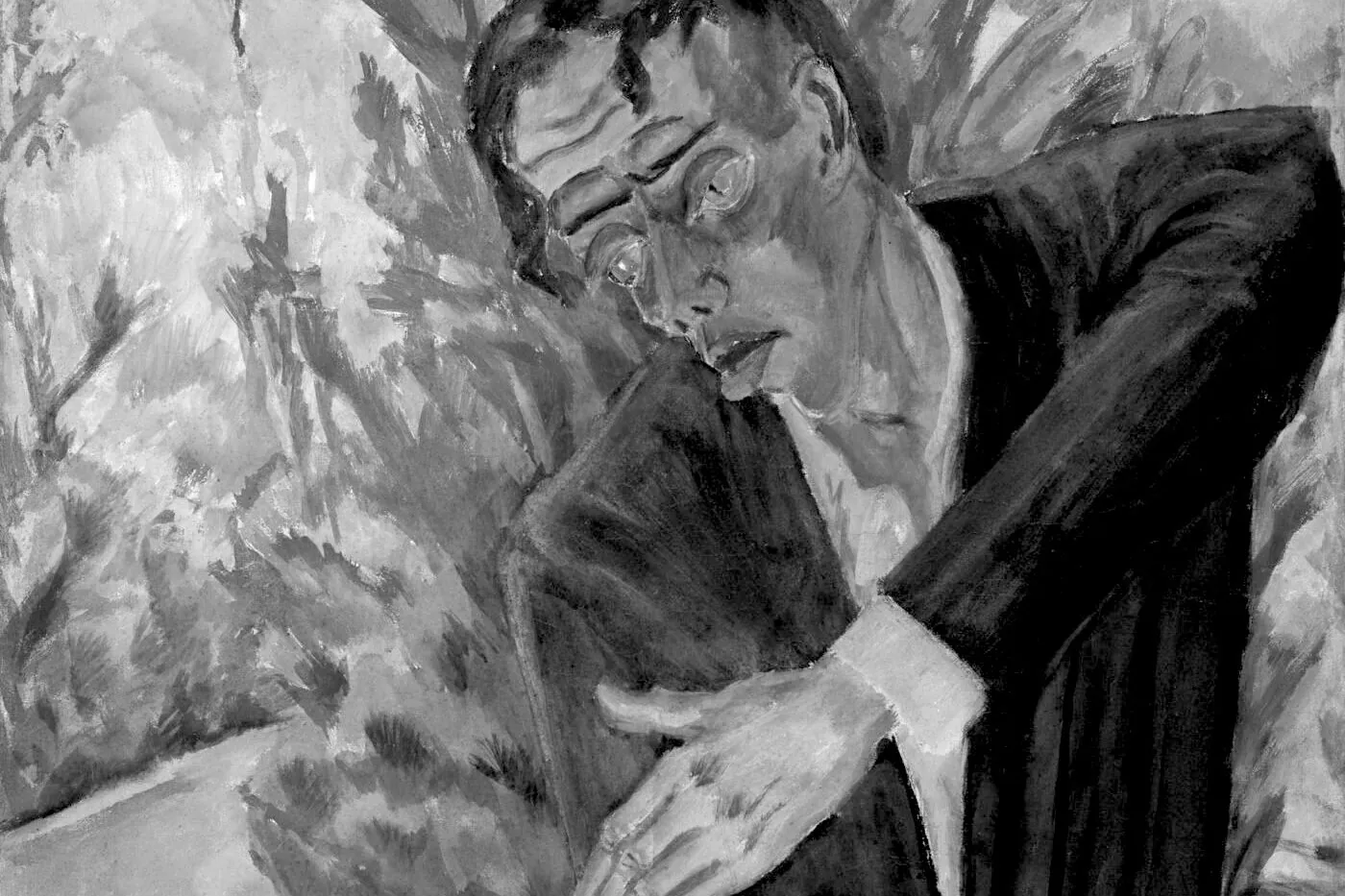
Moving to West Berlin, David Bowie and Iggy Pop found unexpected inspiration in German Expressionism, most notably in the form of a haunting portrait of psychological collapse, seeing a mirror into their own psyche, and forging a direct line between the city’s cultural lineage and some of the most influential music of the 20th century.
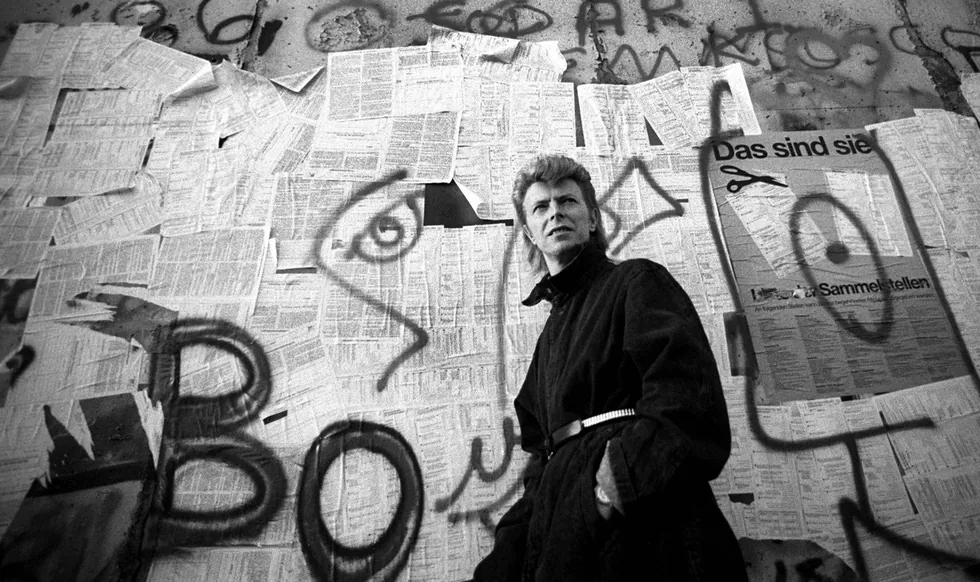
In 1976, David Bowie and Iggy Pop famously exiled themselves to West Berlin, a city still split in two, in search of anonymity, discipline, and creative renewal, and more importantly, to recover from their respective substance addictions. Living in a modest apartment in Schöneberg, David Bowie entered what would become one of the most fertile periods of his career, recording Low, Heroes, and Lodger between the years of 1976 and 1979 at Hansa Studios, a former ballroom perched just yards from the Berlin Wall. The city’s fractured psychology, its history of collapse, reinvention, and artistic radicalism, proved magnetic. Bowie and Iggy immersed themselves in Berlin’s museums and local scenes, where Bowie, in particular, was taken under the spell of German Expressionism.
Among the many influences of German and Austrian expressionist artists of the early 20th century, the artwork that captured Bowie’s imagination the most was a little-known work by Erich Heckel, Roquairol, a searing 1917 portrait of Ernst Ludwig Kirchner, Heckel’s friend and fellow artist, in the midst of a mental breakdown.
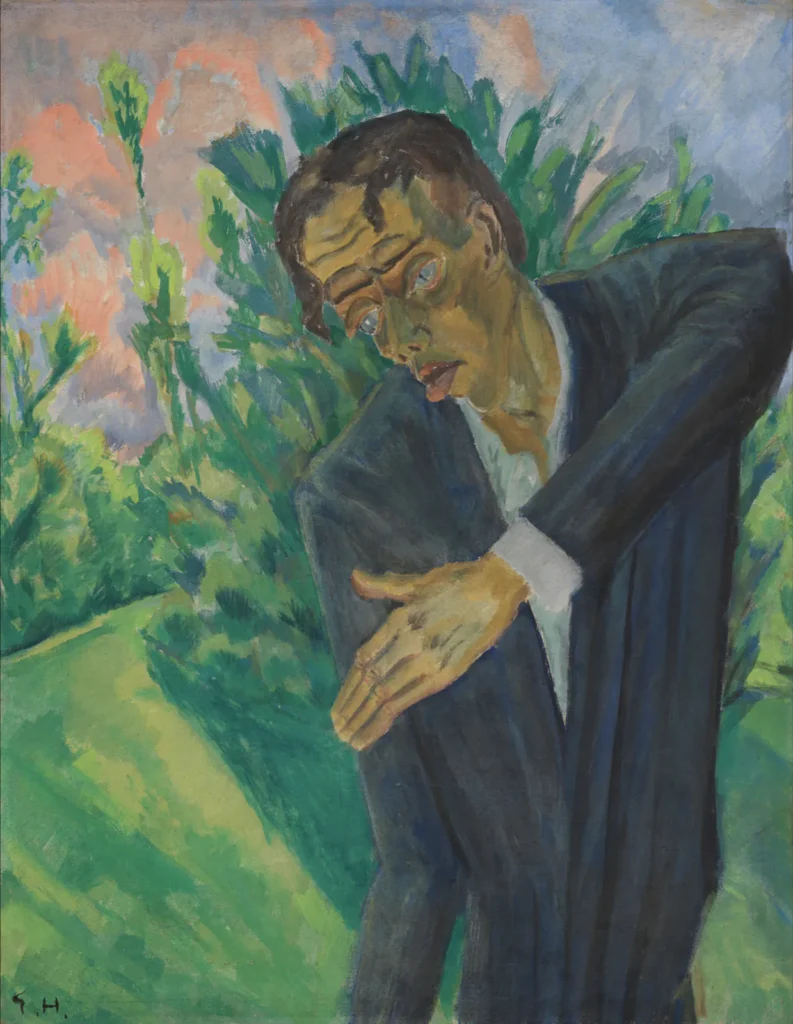
The painting, currently housed at Berlin’s Brücke-Museum, shows Kirchner gaunt, hollow-eyed, and rigidly posed, his arm bent at an unnatural angle, his body almost splintered by psychological strain. It was painted while Kirchner was suffering a severe crisis after being discharged from military service during the First World War. For Bowie, who had fled Los Angeles amid cocaine addiction, overwork, and psychic exhaustion, Roquairol was a mirror into his own condition.
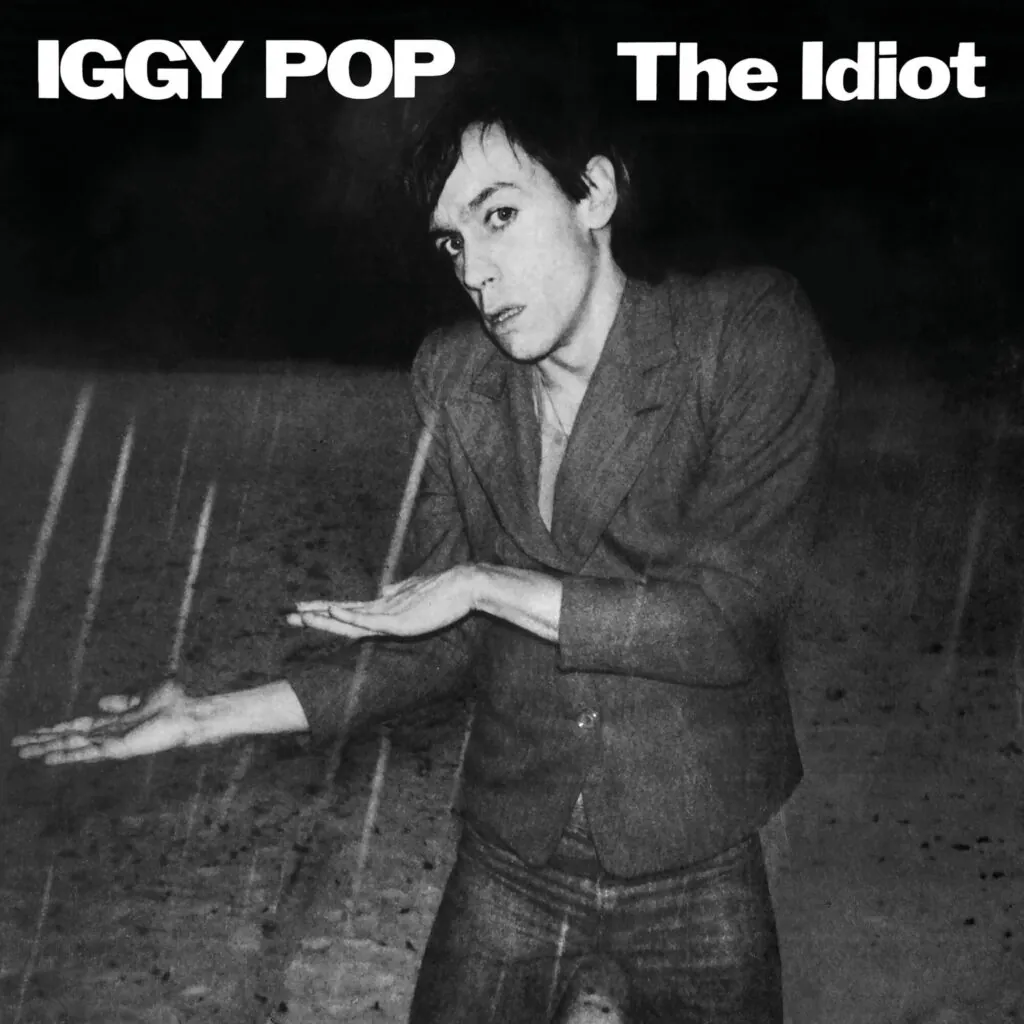
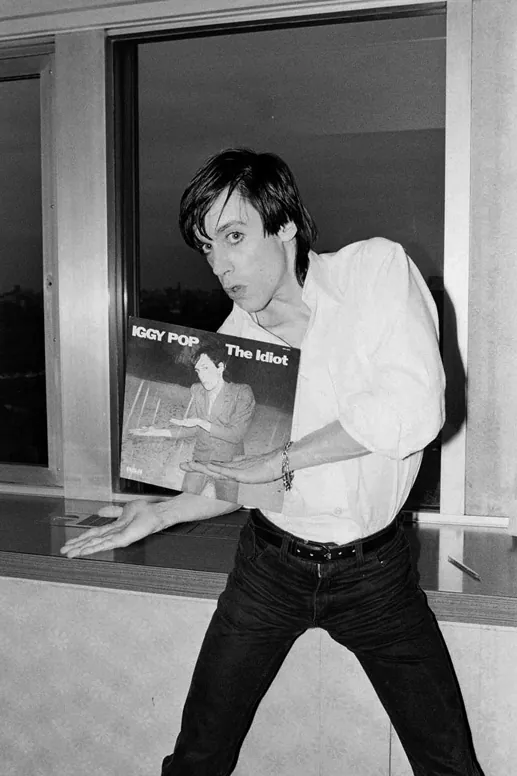
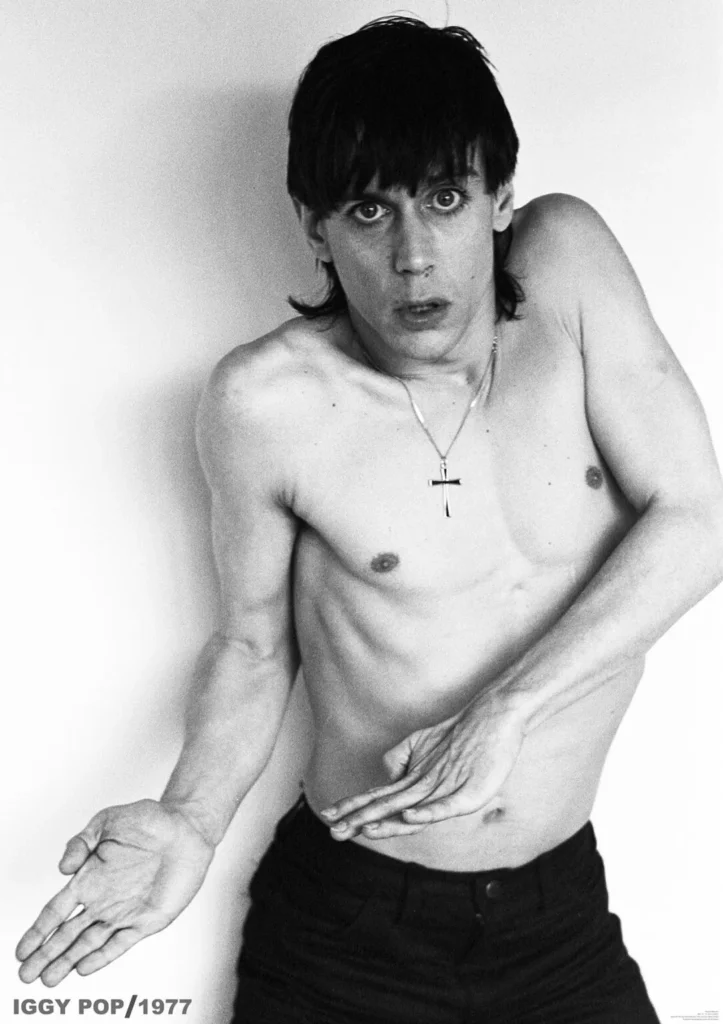
This fascination was not abstract. Bowie directed Iggy Pop and photographer Andrew Kent to recreate Kirchner’s pose for the cover of Iggy’s 1977 album The Idiot, photographed in stark monochrome. Pop’s contorted arm and haunted stare form a deliberate visual echo of Heckel’s painting.
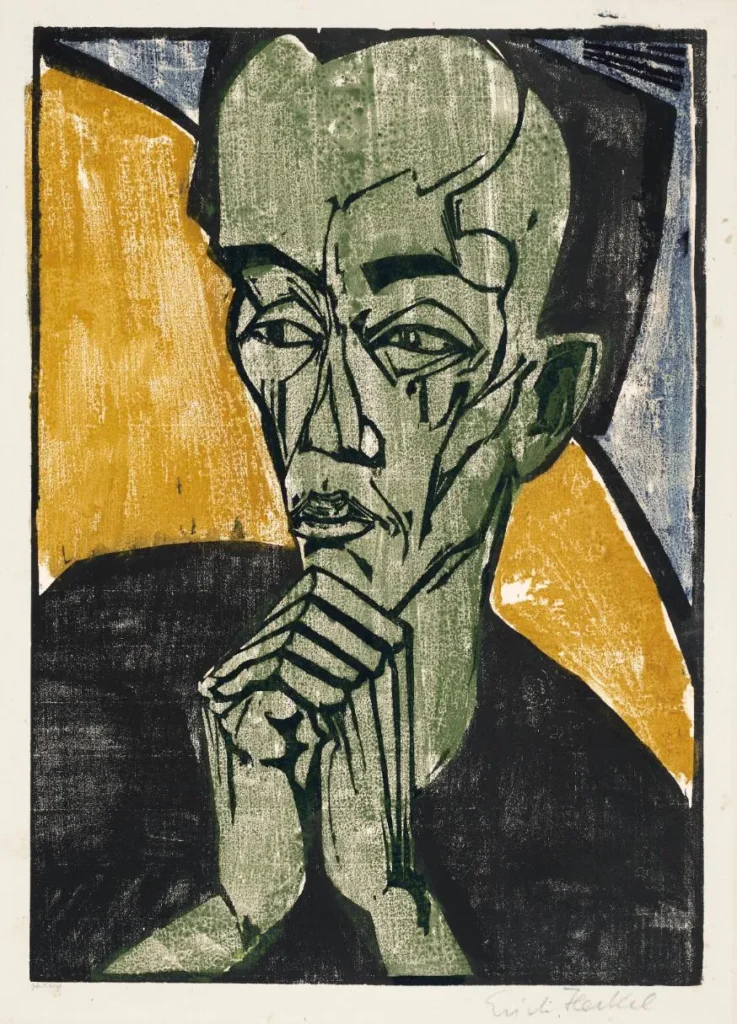
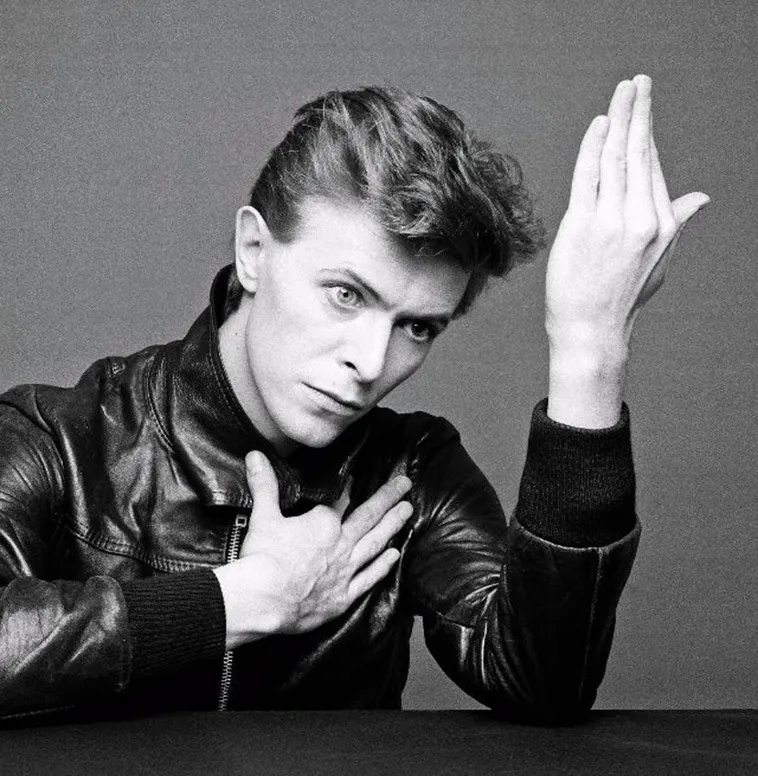
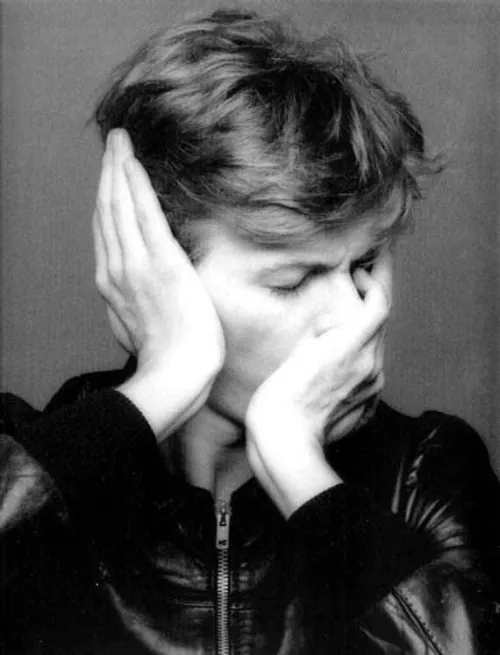
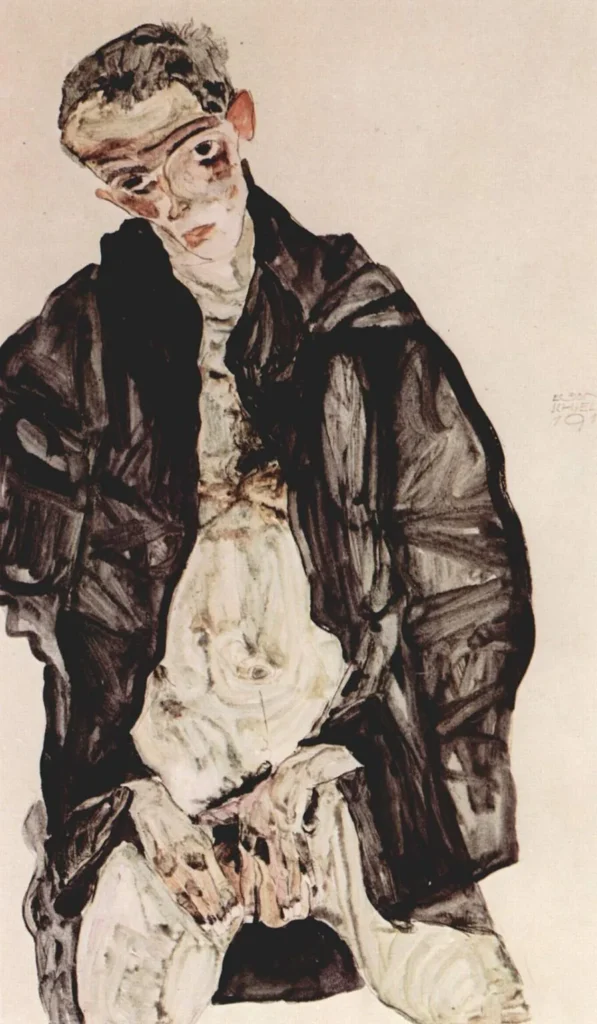
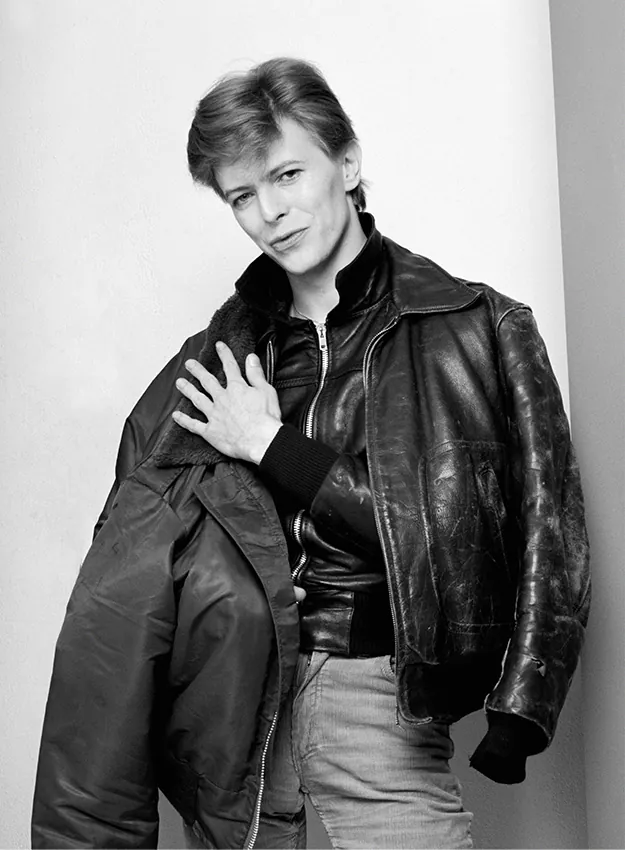
Later that same year, Bowie channeled the same work during his photo session with Sukita Masayoshi for the cover of his own album, Heroes, creating an image that fused the stark gestures of Heckel’s Roquairol with another of his psychologically charged portraits, Männerbildnis (Portrait of a Man) from 1919.
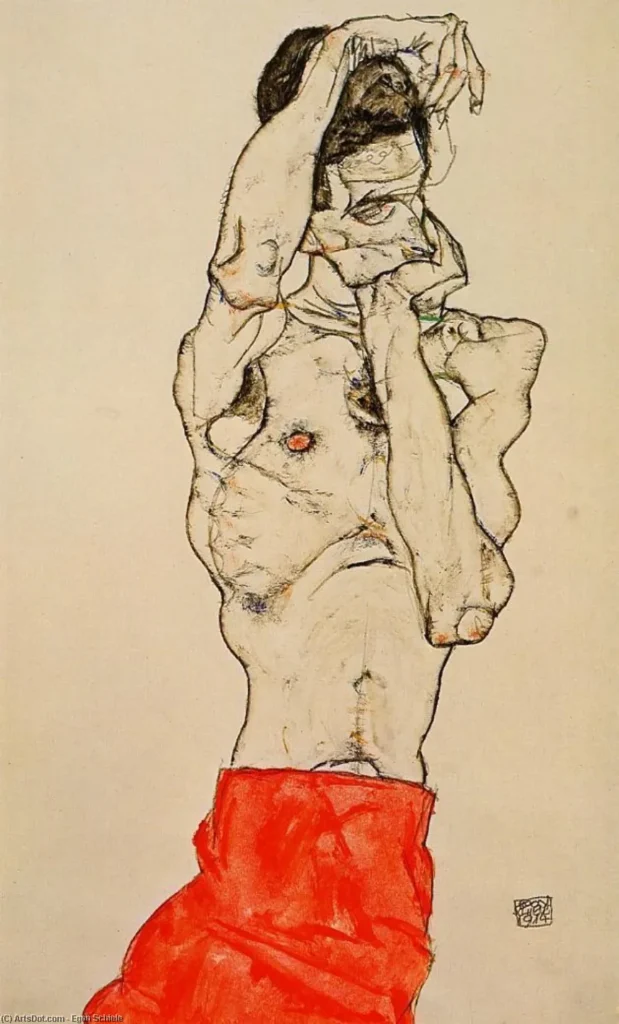
Additionally, outtakes from the shoot directly reference the work of Egon Schiele, another expressionist artist that exerted a huge influence on Bowie. In the photo that was ultimately chosen for the album, Bowie’s sharply angled arm and mask-like expression turn the cover into a kind of modernist self-portrait, a neo-expressionist angst translated into modern-day iconography.
To understand why Heckel resonated so strongly with Bowie and Iggy Pop, it helps to understand who Erich Heckel was. Born in 1883 in Döbeln, Germany, Heckel was trained in architecture before turning decisively to art. In 1905, he co-founded the artists’ group Die Brücke (The Bridge) in Dresden with Kirchner, Karl Schmidt-Rottluff, and Fritz Bleyl. Their goal was nothing less than to create a link, or rather a bridge, between past and future, rejecting academic realism in favor of raw emotion, jagged forms, and confrontational color. As with many other German artists of the time, they were heavily influenced by Northern Renaissance art, medieval woodcuts, German Romanticism, and the chaos and alienation of postwar urban-industrial life, producing images that came across more as psychological cross-sections than traditional portraiture.
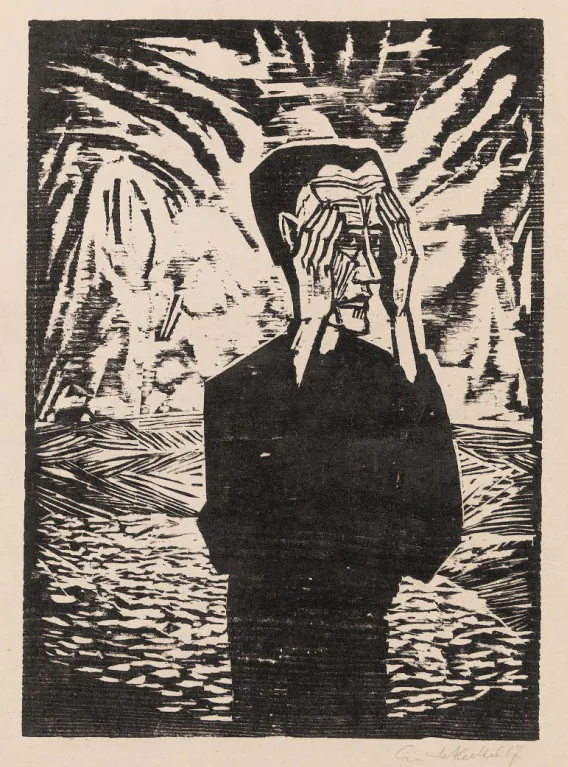
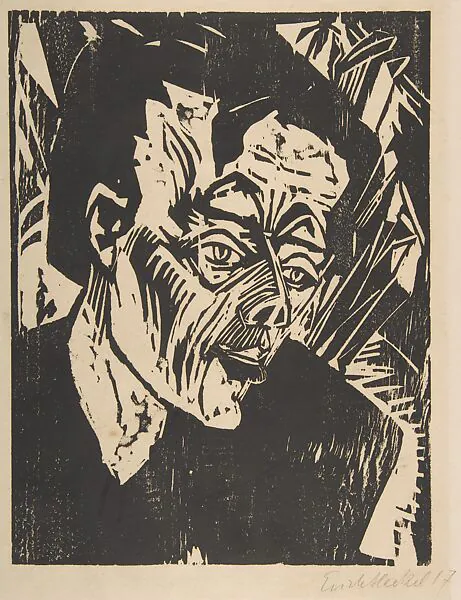
Heckel, in particular, became known for his austere, cutting lines and his ability to render the human figure as something fragile and internally fractured. His woodcuts, often overlooked next to his paintings, were especially brutal and modern, reducing bodies to angular silhouettes and black voids. These prints would later influence not just fine artists but graphic designers, punk zines, and album art in the late 20th century, even if indirectly. In a way, the visual language of post-punk and industrial music owes a debt to Die Brücke’s stripped-down, emotionally violent aesthetic. There is no doubt that David Bowie and Iggy Pop encountered the work of the expressionists and derivative work even before they came to Berlin.
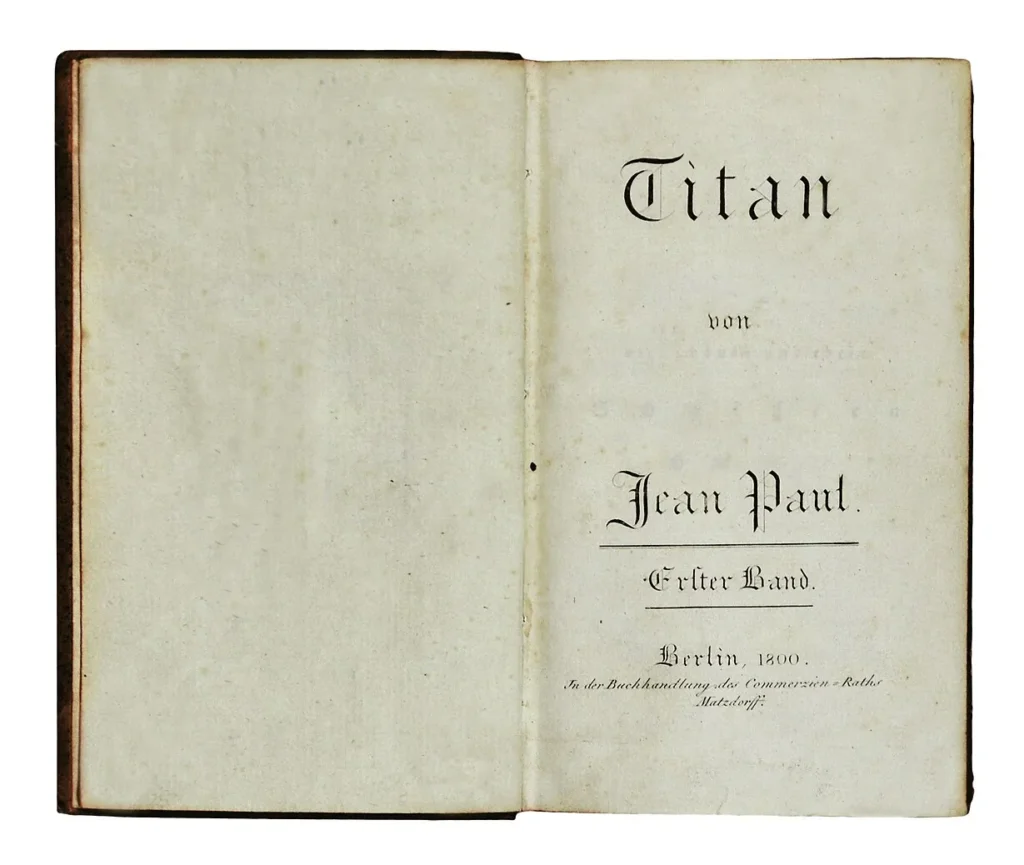
Roquairol stands as one of Heckel’s most psychologically loaded works. The title comes from one of the protagonists of Titan, a novel in four volumes published at the beginning of the 19th century by Jean Paul. Roquairol is depicted as a romantic idealist and aesthete destroyed by his own intensity, a fitting alias for Kirchner at that moment in his life. Heckel painted the portrait not as a flattering likeness, but as a clinical exposure of collapse. The greenish, sickly skin tones, the vacant eyes, and the stiffened pose all suggest a man for whom inner life has become unbearable. In the context of World War I, it also reads as a portrait of a generation spiritually broken by mechanized conflict.
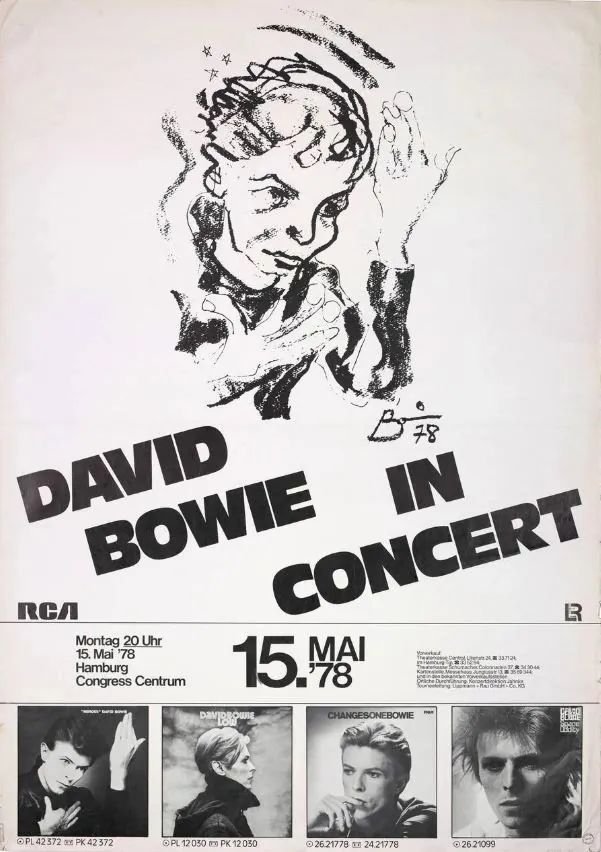
This blend of personal breakdown and historical trauma is exactly what made Heckel’s work so powerful to Bowie in Berlin. Like Weimar Germany following the end of World War I, West Berlin in the 1970s was itself a psychological pressure cooker: an isolated capitalist island surrounded by the socialist GDR, filled with draft dodgers, artists, addicts, and Cold War paranoia. Bowie would often walk through the Brücke-Museum in Dahlem, studying Heckel, Kirchner, and Schmidt-Rottluff like a pilgrim. These artists had lived through national collapse and had turned inner torment into a new visual language. Bowie and Pop were trying to do something similar with sound.
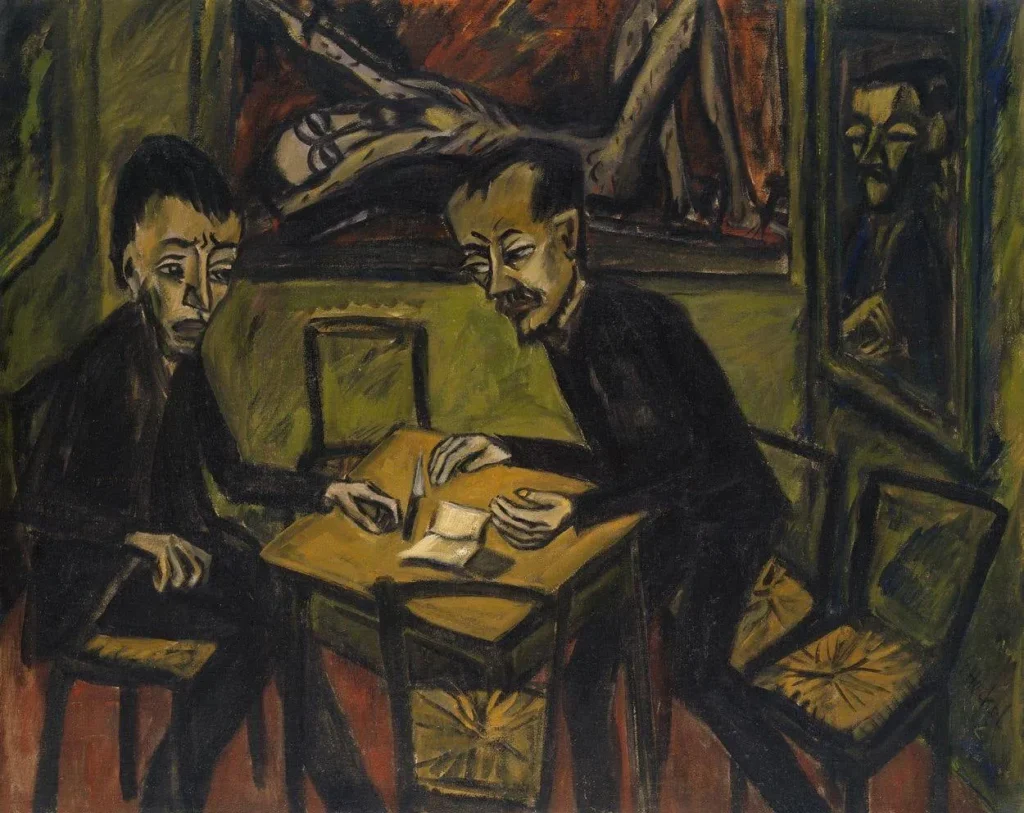
There is a possibility even the name of Iggy Pop’s album, The Idiot, was suggested by Bowie not simply in reference to the Russian writer Fyodor Dostoevsky’s novel of the same name, but because Erich Heckel was similarly influenced by the same work, even creating a painting which depicted an encounter between two characters from the novel, Prince Myshkin and Parfyon Rogozhin.
Heckel’s influence can even be felt in the music itself. The stark, emotionally stripped textures of Low and The Idiot, with their drum machines, fractured melodies, and haunted vocals, feel like sonic equivalents of expressionist brushstrokes: minimal, abrasive, and deeply internal. Just as Heckel rejected polish in favor of psychic truth, Bowie and Iggy stripped their music down to its most essential elements. In many, ways, the close, often tense, creative dynamic between Kirchener and Heckel mirrored that of Bowie and Iggy Pop nearly 60 years later, a parallel that was likely noted by the latter pair themselves.
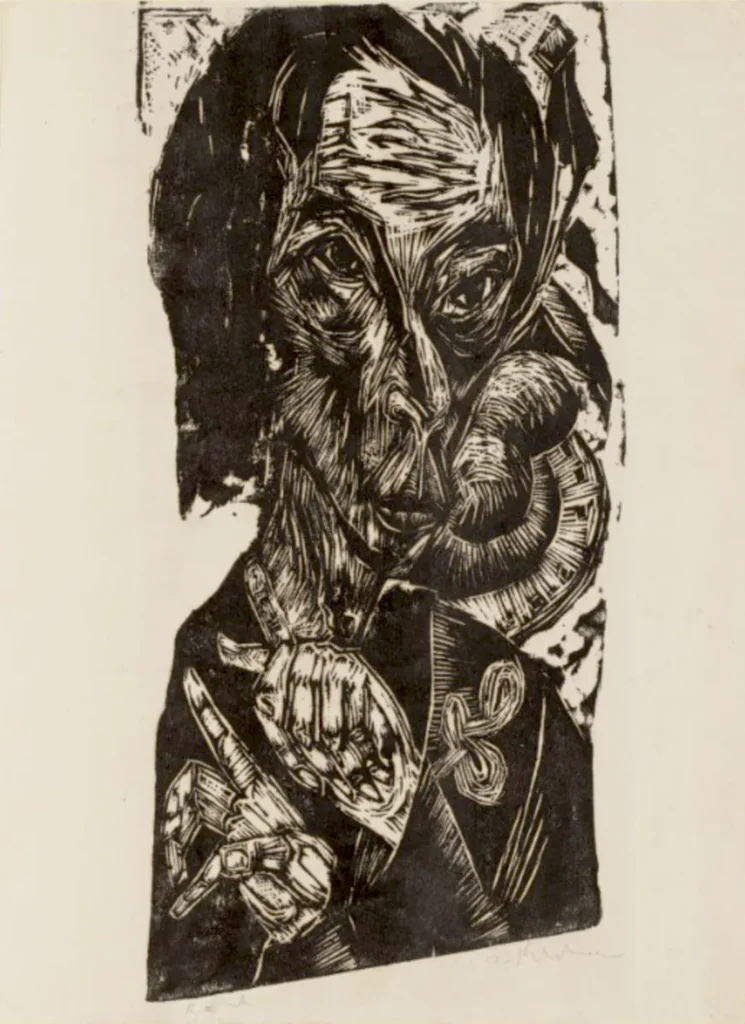
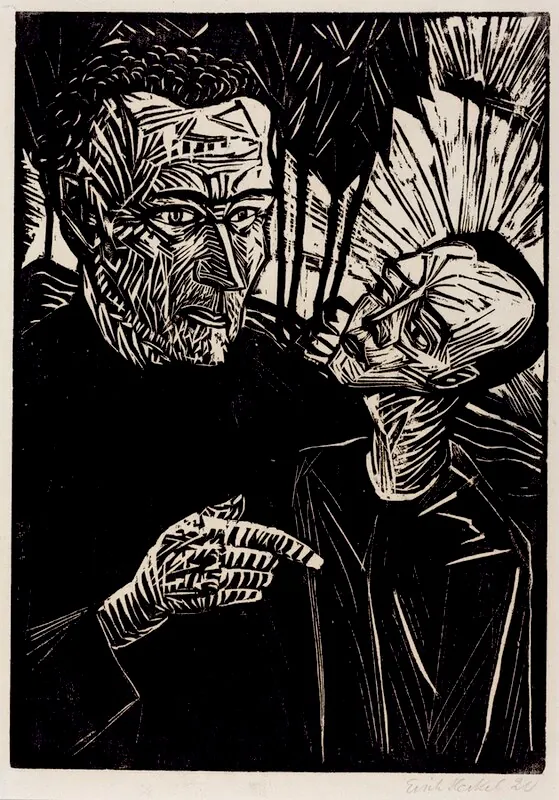
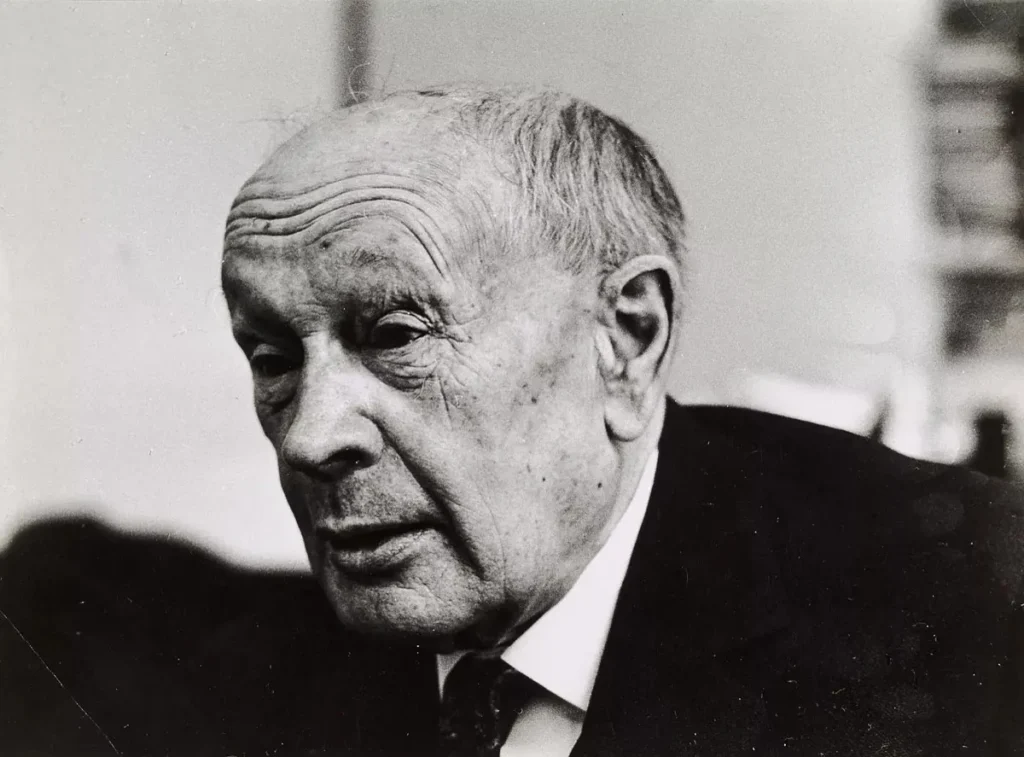
Heckel survived long enough to see much of this legacy unfold. Unlike Kirchner, who took his own life in 1938, Heckel lived until 1970, navigating the disastrous entanglement of German modernism with the Nazi regime, which labeled Die Brücke artists as degenerate. Many of his works were confiscated or destroyed, and he was barred from exhibiting for years. Yet by the 1960s, he was quietly rehabilitated, his importance recognized once again, just in time for artists like Bowie to rediscover him.
What makes the Heckel–Bowie connection so compelling is that it is not just an aesthetic borrowing, but a shared emotional frequency across half a century (and even longer if you consider the links to Dostoevsky). Heckel painted the suffering mental health of a wounded Europe. Bowie and Iggy, in divided Berlin, were living inside its aftershocks, yet they were in the right place and time to rediscover the art of that period. Through Roquairol and its afterlife on The Idiot and Heroes, German Expressionism found a new home in a modern medium, proving that the most powerful art rarely ever stays in its own decade.