We’re doing a new regular feature where we collect all of the strange and wonderful things we find thanks to this internet of ours that are too short or too specific to warrant their own post. Here goes nothing.
1. Gritty shots of Berlin from the 80s by Kurt Tauber
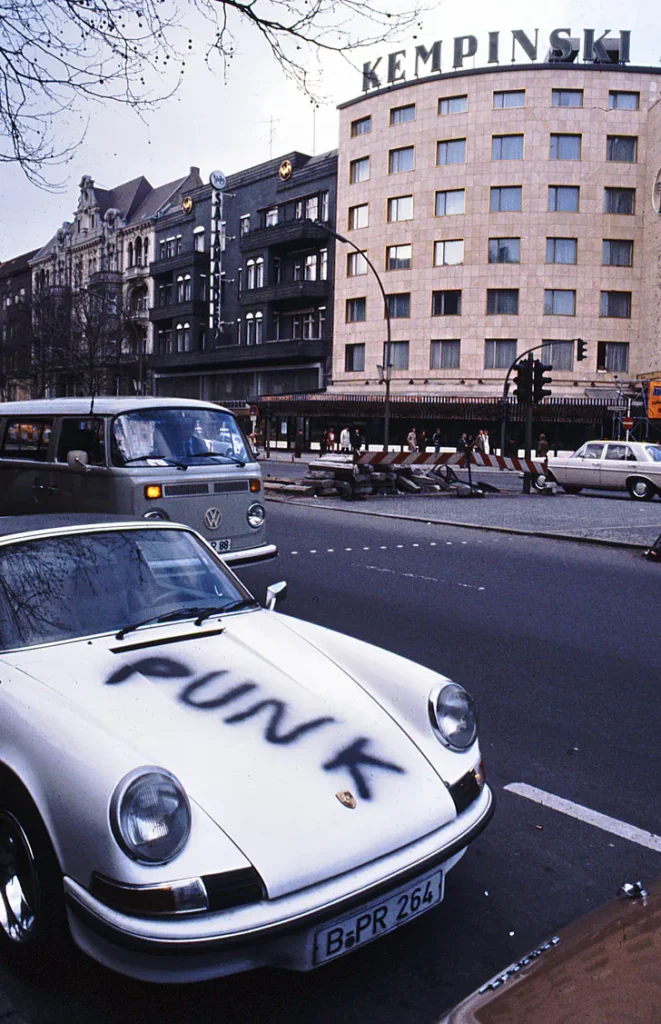
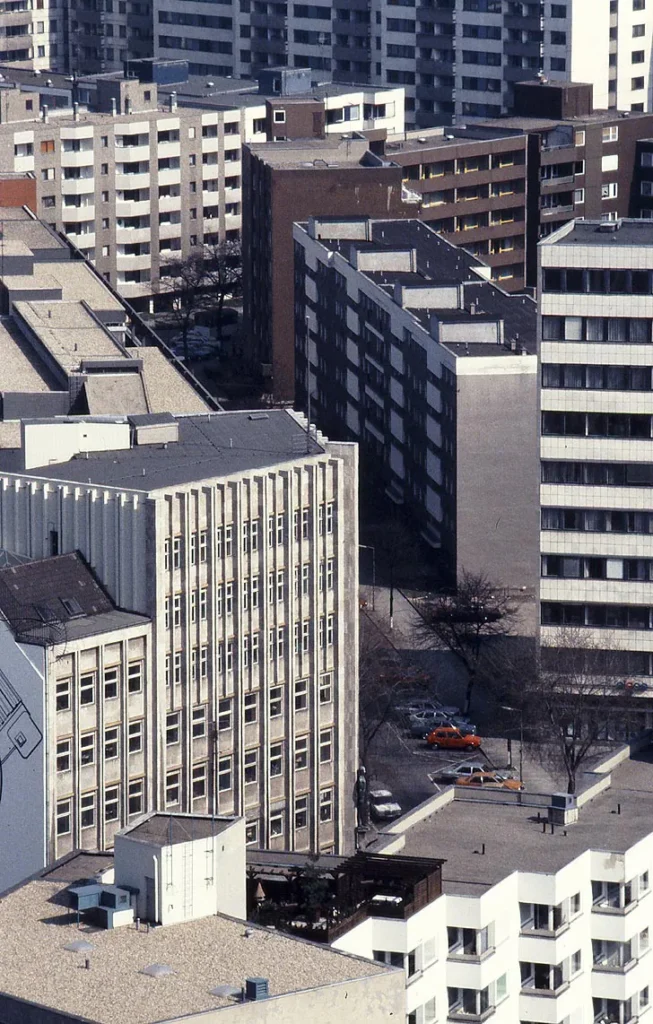
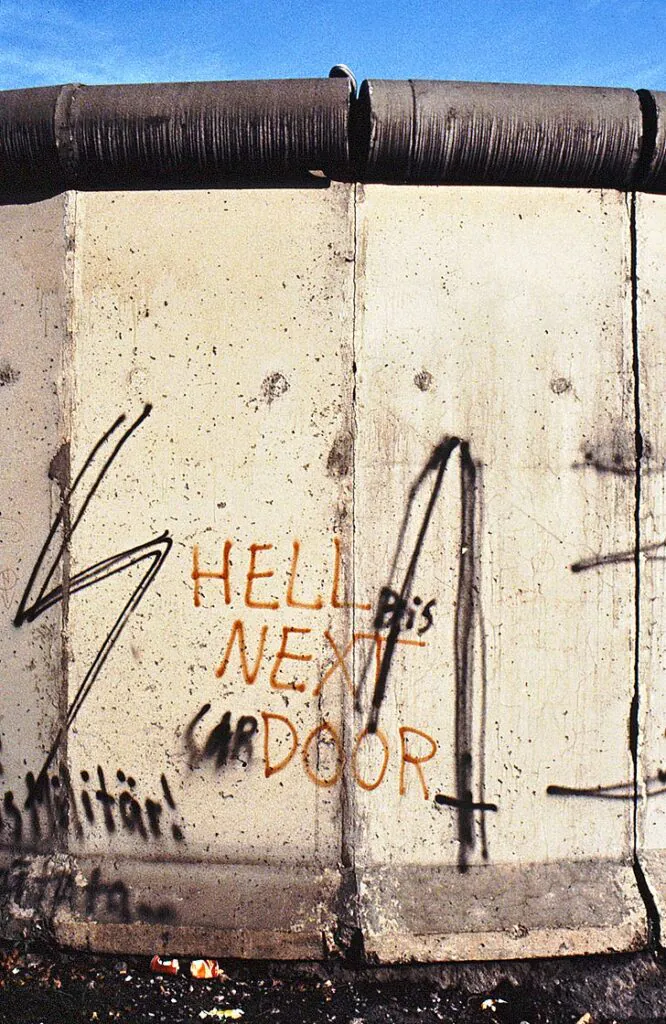
Great photos of a very much divided Berlin in all of its Cold War moodiness by German photographer Kurt Tauber who was allowed to travel between West and East Berlin with his camera. The photo set includes a Porsche that someone spray painted with the word “punk”. Iconic. We couldn’t find much more information on these photos in particular so we’ll let them speak for themselves.
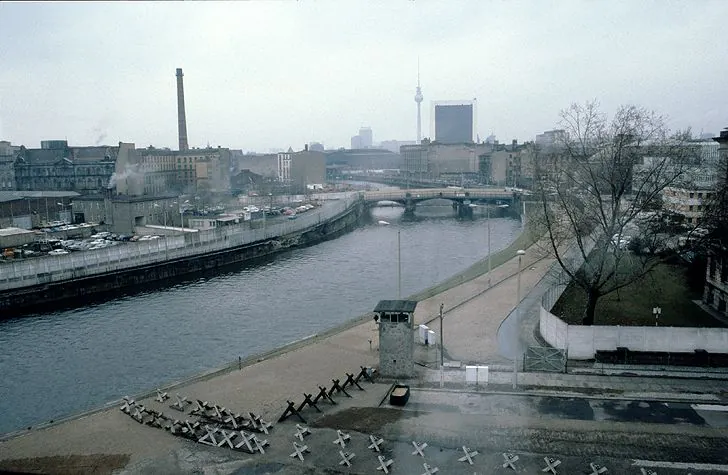
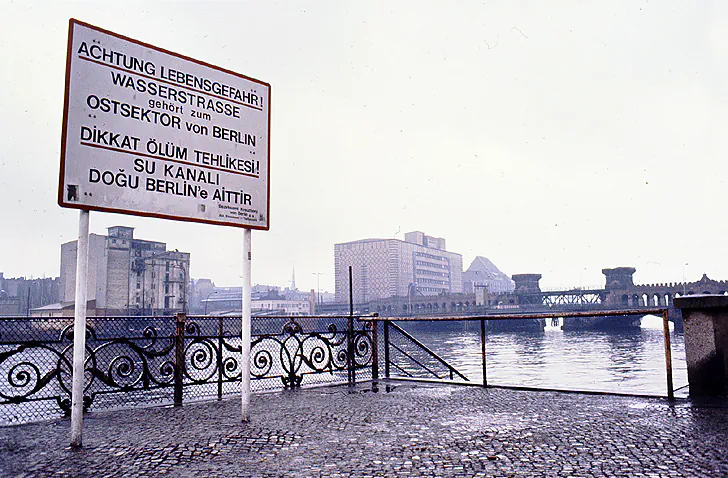
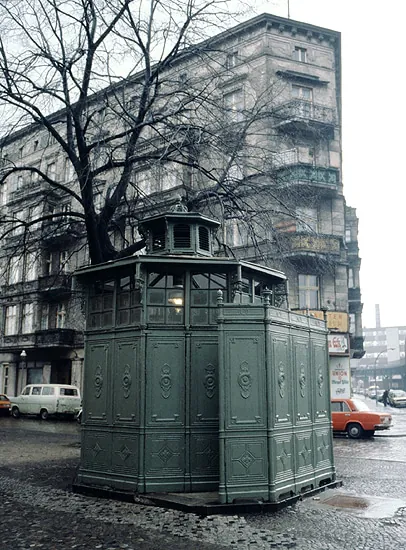
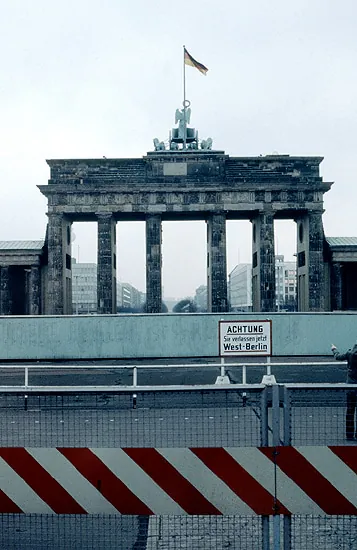
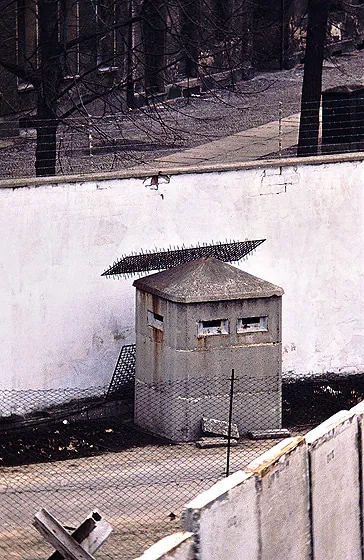
In March of 1970, Tauber first visited Berlin as an 18-year-old on a school trip and took his first photographs of the Berlin Wall, this would lead to a number of trips over the next two decades that led to hundreds of photos being taken (sadly, not available on the internet), enough so that it prompted the East German Stasi to open a file on him. The full set of photos can be found here and here.
2. Jef Hartsel skating in Venice Beach in the mid 80s, wearing a Joy Division shirt.
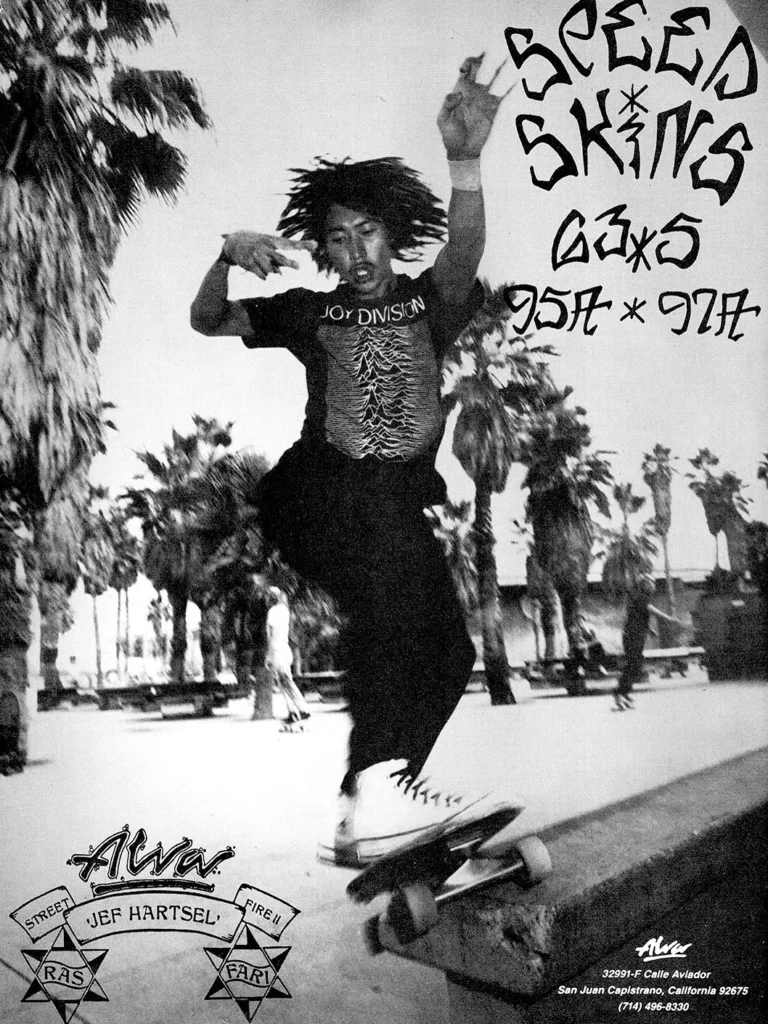
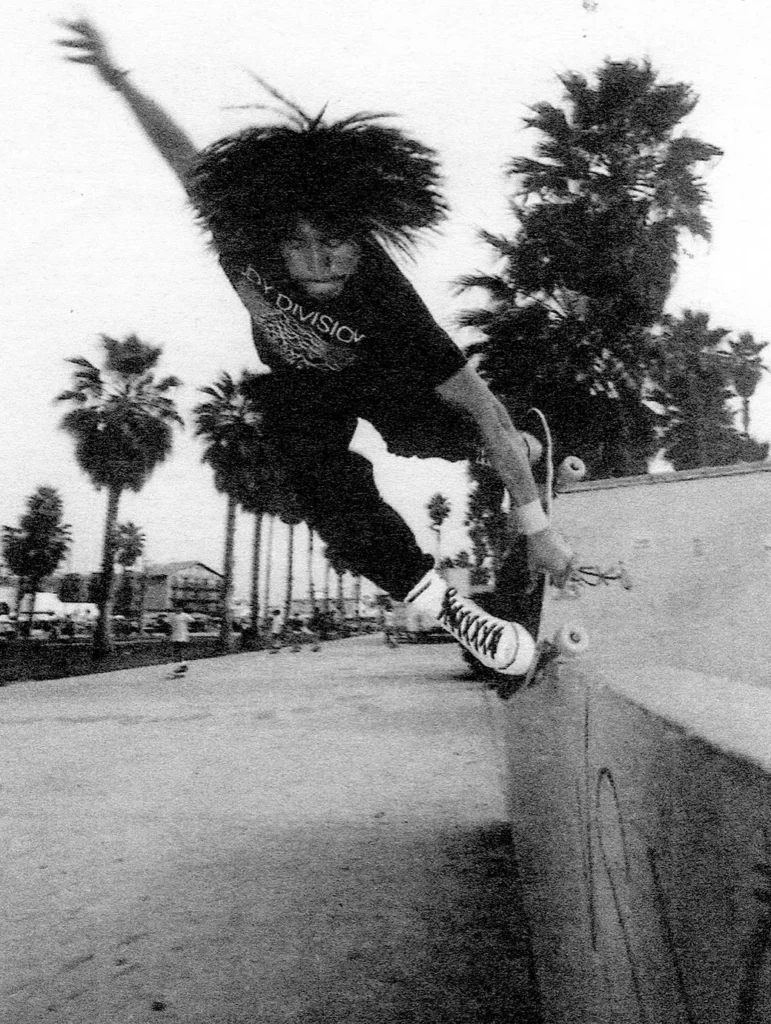
These are shots of skate legend Jef Hartsel doing tricks in a JD tee, from the July 1988 issue of Poweredge magazine, advertising Alva’s wheels. There’s something about the combination of classic skateboarding and Joy Division that seems so aesthetically profound. Has anyone earnestly tried to make goth skaters a thing yet?
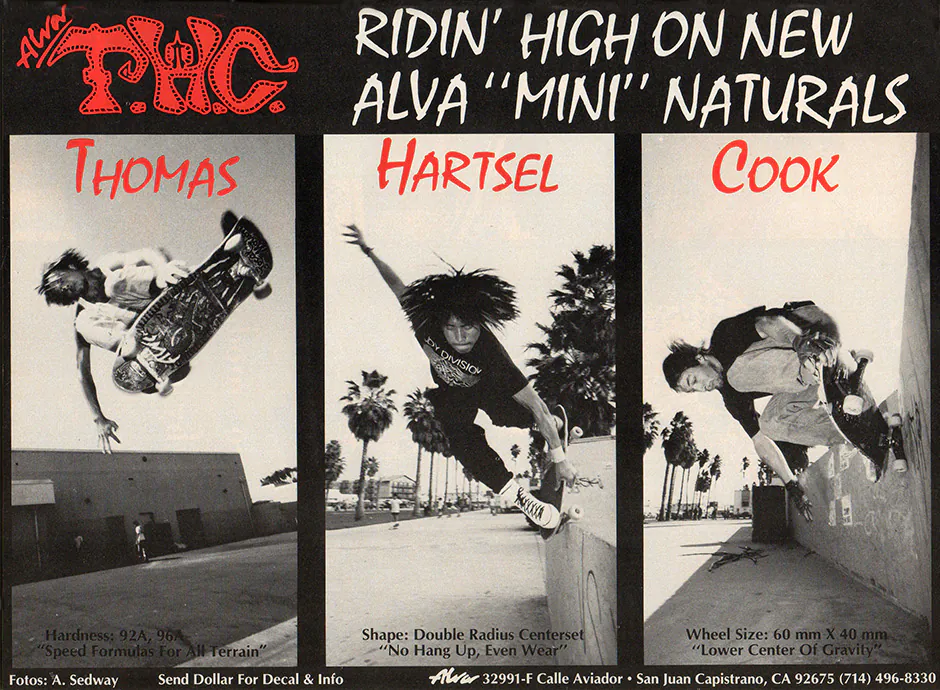
In his own words, Hartsel explains the motivation for wearing the shirt: “To me, I’ve been infatuated with English culture way more than American culture … it was all because of The Clash, The Sex Pistols, Joy Division and all that. I always say that the best thing that came out of the punk rock movement was all the good music that came afterwards. All the stuff coming out of England, are you kidding me? My favorite graphic designer—Peter Saville of Factory Records and all that shit. All I wanted to do was go to Manchester and hang out at the Hacienda, the Porter Club and all of that.”
We agree, Jef, The Hacienda was definitely a moment we all miss, and for good reason. Check out the rest of the 2016 interview with him and Ed Templeton over at Slam City.
3. Ian Curtis and Joy Division at TJ Davidson’s Rehearsal Room, Manchester, 1979
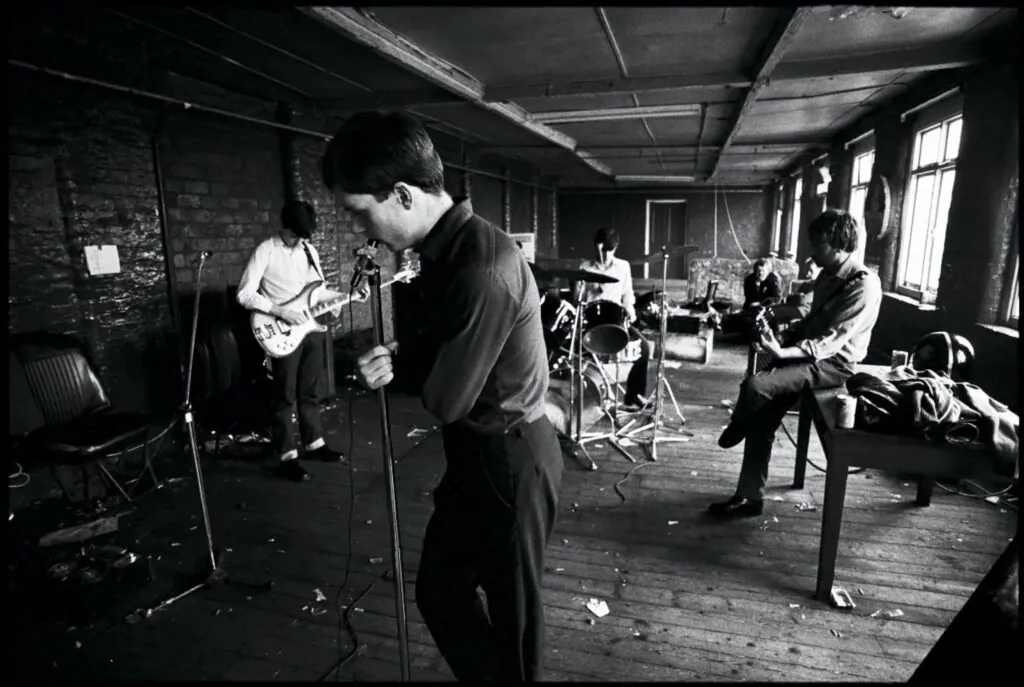
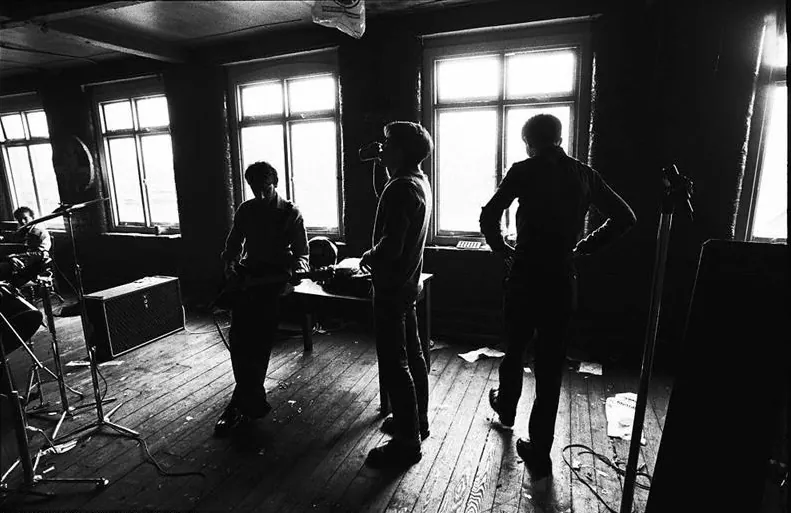
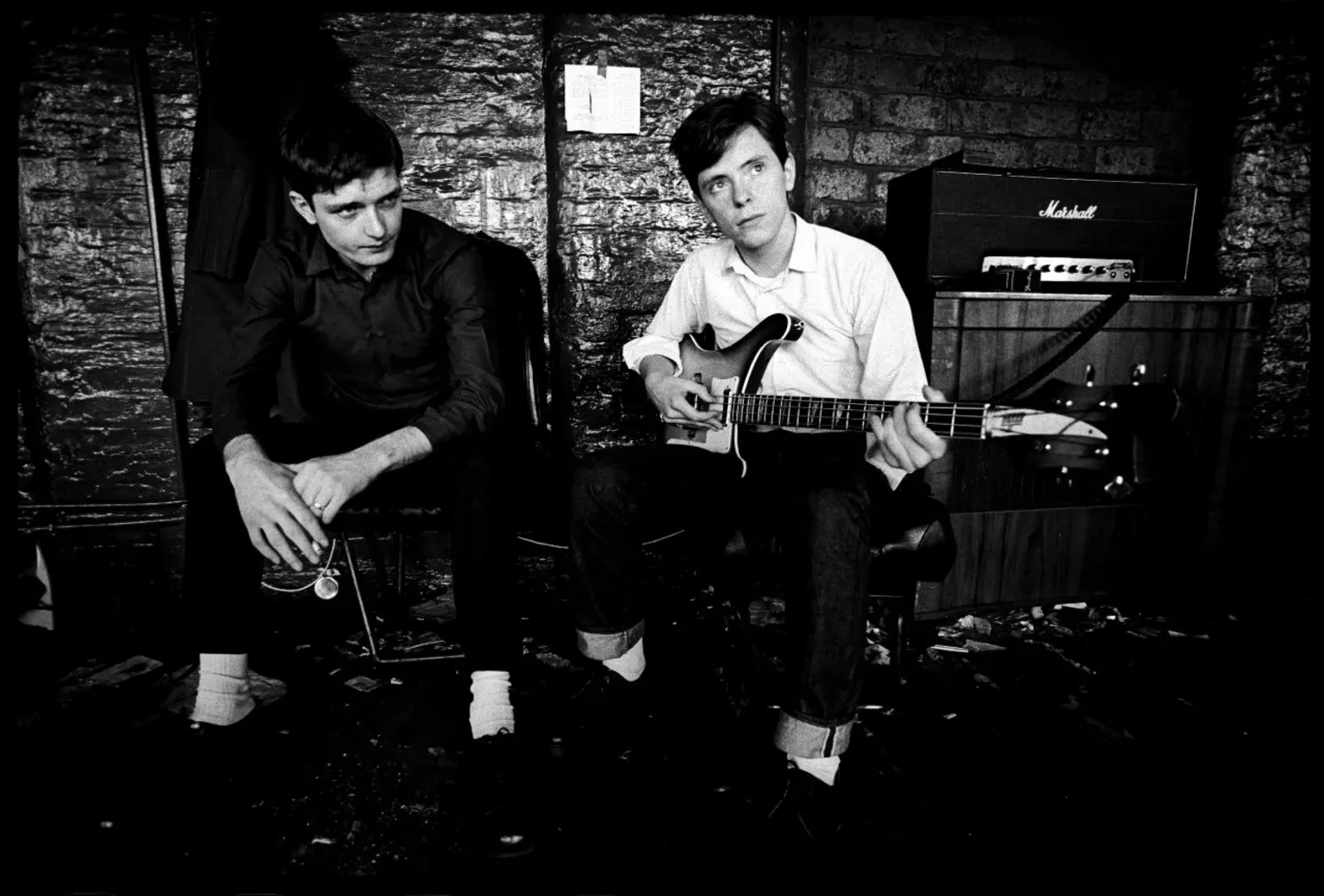
Shot by Kevin Cummins on August 19, 1979, this is the legendary rehearsal at TJ Davidson’s rehearsal room on Little Peter Street in Manchester that gave the world the music video for Love Will Tear Us Apart. This shoot has taken on a special place in music history, and after its publication would go a long way influencing the visual mythology of the band going forward.
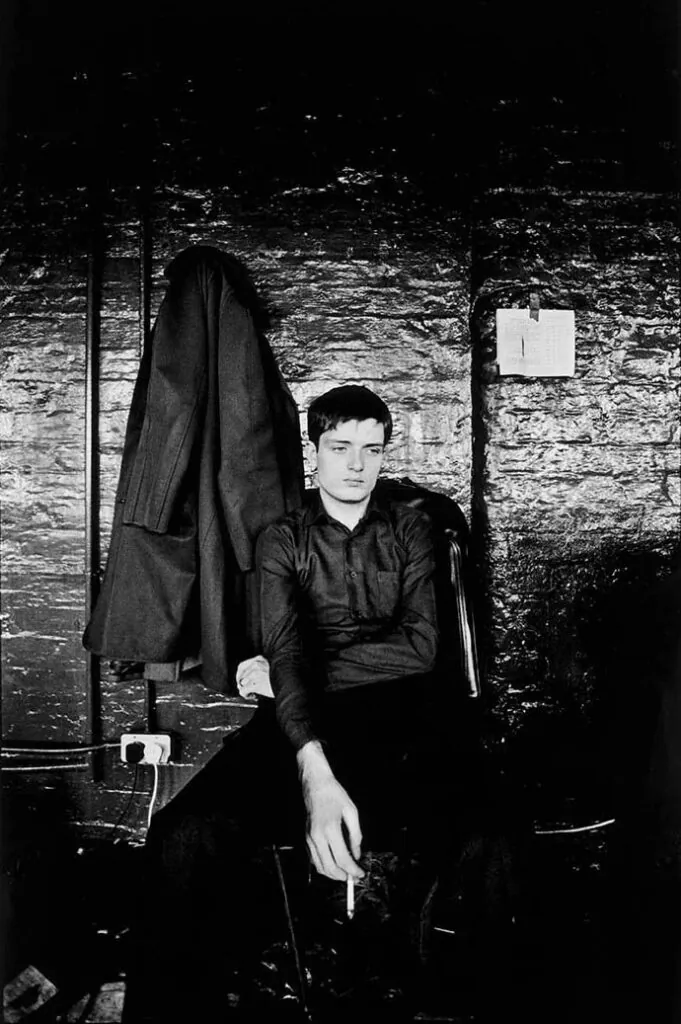
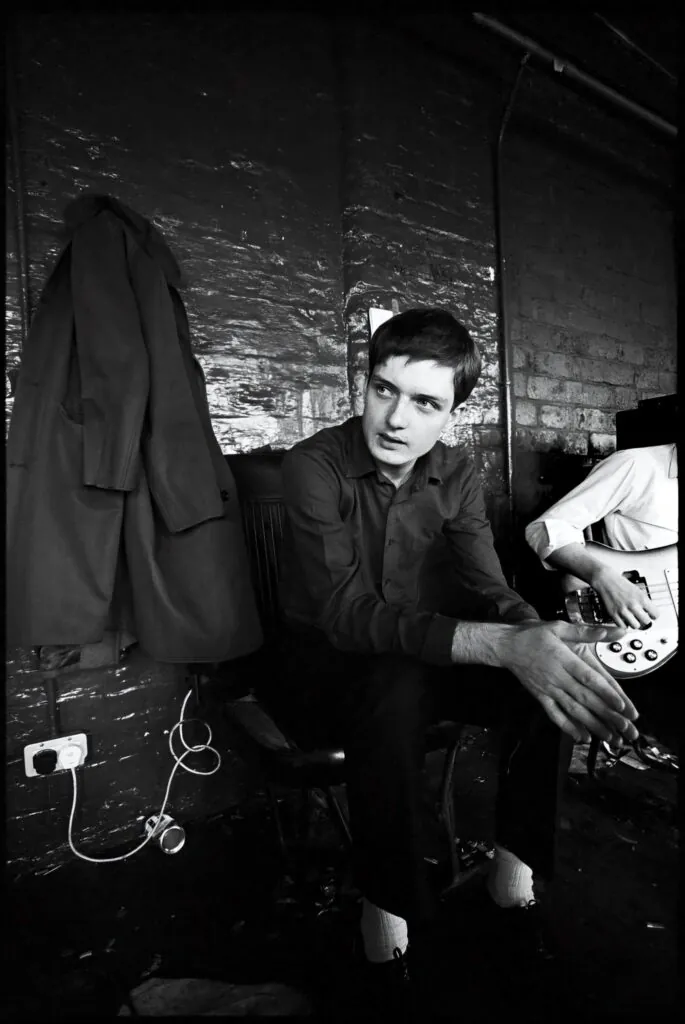
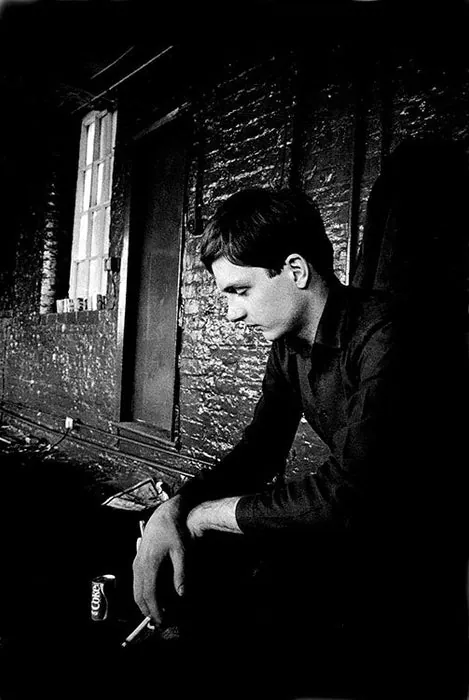
The sombre quality of these photos owes itself to the glossy black paint covering every wall of the space, the high-contrast black and white shots, and the photographer’s own admission that he avoided taking photos of the band smiling. Cummins recalls, “I wanted … to create an image for them so that people would look at them and think they were perhaps a lot more cerebral than they were and to make them slightly unattainable.”
Sadly, Ian Curtis would take his own life just a few months later, shortly before he and the band were due to begin their debut North American tour.
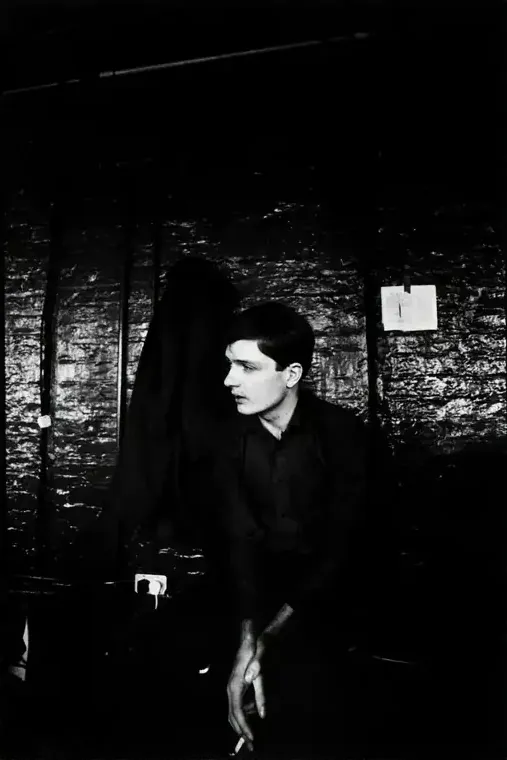
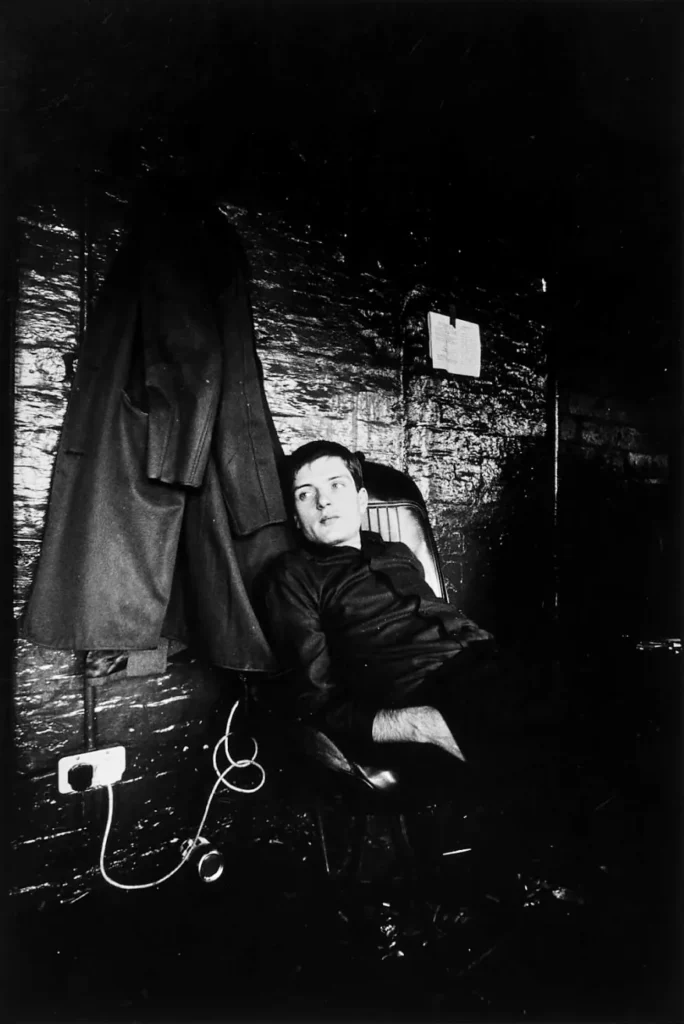
We might get around to doing a full history of this shoot one day. In the meantime, the photos are collected in a book published by Cummins, titled, Joy Division: Juvenes. Grant Gee’s documentary, released in 2007, goes into detail regarding the visual language of the band, including this shoot, and is highly recommended viewing.
4. Peter Murphy performing upside-down with Nine Inch Nails
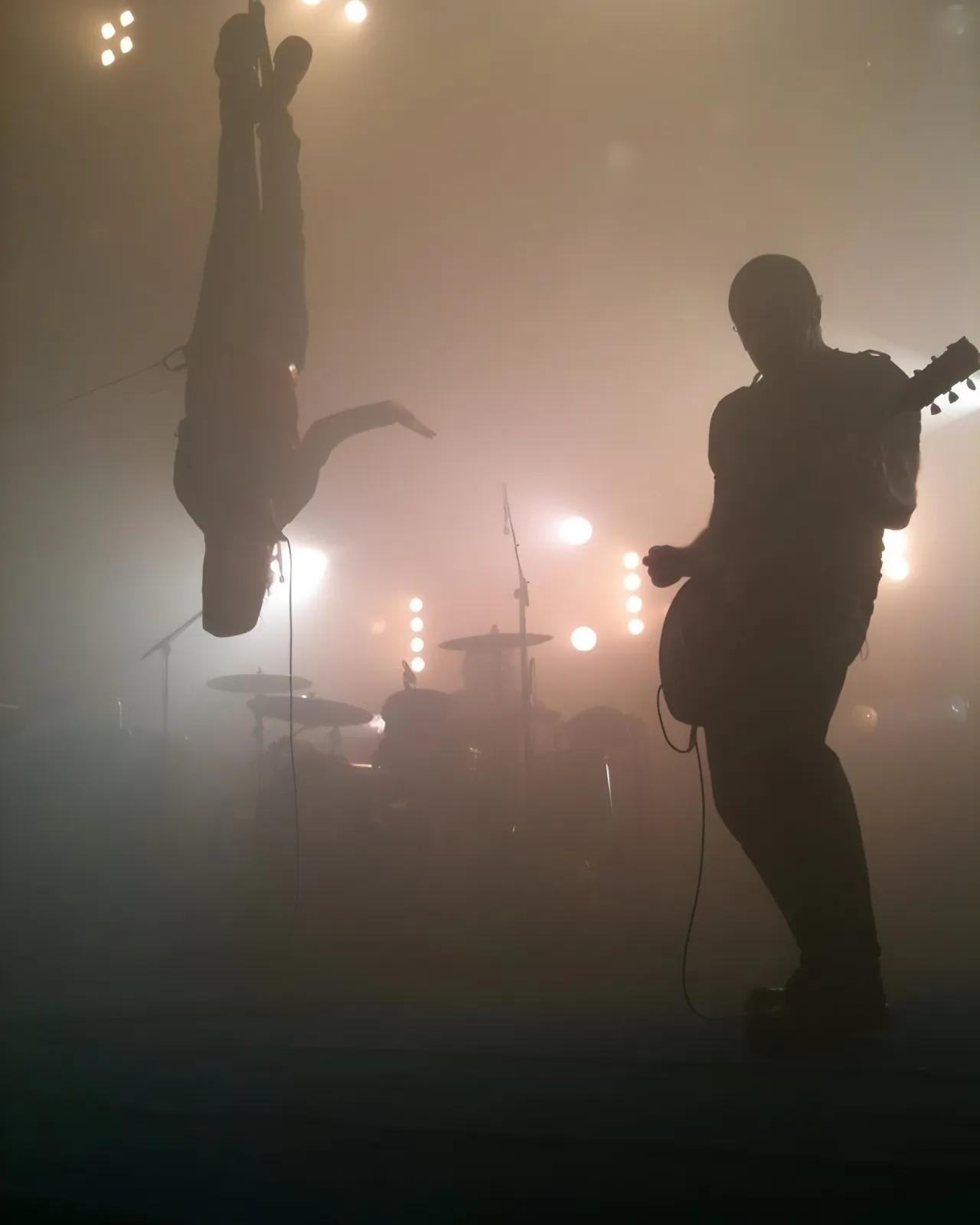
At a 2009 performance in New York, Nine Inch Nails was joined by Peter Murphy of Bauhaus, who was suspended upside down from the ceiling by a chain. Murphy helped Trent Reznor and the band perform “Reptile” and “Strange Kind of Love” as well as a rendition of Bauhaus’s “Bela Lugosi’s Dead”.
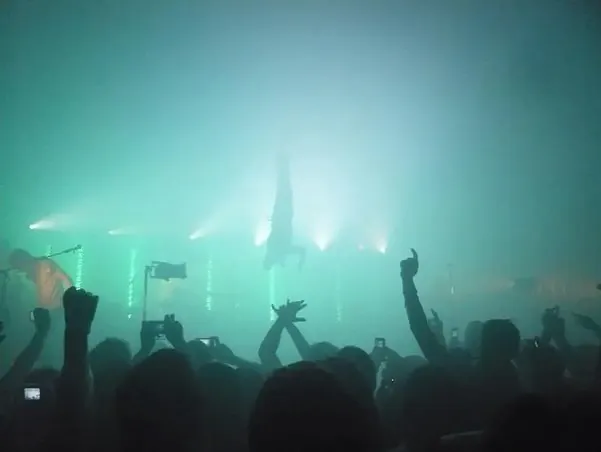
The pair continues to collaborate to this day, with Murphy and Reznor having released the song “Swoon” earlier last year.
There are several great videos of this performance floating around online, but being lucky enough to have seen it live must have been a true experience for the ages.
5. Stills of Lou Reed from Andy Warhol’s screen test
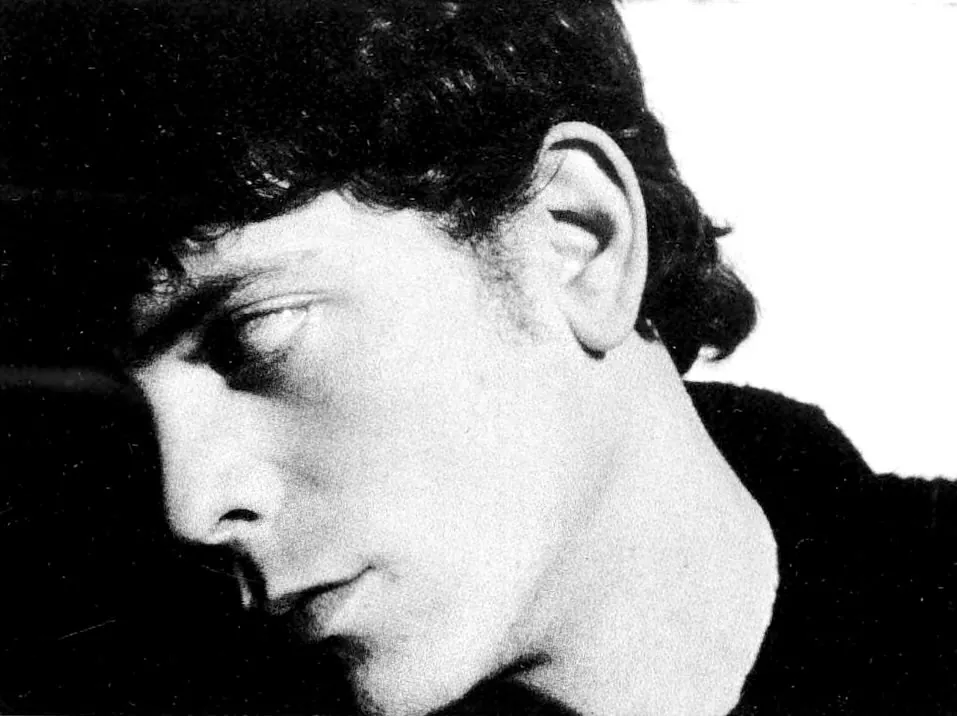
Lou Reed sat silently for Andy Warhol’s camera for a few of nearly 500 “Screen Tests” shot between 1964–66, Warhol’s camera lingered on Reed for 4 silent minutes, capturing every movement up close, with Reed holding a coke, apple, or hershey’s chocolate bar.
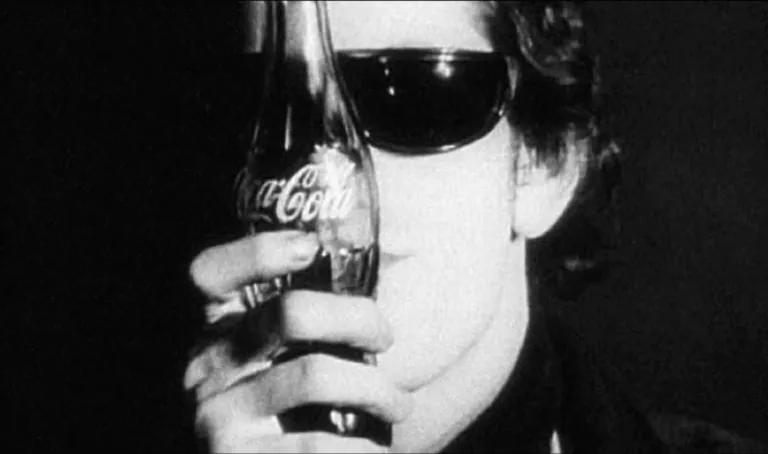
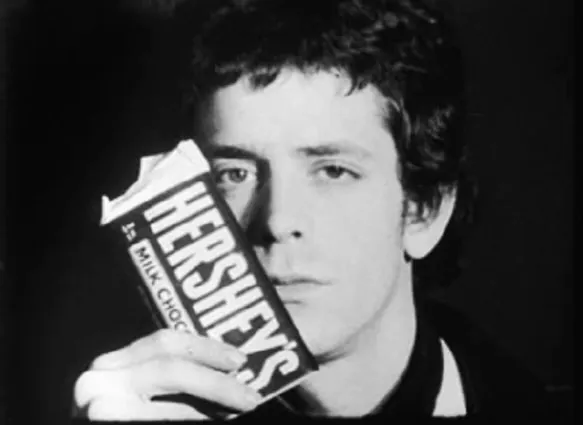
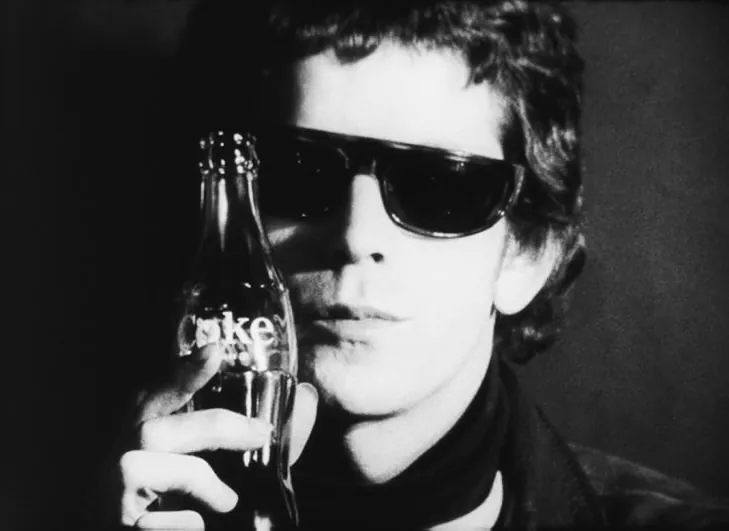
Warhol called them “stillies” or “film portraits” and the goal was to shoot the subject as they were, the film would then be screened or played back in slow motion. You can see one of them, simply titled “Coke” on Youtube.
6. Wu Tang Clan for The Source Magazine, January 2001
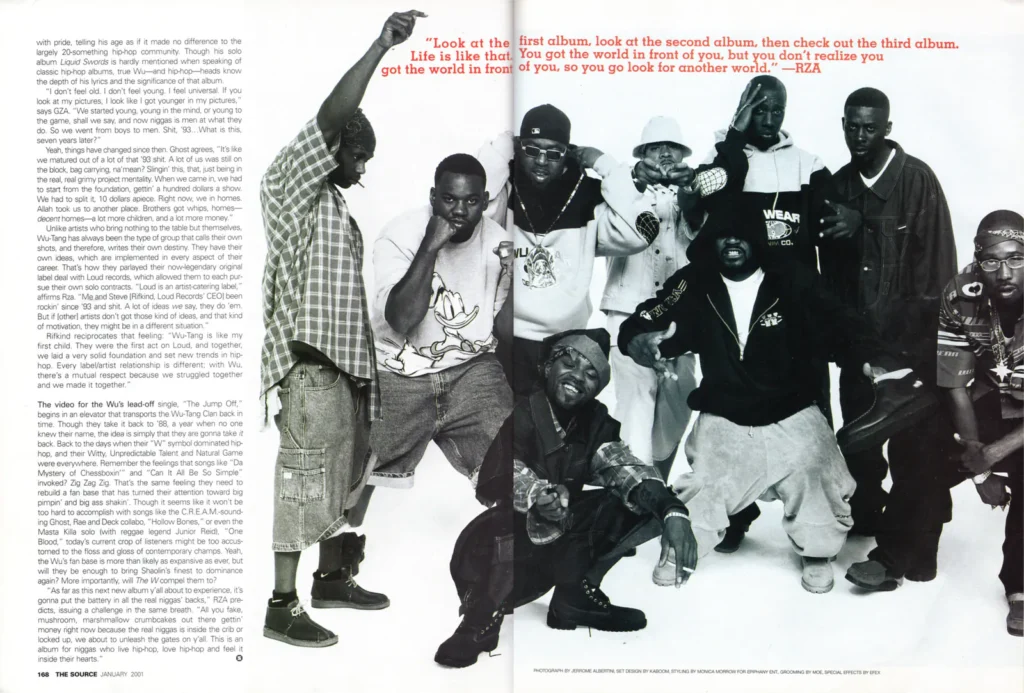
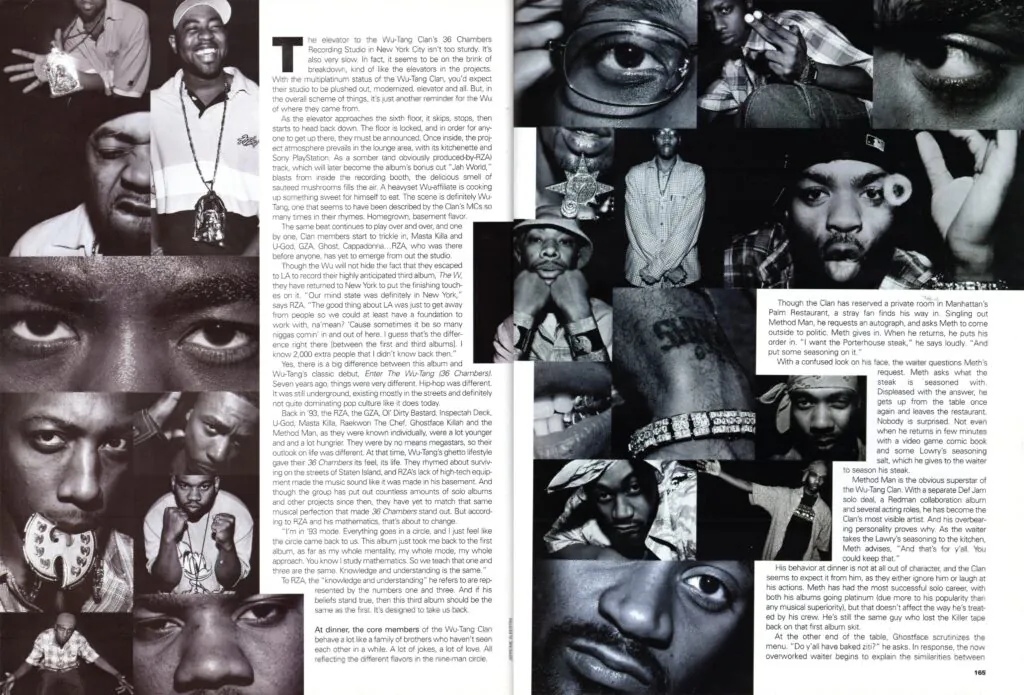
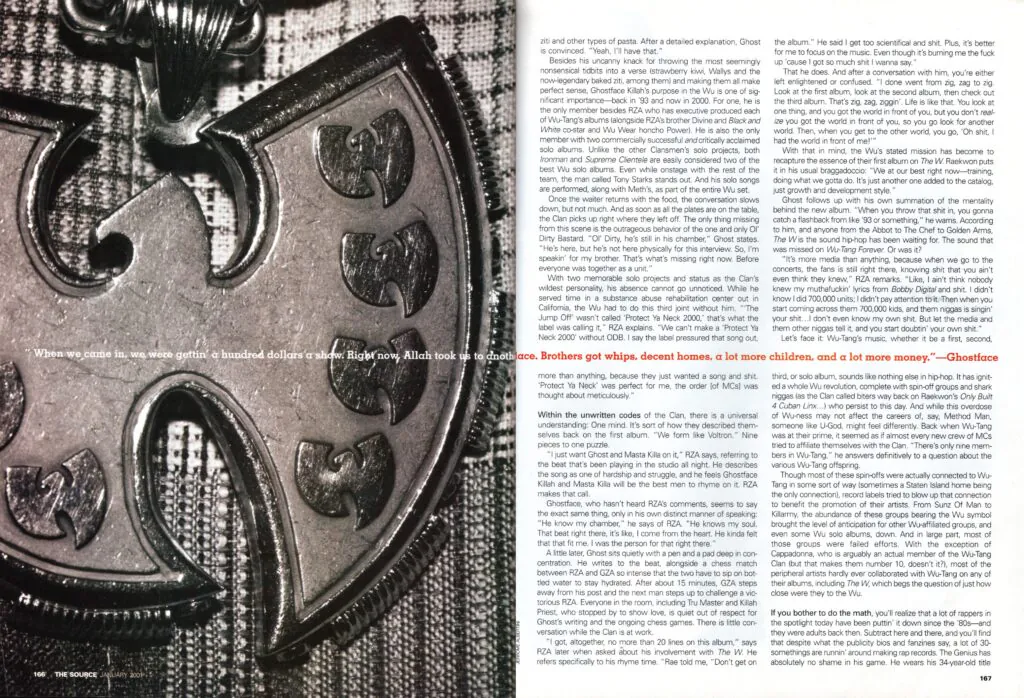
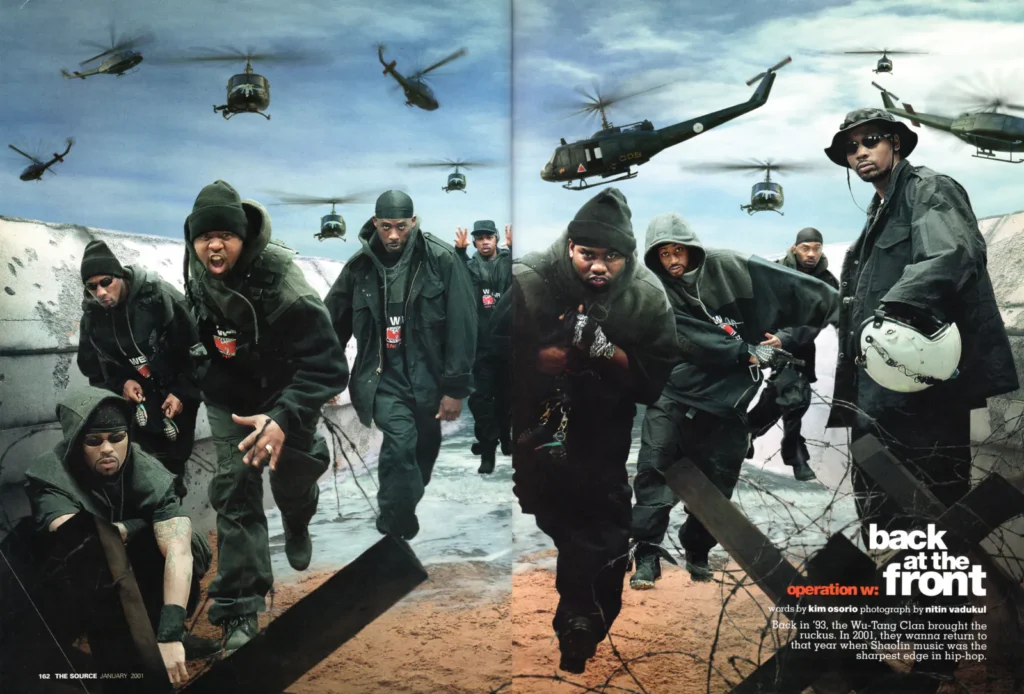
Scanned by @public—mags on Tumblr.
7. David Choe’s Marketing for Need for Speed Underground 2
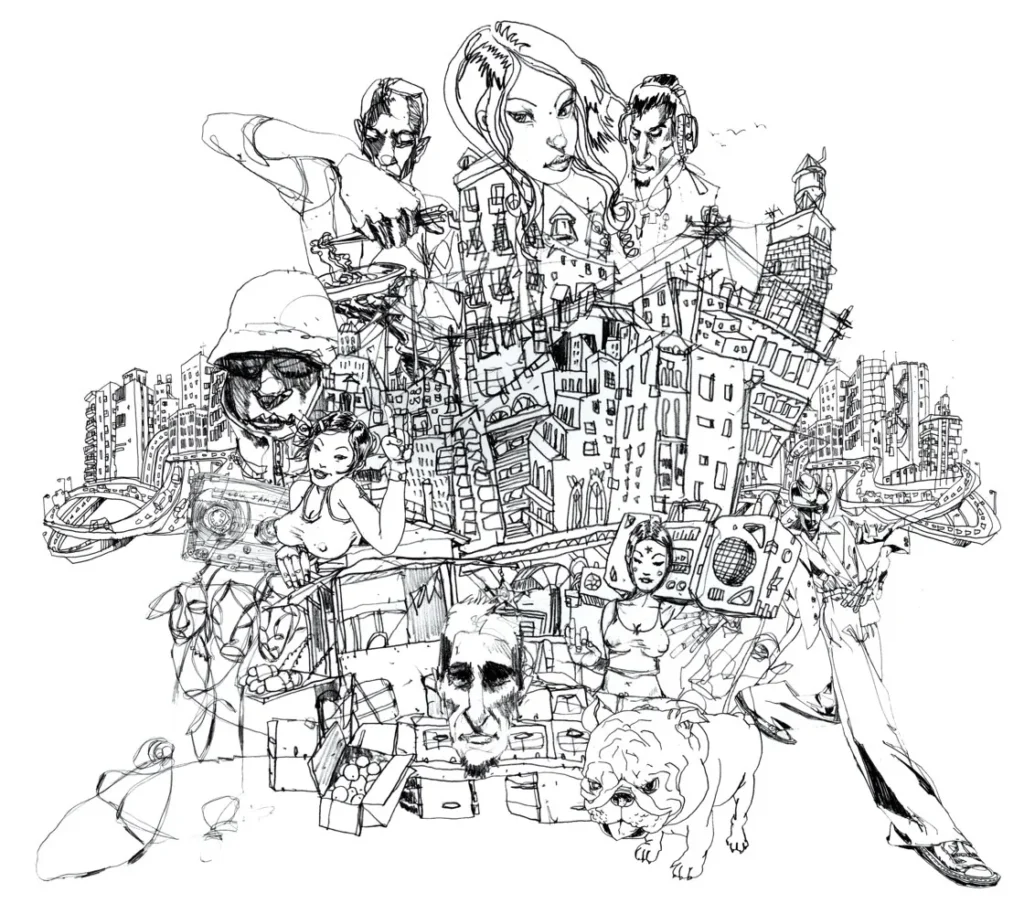
In 2004, a 24-year-old David Choe, then working with Wieden & Kennedy in Portland, landed his first major commercial commission, creating promotional artwork for Need for Speed: Underground 2. His raw graffiti lines and frenetic sketch style gave the campaign its “visual hip-hop” edge, as collaborators later described it.
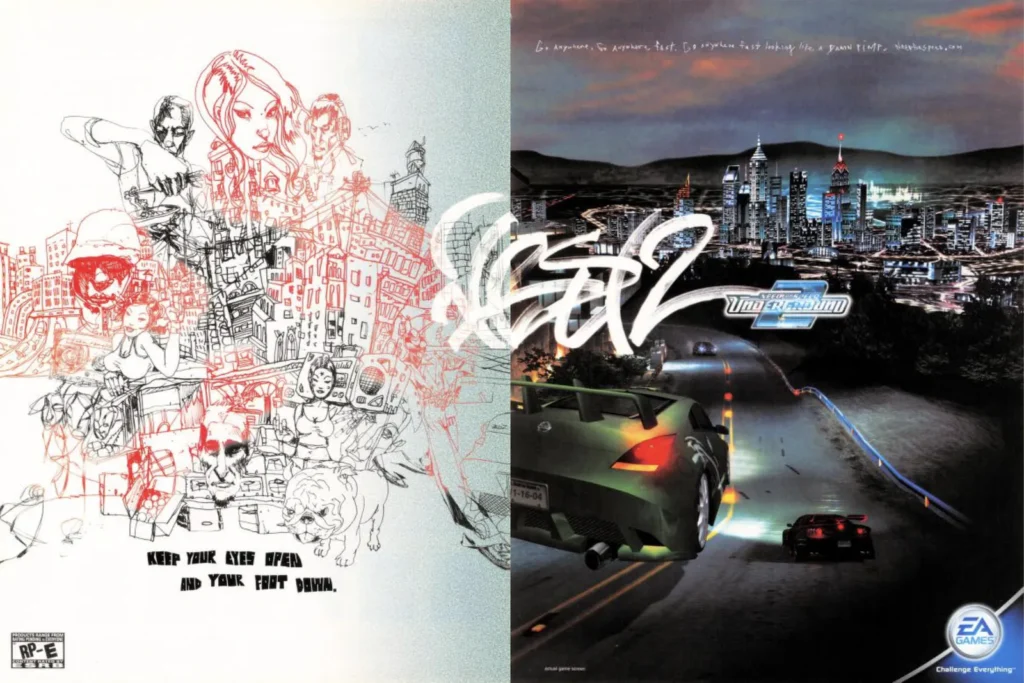
Beyond print ads, Choe’s drawings were brought to life in two animated TV spots produced with the design studio MK12, where his hand-drawn characters collided with in-game footage. A Toyota Corolla GT‑S wrapped in his artwork was even included as an unlockable car inside the game itself.
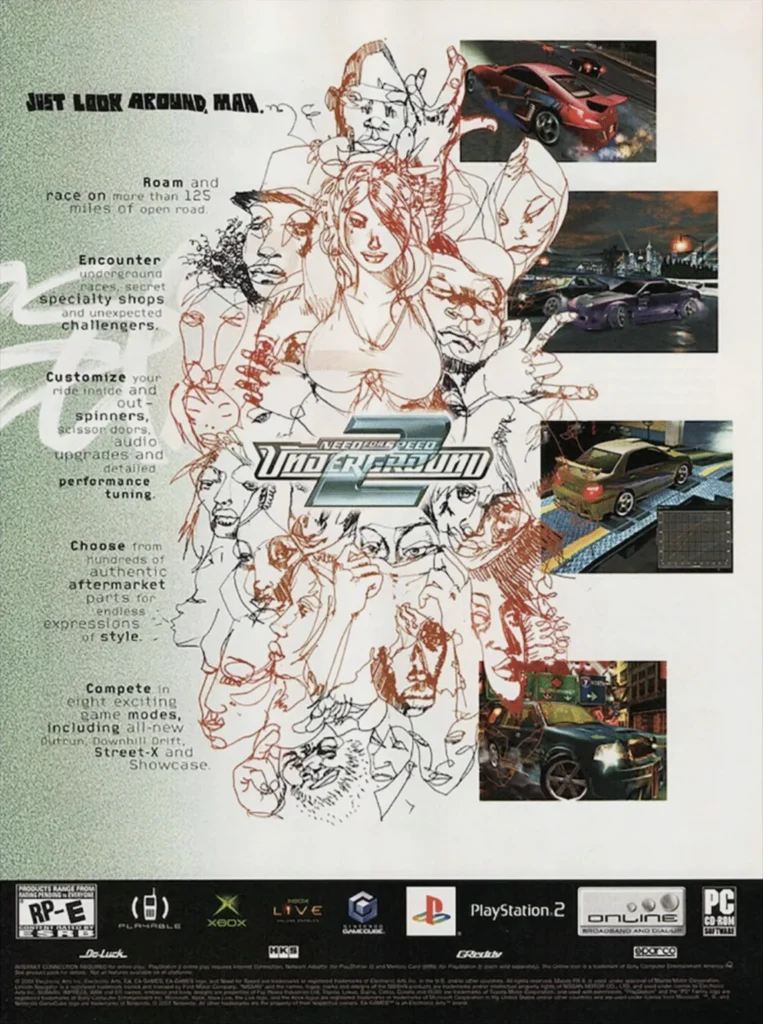
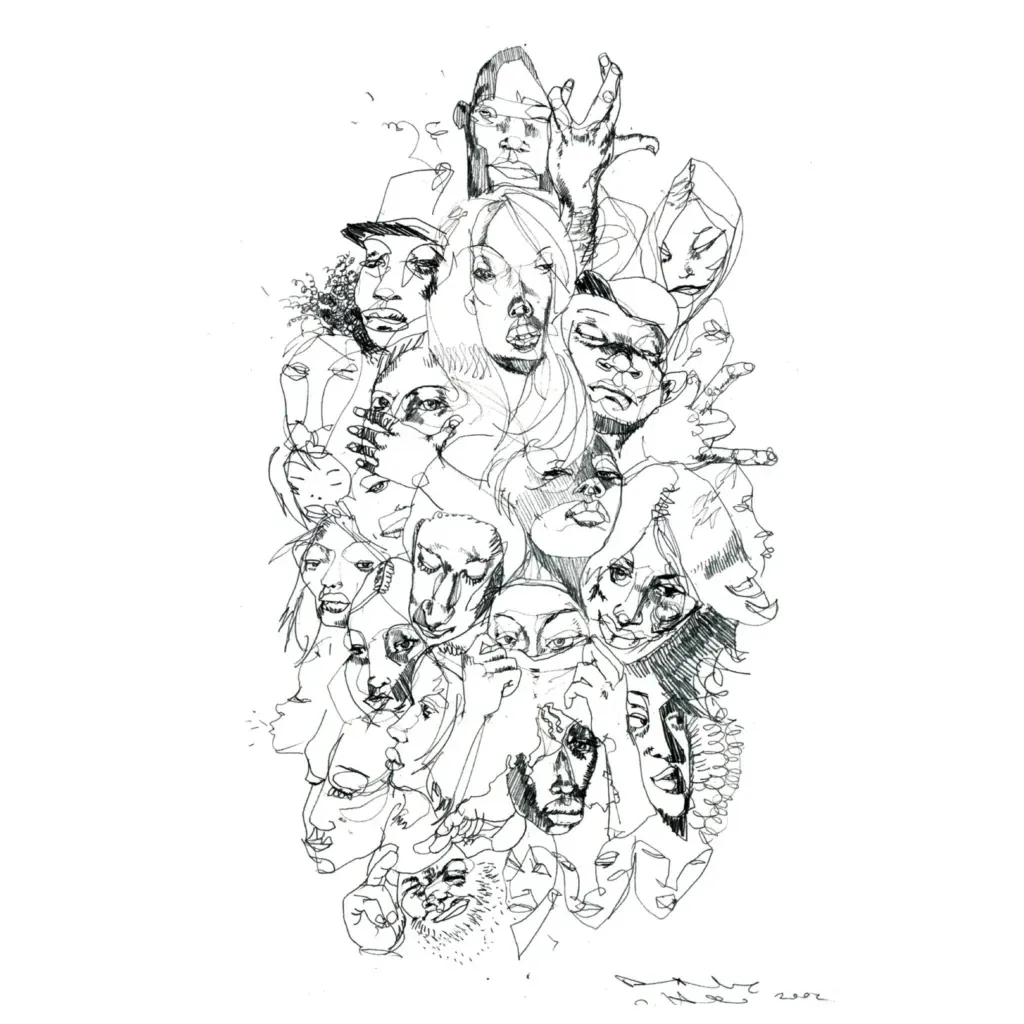
The project marked a turning point, cementing Choe’s leap from underground artist to a rising force in the contemporary art world.
8. Francis Bacon in his studio
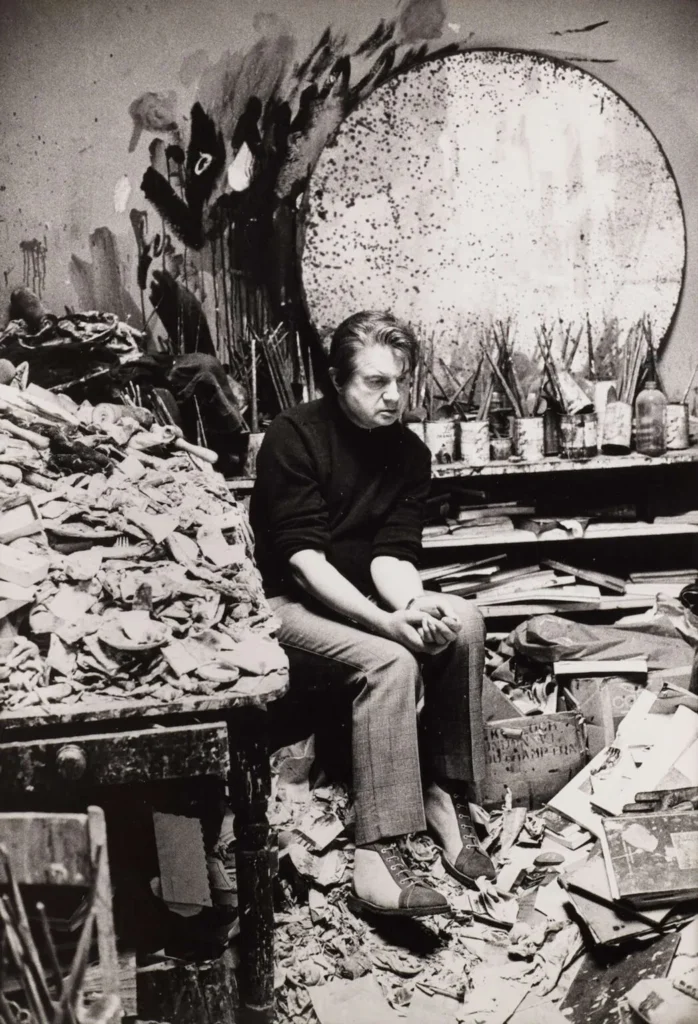
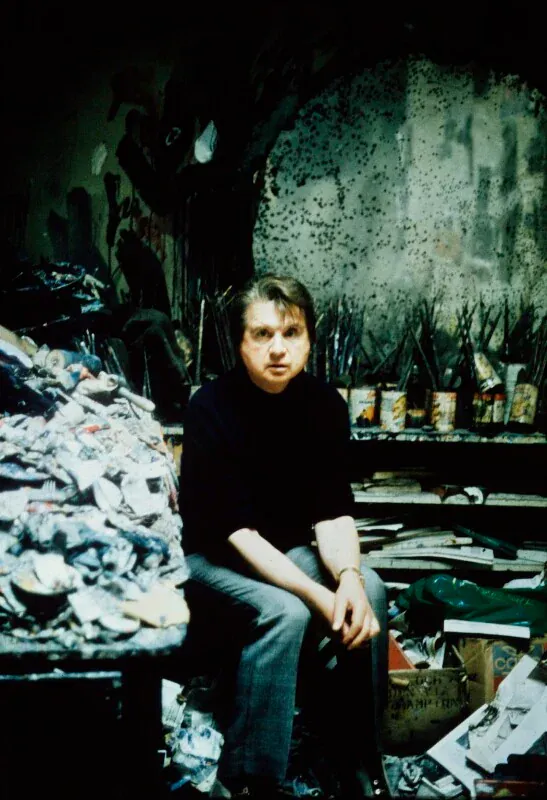
In 1973, Peter Stark photographed artist Francis Bacon in his infamously chaotic studio. Seeing the combination of piles of paint tubes off to the left, the brushes behind him in front of the murky mirror, and the detritus all over the floor really does a great job of explaining the creative process of one of the 20th century’s great painters.
9. Glen Luchford, Damaged Negatives Series
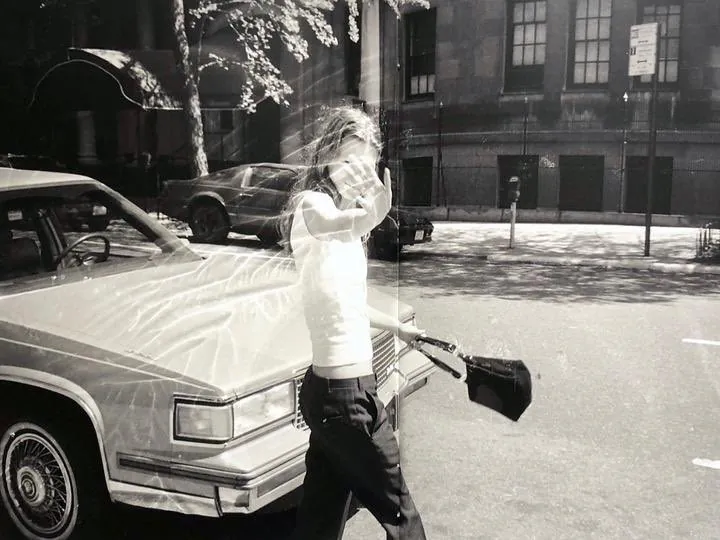
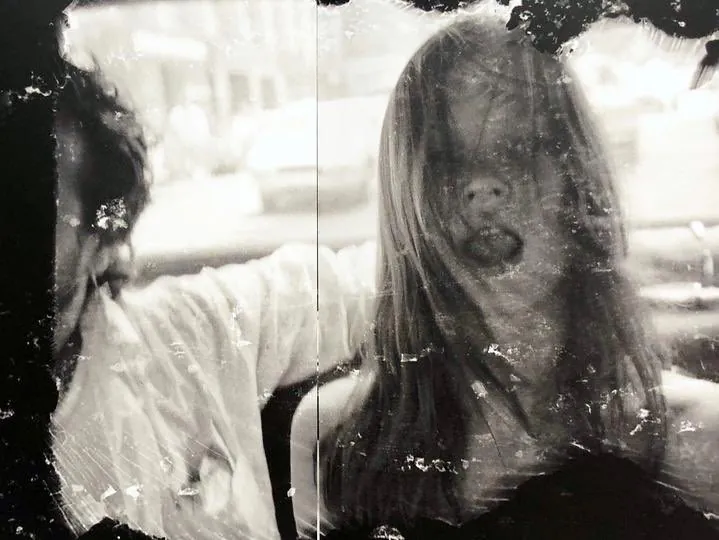
These are photos selected from the outtakes of Luchford’s professional photoshoots done throughout the 90s, the negatives damaged for one reason or another, featuring some of the most iconic models of the decade, such as Kate Moss.
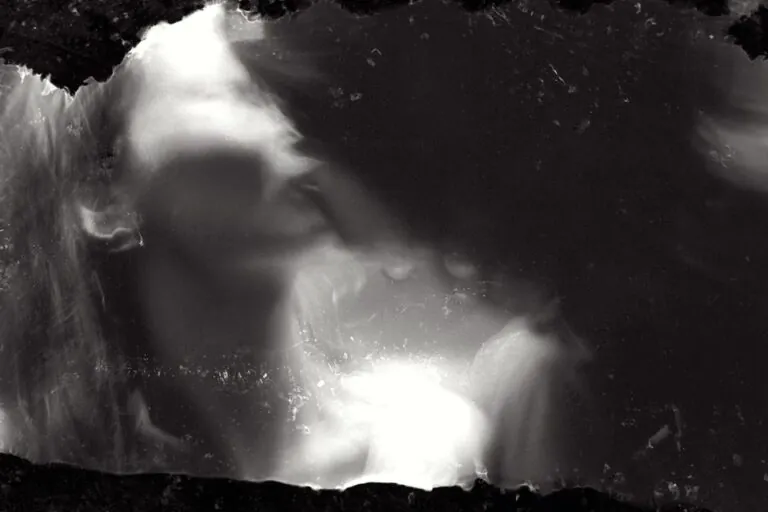
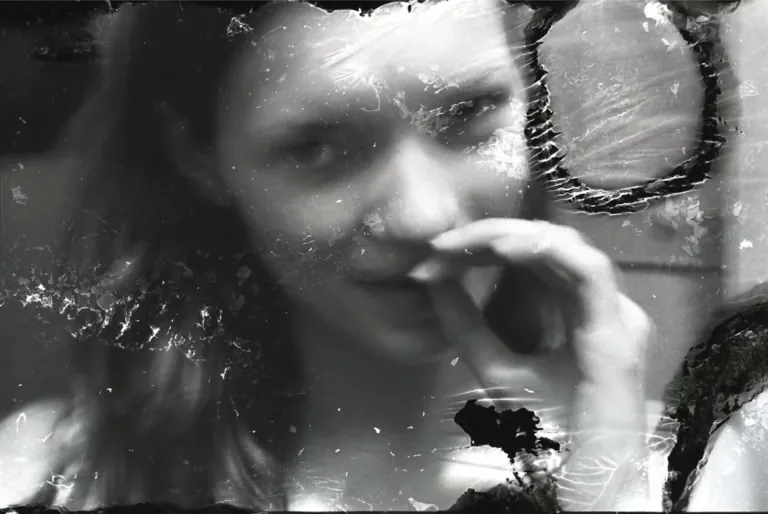
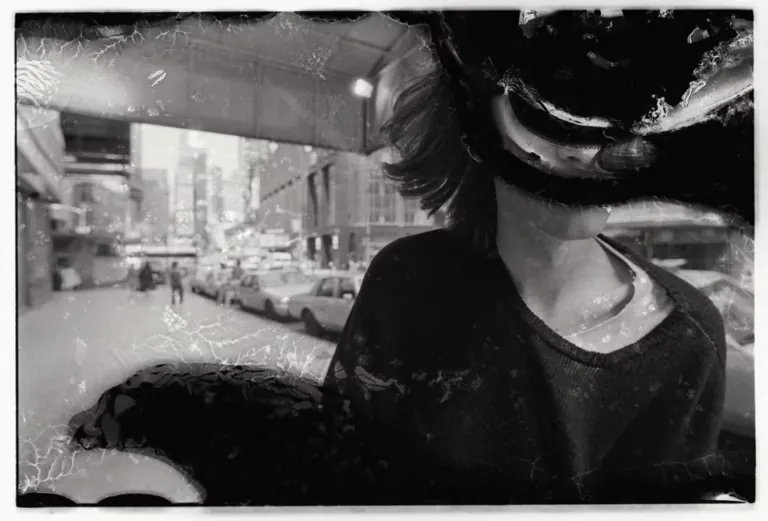
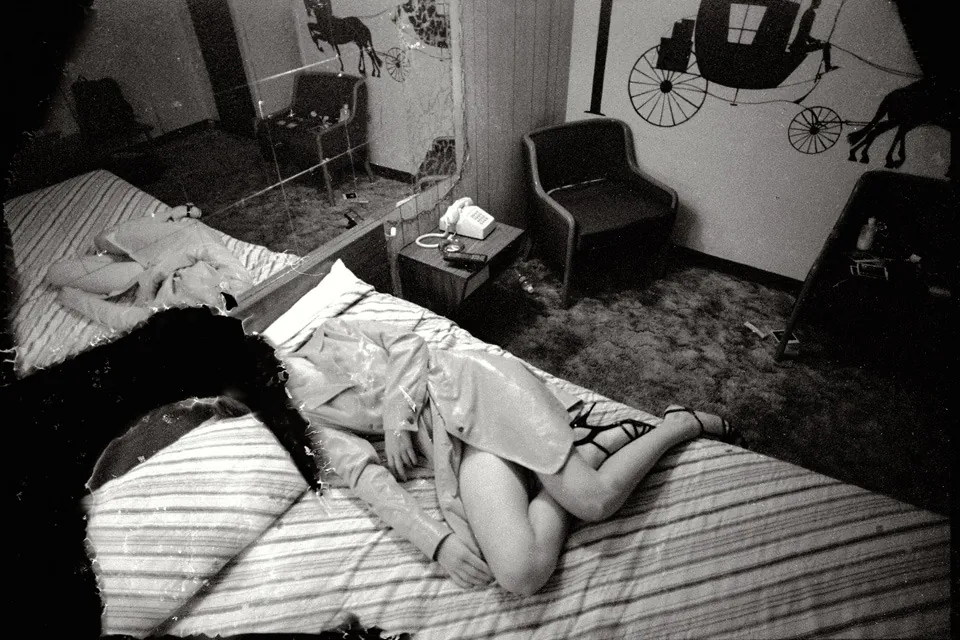
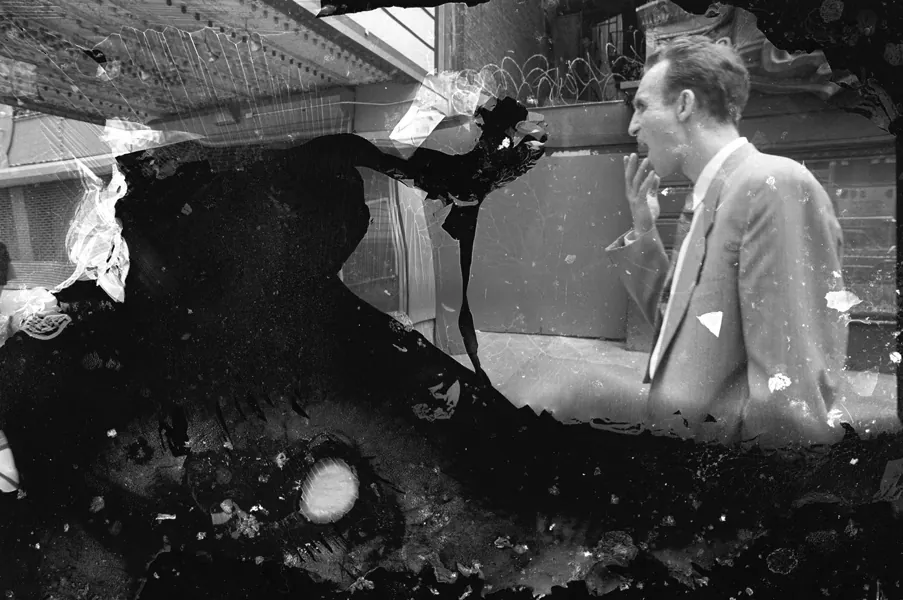
In 2013, the photographer released this series in the form of a book, reflecting his version of the Japanese philosophy of wabi sabi, which focuses on finding beauty in imperfection and the intervention of natural processes in the creation of art.
10. Robert Smith shot by Richard Bellia, 1985